Lung cancer can present with a wide variety of symptoms, some of which may seem mild at first but can indicate a serious health concern. Recognizing these warning signs early—such as a persistent cough, shortness of breath, chest pain, or coughing up blood—can be life-saving by prompting timely medical evaluation and treatment. This comprehensive guide explains the common symptoms and risk factors you should be aware of, how lung cancer is diagnosed and treated, and practical steps for prevention, all in clear, straightforward language to help you better understand and manage this complex disease.
Understanding the Symptoms of Lung Cancer
1. Persistent Cough
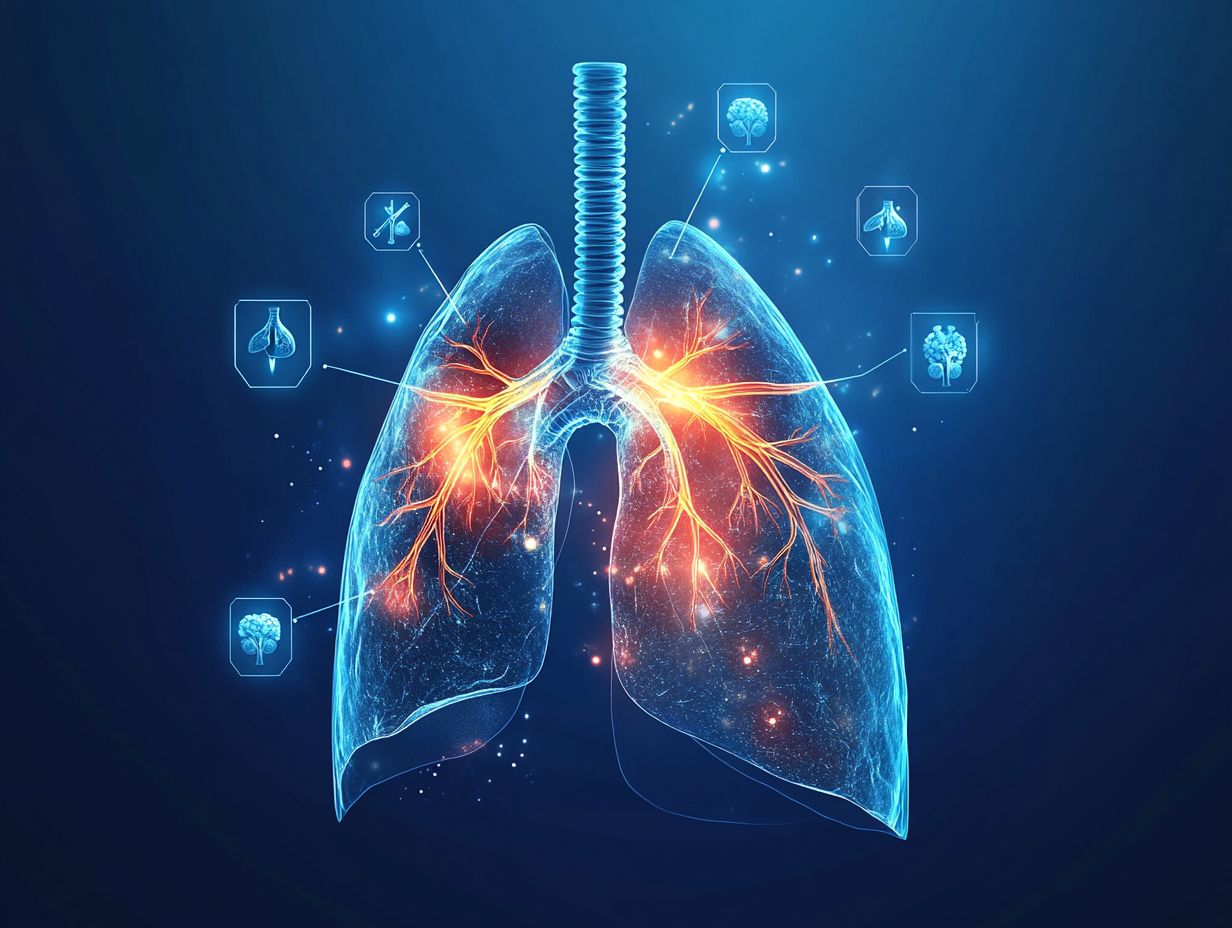
If you have a cough that lasts for several weeks or worsens over time, especially if it does not improve with usual remedies, this could be an early sign of lung cancer. It is often dry and may be accompanied by other symptoms like chest pain or shortness of breath. Importantly, coughing up blood—even a small amount—is a red flag that requires urgent medical attention. If you experience these symptoms, consult your general practitioner (GP) promptly for further evaluation.
2. Shortness of Breath and Breathlessness
Tumors in the lungs can block airways or reduce lung function, making it hard to breathe normally. You might notice feeling unusually breathless during everyday activities or even at rest. Additionally, cancer treatments like chemotherapy and radiotherapy can sometimes cause lung inflammation, worsening breathlessness. Be sure to discuss these symptoms with your healthcare team, who can provide treatments and strategies to improve your breathing comfort.
3. Chest Pain and Pancoast Tumors
Chest pain related to lung cancer can vary from a dull ache to sharp, stabbing sensations that may worsen with deep breaths or movement. Certain tumors called Pancoast tumors, located at the top of the lung, specifically cause pain in the chest, shoulder, or back. Because chest pain can also be caused by other conditions, it’s essential to seek medical advice to determine the cause and get appropriate care.
4. Wheezing, Hoarseness, and Changes in Voice
If you experience wheezing—a high-pitched whistling sound when breathing—or notice your voice becoming hoarse or changing in pitch, these could signal airway irritation or tumors affecting your vocal cords or nearby nerves. Noticing these changes should prompt a visit to your healthcare provider to determine the cause and explore treatment options.
5. Coughing Up Blood (Hemoptysis)
Coughing up blood is a serious symptom that should never be ignored. Besides lung cancer, it can be caused by infections or blood clotting problems; however, in cancer patients, it often indicates tumor-related bleeding. If this happens to you, seek emergency medical evaluation immediately to identify the cause and start appropriate treatment.
6. Fatigue and Weakness
Feeling persistently tired or weak is common with lung cancer, due both to the disease itself and side effects from treatments like chemotherapy. Emotional stress and nutritional issues also contribute. Managing fatigue involves balancing rest with gentle activity, maintaining a nutritious diet, and working with your medical team to address any underlying causes.
7. Unexplained Weight Loss and Loss of Appetite
Sudden or unexplained weight loss without trying can be a sign of lung cancer due to changes in the body’s metabolism. Along with this, loss of appetite often occurs, sometimes increased by nausea or emotional challenges. It’s important to communicate these issues with healthcare providers who can recommend nutritional support and interventions.
8. Difficulty Swallowing (Dysphagia)
If swallowing becomes difficult or painful, it may be related to tumor pressure on nerves or nearby structures. This can affect nutrition and quality of life, but therapies including swallowing exercises, diet changes, and medications can help manage symptoms.
9. Bone Pain and Metastasis
Lung cancer can spread to bones, causing persistent pain, often in areas like the spine or pelvis. If you experience unexplained bone pain, inform your doctor as treatments such as radiation or medication can relieve pain and improve quality of life.
10. Headaches and Neurological Symptoms
Headaches or numbness and weakness in limbs may occur if lung cancer affects the nervous system, either by spreading to the brain or via paraneoplastic syndromes — conditions where the immune system attacks neurological tissues. These symptoms require careful medical assessment and treatment.
11. Swelling in the Neck or Face
Swelling around the neck or face can indicate blockage of blood vessels or lymph nodes by tumors, signaling the need for prompt medical evaluation and intervention.
12. Frequent Infections
Repeated chest infections or respiratory illnesses can happen because lung cancer and its treatments weaken the immune system. Preventive measures like vaccinations, a healthy diet, regular exercise, and routine medical follow-ups are important to reduce infection risk.
What Increases Your Risk of Lung Cancer?
Smoking remains the leading cause of lung cancer, responsible for about 85% of cases. If you smoke, quitting is the single most effective way to reduce your risk. Other risk factors include exposure to radon gas in homes, secondhand smoke, and certain workplace chemicals like asbestos. Being aware of your environment and lifestyle, and discussing any concerns with your doctor, can help lower your chances of developing lung cancer. The American Cancer Society provides helpful resources on quitting smoking and risk reduction strategies.
How Is Lung Cancer Diagnosed?
If lung cancer is suspected, your healthcare team will recommend imaging tests such as chest X-rays or CT scans to look for abnormalities. If needed, a biopsy—taking a small sample of lung tissue—or sputum tests can confirm the diagnosis. Specialists including oncologists and radiologists collaborate to evaluate these results and develop an appropriate treatment plan.
Treatment Options for Lung Cancer
Treatment depends on the cancer type, stage, and your overall health. Common options include:
- Surgery: Removing the tumor and affected lung tissue, often effective in early-stage cancers.
- Chemotherapy: Using drugs to kill cancer cells or stop their growth; may be combined with other treatments.
- Radiotherapy (Radiation Therapy): Targeted radiation shrinks tumors and can relieve symptoms.
- Targeted Therapies and Immunotherapy: Advanced treatments that help your immune system fight cancer or block cancer growth.
Your medical team will tailor treatments to your specific needs, helping to manage the disease and maintain quality of life. Both the Mayo Clinic and the National Cancer Institute offer detailed guides on lung cancer treatments.
Preventing Lung Cancer: What You Can Do
The most effective prevention method is to avoid or quit smoking. Additionally, testing your home for radon and reducing exposure to harmful occupational chemicals can make a big difference. Regular check-ups with your GP help catch issues early. For more tips on prevention, visit the Centers for Disease Control and Prevention’s lung cancer prevention page.
Understanding Lung Cancer Stages
Lung cancer staging describes how far the cancer has spread and guides treatment choices:
-
Stage I: Cancer is confined to the lung.
-
Stage II: Spread to nearby lymph nodes.
-
Stage III: Extended to more lymph nodes or nearby organs.
-
Stage IV: Metastasis to distant organs.
Early-stage cancers have more treatment options and better prognosis, making early detection critical.
Frequently Asked Questions
What are the most common symptoms of lung cancer?
The most frequent signs include a persistent cough, chest pain, shortness of breath, coughing up blood, fatigue, and sometimes hoarseness or swelling in the neck.
Can lung cancer cause a new or worsening cough?
Yes. Any new or persistent cough lasting more than a few weeks should be evaluated by a healthcare provider to rule out lung cancer or other conditions.
Is chest pain always a sign of lung cancer?
Not always. Chest pain can arise from many causes, but if it is persistent, worsening, or accompanied by other symptoms, it’s important to get checked by a doctor.
What does shortness of breath mean in lung cancer?
It means the tumor or associated fluid buildup is affecting your lung’s ability to move air, causing difficulty breathing. Medical assessment and treatment can improve breathing.
If I cough up blood, what should I do?
Seek emergency medical attention promptly, as coughing up blood can signal serious health conditions including lung cancer requiring urgent diagnosis and treatment.
Is fatigue common in lung cancer?
Yes. Fatigue results from both the cancer and treatments, impacting daily activities. Discuss fatigue with your healthcare team for help managing this symptom.
For more information and resources, you can trust the National Cancer Institute (cancer.gov), the Mayo Clinic (mayoclinic.org), and the American Cancer Society (cancer.org) websites. Additionally, watching educational videos from reputable sources like the Mayo Clinic YouTube channel can help you understand lung cancer symptoms and care better.
If you notice any of these symptoms or have risk factors for lung cancer, please talk with your healthcare provider as soon as possible. Early detection and treatment can improve outcomes and help you maintain the best possible quality of life.