Nurses are at the heart of cancer care, providing essential physical and emotional support that helps patients and their families navigate the challenges of diagnosis and treatment. Beyond giving medications like chemotherapy, nurses continually assess patients’ health, manage side effects, and guide lifestyle changes to improve well-being. Their collaboration with doctors, dietitians, and social workers creates a seamless support system tailored to each patient’s needs. While caring for cancer patients can be emotionally demanding, many nurses find deep fulfillment in building trusting relationships and making a meaningful difference in people’s lives.
Cancer affects not only those diagnosed but also their families, often causing significant stress and uncertainty. Patients face physical symptoms along with emotional struggles like anxiety and depression, while families cope with new roles and emotional burdens. Nurses understand these challenges and provide holistic care that addresses both medical needs and emotional well-being, helping to ease fears and improve quality of life throughout the cancer journey.
Oncology nurses perform many vital duties, including closely monitoring patient conditions to detect any complications early, administering complex treatments safely, and educating patients and families about their diagnosis and options. This education empowers people to make informed decisions and manage side effects more effectively. Importantly, nurses offer compassionate emotional support, encouraging open communication and fostering resilience during a difficult time.
Working in cancer care can bring emotional strain and burnout, but nurses often find strength through workplace support, self-care practices, and connection with colleagues. The rewarding experience of witnessing patients’ progress and providing comfort drives many to continue in this challenging yet impactful profession.
If you or a loved one is facing cancer, understanding the supportive role nurses play can help you better advocate for your care and wellbeing. Their expertise and compassion are key components in your treatment and recovery.
For more information about cancer care and support, you can visit trusted resources like the National Cancer Institute, the Mayo Clinic’s cancer patient support page, and Cancer Research UK’s informative videos.
How Cancer Impacts Patients and Their Families
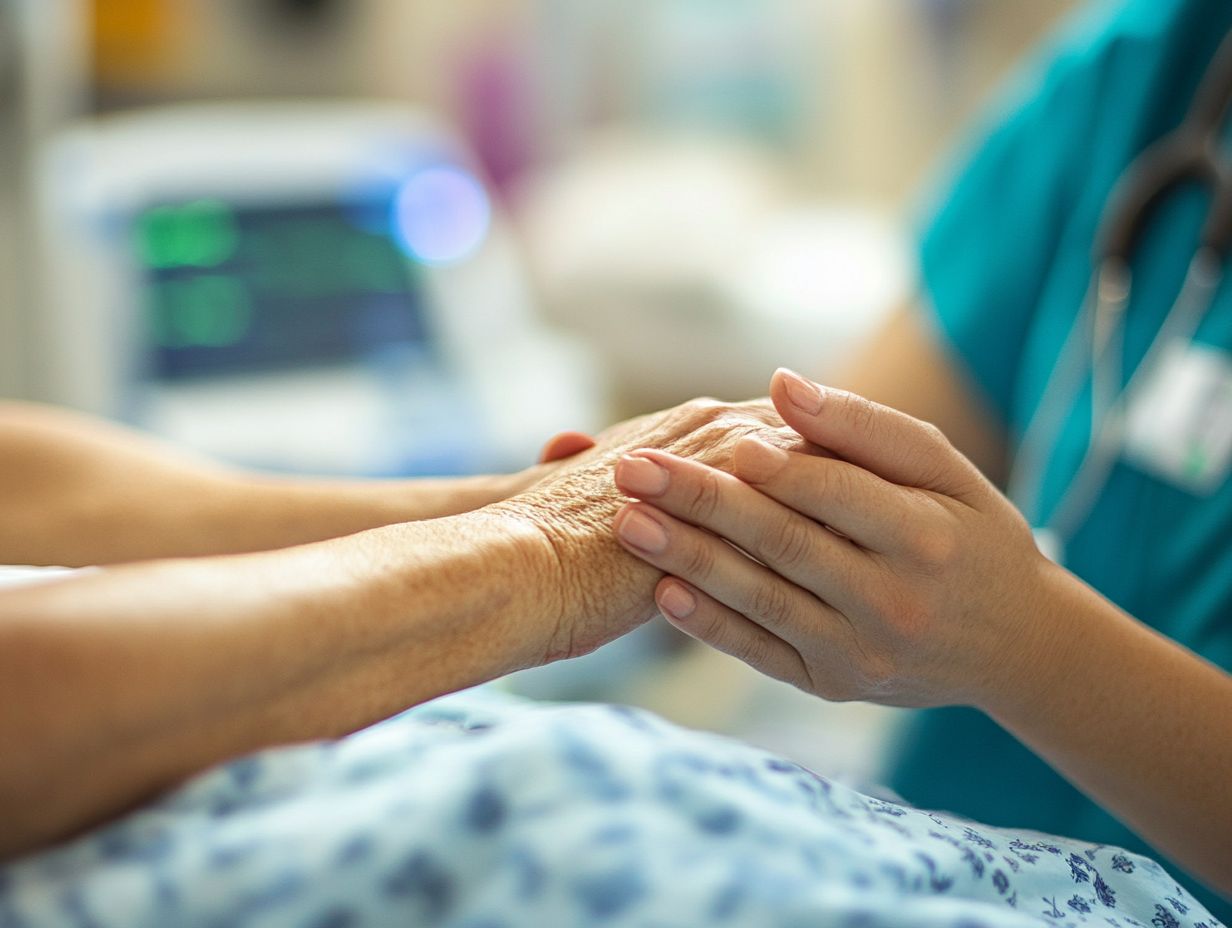
Cancer doesn’t just affect your body; it touches every part of your life and the lives of those who care about you. You might experience symptoms like pain or fatigue and worry about what lies ahead. Your family may feel the emotional weight and face new responsibilities. Recognizing these realities is why cancer care includes more than treatments—it takes a whole-person approach that supports your emotional health and daily living needs. Palliative care and counseling are examples of services designed to improve comfort and quality of life during advanced stages.
Emotional and Practical Challenges of Living with Cancer
Life with cancer involves managing both feelings and logistics. You may feel anxious or depressed, which is completely natural. At the same time, keeping track of appointments, medications, and side effects can be overwhelming. This is where nurses and support teams step in to help you build coping strategies and offer encouragement, so you don’t have to face this alone.
The Essential Role of Nurses in Cancer Care
Oncology nurses are your allies throughout your cancer journey. They do much more than give treatments—they watch over your health, manage symptoms, provide information, and offer emotional comfort. Working closely with oncologists, pharmacists, dietitians, and social workers, they make sure your care is coordinated and suited to your individual needs.
Providing Physical and Emotional Support
You can count on your nurse to listen carefully and respond with empathy. Through open conversations, they build trust and help you express concerns you might have about your symptoms or treatment. Nursing care addresses both your physical comfort and emotional strength, helping you better cope with the effects of cancer and its treatment.
Collaborating With Other Healthcare Professionals
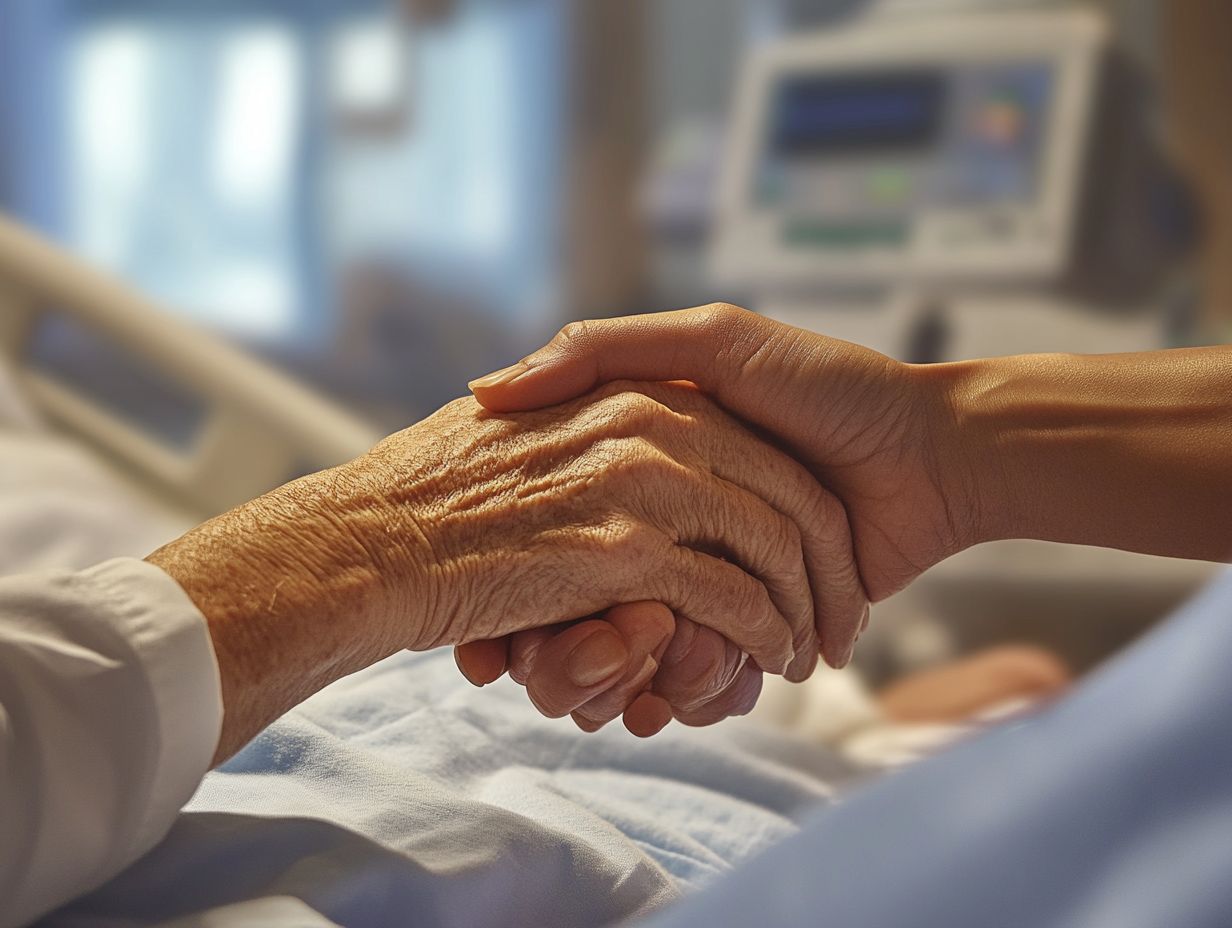
Cancer care is never a solo effort. Your nurse collaborates with a whole team of experts who together design the best plan for you. This may include doctors who plan treatments, pharmacists who manage medications, dietitians who guide nutrition, and social workers who support emotional and practical needs. This teamwork ensures you receive comprehensive care focused on your wellbeing.
Key Nursing Responsibilities in Cancer Care
Nurses in oncology carefully assess your condition by monitoring vital signs like heart rate and blood pressure and watch for symptoms such as pain or nausea to catch complications early. They administer treatments like chemotherapy, making sure doses are calculated precisely and protocols are followed for safety. Nurses also educate you and your family about what to expect, side effects to watch for, and healthy lifestyle adjustments that can improve your recovery.
Managing Emotional Strain and Finding Reward in Cancer Nursing
Being a cancer nurse means facing emotional challenges—from witnessing patient suffering to handling the stress of fast-paced care. Support systems at work and personal self-care strategies like mindfulness and exercise are essential for resilience. Yet, many nurses find profound fulfillment in their role, inspired by the opportunity to help patients heal and support their families.
Frequently Asked Questions

What role do nurses play in supporting cancer patients?
Nurses are key caregivers who provide medical treatments, monitor health, manage symptoms, and offer emotional support throughout the cancer journey. They help coordinate care and educate patients and families about the disease and treatment.
How do nurses help manage treatment side effects?
Nurses monitor for side effects like nausea, fatigue, or infections and guide patients on managing these symptoms. They may administer medications, suggest lifestyle changes, and provide reassurance and support.
What kind of emotional support can nurses provide?
Nurses listen to your concerns, offer encouragement, and help reduce anxiety. They can connect you with counseling services, support groups, or other community resources to help cope with the emotional impact of cancer.
How do nurses educate patients and families?
Oncology nurses explain the diagnosis, treatment plan, expected side effects, and strategies for managing symptoms at home. This information helps patients and families make informed choices and actively participate in care.
Do nurses continue care after treatment ends?
Yes, nurses provide follow-up care, monitor for cancer recurrence, support emotional adjustment post-treatment, and connect patients with survivorship programs to promote long-term health.