Discovering a cancer support group near you may be one of the most helpful steps you can take during your cancer journey or that of a loved one. These groups offer more than just shared stories—they provide emotional comfort, practical advice, and a sense of belonging when facing the many challenges cancer brings. Whether you prefer meeting face-to-face, joining a phone discussion, or connecting through online communities, there are options designed to fit your lifestyle and needs. This guide will help you find the right support group, understand what to expect, and make the most of the meaningful connections you build along the way.
Why Cancer Support Groups Matter
If you or someone you care about has been diagnosed with cancer, you might find yourself feeling overwhelmed and isolated. Cancer support groups create safe spaces where patients and caregivers can express their feelings, learn coping strategies, and receive emotional support from those who truly understand. Research shows that being part of a support group can improve mental health, reduce stress, and even help people manage the physical effects of cancer treatment more effectively. Organizations like the American Cancer Society and CancerCare provide trusted resources and facilitate such groups, helping people connect in meaningful ways.
Types of Cancer Support Groups: Finding What Works for You
Support groups come in various forms, each offering unique advantages depending on your preferences and situation.
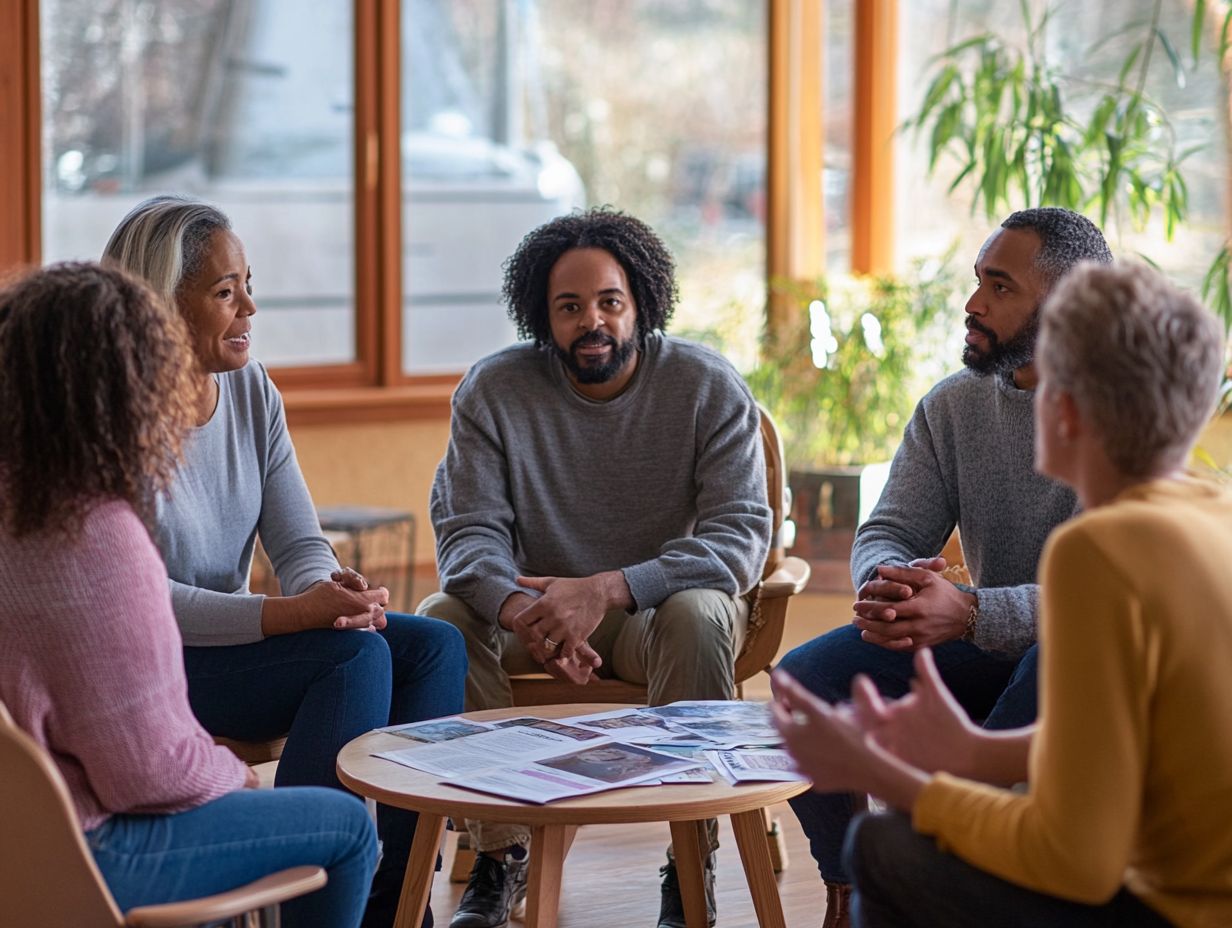
- In-Person Groups: Many hospitals, community centers, and cancer treatment facilities host in-person groups where you can meet face-to-face with others. These meetings often include educational sessions on managing symptoms, treatment options, and emotional well-being. Local gatherings foster strong community bonds and often provide access to nearby resources.
- Online Support Groups: If traveling isn’t easy for you or you prefer anonymity, online support groups can be a great fit. Platforms such as the Cancer Support Community and specialized Facebook groups offer forums to share stories, ask questions, and receive encouragement from people all over the world at any time.
- Telephone Support Groups: For those who prefer to connect by phone, telephone support groups offer scheduled group calls that allow you to participate from home without needing internet access. This option ensures that even those with mobility or technology challenges can engage in supportive discussions.
How to Locate Support Groups Near You
If you’re wondering where to start, here are some helpful steps to find cancer support groups in your area:

- Check Local Hospitals and Clinics: Many cancer centers list support group options on their websites or have staff who can provide recommendations.
- Contact Cancer Advocacy Organizations: National groups like the American Cancer Society and CancerCare maintain directories and can guide you to local or virtual groups tailored to your needs.
- Use Online Directories: Websites like the Cancer Support Community allow you to search for support groups by zip code, cancer type, or language.
- Ask Your Healthcare Team: Doctors, nurses, and social workers often know about support resources that suit your specific diagnosis and treatment plan.
Choosing the Right Support Group for You
Before joining, take time to ask yourself and the group organizers some key questions. Consider:
- What is the group’s main focus (e.g., specific cancer types, caregivers, post-treatment)?
- Is the group in-person, online, or phone-based?
- How often and when are meetings held? Do these fit your schedule?
- What confidentiality measures are in place to protect your privacy?
- Who facilitates the group, and what qualifications do they have?
- Is there any cost to participate, or financial assistance available?
Make sure the group feels like a safe and welcoming space where you can comfortably share and learn. Remember, it’s perfectly okay to try different groups before finding the best fit.

Making the Most of Your Support Group Experience
When you join a group, active participation can deeply enrich your experience. Sharing your own story might help others feel less alone, and listening can provide new insights and comfort. Set small personal goals for what you want to gain from the group—whether emotional support, practical advice, or simply making friends who understand your journey.
Being open with your feelings builds trust and creates a stronger community, while respecting others’ experiences fosters a supportive environment for everyone. Healing often happens in the shared moments between people who truly get it.
Frequently Asked Questions
How Can I Find Cancer Support Groups Nearby?

Start by reaching out to your local hospital or cancer treatment center, which often hosts or knows of support groups. You can also search online through organizations like the American Cancer Society or use directories such as the Cancer Support Community to locate groups in your area.
What Should I Look for in a Support Group?
Look for a group whose focus matches your cancer type, treatment stage, or caregiving role. Consider the group’s size, meeting format (in-person, online, phone), facilitator qualifications, and confidentiality policies. It’s important that you feel comfortable and safe in the group setting.
Can I Join a Support Group Even If I’m Not in Active Treatment?
Absolutely. Many support groups welcome survivors, caregivers, and people navigating life after treatment. These groups provide ongoing emotional support and practical advice tailored to post-treatment life.
Are There Free Cancer Support Groups?
Yes, many cancer support groups are free, especially those run by non-profit organizations like the National Cancer Institute or the American Cancer Society. Some may charge small fees to cover meeting costs or materials, but financial assistance is often available.
How Can a Support Group Help Me?
Support groups offer emotional comfort, help reduce feelings of loneliness, share practical tips about treatment and recovery, and connect you with others who understand your experience. This community can improve your mental well-being and provide a sense of hope and resilience during difficult times.