Facing a child’s cancer diagnosis can feel overwhelming, but understanding what lies ahead and knowing how to support your child emotionally and practically can make a significant difference. Childhood cancers such as leukemia, brain tumors, and neuroblastoma require careful medical care and strong emotional support to help your child and family navigate this challenging journey. This article offers clear guidance on managing treatment, addressing emotional needs, and maintaining family well-being, so you feel better prepared and less alone.
Understanding Childhood Cancer and What It Means for Your Family

Childhood cancer covers various types of cancers that most commonly affect children, including leukemia, brain tumors, and neuroblastoma. Leukemia is the most frequent, accounting for about 28% of cases, followed by brain tumors (26%) and neuroblastoma (7%). Each type varies in how it develops and the therapies used — such as chemotherapy or radiation — tailored to your child’s specific diagnosis. Knowing these facts helps you grasp what medical care will involve and what to expect moving forward. Trusted sources like the National Cancer Institute and the Mayo Clinic provide detailed, reliable information for caregivers.
Providing Emotional Support: What Your Child Needs Most
Children facing cancer often wrestle with fear, anxiety, and sadness. You might notice changes in their mood or behavior — this is a normal response. One of the most important things you can do is create a safe, nurturing space where they feel comfortable expressing these feelings. Encourage open communication and be honest with age-appropriate explanations. You can also seek help from pediatric psychologists or therapists who specialize in supporting children with serious illnesses.
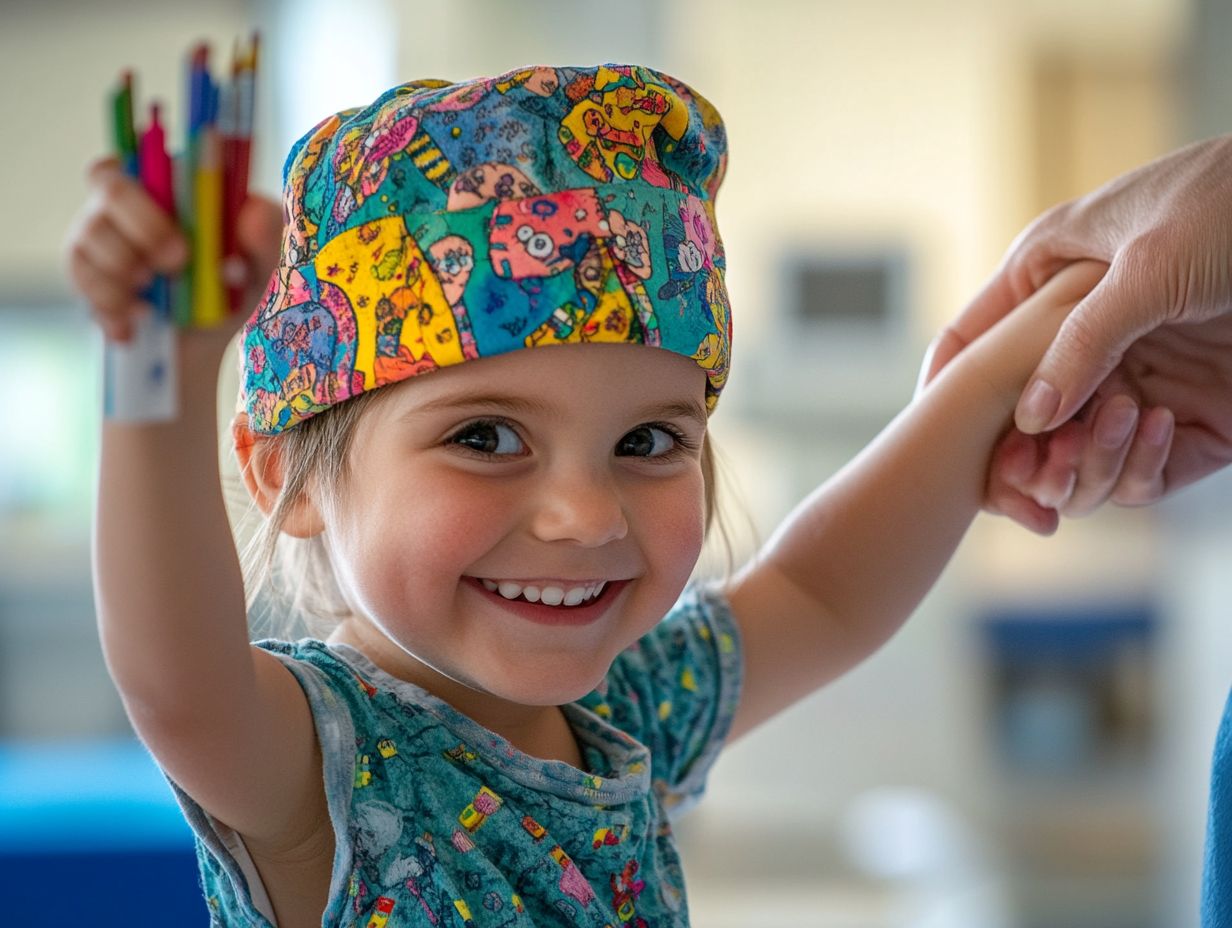
Creative therapies such as art or play therapy offer children alternative ways to process their emotions. Group support programs, where children meet peers going through similar experiences, can reduce feelings of isolation and build resilience. For guidance on mental health resources, the Mayo Clinic’s pediatric mental health services are excellent references.
Managing Fear and Anxiety
If your child feels scared or overwhelmed, try to listen empathetically without rushing to solve their fears. Validating their emotions shows them it’s okay to feel scared. Simple things like bringing their favorite toy to the hospital or distracting them during procedures make a big difference. Professionals like Dr. Emily McTate, a pediatric psychologist, recommend using clear, comforting communication to reduce anxiety and build trust.
Supporting Mental Health

Supporting the mental health of children undergoing cancer treatment involves using counseling, creative therapies, and peer support to enhance emotional recovery and quality of life.
Professional counseling and art therapy provide safe spaces for children to express emotions and develop coping strategies for their journey through cancer treatment.
Peer support groups foster community, shared experiences, and understanding for children and caregivers, aiding in emotional recovery and resilience building.
Access to pediatric mental health resources, such as those from the Mayo Clinic and other healthcare institutions, is essential for navigating treatment challenges and supporting emotional development.
Offering Practical Support: Organizing Care and Gathering Resources
Your daily schedule may be filled with doctor visits, treatments, and medications. Keeping an organized calendar — whether a physical planner or a digital app — helps you track appointments and medications to reduce stress. Communicate regularly with your child’s healthcare team to clarify any questions or concerns about treatment plans.
Financial burdens can add to your stress. Many families find support through grants, nonprofit organizations, and government programs designed to ease medical costs or lost income during treatment. Connecting with social workers can help you identify and apply for these resources. Community groups and family support networks provide both emotional support and practical assistance—never hesitate to reach out.
Caring for the Whole Family: Supporting Siblings and Parents
A cancer diagnosis changes the family dynamic profoundly. Siblings often feel confused, jealous, or anxious as attention shifts toward the child with cancer. It’s crucial to involve siblings in conversations and activities so they don’t feel left out. Encourage them to share their feelings and provide age-appropriate explanations about the illness.
Parents themselves carry heavy emotional and physical burdens. Remember to care for your own health and well-being through rest, counseling, or support groups. Taking time for self-care isn’t selfish — it gives you strength to be there for your child.
Simple ways to nurture family bonds include regular family meals, game nights, or shared hobbies that create joyful moments amidst the difficulty. Support groups for families coping with childhood cancer can connect you to others who truly understand your experience.
Impact on Family Dynamics
Childhood cancer significantly changes family roles, responsibilities, and emotional connections. Siblings may experience jealousy, resentment, guilt, and fear, straining relationships.
Open communication helps families address challenges, reducing isolation and fostering understanding. Balancing attention and affection among all children supports family unity during illness.
Ways to Support Siblings and Parents
Ways to support siblings and parents of children with cancer include:
- Fostering open communication
- Engaging in inclusive activities
- Encouraging self-care practices
- Utilizing family-specific support groups
Fostering open communication allows sharing feelings and experiences.
Engaging in inclusive activities like family game nights strengthens bonds, supports emotional connections, and provides joy during difficult times.
Encouraging self-care practices helps parents recharge and maintain their emotional and physical health, which is vital for effective caregiving.
Utilizing support groups creates a sense of community and shared understanding.
Frequently Asked Questions
What should I say to my child about their cancer diagnosis?
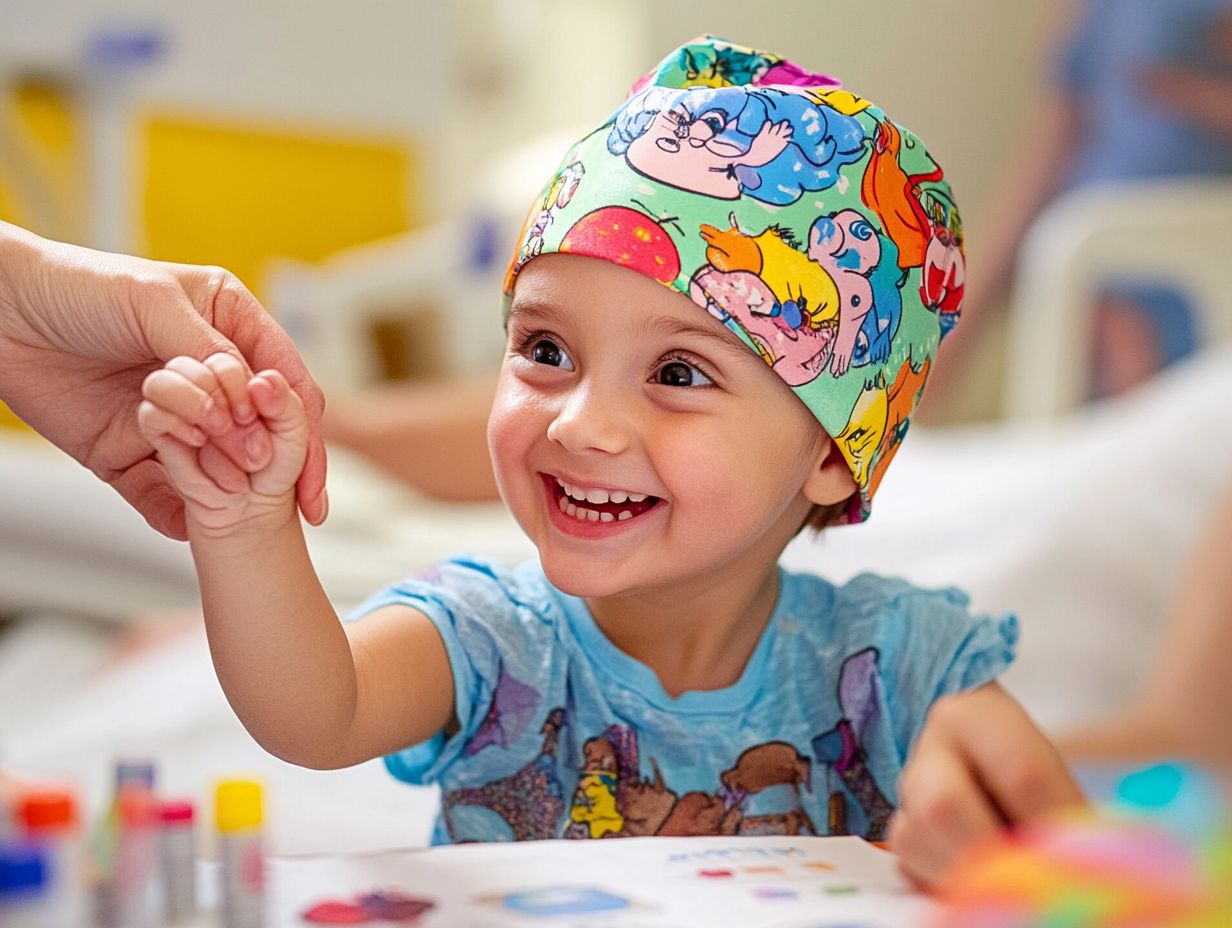
Be honest but sensitive. Assure your child they are not alone and that you’re there to support them. Use simple language suitable for their age, and encourage them to ask questions whenever they want.
How can I help my child cope with cancer treatment?
Create a comforting environment with familiar items like toys or books. Engage them in activities they enjoy and provide emotional support. Distraction during procedures and open conversations about their feelings can ease anxiety.
Are there support resources for children with cancer and their families?
Yes, organizations such as St. Jude Children’s Research Hospital and the National Cancer Institute offer emotional, financial, and practical resources tailored to pediatric cancer patients and their caregivers.
How can I support my other children during this time?
Include them in family discussions and activities, encourage them to express their feelings, and reassure them that their needs matter too. Consider sibling support groups where they can meet others in similar situations.
What should I do if my child feels sad or scared?
Acknowledge their feelings honestly and provide comfort. Involve child psychologists if the emotions persist or interfere with treatment. Encouraging creative outlets like drawing or storytelling can also help children express complex emotions.
For more guidance on caring for a child with cancer, visit the American Cancer Society’s Childhood Cancer Support page or watch expert advice on the Mayo Clinic’s YouTube channel. Remember, you are not alone on this journey—help and hope are always available.