Recovering from cancer treatment is a journey that involves much more than just physical healing. Building a strong support network can make a significant difference in your emotional well-being and quality of life as you navigate this new chapter. By connecting with family, friends, healthcare providers, and community resources, you gain access to the encouragement and practical help needed to face challenges and foster resilience. This guide will walk you through the importance of a support system, how to create one tailored to your needs, and ways to maintain these vital connections for ongoing recovery.
Why You Need a Support Network After Cancer Treatment

After finishing cancer treatment, you may find yourself facing emotional ups and downs, managing new routines, and handling practical tasks like appointments and insurance. A support network offers the emotional comfort and tangible assistance necessary to ease these burdens. Your circle can include loved ones, medical professionals, therapists, and local or online cancer support groups. These connections not only help you with daily activities and transportation but also provide guidance on managing insurance or treatment side effects, ultimately enhancing your overall recovery and quality of life.
How Support Helps You Heal and Thrive
Emotional support plays a crucial role in helping you process feelings of anxiety, fear, or uncertainty. Sharing your experience with empathetic friends, family, or counselors can build resilience and reduce feelings of isolation. Practical support might mean someone helping you get to appointments, managing household chores, or navigating medical advice. Healthcare professionals such as nurse navigators and social workers often connect you to resources including nutritional counseling and pain management, ensuring your healing is holistic and comprehensive.
Steps to Build Your Personalized Support Network
You can start by reaching out directly to your healthcare team and discussing what support you might need. Then, consider joining community groups or cancer advocacy organizations, where you can meet others who truly understand your experience. Online forums and local support groups offer safe environments for sharing and learning coping strategies. Remember, your support network is there to provide emotional, informational, and practical help tailored to your unique journey.
Finding the Right People and Resources
Look to your family and close friends as immediate sources of emotional comfort and daily support. Community organizations and survivor networks can connect you with people who share similar stories, providing mutual encouragement. Healthcare providers can assist you in addressing medical or mental health needs and linking you to additional services. Together, these components build a strong foundation that promotes your physical and emotional well-being.
Communicating Your Needs Openly and Effectively
It’s important to clearly express what kind of help you need. Use “I” statements to share your feelings and specify if you need practical assistance like rides or help with household tasks. Open conversations deepen your connections, making it easier for those around you to support you meaningfully. If you experience stress related to finances or insurance, your healthcare team or social workers can often guide you to helpful resources.
Exploring Different Types of Support to Consider
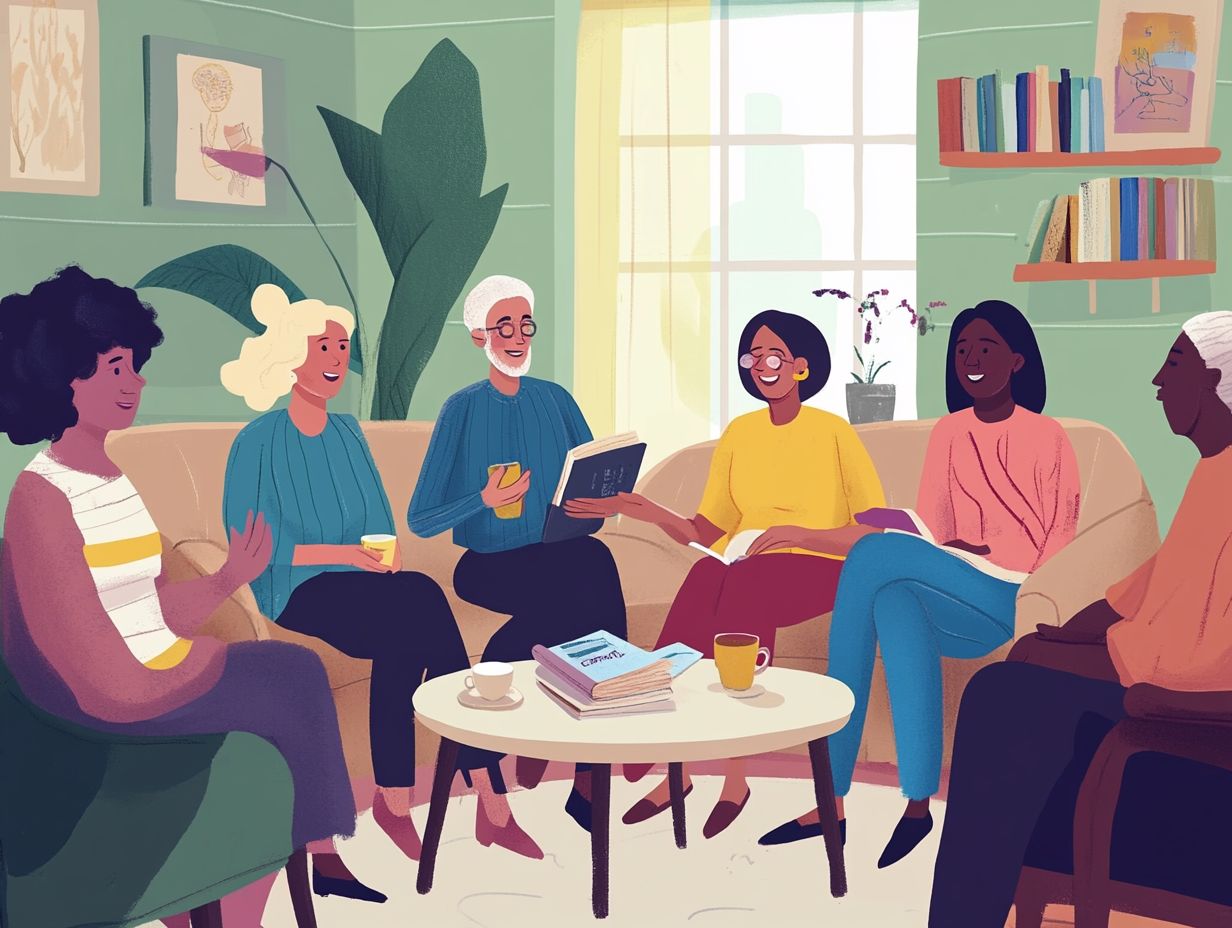
Emotional support includes counseling, therapy, and peer groups that provide understanding and reduce feelings of loneliness. Practical support involves help with daily chores, transportation, or managing medications. Peer support groups offer shared experiences and encouragement, while advocacy organizations provide valuable information and assistance with navigating healthcare or financial systems.
Maintaining and Nurturing Your Support Network
Keep nurturing your relationships by regularly staying in touch with family, friends, and support groups. Share your feelings, express gratitude, and participate in community activities or group discussions to strengthen your bonds. These ongoing connections are essential for emotional health, especially when facing the ups and downs of survivorship.
Overcoming Challenges in Your Support Network

Sometimes, misunderstandings or gaps in support can arise. Maintaining open and honest communication is key to overcoming these hurdles. If you find that your immediate network isn’t enough, don’t hesitate to seek help from advocacy groups or professionals experienced in cancer survivorship care.
Prioritizing Self-Care During and After Treatment
Taking care of yourself — through balanced nutrition, regular physical activity, mindfulness, and mental health support — is just as important as leaning on others. Activities like meditation, gentle exercise, and participating in support groups can lower stress and enhance your overall well-being. Remember, self-care is a powerful tool that works hand in hand with your support network to promote healing.
Where to Find More Support and Information
- National Cancer Institute offers survivor resources and support services
- Mayo Clinic provides guidance on coping after cancer treatment
- Cancer Support Community hosts local and online support networks
Frequently Asked Questions
1. How can I start building a support network after treatment?

Begin by reaching out to family and close friends about your needs. Ask your healthcare team for recommendations on local or online support groups, and consider connecting with cancer advocacy organizations. Remember, building a network is a step-by-step process—be patient and open to different sources of support.
2. Is having a support network really necessary after I finish treatment?
While not required, a support network can greatly improve your emotional health, reduce stress, and offer practical help, making your recovery smoother and less isolating. Many survivors find enhanced quality of life through these connections.
3. Where can I find support groups that fit my needs?
Talk with your oncologist or nurse for suggestions. You can search online for local cancer survivor groups or virtual communities based on your cancer type or demographics. Organizations like the Cancer Support Community offer various options to explore.
4. What should I expect from a support group?
Look for groups that provide a safe, welcoming, and non-judgmental environment where you feel comfortable sharing your experiences. Some groups are focused on specific cancers, age groups, or interests, so finding one that feels right for you is important.
5. Should I consider professional counseling after my treatment?
Many survivors benefit from counseling to process emotions and develop coping skills. If you’re feeling overwhelmed, anxious, or depressed, professional help can provide a confidential space to work through these feelings. Your healthcare provider can refer you to qualified mental health professionals.