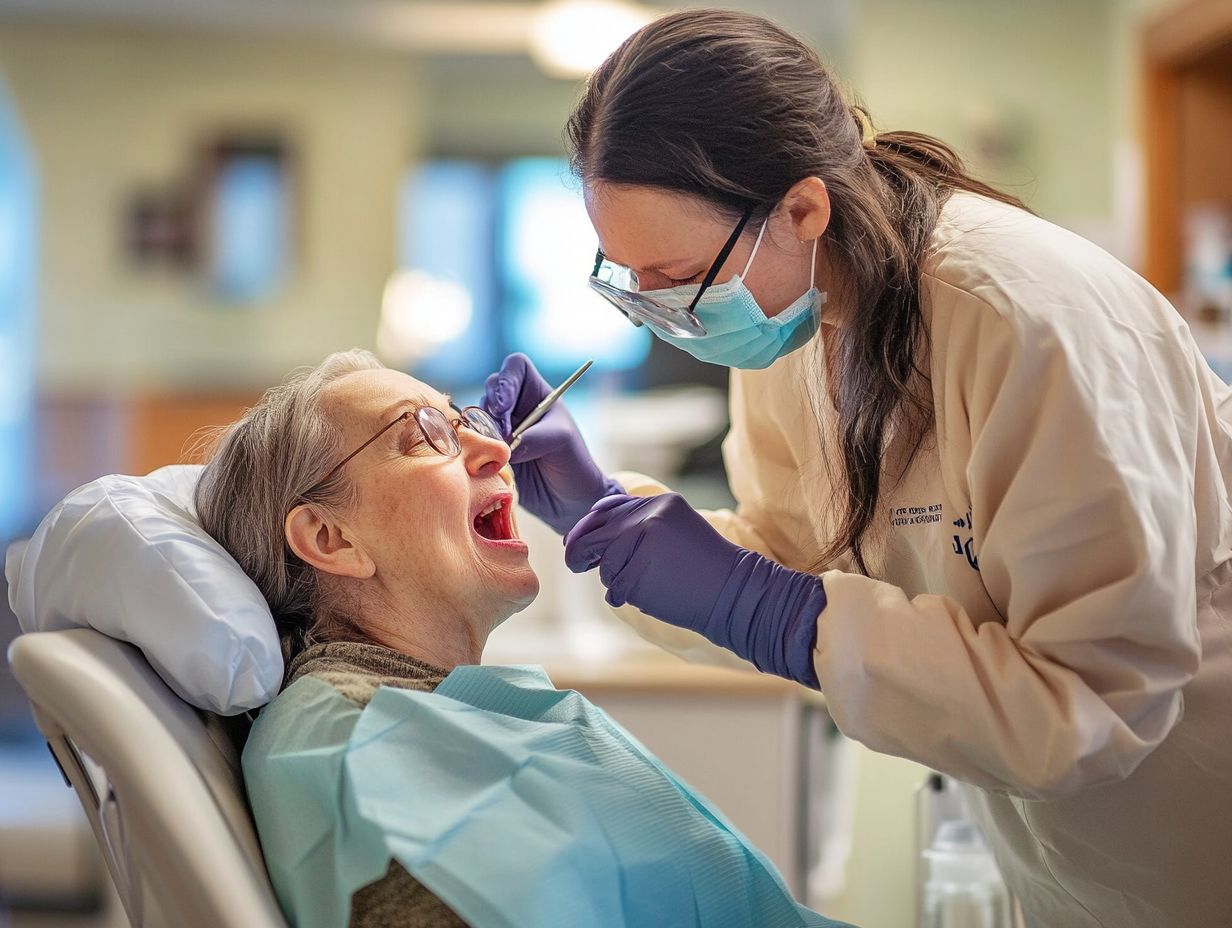
Mouth sores are a common and painful challenge during cancer treatment, but understanding what causes them and how to manage them can make a significant difference in your comfort and quality of life. These sores, known medically as oral mucositis, often develop because chemotherapy and other treatments damage the delicate tissues inside your mouth and lower your body’s defenses. By combining good oral care, appropriate treatments, and thoughtful nutrition, you can soothe discomfort and support healing throughout your cancer journey.
### What Causes Mouth Sores During Cancer Treatment?
Many cancer treatments, especially chemotherapy and certain medications like bisphosphonates, can reduce your white blood cells and weaken your immune system. This makes the lining of your mouth more vulnerable to inflammation and ulcers. Dry mouth (xerostomia), often a side effect of treatment, worsens irritation because saliva, which normally protects your mouth, is reduced. Poor oral hygiene or existing dental issues can also increase your risk. Recognizing these causes helps you take proactive steps to prevent or lessen mouth sores.
### Types of Mouth Sores You Might Experience
You may notice red patches, open sores, or ulcers inside your mouth. Oral mucositis presents as painful, inflamed areas that can make eating, drinking, and talking uncomfortable. Ulcers tend to be deeper and cause a burning sensation. Dryness-induced sores arise from insufficient saliva and can feel irritated or cracked. Regular dental checkups are important to catch these early and manage them effectively, so don’t hesitate to discuss any mouth changes with your healthcare providers.
### How Can You Manage Mouth Sores?
Managing mouth sores is a team effort between you and your healthcare team. There are several ways to ease your symptoms:
– **Medications and Topical Treatments:** Corticosteroids may reduce inflammation, while numbing gels like lidocaine or benzocaine can provide quick pain relief.
– **Advanced Therapies:** Photobiomodulation uses gentle laser light to accelerate healing, and cryotherapy (holding ice chips in your mouth) can reduce inflammation and discomfort during treatment.
– **Home Care:** Keep your mouth moist by drinking plenty of water, herbal teas, or broths. Soft foods like smoothies, yogurt, and cooked vegetables can help minimize pain while eating. Gentle rinses made from warm salt water or honey can soothe irritation.
Always check with your healthcare provider before trying new treatments to ensure they fit your personal care plan.
### Preventing Mouth Sores: What You Can Do
Prevention is key to minimizing mouth sores. Here are some practical tips you can use:
– Brush your teeth gently at least twice daily with a soft-bristled toothbrush.
– Avoid spicy, acidic, or rough-textured foods that can irritate your mouth.
– Rinse regularly with a mild saltwater solution to keep oral tissues clean.
– Stay well hydrated with water and non-citrus drinks to maintain saliva flow.
– See your dentist or oncologist regularly for checkups and personalized advice.
Organizations like the [Mayo Clinic](https://www.mayoclinic.org/diseases-conditions/mucositis/symptoms-causes/syc-20377117) and [National Cancer Institute](https://www.cancer.gov/about-cancer/treatment/side-effects/mouth-throat) offer additional guidelines to help you stay proactive.
### The Role of Nutrition During Cancer Treatment
Good nutrition is essential to support healing and maintain your strength during treatment. You might find it easier to tolerate soft, nutrient-dense foods such as smoothies, oatmeal, yogurt, and well-cooked vegetables. Prioritize foods rich in protein, vitamins A and C, and zinc, which help repair tissue and boost your immune system. Lean meats, dairy products, fresh fruits, and leafy greens are excellent choices.
If mouth sores make eating difficult, consider supplements like Omega-3 fatty acids or protein powders—discuss these with your healthcare provider to find what suits you best. Maintaining hydration with water, herbal teas, or broths is also critical to comfort and recovery.
### Frequently Asked Questions
**How do mouth sores develop during cancer treatment?**
Mouth sores usually happen because chemotherapy, radiation, or medications damage the cells lining your mouth. This damage causes inflammation, ulcers, and increases infection risks due to a weakened immune system.
**What signs should I watch for?**
Look for red or white patches, open sores, pain when eating or speaking, and difficulty swallowing. Severe symptoms include bleeding, swelling, or sores that don’t heal within two weeks.
**Are there ways to relieve mouth sore pain at home?**
Yes, gentle rinses with warm salt water, using numbing mouthwashes or gels, staying hydrated, and eating soft, bland foods can help ease discomfort.
**When should I see my doctor about mouth sores?**
If sores interfere with your ability to eat or speak, become very painful, or don’t improve after two weeks, consult your healthcare team promptly.
**Can I prevent mouth sores entirely?**
While prevention isn’t always possible, good oral hygiene, avoiding irritating foods, staying hydrated, and working closely with your healthcare providers can greatly reduce your risk and severity of mouth sores.
For more detailed support, you can visit the National Cancer Institute’s page on [Mouth and Throat Problems](https://www.cancer.gov/about-cancer/treatment/side-effects/mouth-throat) or watch expert advice from the [Mayo Clinic on YouTube](https://www.youtube.com/user/mayoclinic).
Taking an active role in managing your mouth health during cancer treatment can help you maintain comfort and nutrition, improving your overall treatment experience. Remember, your healthcare team is always there to guide you through any challenges along the way.