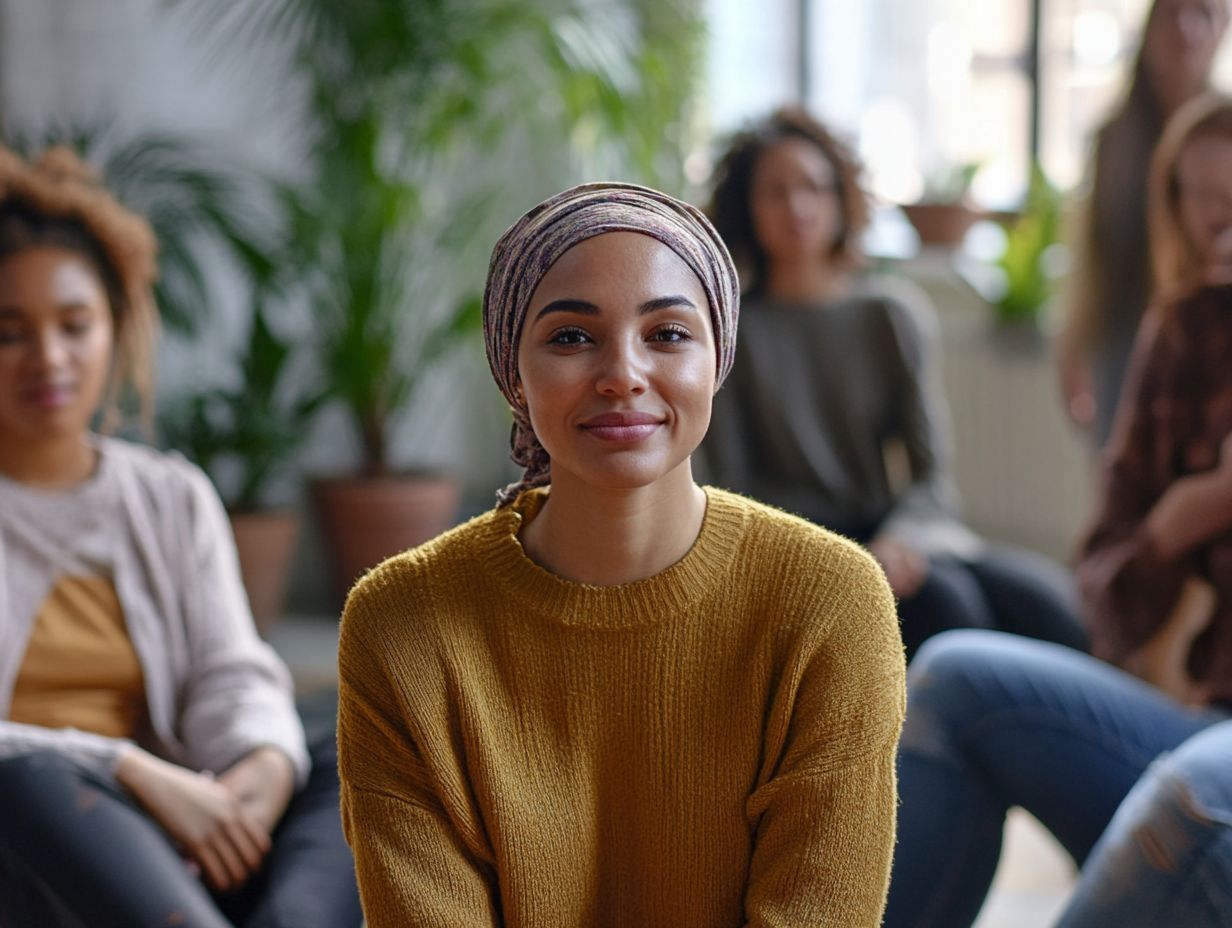
Facing the physical changes that come with cancer treatment can deeply affect how you feel about your body. While these changes—from hair loss to scars—are often difficult to accept, embracing your body’s strength and resilience is essential for your emotional well-being. This article guides you through understanding body image during cancer, practical strategies to nurture self-acceptance, and supportive resources that can help you maintain confidence and a positive outlook throughout your journey.
What Does Body Image Mean During Cancer?
When you hear “body image” in the context of cancer, it refers to how you perceive and feel about the physical changes your body experiences during treatment. Treatments like chemotherapy, radiation, or surgery can cause visible changes such as hair loss, scars, or changes in weight and body shape. These changes may alter how you see yourself, sometimes affecting your confidence and emotional health.
Understanding these feelings is important because your body image impacts not only your mood but also your overall quality of life during and after treatment.
How Cancer Affects Your Body Image
Cancer treatments can change your appearance in many ways. You might notice:
- Hair loss or thinning
- Scars from surgery or biopsies
- Weight fluctuations or changes in body shape
These physical changes can lead to feelings of loss, anxiety, or lowered self-esteem. It’s normal to struggle with how these changes affect your identity. Remember, you are more than your appearance.
Common Challenges to Feeling Good About Your Body
You might experience both physical and emotional hurdles as you adjust to your changing appearance:
- Physical challenges: Hair loss, scars, swelling, or weight changes can be hard to manage.
- Emotional challenges: Feelings of anxiety, sadness, or frustration about your body are common.
These challenges are part of the complex psychosocial impact of cancer, affecting how you relate to yourself and your surroundings.
Why These Challenges Matter
Facing these changes can feel isolating. Without support, negative thoughts about your body might affect your mental health and your relationships. But help is available—healthcare teams now recognize body image as a significant part of cancer care and can provide guidance and resources.
Practical Ways to Build a Positive Body Image
You can actively work toward feeling better about your body during treatment by adopting self-care and coping strategies tailored for cancer patients:
- Practice Mindfulness: Mindfulness exercises and meditation can help you stay connected with your body and reduce stress.
- Engage in Gentle Movement: Activities like yoga or stretching can improve your mood and help you appreciate what your body can do.
- Focus on Nourishment: Eating nutrient-rich foods supports healing and overall wellness.
- Set Realistic Goals: Celebrate small victories, like getting through a tough day or completing a treatment session.
- Prioritize Mental Health: Seeking therapy or counseling can provide tools for coping with feelings about your changing appearance.
Remember, it’s okay to have bad days—progress is about patience and persistence.
How Self-Care Makes a Difference
Taking time for yourself every day, whether through creative activities like art therapy or simple relaxation techniques, can strengthen your emotional resilience. These practices deepen your self-acceptance and remind you that your worth is not defined by how you look.
How Support Systems Help You Embrace Your Body
The people around you matter. Building a network of support—whether through friends, family, healthcare providers, or support groups—can make a big difference in how you feel about your body and yourself.
Why Social and Professional Support Are Essential
Friends and family can offer encouragement and reduce feelings of being alone in your experience. Meanwhile, professionals like therapists and counselors specialized in psychosocial oncology can provide strategies tailored to your needs.
You might find that connecting with others who understand your journey through cancer support groups helps boost your confidence and emotional health.
Learning to Embrace Yourself During and After Cancer
Acceptance and self-love aren’t always easy, but they are powerful tools for healing. Engaging in support groups and educational workshops on body image can help you shift your focus from looks to your inner strength and resilience.
Simple habits like focusing on what your body can do, practicing gratitude, and participating in activities that make you feel good help cultivate a positive mindset.
Remember Your Strength
Your body is fighting hard for you—it’s important to celebrate that courage and resilience. Supportive communities and healthcare professionals can guide you through this process and help you maintain hope.
Helpful Resources for Building Positive Body Image
Many organizations offer valuable tools and support to help you feel better about your appearance during cancer:
- American Cancer Society: Provides educational materials, support groups, and online communities focused on coping with body image.
- CancerCare: Offers free counseling and emotional support helplines tailored to cancer patients.
- Look Good Feel Better: Runs workshops to help with cosmetics and skincare during treatment to improve self-confidence.
Don’t hesitate to ask your healthcare team for recommendations—they can connect you with mental health professionals and peer support relevant to your situation.
Frequently Asked Questions
How can I maintain a positive body image during cancer treatment?
Focus on self-care activities that make you feel good, connect with supportive people, and remind yourself that your body is strong and resilient despite changes. Professional counseling and support groups can also be helpful.
What can I do to feel confident about my appearance?
Choose clothing and accessories that make you feel comfortable and empowered. Taking care of your grooming and hygiene can also boost confidence. Remember, confidence comes from how you feel inside, not just outside.
How should I cope with physical changes like hair loss or scars?
Understand that these changes are temporary or part of your healing process. Focus on what you can control, such as your attitude and self-care routines. Therapies like cognitive-behavioral therapy (CBT) can offer tools to manage difficult feelings.
Where can I find support if negative thoughts about my body arise?
Talking to a therapist or joining a cancer support group can provide emotional relief and help you develop positive coping strategies. Online communities and educational resources also offer guidance and connection.
How can I develop a kinder mindset toward my body during cancer?
Practice gratitude for your body’s strength, engage in gentle activities, and remember to be patient with yourself. Open communication with your healthcare providers can also help you feel supported and understood during this journey.