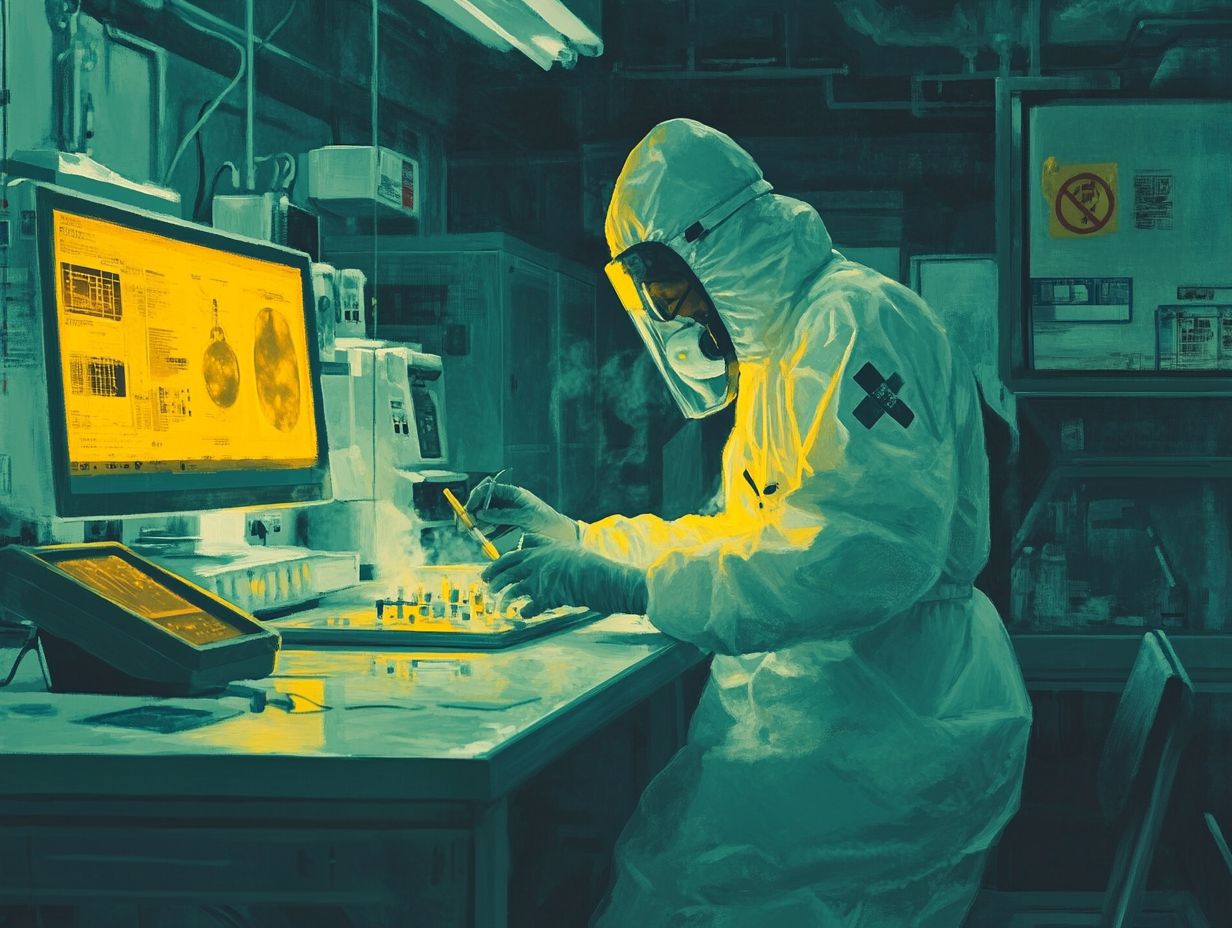
Wondering if long-term exposure to radiation could affect your health? While occasional exposure from medical imaging usually poses minimal risk, repeated or high-level radiation can lead to serious health issues including cancers like leukemia and thyroid cancer, as well as damage to organs and your immune system. Understanding where radiation comes from and how you can protect yourself helps you take control of your health and reduce potential risks.
How Does Long-Term Radiation Exposure Impact Your Health?
When your body is exposed repeatedly or to large amounts of ionizing radiation—such as X-rays or gamma rays—it can harm the DNA inside your cells. Damaged DNA that isn’t properly repaired may cause mutations, increasing your chances of developing cancers like leukemia, breast, or thyroid cancer. Research, including studies on survivors of atomic bombings, shows that children are especially vulnerable to these effects.
But cancer isn’t the only concern. Radiation can also cause skin changes such as redness, dryness, or blistering, which are similar to side effects experienced by patients in radiation therapy. If organs like your lungs, liver, or kidneys absorb enough radiation, they may become inflamed or scarred, which can lead to issues like breathing difficulties or kidney problems.
Your thyroid gland is especially sensitive to radiation exposure, which can cause conditions such as hypothyroidism (an underactive thyroid) or hyperthyroidism (an overactive thyroid). If you’ve had significant exposure, it’s important to have regular thyroid tests and ultrasounds to monitor your gland’s health. Radiation can also affect your heart and blood vessels by causing inflammation, which may increase risks of high blood pressure or heart disease.
If radiation exposure has involved reproductive organs, fertility could be affected, so discussing options to preserve fertility with your healthcare provider beforehand is critical. Additionally, high or repeated doses of radiation may impact your nervous system, potentially causing memory loss, cognitive changes, or neurological problems that may appear years later.
Other possible long-term effects include cataracts (clouding of the eyes’ lenses), reduced production of blood cells leading to anemia and weaker immunity, autoimmune disorders triggered by immune system changes, and chronic fatigue likely related to cellular damage affecting energy production.
Common Sources of Radiation You May Encounter
Radiation exists naturally in our environment and in many everyday settings. Knowing where it comes from can help you take steps to reduce your exposure:
- Medical Procedures: X-rays, CT scans, and radiation therapy are common medical uses of radiation. While often necessary, it’s wise to discuss with your doctor whether each test is essential and if safer alternatives exist.
- Natural Background Radiation: Cosmic rays from space and radioactive materials in the earth’s crust expose all of us to low-level radiation every day.
- Radon Gas: This radioactive gas can build up in homes, especially in basements, and increase the risk of lung cancer. You can test your home for radon and take steps to reduce it if levels are high. Learn more from the EPA Radon Program.
- Workplace Exposure: Certain professions, such as healthcare workers in radiology, nuclear power plant workers, and those handling radioactive materials, may face higher radiation exposure risks and should follow strict safety protocols.
Practical Steps to Protect Yourself from Radiation
You don’t have to accept radiation exposure as inevitable. Here are ways you can reduce your risk:
- Speak with Your Healthcare Provider: Before undergoing imaging tests, ask whether they are truly necessary or if alternative tests are available that don’t use radiation.
- Use Protective Gear: Lead aprons, shields, and radiation-blocking eyewear can help reduce your exposure during medical procedures or at work.
- Maintain Distance: Increasing your distance from radiation sources lowers your absorbed dose, so keeping far away when possible is beneficial.
- Limit Exposure Time: Spending less time near radiation sources also reduces your risk.
- Test Your Home for Radon: Radon test kits are affordable and easy to use; if your home’s levels are high, you can take corrective measures to protect your family.
- Follow Safety Standards: Employers and health providers should comply with guidelines from organizations like the International Commission on Radiological Protection (ICRP) and the National Council on Radiation Protection and Measurements (NCRP) to keep your work environment safe.
In situations involving unexpected or high radiation exposure, following instructions from emergency responders and health officials is essential to protect you and your loved ones.
When to Recognize Radiation Sickness and Seek Medical Care
After a significant radiation dose, you might notice early symptoms such as nausea, vomiting, and tiredness within hours. More severe exposure can cause skin burns, hair loss, bleeding, or impair your bone marrow function, which weakens your immune system. Prompt medical attention is vital to improve recovery and manage complications.
Trusted Resources for More Information
- National Cancer Institute: Radiation and Cancer Risk
- Mayo Clinic: Radiation Exposure and Safety
- EPA: Radon Information and Home Testing
Frequently Asked Questions
What health problems can result from long-term radiation exposure?
Long-term exposure increases your risk of cancers like leukemia and thyroid cancer. It can also cause mutations in DNA, thyroid and heart conditions, fertility challenges, skin and organ damage, weakened immunity, cognitive issues, and autoimmune diseases.
How does radiation affect pregnancy and the developing baby?
If you’re exposed to radiation during pregnancy, especially in the first trimester, there is a higher risk of birth defects, growth delays, and developmental problems. It’s important to avoid unnecessary imaging tests during pregnancy and use protective shields if imaging is needed. Always talk to your healthcare provider about any radiation concerns.
Are all types of radiation equally harmful?
No. Different radiation types — alpha, beta, and gamma rays — behave differently. Gamma rays penetrate deeply and can affect internal organs, while alpha particles don’t penetrate skin but are dangerous if inhaled or swallowed.
Which jobs have higher risks of radiation exposure?
Professions such as nuclear power plant workers, radiology and nuclear medicine staff, and those handling radioactive materials usually have higher exposure risks. These workers should follow strict safety measures to protect themselves.
Can repeated low doses of radiation cause health problems over time?
Yes. Even small doses, if accumulated repeatedly over time, can increase your risk of cancer and other health issues. Minimizing unnecessary radiation exposure whenever possible is a good practice.
By staying informed and taking proactive steps, you can reduce your exposure to radiation and protect your health. If you have specific questions or concerns, talking to your healthcare provider can offer personalized guidance and safety strategies.