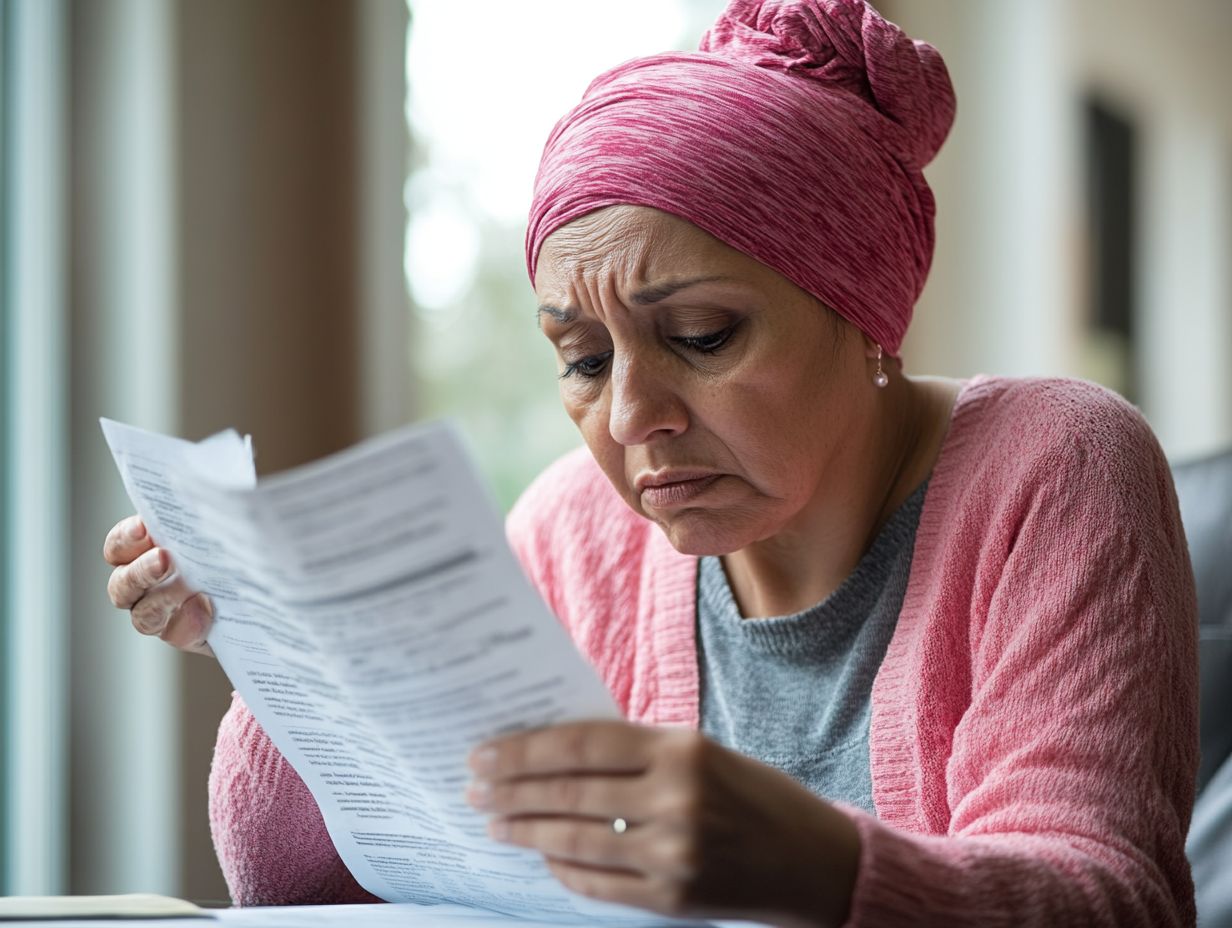
Understanding the signs of cancer relapse after remission is vital for early detection and effective management. If you have overcome cancer, being attentive to subtle changes in your body and emotions can help you act promptly. From physical symptoms like new lumps or persistent fatigue to emotional challenges such as anxiety, knowing what to watch for empowers you to maintain your health and seek timely care.
Recognizing Changes in Your Body and Health
After cancer remission, you might notice new or changing symptoms that deserve your attention. Unexplained weight loss, feeling continually tired, or discovering unusual lumps are physical signs that should prompt a discussion with your healthcare provider. Treatments like chemotherapy and radiation can cause side effects, but new symptoms might also signal a return of cancer.
Keep track of your energy levels and appetite. If you find yourself unusually weak, losing weight without trying, or struggling with eating, these may be signals your body is sending. Maintaining a nutritious diet and staying physically active can support your recovery and well-being.
Emotional Health Matters
It’s normal to feel anxious or fearful about cancer coming back. These emotions can affect your daily life and overall health. Engaging in support groups, talking openly with family or friends, and practicing relaxation techniques like meditation or journaling can help you manage anxiety and stress.
Watch for Changes in Pain, Sleep, and Bowel or Bladder Habits
New or worsening pain, difficulty sleeping, or changes in your bowel or bladder habits can also be important indicators. These symptoms may arise from treatment effects, but they should not be ignored. Discussing them with your healthcare team ensures proper evaluation and care tailored to your needs.
Importance of Regular Medical Monitoring
Regular follow-up appointments are crucial to monitor your health after remission. Blood tests that check complete blood counts, liver function, and tumor markers like PSA or CA-125 provide valuable insights into your body’s status. Imaging scans such as CT or PET scans help detect any cancer activity early.
Staying consistent with your medical visits allows your care team to detect changes promptly and adjust treatment plans as needed, including new medications or therapies. Clinical trials might also offer access to promising treatment options.
Understanding Risk Factors and Prevention
Your risk of cancer relapse could be influenced by genetic factors, lifestyle habits, and previous treatments. While some risks are beyond control, you can reduce your chances by adopting a healthy diet rich in fruits and vegetables, staying physically active, avoiding tobacco and excessive alcohol, and maintaining regular healthcare appointments.
Managing the Fear of Relapse
The fear that cancer might return is a common and understandable concern. Connecting with others who have similar experiences through support groups or counseling can provide comfort. Mindfulness practices and expressive activities like journaling can also help you process these feelings and enhance your emotional resilience.
Options If Cancer Returns
If cancer does relapse, treatment options depend on the type, location, and extent of recurrence. These may include chemotherapy, radiation, surgery, targeted therapies, immunotherapy, or participation in clinical trials.
Your oncologist will guide you through the best choices based on your individual situation, working with you to maximize treatment effectiveness and quality of life. Organizations such as the National Cancer Institute, Mayo Clinic, and American Cancer Society are excellent resources for reliable information and support.
How You Can Support a Loved One
If someone you care about is facing a cancer relapse, your support can make a significant difference. Listen with empathy, offer practical help, accompany them to appointments if they wish, and encourage activities that uplift their spirits. Being present and patient, while respecting their feelings, helps reduce isolation and stress during this challenging time.
Frequently Asked Questions
What are common signs that cancer may have returned after remission?
Signs can include new lumps, persistent pain, unexplained weight loss, fatigue, changes in bowel or bladder habits, and emotional changes like anxiety or depression. Always discuss new or worsening symptoms with your healthcare provider.
What should I do if I notice symptoms suggesting relapse?
If you experience any concerning signs, contact your doctor promptly. They can perform necessary tests to determine whether cancer has returned or if other health issues are causing the symptoms.
Can lifestyle changes reduce the risk of cancer relapse?
While no guarantee exists, maintaining a healthy diet, regular exercise, avoiding tobacco and excessive alcohol, and following your doctor’s guidance can help lower your risk and support overall health.
How often should I have follow-up appointments after remission?
Your follow-up schedule depends on your cancer type and treatment history. Generally, more frequent visits occur in the first few years after remission. Your healthcare team will tailor the plan to your needs to monitor for relapse effectively.
Are emotional changes normal after cancer treatment?
Yes, feelings like anxiety and depression are common. Seeking emotional support through counseling, support groups, or mental health professionals is important for your well-being.
For more detailed guidance, visit trusted sources such as the National Cancer Institute and the Mayo Clinic. These platforms offer comprehensive information on cancer care, symptoms, and support resources.