Receiving a cancer diagnosis often stirs intense emotions, with anger being a common but challenging response. Understanding where this anger comes from and learning how to manage it can help you maintain your emotional balance and improve your overall well-being during treatment. This article guides you through recognizing your feelings, finding healthy ways to cope, and transforming your anger into positive actions that support your healing journey.
Understanding Anger After Your Cancer Diagnosis

Feeling angry after a cancer diagnosis is completely normal. This anger can arise from fear of the unknown, frustration with treatment side effects, or a sense of losing control over your life. You may also experience sadness, anxiety, or loneliness alongside anger. Recognizing these emotions as natural responses is the first step toward managing them effectively.
Many patients find it helpful to talk openly with family, friends, or support groups to lessen feelings of isolation and gain emotional support. If you’re wondering why anger feels so strong, it’s helpful to know that it’s often linked to the uncertainty and challenges your diagnosis brings.
What Triggers Anger in Cancer Patients?
Your anger might come from unexpected physical symptoms like pain or fatigue caused by treatments such as chemotherapy or radiation. It can also stem from difficulty understanding medical information or frustrations with healthcare navigation. Sometimes, feeling powerless or worried about your future and loved ones’ well-being can fuel these strong emotions.
How Anger Can Impact Your Health
Unmanaged anger doesn’t just affect your feelings; it can impact your body’s health too. When anger goes unchecked, it may increase stress hormones, raise blood pressure, weaken your immune system, and elevate the risk of heart problems. Additionally, it can deepen feelings of anxiety or depression, making it harder to focus on healing.
Practical approaches like mindfulness meditation, gentle exercise, counseling, and leaning on supportive relationships can help reduce these health risks and improve your mood. The National Cancer Institute highlights the importance of emotional health as part of your overall cancer care (cancer.gov – Emotional Health).
Effective Ways to Manage Anger During Treatment
You don’t have to face your anger alone. Many patients find relief by learning coping techniques that provide emotional stability. These can include professional counseling, joining peer support groups, or using relaxation methods like controlled deep breathing or meditation.
Expressing what you feel in safe and constructive ways allows you to release tension without hurting yourself or others. Remember, seeking help is a sign of strength, not weakness.
Practical Tips for Coping
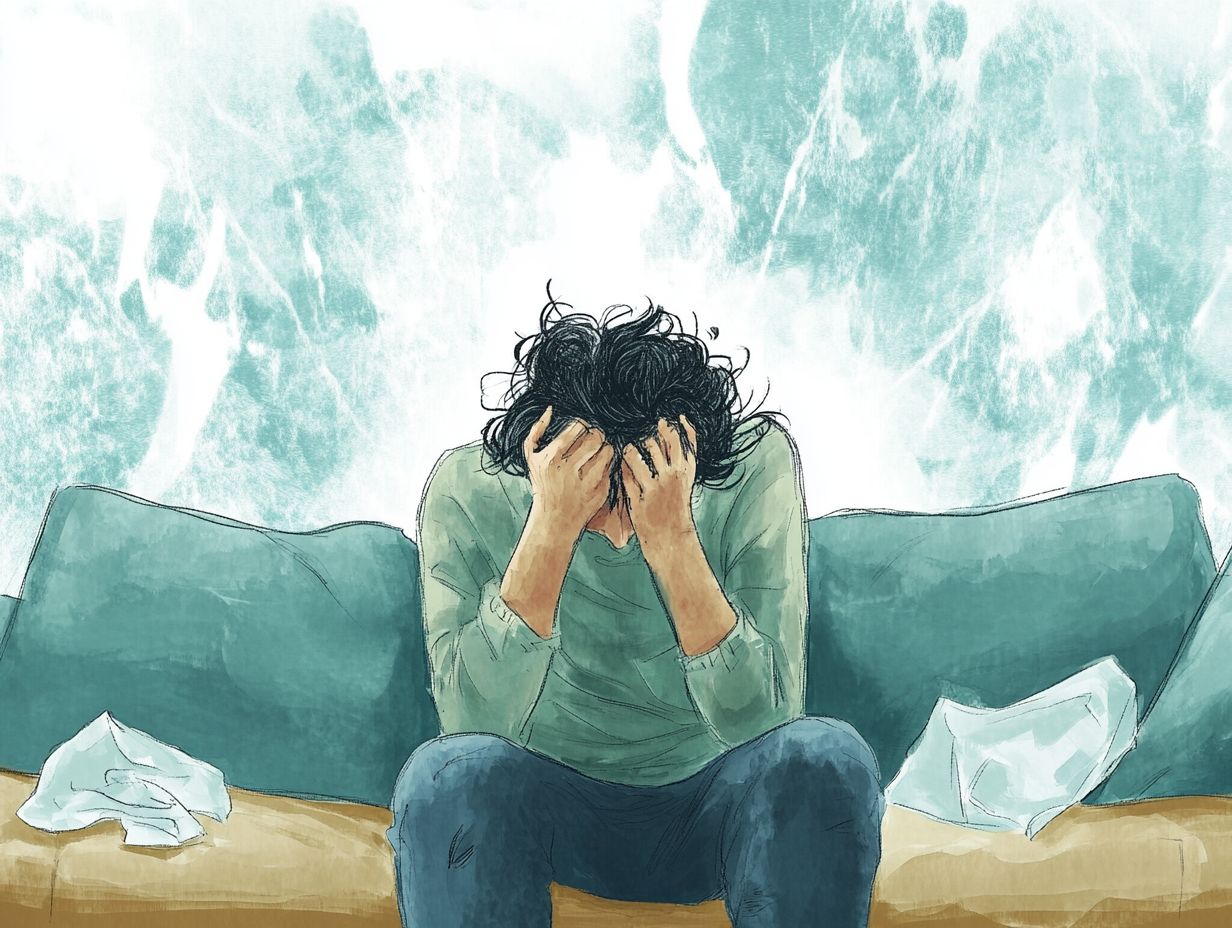
- Relaxation Techniques: Deep breathing, progressive muscle relaxation, or guided meditation can calm your mind and ease anger.
- Journaling: Writing down your feelings can clarify your emotions and provide a safe outlet.
- Physical Activity: Gentle exercises such as walking, yoga, or stretching release endorphins, natural mood boosters.
- Support Groups: Connecting with others who understand your experience can reduce feelings of loneliness and frustration.
Getting Help From Loved Ones and Professionals
Sharing your feelings with trusted friends and family can bring comfort and understanding. You might also consider professional support from psychologists, social workers, or counselors who specialize in cancer care. They can help you recognize anger triggers and teach you healthy ways to express your emotions.
Peer support groups offer a community of people facing similar issues, which can be very reassuring and empowering. For additional resources, consider organizations like the American Cancer Society’s support groups that connect patients with local and online communities.
Turning Anger into Positive Action
Your anger can become a source of motivation and healing if redirected toward positive outlets. Creative activities such as painting, writing, or music therapy provide meaningful ways to express yourself and process complex emotions.
Physical activities and advocacy work can also empower you and help transform frustration into purposeful action.
Creative Therapies That Help
Engaging in art or music therapy allows you to express feelings that might be hard to put into words. Writing, like keeping a journal or composing poetry, can help you understand your emotional landscape and track your progress.
These therapies promote relaxation, inspire hope, and build resilience.
Advocating for Yourself and Others
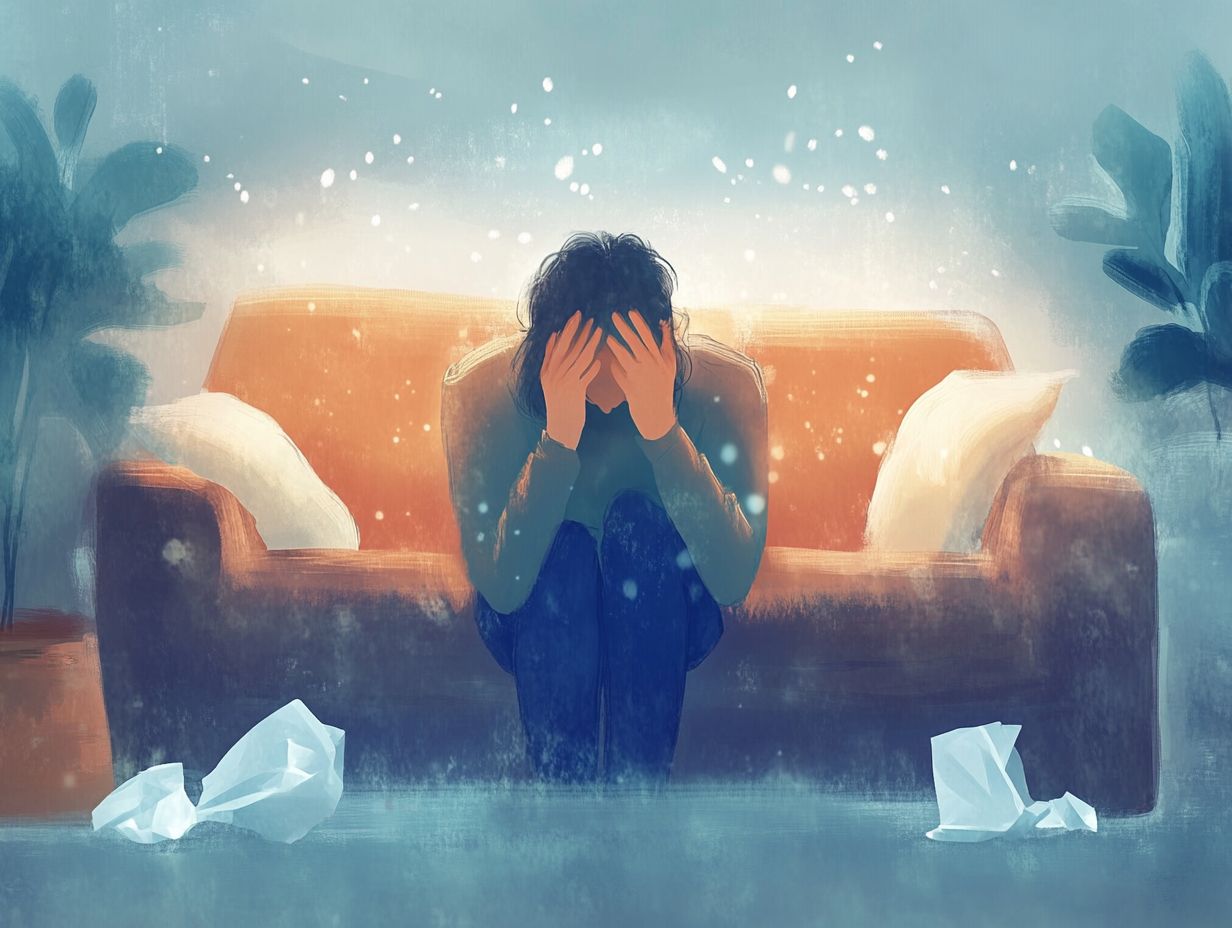
Taking part in cancer advocacy, awareness campaigns, or patient support networks can give you a sense of control and purpose. Advocacy helps you connect with others, amplifies patient voices, and works toward improving cancer care for everyone.
Getting involved might help turn feelings of anger into meaningful progress and community support. To explore advocacy opportunities, visit the National Coalition for Cancer Survivorship.
Finding Peace and Acceptance on Your Journey
Accepting your emotions and cultivating inner peace can dramatically improve your mental well-being during cancer treatment. This doesn’t mean ignoring anger but acknowledging it without judgment.
Mindfulness meditation and self-compassion nurture emotional resilience and help you face each day with courage.
How to Accept Your Feelings and Heal
Recognizing and allowing your emotions to exist without criticizing yourself is essential. Practice mindfulness exercises that ground you in the present moment, helping you develop kindness toward yourself.
Mayo Clinic offers accessible mindfulness tips that can help facilitate acceptance (mayoclinic.org – Meditation).
Moving Forward with Positivity
- Practice Gratitude: Focus on small blessings each day to boost optimism.
- Visualize Recovery: Imagine yourself healing and regaining strength.
- Build a Support Network: Surround yourself with understanding family, friends, and healthcare providers.
Maintaining a hopeful mindset can empower you to face treatment challenges with strength and resilience.
Frequently Asked Questions
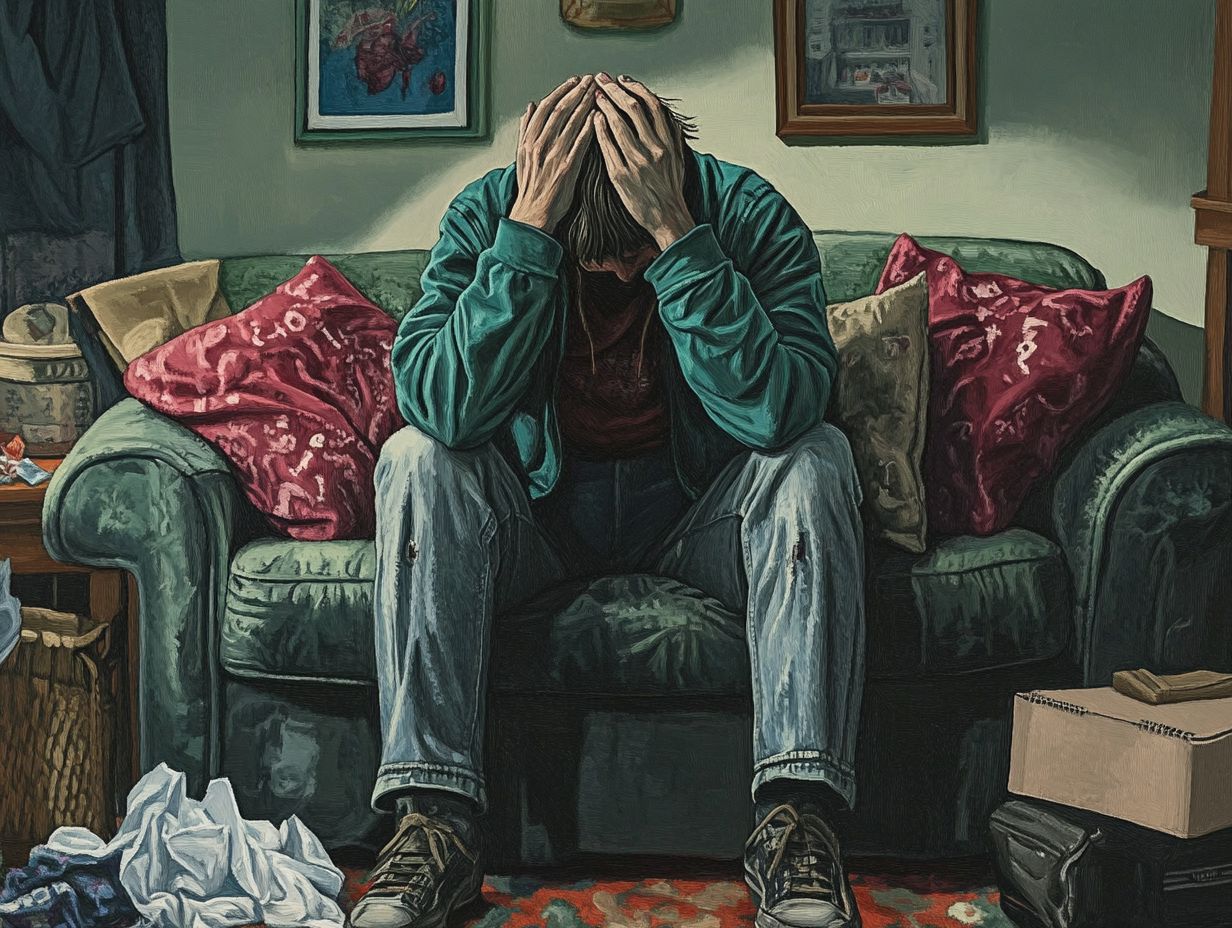
How Can I Manage My Anger About a Cancer Diagnosis?
It’s important to start by acknowledging that anger is a normal reaction. Try expressing your feelings through talking with loved ones or professionals, journaling, or physical exercise. Practicing relaxation techniques can also reduce tension and help you feel more in control.
Why Do I Feel So Angry About My Cancer Diagnosis?
You’re likely experiencing anger due to the fear, uncertainty, and changes cancer brings to your life. This response may also come from feeling powerless or frustrated by treatment challenges. These feelings are valid and understandable during such a difficult time.
What Are Healthy Ways to Express My Anger?
Consider talking to a therapist or joining a support group where you can share your experience safely. Activities like creative arts, physical exercise, or mindfulness meditation can also offer healthy outlets for your emotions.
How Can I Talk to My Family About My Anger?
Open communication is key. Try to share your feelings calmly and honestly, and let your loved ones know how they can support you. If needed, a counselor can help you and your family have constructive conversations.
When Should I Seek Professional Help For Anger?
If your anger feels overwhelming, persistent, or leads to harmful behaviors, seeking support from a mental health professional experienced in cancer care is important. They can guide you in developing coping strategies tailored to your needs.