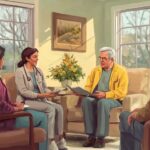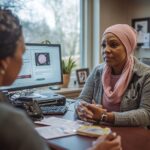
If you or a loved one is navigating cancer treatment or recovery, understanding how cancer rehabilitation programs can support you is vital. These programs offer more than just physical recovery—they work to restore strength, reduce pain and fatigue, support emotional wellbeing, and help you regain independence and quality of life. Tailored to your unique needs, cancer rehabilitation can complement your medical treatments at any stage, empowering you with practical tools and compassionate care to face the challenges of cancer and survivorship.
Discover the Comprehensive Benefits of Cancer Rehabilitation Programs
Cancer rehabilitation programs, like those provided by Brooks Rehabilitation, offer a holistic approach to healing by addressing the physical, emotional, and social challenges that cancer patients and survivors often face. These programs blend various therapies tailored to your personal situation, helping you regain strength, manage treatment side effects, and improve your overall wellbeing.
1. Improve Your Physical Functioning
After cancer treatment, you may experience decreased mobility or muscle weakness. Rehabilitation programs involve physical therapy, strength training, balance exercises, and other therapeutic activities designed specifically to help you rebuild your physical abilities. Guided by specialists such as physical therapists and exercise physiologists, these programs adapt to your progress, ensuring you regain your confidence and functional independence. Learn more about physical therapy benefits at the National Cancer Institute.
2. Manage Pain and Fatigue Effectively
Persistent pain and fatigue are common challenges during and after cancer treatment. Rehabilitation incorporates treatments like acupuncture, massage, occupational therapy, and cognitive-behavioral therapy (CBT) to alleviate discomfort and improve energy levels. These personalized approaches are designed to help you feel better and regain vitality so you can participate more fully in everyday activities.
3. Maintain Your Independence in Daily Life
Cancer and its treatments can make everyday tasks more difficult. Rehabilitation helps you develop strategies and provides tools to manage activities such as cooking, dressing, or driving with greater ease. Occupational therapy is central to this process, helping you adapt and maintain autonomy in your daily routines.
4. Enhance Emotional Well-Being Through Support
Facing cancer can affect your mental health, leading to anxiety, depression, or emotional distress. Rehabilitation programs often include counseling, CBT, mindfulness, and peer support groups to bolster your emotional resilience. Connecting with others who share similar experiences can provide comfort and reduce feelings of isolation. The American Cancer Society offers valuable resources on managing the emotional impact of cancer.
5. Learn and Apply Healthy Lifestyle Changes
Your rehabilitation journey also focuses on long-term health by encouraging nutritious eating and regular physical activity. These lifestyle habits can improve your immune function, help manage weight, and reduce the risk of cancer recurrence. Working with dietitians and exercise professionals, you’ll receive guidance tailored to your needs and preferences.
6. Reduce the Risk of Recurrence
Incorporating rehabilitation strategies such as regular exercise, balanced nutrition, and ongoing medical evaluation has been shown to lower the chances of cancer returning. These interventions support your body’s natural healing processes and help you stay strong throughout survivorship.
7. Improve Overall Quality of Life
By addressing a full spectrum of needs—physical, emotional, and social—cancer rehabilitation programs help you reclaim a fulfilling life. They foster community connections, encourage social interaction, and provide opportunities to engage in meaningful activities, contributing to improved day-to-day wellbeing.
8. Personalized Care Tailored to You
Each cancer journey is unique, so rehabilitation programs start with a comprehensive evaluation that considers your cancer type, treatments, personal goals, and lifestyle. This personalized plan evolves as you progress, ensuring that your care remains responsive and effective.
9. Accessible at Any Stage of Your Cancer Journey
Whether you are newly diagnosed, undergoing treatment, or in recovery, cancer rehabilitation can be integrated at any point. Early intervention—called prehabilitation—can even prepare your body before surgery or treatment, potentially improving outcomes and reducing complications.
10. Complement Traditional Cancer Treatments
Rehabilitation is designed to work alongside your medical treatments, addressing challenges that medications or surgery alone can’t fix. This integrative care model involves collaboration among oncologists, rehabilitation specialists, mental health professionals, and nutrition experts to support your healing in all dimensions.
11. Potential Financial Benefits Through Reduced Healthcare Costs
By helping you recover faster, manage symptoms effectively, and minimize complications, rehabilitation programs may reduce hospital readmissions and the need for additional medical interventions. Some insurance plans cover rehabilitation services, so it’s worth consulting your provider to understand available benefits.
Understanding Cancer Rehabilitation
What is Cancer Rehabilitation? Cancer rehabilitation is a set of specialized services aimed at helping you recover strength, function, and emotional health affected by cancer and its treatment. It includes therapies like exercise, nutritional counseling, psychological support, occupational therapy, and cognitive rehabilitation.
Who Can Benefit? Nearly all cancer patients and survivors, across types such as breast, lung, prostate cancer, and those experiencing treatment side effects like lymphedema, can benefit from rehabilitation. It is tailored to individuals’ unique circumstances regardless of treatment stage.
Types of Rehabilitation Therapies:
- Physical Therapy: Helps increase strength, flexibility, and mobility.
- Occupational Therapy: Focuses on adapting daily living activities.
- Cognitive Therapy: Addresses memory, concentration, and emotional challenges.
- Speech Therapy: Supports communication and swallowing difficulties as needed.
Duration: The length of rehabilitation varies, typically lasting from several weeks to months, depending on your progress and needs.
Safety and Risks: Rehabilitation programs are carefully customized to avoid overexertion or injury. Healthcare professionals regularly monitor your condition to adjust therapy safely.
Frequently Asked Questions
What are the main benefits of cancer rehabilitation programs?
These programs improve physical function, help manage pain and fatigue, support emotional wellbeing, assist in daily living, promote healthy lifestyle changes, and enhance your overall quality of life during and after your cancer journey.
How does cancer rehabilitation assist with physical recovery?
Rehabilitation helps restore your strength, flexibility, and mobility through guided exercise and therapy, making it easier to perform everyday activities and reducing treatment side effects.
What kind of emotional support is offered?
Programs provide counseling, cognitive-behavioral therapy, mindfulness training, and support groups to help you cope with anxiety, depression, and other emotional challenges.
Can cancer rehabilitation help me return to my daily routines?
Absolutely. Rehabilitation therapies help you relearn or adapt skills for self-care, work, and leisure activities to regain independence.
Is cancer rehabilitation covered by insurance?
Many insurance plans cover rehabilitation services related to cancer treatment. It’s important to check with your provider, as coverage can vary depending on your plan.
Learn More and Take the Next Step
If you’re interested in exploring how cancer rehabilitation can support your recovery and improve your quality of life, talk to your oncology care team or visit trusted resources like the National Cancer Institute or the Mayo Clinic’s guide to physical therapy for more information.