Cancer survivors often grapple with a range of fears following treatment, impacting their emotional and mental well-being. Fear of recurrence is prevalent, with anxiety about cancer returning affecting day-to-day life. Survivors also confront the fear of the unknown, worrying about treatment outcomes and potential health changes. Terms like “scanxiety,” coined by Suzanne Danhauer, Ph.D., from Wake Forest School of Medicine, describe the specific distress felt during follow-up appointments.
The fear of side effects and long-term impacts of treatment is another significant concern, often accompanied by anxiety about financial burdens due to ongoing medical expenses. Emotional and mental health challenges, such as anxiety and depression, can overshadow physical recovery, while fears of being judged or stigmatized may lead to isolation. Support from healthcare providers, including mental health professionals like Bradley Zebrack, Ph.D., from Indiana University, can be crucial.
Concerns about returning to normal life, losing support networks, and the ability to have children further compound these challenges. Moreover, fears related to missing out on life experiences and changes in relationships can hinder emotional recovery. Engaging in coping strategies such as acceptance and commitment therapy (ACT), as advocated by Karen Syrjala, Ph.D., from Fred Hutchinson Cancer Research Center, can be beneficial.
Addressing these fears through therapy, peer support, and community resources can significantly enhance the quality of life for cancer survivors, helping them navigate these emotional hurdles and build resilience. Programs like First Descents, which focus on outdoor adventures, provide opportunities for survivors to reconnect with life.
Key Takeaways:
1. Fear of Recurrence

Fear of recurrence in cancer survivors involves anxiety that cancer might return, affecting emotional health.
This fear can be managed with strategies like cognitive behavioral therapy, peer support, and open communication with healthcare providers.
Effective coping mechanisms help improve the quality of life and emotional well-being for survivors.
2. Fear of the Unknown
Cancer survivors often experience a fear of the unknown, which can increase anxiety and psychological distress. Bruce Feiler, author and columnist for Time, has shared his personal journey through cancer, highlighting the importance of facing these fears.
This fear stems from uncertainties about treatment outcomes and the possibility of recurrence.
Open communication with healthcare providers can reduce this fear by providing knowledge and fostering trust.
Coping strategies like digital storytelling and support groups help survivors share experiences and manage their fears.
3. Fear of Side Effects and Long-Term Effects
Fear of side effects and long-term effects refers to cancer survivors’ concern about treatment impacts on health and quality of life.
This fear can cause anxiety, making individuals worry about new symptoms.
Common side effects include:
- Fatigue
- Pain
- Emotional changes
Cancer survivors can manage these fears through education, support, and coping strategies like exercise and stress management. Digital storytelling and telehealth resources offered by community oncology programs can also provide valuable support.
4. Fear of Financial Burden
Cancer survivors often fear financial burden due to high treatment costs and potential income loss during recovery.
This fear includes concerns over ongoing medical expenses like follow-up appointments and medications.
Healthcare providers offer financial counseling services to help manage these costs.
5. Fear of Emotional and Mental Health Challenges
Fear of emotional and mental health challenges is common among cancer survivors who often experience anxiety, depression, and isolation following treatment.
These psychological challenges can overshadow physical recovery and influence a survivor’s overall well-being.
Recognizing and addressing mental health needs through therapies and support groups is essential for emotional healing and resilience.
6. Fear of Being Judged or Stigmatized
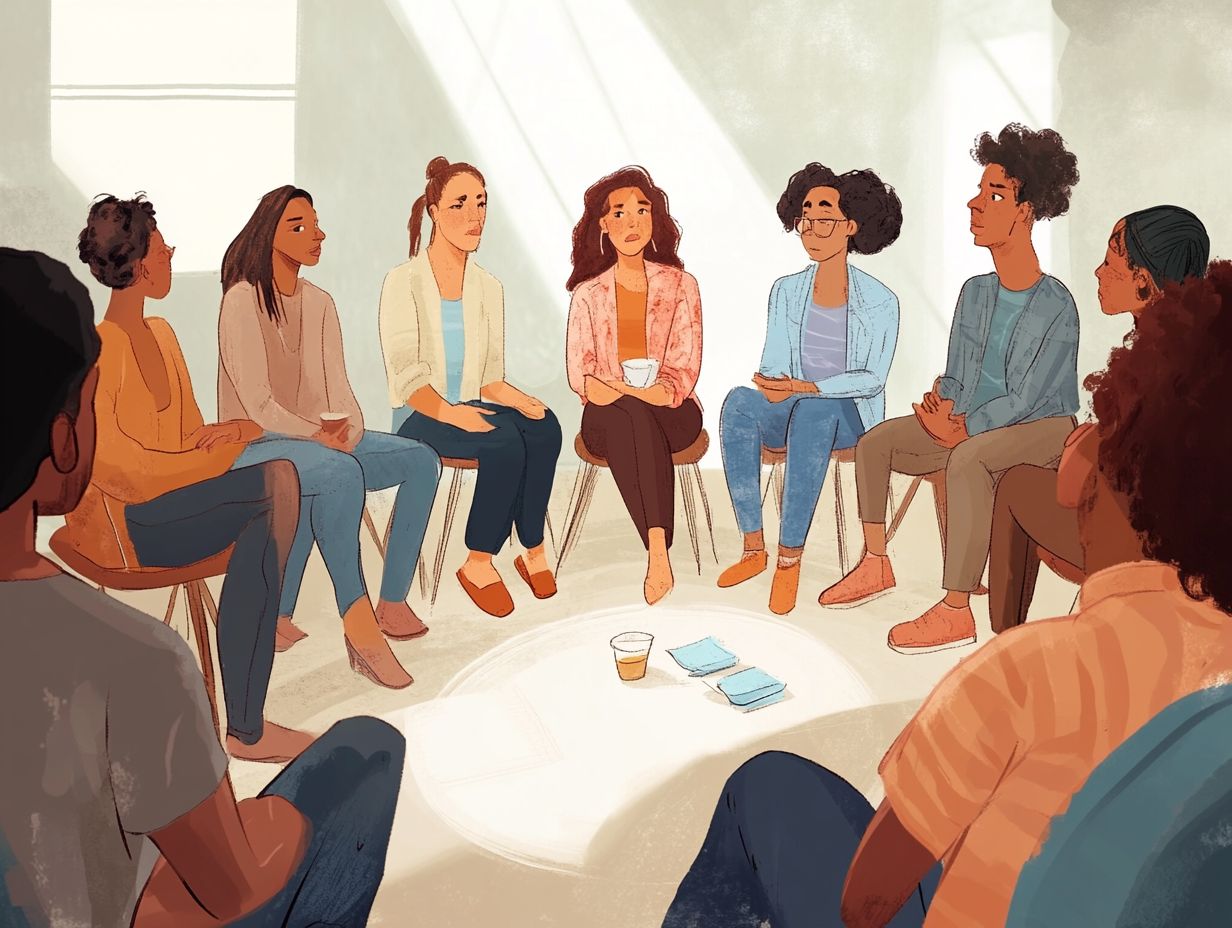
Cancer survivors often fear being judged or stigmatized, which can lead to isolation and anxiety.
Societal perceptions can negatively impact their emotional well-being and hinder their ability to engage in life.
Peer support networks help combat feelings of stigma by providing a sense of community.
Support groups and community activities help survivors regain their sense of belonging and resilience.
7. Fear of Not Being Able to Return to Normal Life
Fear of not being able to return to normal life affects many cancer survivors, impacting their emotional health and quality of life.
This fear includes anxieties about physical limitations and mental health challenges following treatment.
Coping strategies like regular exercise and stress management techniques can help survivors manage this fear and improve their emotional resilience.
8. Fear of Losing Support and Caregivers
Fear of losing support and caregivers is common among cancer survivors, stemming from concerns about strained relationships and abandonment post-treatment.
Cancer survivors often experience this fear during the transition from treatment to survivorship.
Support networks, including family, friends, and online communities, provide essential emotional stability.
Counseling services and peer support programs can help survivors build connections and reduce isolation.
9. Fear of Not Being Able to Have Children
Fear of not being able to have children is common among cancer survivors due to the impact of cancer treatments like chemotherapy and radiation on fertility.
Cancer treatments can affect reproductive capabilities, creating concerns about future family planning.
Fertility preservation options, such as egg or embryo freezing, are available for those considering parenthood after treatment.
10. Fear of Missing Out on Life Experiences
The fear of missing out on life experiences significantly affects cancer survivors, causing anxiety and emotional distress.
Cancer survivors may feel isolated and compare their lives to others, leading to sadness and hopelessness.
Coping strategies include engaging in telehealth resources for mental health support and participating in community activities to foster connections.
These steps help cancer survivors reclaim joy and find purpose post-diagnosis.
11. Fear of Changes in Relationships
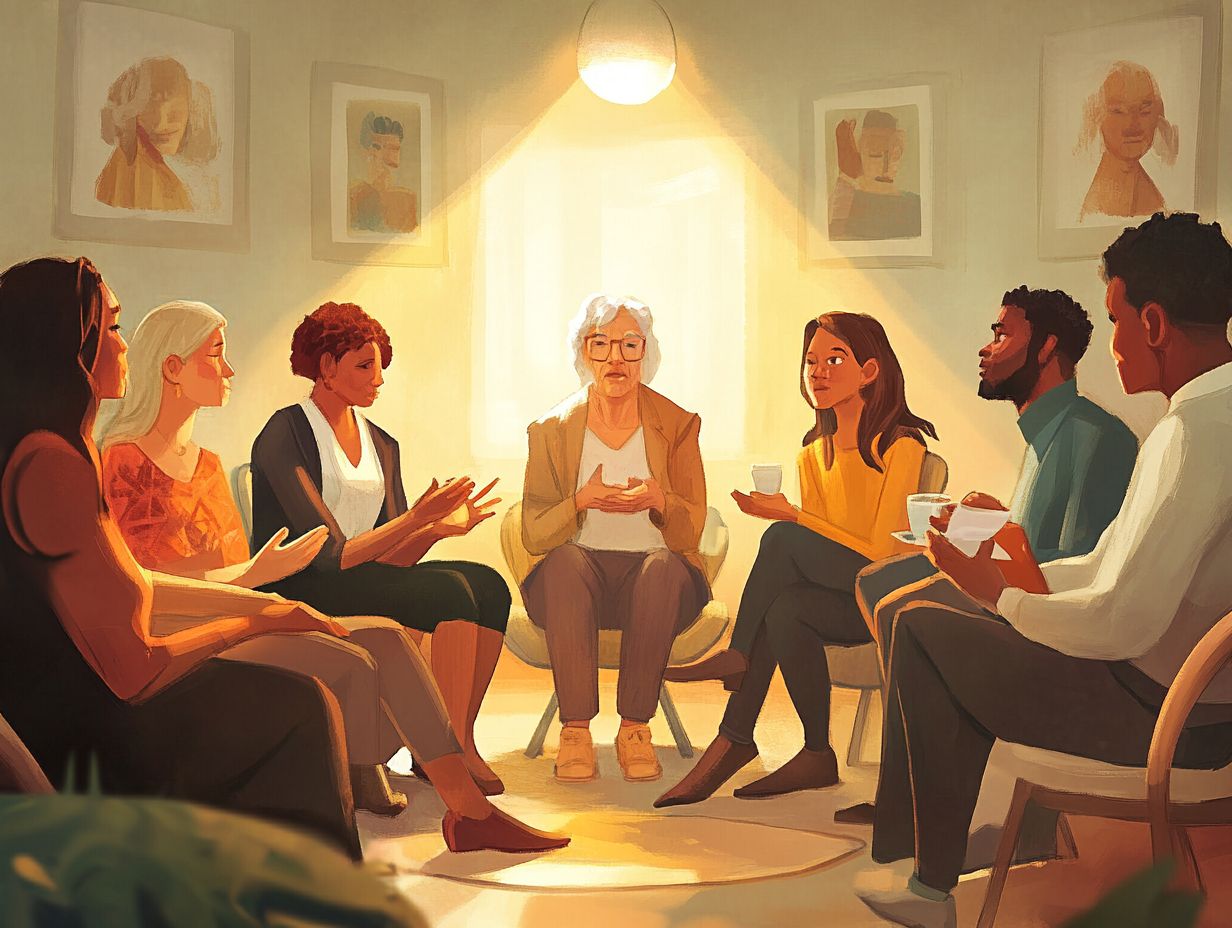
Fear of changes in relationships is a common concern for cancer survivors due to altered dynamics with friends and family.
This fear can lead to feelings of isolation and misunderstanding.
Open communication and peer support are essential for helping survivors navigate these changes.
Effective dialog fosters empathy and strengthens emotional health and resilience.
12. Fear of Not Being Able to Work
Fear of not being able to work after cancer treatment affects survivors by increasing anxiety about job loss and financial stability.
This fear involves uncertainty about re-entering the workforce and overcoming illness stigma.
Resources like job retraining and career counseling are available to assist survivors in returning to work.
13. Fear of Not Being Able to Afford Follow-Up Care
Fear of not being able to afford follow-up care affects many cancer survivors due to potential costs of scans, consultations, and therapies.
Financial assistance programs, nonprofit organizations, and community services offer resources to help cover follow-up care expenses.
These resources reduce financial stress and allow survivors to prioritize health and recovery.
14. Fear of Not Being Able to Find Meaning or Purpose in Life
Fear of not finding meaning or purpose in life after cancer can affect emotional health and quality of life for survivors. Engaging in self-management techniques and mindfulness practices can help address this fear.
This fear often arises due to health changes and uncertainty about identity and future roles.
Engaging in support groups and mindfulness can help survivors explore new passions and redefine goals. Institutions like Arizona State University offer programs that focus on helping cancer survivors find new paths and purposes post-treatment.
15. Fear of Death
Fear of death is a common emotional challenge faced by cancer survivors, often leading to anxiety and distress.
This fear can disrupt daily life through persistent worries about prognosis and anxiety during medical check-ups.
Peer support groups and therapeutic interventions help survivors manage this fear by providing emotional support and coping strategies.
How Can These Fears Be Addressed and Managed?

Fears faced by cancer survivors can be addressed through therapy, peer support, telehealth resources, and community programs. Suzanne Danhauer, Ph.D., emphasizes the importance of cognitive behavioral therapy for managing anxiety and distress.
Cognitive behavioral therapy helps in reframing negative thoughts. Peer support groups offer shared experiences. Telehealth provides easy access to mental health care. Community oncology programs, such as those supported by the National Cancer Institute (NCI), offer continuous emotional support.
Frequently Asked Questions
What Are the Most Common Fears After Cancer Treatment?
After completing cancer treatment, many individuals experience a range of fears and concerns. Some of the most common include:
- Recurrence of cancer
- Long-term side effects of treatment
- Emotional and mental health impacts
- Financial burden
- Changes in relationships
- Death
What are the chances of cancer recurrence after treatment?
The likelihood of cancer recurrence varies based on the type of cancer and individual health factors. Regular follow-up appointments and staying informed about potential risks are crucial.
The likelihood of cancer recurrence varies depending on the type and stage of cancer, as well as the type of treatment received. It is important to discuss your specific situation with your healthcare team to better understand your risk of recurrence. Researchers like Suzanne Danhauer, Ph.D., at the Wake Forest School of Medicine are constantly studying these factors to provide better insights.
What are some common long-term side effects of cancer treatment?
Some common long-term side effects of cancer treatment include fatigue, pain, lymphedema, neuropathy, and changes in hormone levels. These side effects can vary depending on the type and location of cancer, as well as the type of treatment received. Experts like Karen Syrjala from the Fred Hutchinson Cancer Research Center have conducted extensive research on these side effects.
How can I cope with the emotional and mental health impacts of cancer treatment?
Cancer treatment can take a toll on both physical and mental health. It is important to seek support from family, friends, and healthcare professionals. Counseling and therapy can also be helpful in managing anxiety, depression, and other mental health concerns. ACT (Acceptance and Commitment Therapy) and resources available through institutions like Arizona State University can provide valuable support.
Cancer treatment can take a toll on both physical and mental health. It is important to seek support from family, friends, and healthcare professionals. Counseling and therapy can also be helpful in managing anxiety, depression, and other mental health concerns. Specialists such as Bradley Zebrack, now at Indiana University, emphasize the importance of mental health care during and after treatment.
How can I manage the financial burden of cancer treatment?
Cancer treatment can be expensive, and many individuals fear the financial burden it may bring. It is important to speak with your healthcare team about potential costs and resources available to help manage expenses. Additionally, seeking financial counseling or assistance from organizations such as the NCI can also be beneficial. Programs like First Descents offer various forms of support to those impacted.
How can I navigate changes in relationships after cancer treatment?
Cancer can also have an impact on personal relationships, both with family and friends, as well as intimate partners. It is important to communicate openly and honestly with loved ones, and seek support from a therapist or support group if needed. It may also be helpful to establish boundaries and set aside time for self-care during this time. Bruce Feiler, a contributor to Time, often writes about the importance of relationships and support networks during major life changes.