Telling your children about a cancer diagnosis, such as melanoma or leukemia, can be a daunting task, but with careful planning and sensitivity, it can be managed effectively. This guide offers practical steps for talking to your children about your diagnosis, ensuring they feel informed, supported, and involved in the journey, with insights from healthcare professionals and resources like MD Anderson Cancer Center.
Communicating openly, choosing the right environment, and using age-appropriate language are vital in helping your children understand the situation. Additionally, addressing their feelings and questions, considering their emotional maturity, and preparing them for physical changes in your appearance and routine can ease the adjustment period.
Engaging them in your care process and seeking outside support, such as Camp Kesem or CLIMB support groups, also provides valuable emotional stability during this challenging time.
Key Takeaways:
Explaining the Diagnosis to Your Children
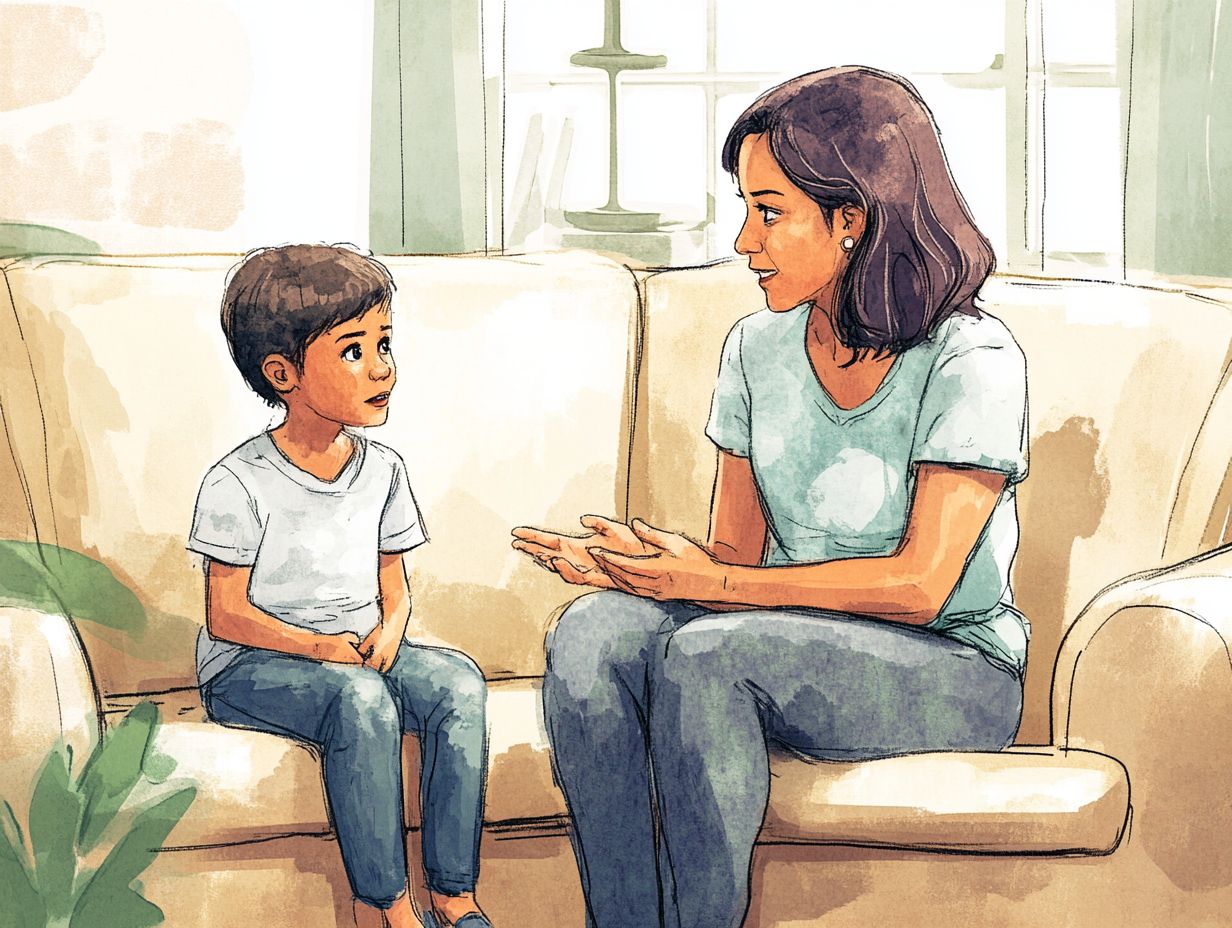
Explaining a cancer diagnosis to children involves using age-appropriate language, being honest about the situation, and providing reassurance.
Parents should explain the illness in simple terms, encourage questions, and offer support by addressing emotions and fears openly.
Consulting healthcare professionals for medical advice can help parents communicate effectively and ensure children feel informed and supported, providing trust and reassurance.
Choosing the Right Time and Place
Choosing the right time and place to discuss a cancer diagnosis with children involves selecting a familiar, comforting environment.
Choose a moment when children are calm and attentive, avoiding busy or distracting times, to facilitate understanding and emotional expression.
Using Age-Appropriate Language
Using age-appropriate language when discussing cancer with children helps them understand the situation without feeling overwhelmed.
For preschoolers, use simple concepts like ‘sick’ or ‘doctor’ and metaphors like ‘bad bug’ for cancer.
For preteens and teenagers, provide more detailed explanations about treatment, side effects, and emotional impacts.
Adjust conversations based on each child’s emotional maturity and reactions.
Addressing Their Feelings and Questions
Addressing children’s feelings and questions about a cancer diagnosis involves creating a supportive environment for open conversation and validating their emotions.
Parents should openly acknowledge children’s fears, answer questions honestly, and provide reassurance about their health and wellbeing.
Validating Their Emotions

Validating children’s emotions involves acknowledging their feelings without judgment, especially during stressful times like a cancer diagnosis.
Creating a safe environment for expression helps children manage anxiety and fear.
Engaging in conversations and using techniques like deep breathing and consistent routines support emotional management.
Open communication ensures children feel heard and supported.
Answering Difficult Questions
Answering difficult questions about cancer requires honesty and sensitivity. Provide accurate, age-appropriate information using simple language.
Address misconceptions like cancer being contagious or caused by poor lifestyle choices to clarify and reassure.
Encourage ongoing dialogue, allowing children to express their feelings and ask further questions.
Helping Them Cope with Your Treatment
Helping children cope with your cancer treatment involves preparing them for physical changes, fostering open communication, and providing emotional support.
- Explain treatment effects, encourage questions, and reassure children of your love and support.
- Use age-appropriate language and involve professional counseling if needed to help children understand and manage their emotions.
Preparing Them for Changes in Your Appearance and Routine
Preparing children for changes during cancer treatment involves discussing physical changes like hair loss and fatigue.
Explain how these changes may affect appearance and daily activities.
Support children emotionally by encouraging open communication and addressing fears.
Involve children in activities to adapt, such as choosing headwear, to help them cope with changes.
Encouraging Open Communication

Encouraging open communication with children about your cancer treatment helps them feel secure and supported.
Open communication allows children to share feelings, reducing anxiety and strengthening parent-child bonds.
Facilitate discussions by setting regular times for conversations, using age-appropriate language, and actively listening.
Supporting Your Children Through Your Cancer Journey
Supporting your children through your cancer journey involves providing emotional support, using clear communication, and connecting them with support groups for children of cancer patients.
Parents should explain the situation honestly, encourage children to express their feelings, and involve them in age-appropriate ways.
Providing stability, maintaining routines, and seeking professional help if needed can also help children cope with a parent’s cancer diagnosis and treatment.
Ways to Help Them Feel Involved and Included
Ways to help children feel involved and included during cancer treatment include engaging them in daily routines, allowing them to assist in planning family activities, and discussing feelings openly.
-
Engaging children in daily routines related to treatment fosters connection and enables them to contribute.
-
Allowing children to assist in planning family activities, like choosing meals or scheduling outings, encourages responsibility and creativity.
-
Discussing feelings and thoughts about the treatment openly helps normalize their emotional responses and cultivates healthy coping mechanisms.
Seeking Outside Support for Them and Yourself
Seeking outside support for cancer patients and their families provides emotional assistance and coping strategies during treatment.
Support groups for children of cancer patients, such as those offered by organizations like the American Cancer Society, offer a space to express feelings and connect with peers, providing mental health support and psychological support.
Healthcare professionals help families find these support networks to facilitate discussions and promote coping strategies.
Frequently Asked Questions

What is the best way to talk to my children about my cancer diagnosis?
The best way to talk to your children about your cancer diagnosis is to be open and honest with them. Use age-appropriate communication and explain to them what cancer is, how it may affect your family, and what treatments you will be undergoing, addressing any cancer myths.
When is the right time to talk to my children about my cancer diagnosis?
It is important to talk to your children about your cancer diagnosis as soon as possible. Children may sense that something is wrong and may be worried or scared. By talking to them early on, you can help alleviate their fears and prepare them for what’s to come.
How much information should I share with my children about my cancer diagnosis?
The amount of information you share with your children will depend on their age and maturity level. It is important to be truthful and provide enough information to help them understand the situation, but not overwhelm them with details that may be too difficult for them to process.
What if my children ask difficult questions about my cancer diagnosis?
It is normal for children to have questions about your cancer diagnosis, even difficult ones. If you are struggling to answer their questions, it is okay to tell them that you don’t know the answer or that you need some time to think about it. Be sure to follow up with them when you have a better answer, providing healthy coping strategies and emotional support.
How can I help my children cope with my cancer diagnosis?
One of the best ways to help your children cope with your cancer diagnosis is to maintain a sense of normalcy in their daily routine. This can help them feel more secure and less anxious. Also, encourage them to express their feelings and reassure them that it is okay to feel scared or sad.
What resources are available to help me talk to my children about my cancer diagnosis?
There are many resources available to help you talk to your children about your cancer diagnosis. Cancer support groups, therapy, and online communities like those referenced in the European Journal of Oncology Nursing and the Scandinavian Journal of Caring Sciences can provide guidance and support. You can also ask your doctor for recommendations or reach out to organizations such as the American Cancer Society for resources specifically for children, including children’s books about cancer and support from the National Cancer Institute.