Chemotherapy is a crucial cancer treatment option for various types of cancer, utilizing chemotherapy drugs to target and destroy rapidly dividing cancer cells. Patients and their families often have many questions about this treatment, ranging from its administration methods to side effects and effectiveness.
This guide addresses some of the most common questions about chemotherapy, a standard cancer treatment, such as:
- How Chemotherapy Works: Understanding the mechanisms of drug action and the different chemotherapy methods, including IV administration and oral chemotherapy.
- Types of Cancer Treated: Insight into which cancers respond well to chemotherapy.
- Side Effects: Overview of common side effects such as nausea and vomiting, hair loss, and blood count changes. Also, strategies to manage side effects are discussed.
- Treatment Duration: Typical timelines and the cyclical nature of chemotherapy sessions.
- Alternative Treatments: Exploring other treatment options like immunotherapy and targeted therapies.
For anyone navigating the complexities of chemotherapy, this comprehensive overview provides essential information to help make informed decisions and offer supportive care to loved ones undergoing treatment.
Key Takeaways:
1. What Is Chemotherapy and How Does It Work?
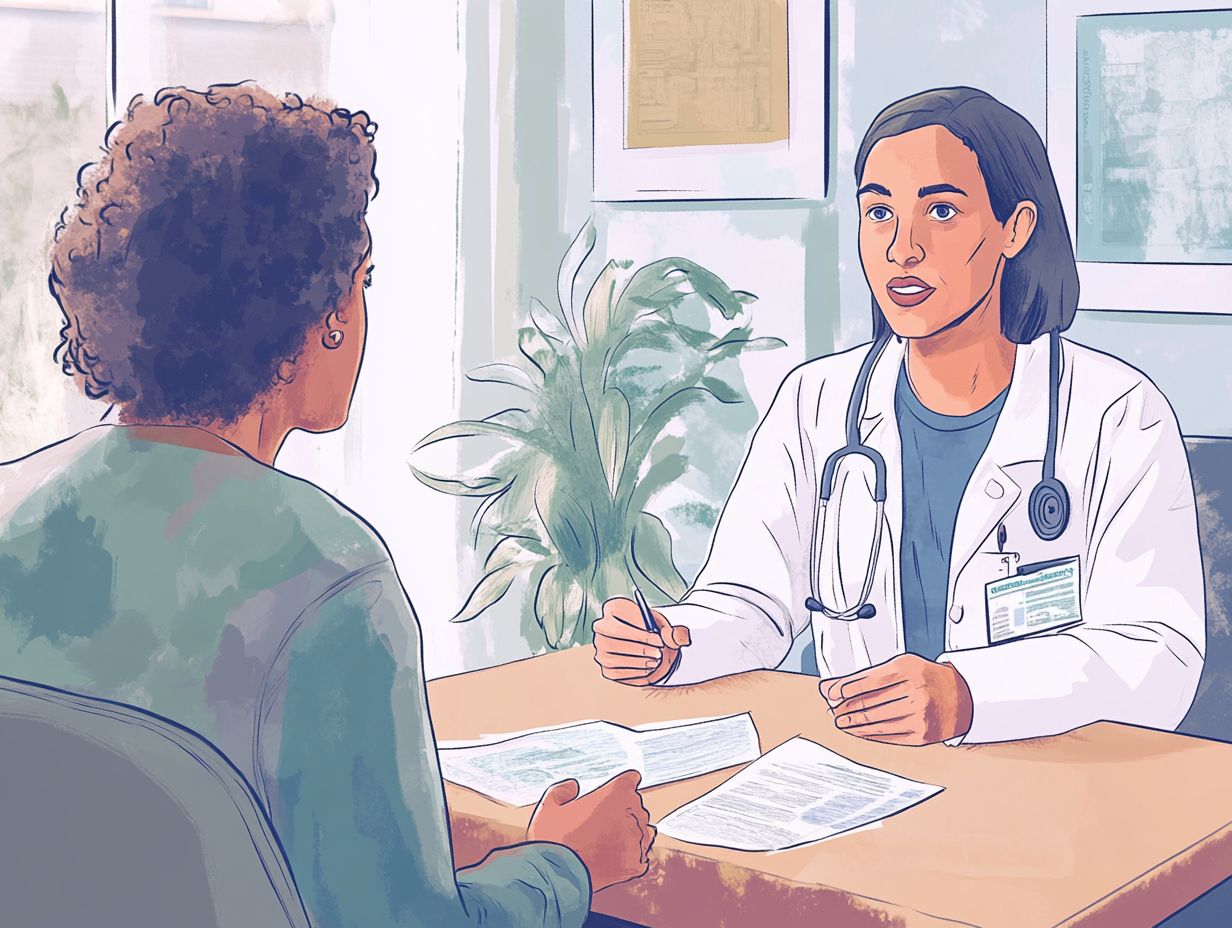
Chemotherapy is a cancer treatment method that uses drugs to destroy cancer cells.
Chemotherapy works by targeting cancer cells’ ability to grow and divide, often interfering with specific cell cycle phases or damaging DNA directly. This approach is crucial in the cancer treatment plan, as it helps manage leukemic cells and other aggressive types of cancer.
Methods include:
- Intravenous administration, which delivers drugs into the bloodstream for systemic distribution.
- Oral chemotherapy, allowing patients to take medication at home.
2. What Types of Cancer Can Be Treated with Chemotherapy?
Chemotherapy can treat various cancer types, including leukemia, lymphoma, breast cancer, lung cancer, ovarian cancer, and prostate cancer.
Chemotherapy targets rapidly dividing cells and is used for cancers with aggressive growth patterns.
Specific chemotherapy drugs are chosen based on cancer type to maximize treatment effectiveness.
3. How Is Chemotherapy Administered?
Chemotherapy is administered primarily through intravenous (IV) and oral methods.
Intravenous chemotherapy involves delivering drugs directly into the bloodstream for rapid effects.
Oral chemotherapy allows patients to take medication by mouth at home.
The choice of method depends on the type of cancer and patient needs.
4. What Are the Side Effects of Chemotherapy?
Chemotherapy causes side effects such as nausea, vomiting, hair loss, and blood count changes like neutropenia, which may require monitoring by the oncology nurse to prevent emergency room visits.
These effects result from chemotherapy’s impact on rapidly dividing cells, affecting both cancerous and healthy tissues.
5. How Long Does Chemotherapy Treatment Last?
Chemotherapy treatment typically lasts 3 to 6 months, depending on cancer type and individual response, with cycle treatment involving periodic drug administration and rest phases.
Treatment involves cycles, each with a period of drug administration followed by a rest phase for recovery.
Cycles usually range from 1 to 4 weeks and repeat over several months.
6. Can Chemotherapy Cure Cancer?
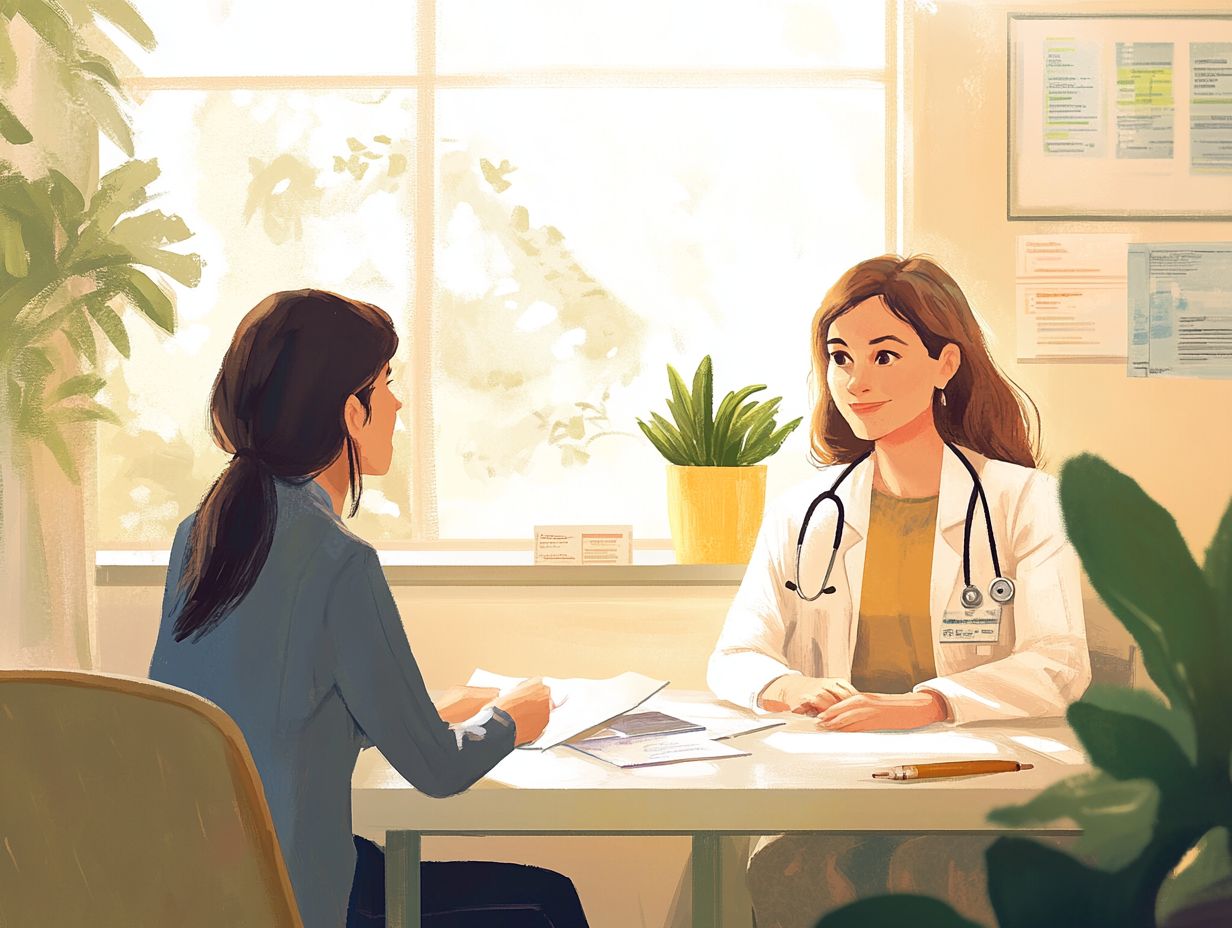
Chemotherapy can cure some cancers, such as certain types of lymphoma and testicular cancer, but its effectiveness varies depending on cancer type and stage, often requiring a collaborative approach from the health care team.
Chemotherapy is more effective for some cancers than others and often works best in combination with other treatments.
7. What Is the Success Rate of Chemotherapy?
The success rate of chemotherapy varies depending on cancer type and stage, with effectiveness ranging from 20% to 90%.
Success is influenced by factors such as early detection and patient characteristics.
Advancements in chemotherapy drugs and targeted therapies, supported by institutions like MD Anderson and the American Cancer Society, aim to improve outcomes and survival rates.
8. Are There Any Alternative Treatments to Chemotherapy?
Alternative treatments to chemotherapy include:
- Targeted therapies, which focus on specific cancer cell mutations,
- Immunotherapy, which boosts the immune system to attack cancer cells, and
- Participation in clinical trials, which offer access to experimental treatments.
Consultation with a healthcare team, including specialists in Houston, Texas, is essential to determine the suitability of these alternatives for individual cases.
9. How Can One Prepare for Chemotherapy Treatment?
Preparing for chemotherapy treatment involves understanding the treatment plan, managing side effects, and consulting with an oncology nurse.
Patients can prepare by:
- Maintaining a balanced diet with fruits, vegetables, and lean proteins,
- Engaging in light exercises like yoga, and
- Establishing an emotional support network.
Proactive communication with the oncology nurse, like Misti DeMargel, is essential for personalized advice and support during chemotherapy, ensuring optimal patient care.
10. Does Chemotherapy Affect Fertility?
Chemotherapy affects fertility by damaging reproductive cells in both men and women.
Fertility risks depend on the type and dosage of chemotherapy drugs.
Options like sperm banking for men and egg freezing for women help preserve fertility before treatment.
11. How Can One Manage Chemotherapy Side Effects?

Managing chemotherapy side effects involves using medications, lifestyle changes, and support from healthcare professionals.
Common strategies include:
- Taking anti-nausea drugs
- Following a balanced diet
- Using supplements for hair health
Gentle exercise and relaxation techniques help manage fatigue.
Oncology care teams provide personalized strategies for managing side effects.
12. Can Chemotherapy Be Used in Conjunction with Other Treatments?
Chemotherapy can be used in conjunction with other treatments, such as targeted therapy and immunotherapy, to treat cancer more effectively.
Combining treatments allows healthcare providers to attack cancer cells in different ways, improving patient outcomes.
13. What Is the Cost of Chemotherapy?
The cost of chemotherapy can vary widely, typically ranging from EUR 1,500 to EUR 8,000 per month, depending on the type of cancer, specific drugs, and treatment frequency.
Insurance coverage and financial assistance programs like the Pharmaceutical Benefits Scheme can impact out-of-pocket costs for chemotherapy, facilitating access to clinical trials and innovative treatments.
14. What Are the Long-Term Effects of Chemotherapy?
Long-term effects of chemotherapy include cardiovascular problems, secondary cancers, persistent fatigue, and cognitive changes.
Regular follow-up care is recommended to monitor these effects.
15. How Can One Support a Loved One Going Through Chemotherapy?
Support for a loved one undergoing chemotherapy involves managing side effects, assisting with everyday tasks, and fostering open communication.
Assistance can include:
- Cooking
- Cleaning
- Running errands
to ease their burden and allow rest.
Encouraging them to share treatment experiences helps with emotional well-being.
Frequently Asked Questions

What Are the Most Common Questions About Chemotherapy?
Chemotherapy is a common treatment for cancer, but it can also be confusing and overwhelming. Here are some of the most frequently asked questions about chemotherapy.
What is chemotherapy and how does it work?
Chemotherapy is a type of cancer treatment that uses drugs to kill cancer cells or stop them from growing and dividing. It works by targeting rapidly growing cells in the body, which includes cancer cells.
What types of cancer can be treated with chemotherapy?
Chemotherapy can be used to treat many types of cancer, including breast, lung, colon, and blood cancers. It may also be used to treat other conditions, such as leukemia, lymphoma, and certain autoimmune diseases.
What are the side effects of chemotherapy?
Chemotherapy can cause a range of side effects, including nausea, hair loss, fatigue, and changes in appetite. The specific side effects will depend on the type of chemotherapy drugs used and the individual’s response to treatment.
Will I lose my hair during chemotherapy?
Many chemotherapy drugs can cause hair loss, but not all of them do. Some people may experience only thinning of the hair, while others may lose all of their hair. This is a common side effect of chemotherapy and can be managed with scalp cooling or wearing wigs or head coverings.
Do I need to follow a special diet during chemotherapy?
It is important to maintain a healthy, balanced diet during chemotherapy to support your body’s immune system and energy levels. However, there is no specific diet that is recommended for all patients undergoing chemotherapy. It is best to consult with a registered dietitian for personalized dietary advice.
How long does chemotherapy treatment usually last?
The length of chemotherapy treatment will depend on the type of cancer being treated, the stage of the cancer, and how the individual responds to treatment. It may involve multiple cycles of treatment over a period of weeks or months. Your doctor will determine the best treatment plan for you based on your specific situation.