Keeping up with cancer treatments, tests, and medications can feel like a full-time job. With a few simple tools and habits, you can turn a confusing schedule into a clear plan that helps you stay on track, feel more in control, and get the most benefit from your treatment. This guide walks you through practical, patient-tested ways to organize your appointments, medicines, and symptoms so you can focus more on living your life during treatment.
What Your Cancer Treatment Schedule Actually Covers

Your treatment schedule is more than a list of appointments. It’s a roadmap that lays out:
- Which treatments you’re getting (for example, chemotherapy, radiation, surgery, immunotherapy, or targeted therapy)
- When you’ll get them (days, weeks, or cycles)
- What medicines you take at home and when
- Which blood tests, scans, or follow-up visits you need
- Who you’re seeing (oncologist, surgeon, radiation oncologist, nurse practitioner, etc.)
When you keep this schedule clear and up to date, it becomes much easier to:
- Show up on time for treatments and tests
- Take medications correctly (right dose, right time)
- Notice patterns in symptoms and side effects
- Share accurate information with your care team and loved ones
If you’d like more background on common cancer treatments, you can explore the National Cancer Institute’s overview here: https://www.cancer.gov/about-cancer/treatment/types.
Common Types of Cancer Treatment
- Chemotherapy: Uses powerful medicines to kill fast-growing cancer cells. It’s often given in cycles (for example, every 3 weeks).
- Radiation therapy: Uses high-energy beams (like X-rays) to destroy cancer cells in a specific area of the body.
- Immunotherapy: Helps your own immune system recognize and attack cancer cells.
- Targeted therapy: Focuses on specific changes in cancer cells (such as certain proteins or genes) to slow or stop their growth while limiting damage to healthy cells.
- Surgery: Removes cancer from the body and may be combined with other treatments before or after the operation.
What Shapes Your Personal Treatment Schedule
Your schedule is not “one size fits all.” Your care team designs it based on:
- Type and stage of cancer – for example, early-stage breast cancer vs. advanced lung cancer
- Your overall health – including heart, kidney, and liver function
- Other medical conditions – like diabetes, heart disease, or autoimmune disorders
- Medications you already take – to avoid harmful drug interactions
- Age and daily life – work, caregiving, or transportation needs may influence timing
If any part of your plan doesn’t fit your life (for example, early-morning appointments or travel distance), talk with your team. They may be able to adjust times, group appointments, or suggest support services.
For reliable guidance on planning and coordinating cancer care, see the Mayo Clinic’s resources: https://www.mayoclinic.org/tests-procedures/chemotherapy/in-depth/cancer-treatment/art-20046769.
Practical Methods to Keep Track of Your Treatment Schedule
You don’t need to remember everything in your head. A simple system that works for you is enough. Most people do best with a mix of paper tools and technology.
1. Using a Calendar or Planner
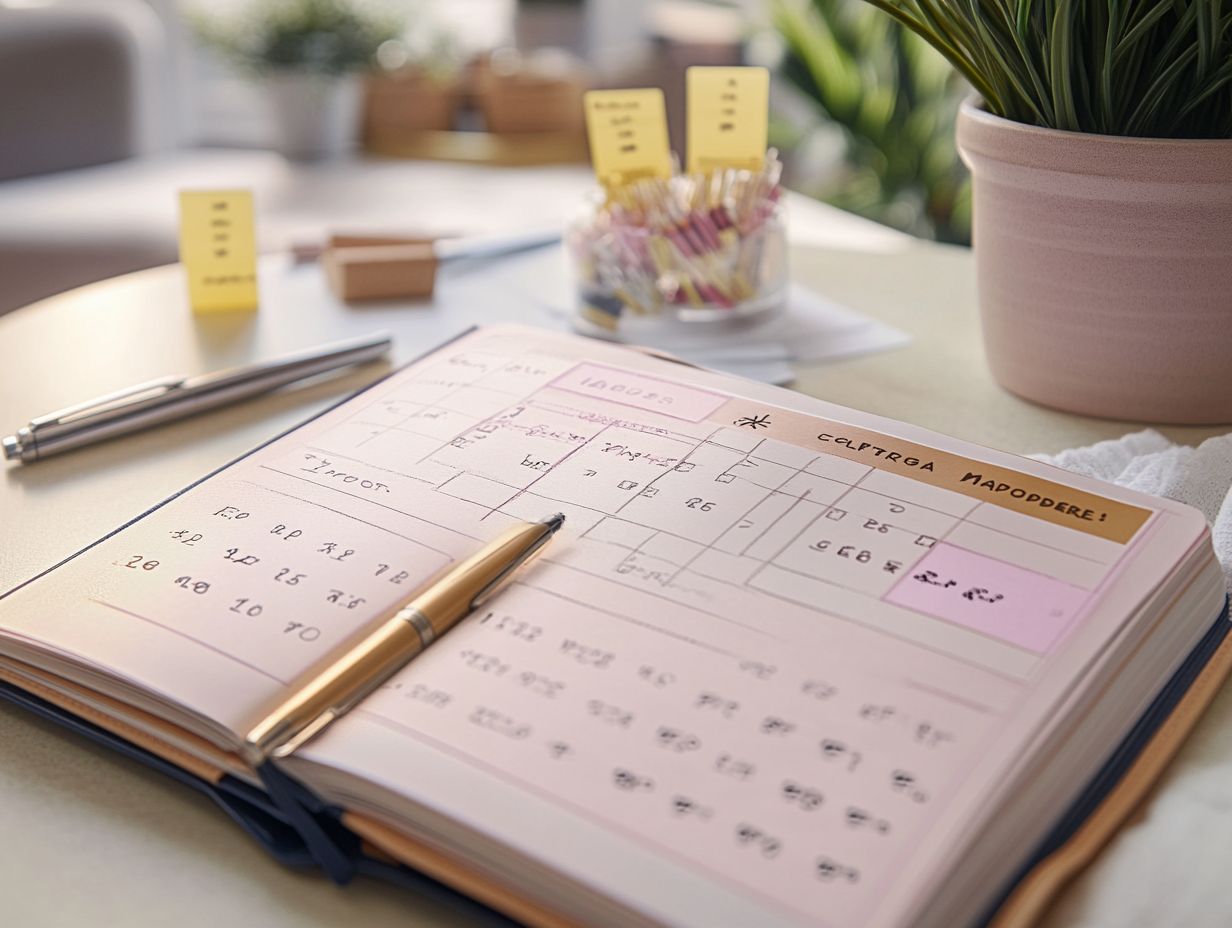
A calendar or planner is one of the easiest ways to see your entire treatment plan at a glance. You can use a wall calendar, notebook-style planner, or a digital calendar on your phone or computer.
To make your calendar work for you:
- Write down every appointment as soon as it’s scheduled: treatments, blood work, scans, and follow-up visits.
- Include home medications: mark times you take pills, injections, or other treatments at home.
- Use color-coding:
- One color for chemotherapy
- Another for radiation
- Another for tests or scans
- A different color for personal events or rest days
- Mark off completed items – checking things off can give you a sense of progress.
- Add simple symbols:
- A star (*) for days with strong side effects
- A smiley or a checkmark for “good days”
- A question mark to remind you to ask your doctor something
If someone close to you is helping, you might ask them to use the same calendar so you’re both looking at the same schedule.
2. Using Digital Calendars and Reminder Apps
If you use a smartphone or tablet, digital tools can reduce the stress of remembering everything.
You might try:
- Digital calendars (like Google Calendar, Apple Calendar, or Outlook)
- Add each appointment and set reminders (for example, 24 hours before and 2 hours before).
- Include the clinic address, doctor’s name, and any instructions (such as “don’t eat after midnight” or “arrive 30 minutes early for labs”).
- Medication reminder apps (such as Medisafe or MyTherapy)
- Set alarms for each medication dose, including “as needed” medicines like nausea pills.
- Mark doses as taken so you and your caregiver can see what’s been missed.
- Patient portals (offered by many hospitals)
- View your upcoming appointments and test results.
- Send non-urgent messages to your care team.
- Download visit summaries to store in your binder or folder.
If you already use a smartwatch or fitness tracker, you can often set reminders right on your wrist and track sleep, steps, or heart rate. These details can be useful to share with your care team when discussing fatigue or activity levels.
To explore digital tools and cancer apps, you can review suggestions from trusted organizations like Cancer Research UK: https://www.cancerresearchuk.org/about-cancer/coping/practically/organising/how-to-organise-your-cancer-care.
3. Keeping a Symptom and Side Effect Diary
Your memory can blur when you’re tired, in pain, or overwhelmed. A simple diary helps you and your doctors see what’s really happening day to day.
You can record in a notebook, on your phone, or in a symptom-tracking app. Each day, try to note:
- Symptoms – such as pain, nausea, fatigue, diarrhea, constipation, numbness, shortness of breath, or mood changes
- When they started and how long they lasted
- How bad they were on a 0–10 scale
- What you were doing or taking when they happened
- What helped – such as rest, medication, or food
Bring this diary to your appointments. It gives your doctors clear information to adjust doses, change medicines, or add supportive treatments (for example, anti-nausea drugs or pain control).
4. Staying Organized Day to Day
When you’re tired or not feeling well, even small tasks can feel hard. Setting up some simple systems now can help you later.
- Use a daily planner or “one-page” sheet
- List today’s appointments with times and locations.
- Write down medication times and doses.
- Leave space for notes and questions.
- Set phone reminders
- Alarms for medications, meals (if needed with meds), and appointments.
- Alerts to drink water or rest, especially on treatment days.
- Keep a contact list
- Oncologist, nurse line, pharmacy, infusion center, primary care, and emergency numbers.
- Names and numbers of key caregivers or family members.
- Organize your medical records
- Use a binder, accordion folder, or labeled envelopes.
- Include lab results, scan reports, treatment summaries, and medication lists.
- Keep a current medication list in your wallet or phone.
These steps can save time and reduce stress, especially in emergencies or when you meet a new doctor.
Working Closely with Your Healthcare Team
How to Communicate Effectively with Your Team
Your doctors, nurses, and other providers can help you manage your schedule, but they need to know what’s really happening in your daily life.
Before each visit, you might:
- Write down your top 3–5 questions.
- Bring your symptom diary and medication list.
- Note any missed doses or appointments and why.
During the visit, try to:
- Repeat key instructions back in your own words (“So you want me to take this pill twice a day with food?”).
- Ask for written instructions or a printed treatment calendar.
- Let them know if you’re struggling with transportation, work, caregiving, or costs—these can impact your ability to keep appointments.
After the visit, you can use your patient portal or a phone call to clarify anything you’re unsure about.
Managing Side Effects and Appointments Together
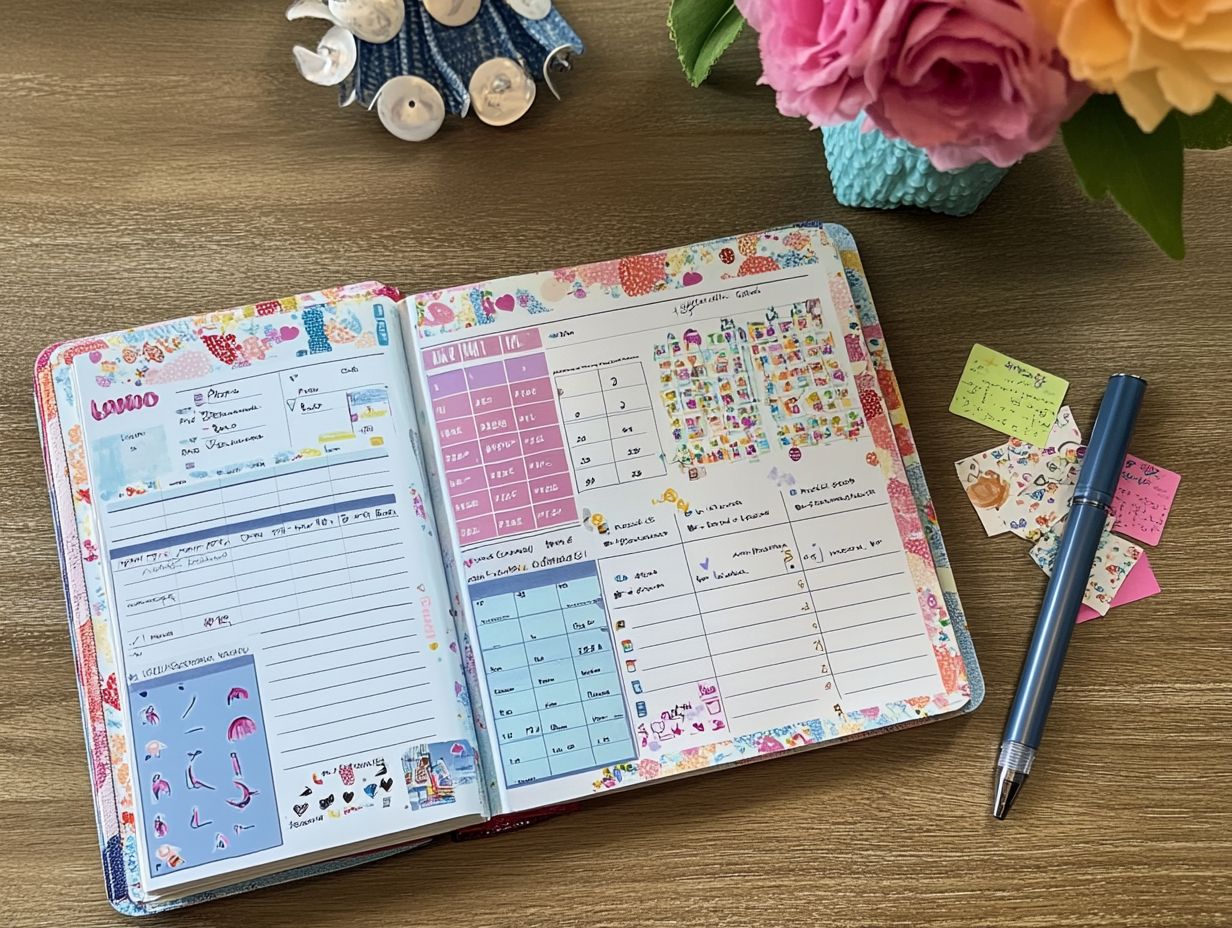
Your side effects often guide how your schedule changes over time. If you:
- Have severe nausea, vomiting, or diarrhea
- Notice new or worsening pain
- Have a fever (usually 100.4°F / 38°C or higher)
- Feel short of breath, very confused, or suddenly weak
call your care team right away. They may:
- Adjust medication doses or timing
- Change supportive medications
- Reschedule or delay a treatment to keep you safe
Also tell your team about any new medications or supplements you start, even over-the-counter or “natural” products. Some can interact with cancer treatments and change how well they work or increase side effects.
The National Cancer Institute offers a helpful overview of dealing with side effects here: https://www.cancer.gov/about-cancer/treatment/side-effects.
Why Following Your Treatment Schedule Matters So Much
Your treatment plan is designed based on research about how often and how long treatments should be given for the best chance of controlling or curing the cancer. When treatments or medications are frequently missed or delayed without medical guidance, they may become less effective.
How Adherence Affects Treatment Results
Sticking as closely as you can to your schedule can:
- Improve how well treatments control or shrink the cancer
- Reduce the chance of the cancer growing or spreading
- Help your team spot problems earlier and adjust quickly
- Make it easier to qualify for certain treatments or clinical trials
That said, life happens—and cancer treatment is hard. If you’re having trouble keeping up with your schedule due to side effects, mental health, finances, or logistics, let your team know. Their goal is to work with you, not against you.
Supporting Your Emotional Health and Outlook
You don’t have to “stay positive” all the time—that’s not realistic. But having emotional support can make it easier to follow your treatment plan and cope with the ups and downs.
You might find it helpful to:
- Lean on your personal support network—family, friends, faith communities, or neighbors.
- Join a cancer support group (in person or online) to talk with others who understand.
- Practice short calming activities like deep breathing, gentle stretching, or mindfulness.
- Set small, realistic goals (“Today I will take a short walk,” or “I will call to confirm next week’s appointments”).
- Talk with a counselor, social worker, or psychologist who has experience with cancer care.
If you’re feeling overwhelmed, depressed, or hopeless most days, tell your oncologist. Emotional health is part of your overall treatment, and help is available.
Key Takeaways
Key Takeaways:
- Use a calendar or planner (paper or digital) to record all appointments, treatments, and medications so you can see your plan clearly and avoid missed visits.
- Take advantage of technology—medication reminder apps, digital calendars, and patient portals—to get alerts, track doses, and access your schedule anywhere.
- Stay in close contact with your healthcare team about symptoms, missed doses, or scheduling problems so they can adjust your plan safely and support you.
Frequently Asked Questions

How can I keep track of my cancer treatment schedule without feeling overwhelmed?
You don’t have to track everything perfectly. Start with one main tool: either a paper calendar or a digital calendar on your phone. Write down (or enter) every appointment as soon as it’s made, and set reminders for yourself. Then add a simple medication reminder system (alarms on your phone or a medication app). If that still feels like too much, ask a trusted family member or friend to help manage the calendar with you.
What should I do if I forget an appointment or miss a treatment or dose of medication?
Call your healthcare team or clinic as soon as you realize it. Don’t feel ashamed—this happens to many people. Tell them exactly what you missed and when. They’ll let you know whether:
- You should take the missed dose right away or skip it
- You need to reschedule the appointment or infusion
- You need any extra blood tests or checks
Use this as a chance to adjust your reminder system so it’s easier to stay on track going forward.
Can I change my treatment schedule if I have work, childcare, or travel conflicts?
In many cases, yes—but only after talking with your oncology team. Some treatments have strict timing windows, while others can be moved a bit earlier or later. If you know about a conflict ahead of time, tell your team as early as possible. They may:
- Move your appointment to a different time or day
- Group multiple appointments on the same day
- Suggest support services (like transportation or home health) to help you keep critical visits
What if I have several appointments or treatments in one day and I’m worried I’ll get confused?
On days with multiple visits, create a simple “day-of” schedule on one page. List:
- Each appointment time
- Location (including which floor or building)
- Who you’re seeing and why (for example, “labs,” “oncologist,” “chemo infusion”)
- Any prep instructions (such as fasting or drinking extra water)
If possible, bring a friend or family member. They can help keep track of the timeline, take notes, and provide emotional support.
What should I bring to my appointments to stay organized?
It’s helpful to bring:
- Your insurance card and ID
- A list of your current medications (including vitamins and supplements)
- Your symptom diary or notes about how you’ve been feeling
- Questions you want to ask
- A notebook or your phone to jot down instructions
If you use a patient portal or apps, make sure you know your login information so you can access details while you’re at the clinic.
For more tips on preparing for appointments and making the most of your time with your care team, you can review guidance from the National Cancer Institute: https://www.cancer.gov/publications/patient-education/choices.