Trying to get your strength back after chemotherapy can feel overwhelming, but you are not alone—and there are proven steps that can help. The right mix of gentle, progressive exercise, nourishing food, and emotional support can boost your energy, rebuild your muscles, and help you feel more like yourself again. This guide walks you through what chemotherapy does to your body and how you can safely and steadily reclaim your strength and confidence.
Rebuilding strength after chemotherapy is vital for cancer survivors because it supports physical recovery, emotional well-being, and overall quality of life. While chemotherapy is often essential for treating cancer, it can leave you with fatigue, muscle weakness, weight changes, and emotional stress that may linger long after treatment ends.
If you understand how chemotherapy affects your body and take small, consistent steps toward recovery, you can gradually regain your vitality. This usually involves:
- Following a safe, structured exercise plan (as recommended by the American College of Sports Medicine and American Cancer Society)
- Eating a balanced, nutrient-dense diet that supports healing
- Using supportive therapies like yoga, mindfulness, and physical therapy to improve both body and mind
By focusing on physical activity, nutrition, and mental health, you can navigate your recovery more confidently, rebuild strength, and support long-term wellness.
Key Takeaways:
- Chemotherapy can significantly affect your physical and emotional health, but rebuilding strength after treatment is both possible and important.
- Exercise, nutrition, rest, and supportive therapies (like yoga or mindfulness) work together to restore your energy and muscle strength.
- Long-term strength and wellness come from sustainable lifestyle changes, self-care, and using support systems and professional guidance.
Understanding Chemotherapy and Its Effects

Chemotherapy uses powerful drugs to kill cancer cells or stop them from multiplying. These drugs travel through your bloodstream, which allows them to reach cancer cells throughout your body—but it also means they can affect healthy cells, especially those that divide quickly, such as blood cells, hair follicles, and cells lining your mouth and gut.
Because of this, chemotherapy can cause side effects like fatigue, nausea, hair loss, lowered immunity (more infections), and changes in appetite or weight. These effects can interfere with your ability to stay active, eat well, and feel emotionally balanced.
Understanding what is happening in your body can make it easier to be patient with yourself and to choose recovery strategies that match your current energy and abilities. For a detailed, medically reviewed overview of chemotherapy and side effects, you can visit the National Cancer Institute’s guide: What Is Chemotherapy?
What Is Chemotherapy?
Chemotherapy is not a single drug but a group of medications used in different ways depending on your cancer type and stage. Common treatment goals include:
- Adjuvant chemotherapy – given after surgery or radiation to kill any remaining cancer cells and reduce the risk of the cancer coming back.
- Neoadjuvant chemotherapy – given before surgery or radiation to shrink a tumor and make treatment easier or more effective.
- Palliative chemotherapy – used when curing the cancer may not be possible, but treatment can help control symptoms, slow growth, and improve comfort and quality of life.
Your oncologist chooses the specific drugs and schedule based on your type of cancer, general health, and treatment goals. These choices also influence what kind of side effects you may experience and how long they last.
Potential Side Effects That Affect Your Strength
Many people notice that they feel much weaker during and after chemotherapy. Some common side effects that affect strength and daily functioning include:
- Fatigue – a deep, persistent tiredness that does not fully improve with rest
- Muscle weakness and loss of muscle mass (sometimes called “deconditioning”)
- Nausea, vomiting, and appetite changes that make it hard to eat enough
- Neuropathy – numbness, tingling, or pain in hands and feet that can affect balance and walking
- Cognitive changes (“chemo brain”) – trouble with memory, focus, or multitasking
- Emotional changes – anxiety, sadness, or feeling “not like yourself”
These side effects can affect both your physical and emotional health. You may find that tasks that used to be easy—such as climbing stairs, carrying groceries, or even showering—suddenly feel exhausting.
Nutrition can play a major role in coping with side effects and supporting recovery. The American Cancer Society offers practical, evidence-based nutrition advice for people during and after treatment: Nutrition for People With Cancer.
Why Rebuilding Strength After Chemotherapy Matters
If you are feeling tired or weak after chemotherapy, it can be tempting to rest as much as possible and avoid activity. While rest is important, staying inactive for too long can cause your muscles and heart to weaken further, which may make fatigue worse.
Rebuilding strength—gently and gradually—is one of the most powerful tools you have to improve how you feel day-to-day and to protect your long-term health.
Impact on Your Physical and Mental Health
Chemotherapy affects your body and mind in interconnected ways:
- Physically, you may experience low stamina, shortness of breath with light activity, muscle weakness, joint pain, or balance issues. This can limit your independence and confidence.
- Emotionally, side effects and changes in your body can contribute to anxiety, low mood, irritability, or feeling isolated or “left behind” while others go about normal life.
Taking small steps to move your body and care for your emotional health can reduce these impacts. For example:
- Starting with light activity—such as a slow walk around your home or gentle stretching—can begin to rebuild stamina without overtaxing you.
- Practices like mindfulness, guided breathing, or short meditations can help calm your nervous system, improve sleep, and reduce anxiety.
Benefits of Rebuilding Strength
When you rebuild strength in a gradual, safe way, you can experience benefits in many areas of life:
- Improved muscle strength and function – makes it easier to stand up from a chair, walk longer distances, climb stairs, or return to favorite activities.
- Less fatigue – regular, moderate activity can actually reduce cancer-related fatigue over time.
- Better bone health – strength training and weight-bearing activities help protect against osteoporosis, which is especially important if you had treatments that affect hormones or bone density.
- Enhanced mood – exercise releases endorphins and can ease symptoms of depression and anxiety.
- Improved sleep – gentle activity during the day often helps you sleep more deeply at night.
- Greater independence and quality of life – feeling stronger can help you return to work, hobbies, and social connections more comfortably.
Many of these benefits are supported by clinical research. The American College of Sports Medicine and other expert groups now recommend that most people with cancer be as physically active as they safely can during and after treatment, with appropriate medical guidance.
Practical Ways to Rebuild Strength After Chemotherapy
Rebuilding strength after chemotherapy is not about pushing yourself hard. It is about starting where you are now and increasing activity in small, manageable steps. Listening to your body is crucial.
Before you begin, ask your oncologist or primary care provider:
- What types and intensity of exercise are safe for you right now
- Whether you should avoid any specific movements (for example, due to surgery, bone metastases, or low blood counts)
- If a referral to a cancer rehabilitation or physical therapy program would be helpful
Whenever possible, working with an exercise professional trained in oncology—such as a physical therapist, occupational therapist, or certified cancer exercise specialist—can make your routine safer and more effective.
Exercise and Physical Activity
If you feel too exhausted to even think about exercise, you are not alone. The goal is not to “power through” but to gently reintroduce movement in a way that fits your current level.
Over time, a balanced exercise program for cancer survivors usually includes:
- Aerobic (cardio) exercises to improve heart and lung health and reduce fatigue
- Resistance (strength) training to rebuild muscles
- Flexibility and balance exercises to reduce stiffness and prevent falls
Examples you might consider (with your doctor’s approval):
- Walking – start with 5–10 minutes at an easy pace and gradually add time as tolerated.
- Cycling on a stationary bike – gentle, low-impact way to build endurance.
- Light resistance training – using light dumbbells, resistance bands, or even your own body weight (such as wall push-ups, sit-to-stands from a chair, or gentle squats).
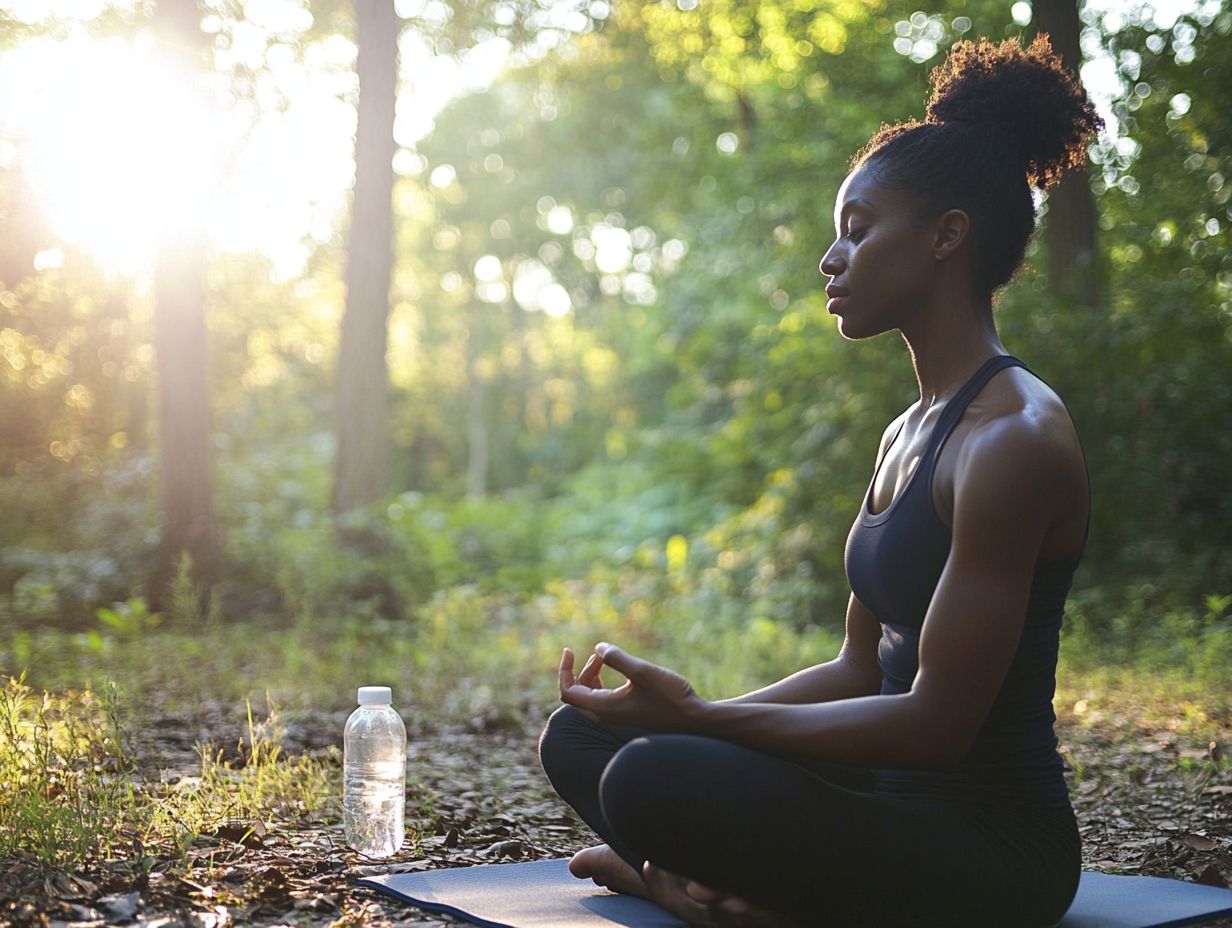
- Yoga and gentle stretching – can improve flexibility, posture, and relaxation. Many cancer centers and community programs offer yoga classes specifically designed for survivors.
Tips to keep in mind:
- Start slow and increase either the time or the intensity gradually, not both at once.
- Expect some mild tiredness or muscle soreness, but stop and talk to your care team if you feel chest pain, severe shortness of breath, dizziness, intense pain, or unusual symptoms.
- On difficult days, even a few minutes of light stretching or a very short walk counts as progress.
The American Cancer Society offers guidance on physical activity for survivors here: Physical Activity and the Cancer Survivor.
Diet and Nutrition
What you eat after chemotherapy can make a big difference in how you feel and how quickly your body rebuilds strength. You do not need a “perfect” diet, but focusing on simple, nourishing choices can support recovery.
In general, most survivors benefit from a pattern of eating that includes:
- Plenty of fruits and vegetables – aim for a variety of colors to get different vitamins, minerals, and antioxidants.
- Whole grains – such as oats, brown rice, quinoa, or whole-wheat bread for steady energy and fiber.
- Lean proteins – including fish, poultry, beans, lentils, tofu, eggs, or low-fat dairy to help rebuild muscle and repair tissues.
- Healthy fats – like nuts, seeds, avocado, and olive oil to support brain and heart health.
Additional tips that may help you:
- If your appetite is low, try smaller, more frequent meals and snacks rather than three large meals.
- Keep hydrated with water, herbal teas, or broths. Dehydration can worsen fatigue and headaches.
- If you have taste changes, nausea, or swallowing issues, ask your care team for a referral to an oncology dietitian. They can help tailor a plan to your exact needs.
- If you are trying to manage other risks like heart disease, diabetes, or osteoporosis, your diet can be adjusted to support these goals at the same time.
You can explore more detailed, evidence-based nutrition information from Mayo Clinic here: Cancer survivors: Healthy eating for better health.
Alternative and Complementary Therapies
Many people find that combining conventional medical care with safe, evidence-based complementary therapies gives them a more complete healing experience. These therapies are meant to support, not replace, your cancer treatment.
Options you might consider discussing with your care team include:
- Yoga – gentle, adapted yoga can improve flexibility, balance, strength, and mental clarity. Many survivors report less anxiety and better sleep.
- Acupuncture – may help with pain, nausea, hot flashes, or neuropathy in some people.
- Mindfulness and meditation – practices like guided imagery, breathing exercises, and body scans can reduce stress and improve your ability to cope.
- Massage or oncology massage – may ease muscle tension and promote relaxation, if done by someone trained to work safely with people who have had cancer.
Before starting any new therapy, talk with your oncologist or a rehabilitation specialist. A physical therapist or occupational therapist can also help safely integrate movement-based therapies like yoga or tai chi into your recovery plan and ensure you follow exercise safety guidelines.
Maintaining Strength and Wellness Long-Term

Rebuilding strength is not just a short-term project—it is part of your long-term survivorship plan. Even after you start to feel “better,” staying active, eating well, and caring for your emotional health can help reduce the risk of other health problems and may lower the chance of some cancers coming back.
If you think of your recovery as a series of small, ongoing steps instead of a race to the finish line, it can feel more manageable and sustainable.
Lifestyle Changes and Self-Care
Some lifestyle changes that can support long-term strength and wellness include:
-
Balanced, anti-inflammatory eating – emphasizing fruits, vegetables, whole grains, lean proteins, and healthy fats can support your immune system and help manage risks like heart disease and diabetes.
-
Regular physical activity – aiming, over time, for a mix of aerobic, strength, and flexibility exercises most days of the week, adjusted to your abilities and any medical limitations.
-
Mindfulness and stress management – meditation, deep breathing, journaling, or spiritual practices can help you cope with worries about recurrence, body changes, or life after treatment.
-
Adequate sleep and rest – prioritizing a regular sleep schedule and listening to your body’s need for breaks during the day.
These habits are not all-or-nothing. Even small improvements—like adding a 10-minute walk after dinner or including one extra serving of vegetables per day—can add up over time.
Support Systems and Resources
You do not have to go through recovery alone. Support can come from many places, and connecting with others often makes the process easier and less isolating.
Helpful support systems may include:
- Support groups – in-person or online groups for cancer survivors (including specific groups for certain cancers, such as lung or breast cancer) where you can share experiences and practical tips.
- Professional counseling – psychologists, social workers, or counselors experienced in oncology can help you process emotions, manage anxiety or depression, and adjust to life after treatment.
- Rehabilitation services – physical and occupational therapists, lymphedema specialists, and cancer rehab programs can design personalized plans to improve your strength, balance, and everyday function.
- Family and friends – asking for help with tasks like transportation, meal prep, or childcare can free up energy for your own recovery.
If you are not sure where to start, ask your oncology team about survivorship resources in your area or explore the National Cancer Institute’s survivorship information: Cancer Survivorship: Life After Cancer.
Frequently Asked Questions
How can I start rebuilding strength after chemotherapy if I feel exhausted?
If you are very tired, begin with very small, gentle steps. This might mean a 5-minute slow walk, or simple chair exercises and stretching once or twice a day. The goal is simply to move a bit more than you did yesterday, not to push yourself to the point of feeling unwell. Always check with your doctor before starting, especially if you have heart or lung issues, very low blood counts, or significant pain.
What kinds of exercises are safest when I am just finishing chemotherapy?
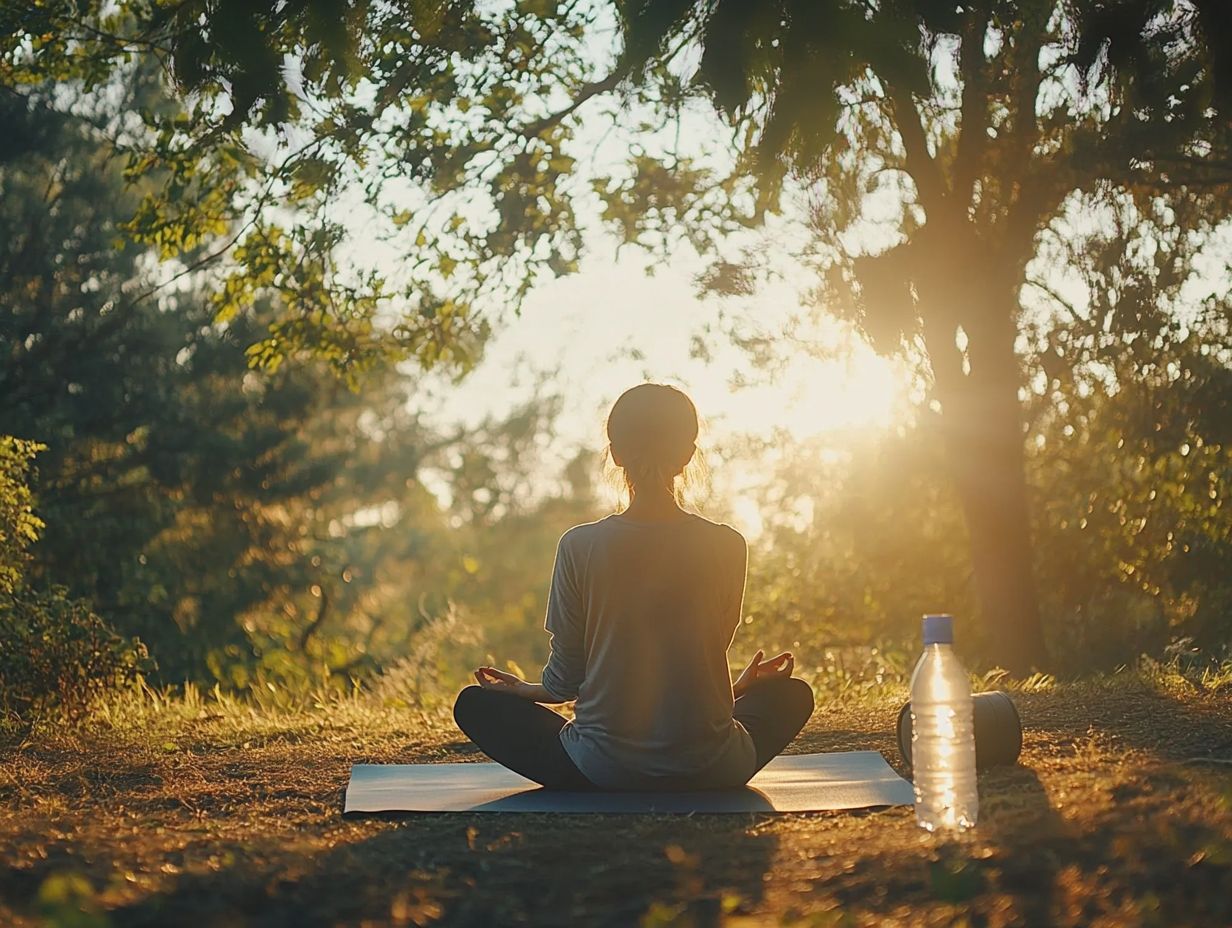
Many people start with low-impact activities such as short walks, easy stationary cycling, gentle yoga, or water exercise if a pool is available and safe for you (and your doctor approves). As your energy improves, you can slowly add light resistance training, such as lifting light weights or using resistance bands. It is important to avoid heavy lifting or high-intensity workouts until your medical team says it is safe.
Will I be able to regain my previous level of strength after chemotherapy?
Many survivors do regain, and sometimes even surpass, their pre-treatment strength—but it can take time. Factors like your age, the type of cancer and treatment you had, and your overall health all play a role. With consistent, gradual exercise, good nutrition, and medical guidance, you can often make meaningful improvements in strength, stamina, and daily functioning, even if your body feels very different right now.
How can I make sure I am getting proper nutrition while I recover?
Focusing on a balanced, whole-food diet is a good starting point. Try to include fruits, vegetables, whole grains, lean proteins, and healthy fats most days. If you are losing weight unintentionally, have trouble swallowing, or feel full quickly, a registered dietitian who specializes in oncology can create a tailored plan that meets your needs and preferences. Your oncology team can usually refer you to one.
Are supplements or vitamins helpful for rebuilding strength after chemotherapy?
Some people may benefit from certain supplements (for example, vitamin D or B12 if you are deficient), but others can be unnecessary or even harmful if they interact with your medications. Always talk to your doctor before starting any supplement or herbal product. Whenever possible, aim to get most of your nutrients from food first, and use supplements only when medically recommended.
How important are rest and sleep in recovering my strength?
Rest and sleep are just as important as exercise and nutrition. Your body heals and repairs itself while you sleep, so aim for a regular sleep schedule and a calming bedtime routine. During the day, it can help to pace your activities—alternate between light activity and rest instead of trying to do everything at once. Listening to your body’s limits is a key part of rebuilding strength safely.