Delaying cancer treatment poses significant risks, adversely affecting cancer patients’ outcomes and quality of life. Timely intervention is crucial to prevent disease progression and enhance survival rates. Treatment delays can lead to a higher risk of disease progression and decreased chances of survival, as prompt treatment initiation is vital for improving health outcomes.
Moreover, postponed treatment may limit available treatment modalities, as cancer advances can make certain modalities less effective. This can lead to increased physical and emotional burdens, financial strain, and diminished quality of life for cancer patients. A systematic review suggests that delayed treatment also heightens complications, such as metastasis and a greater mortality risk, while impacting psychological well-being and family dynamics.
Understanding these risks emphasizes the importance of addressing healthcare barriers and ensuring timely access to cancer treatment and care. Proactive measures can mitigate these impacts, supporting better health outcomes and enhancing overall patient well-being. System-level factors, such as healthcare access and healthcare delivery, play a crucial role in this context.
Key Takeaways:
1. Increased Risk of Disease Progression
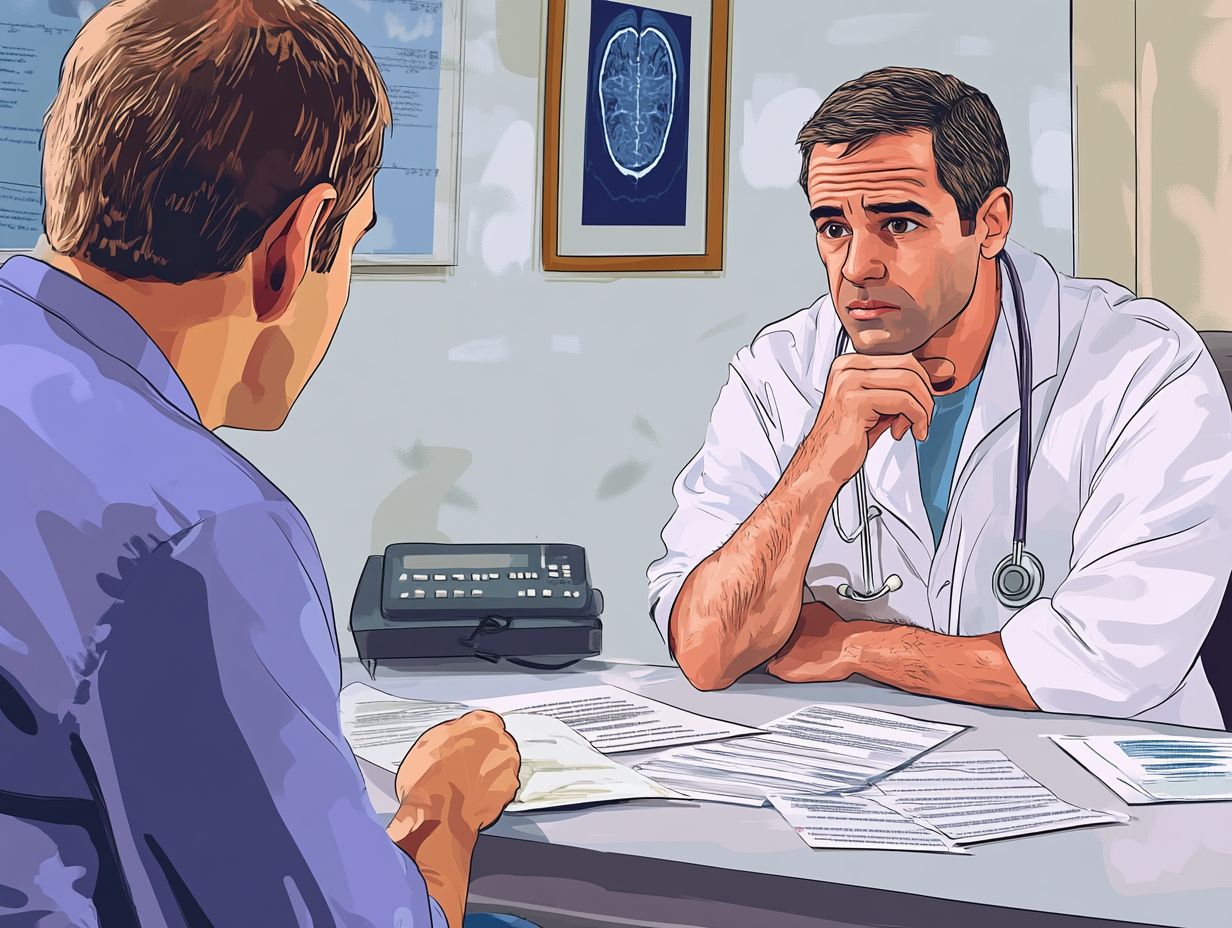
Increased risk of disease progression poses a major concern for cancer patients, as delays in treatment can worsen conditions and heighten mortality risk in cancers like breast, lung, prostate, cervical, and colorectal.
Treatment delays arise from healthcare provider constraints, healthcare infrastructure limits, insurance issues, and insufficient access to specialized care.
Factors such as socioeconomic status, education level, geographic location, and other demographic factors influence treatment timeliness, especially in rural areas.
Timely treatment initiation improves survival rates, highlighting the need to address these factors for effective cancer care. Treatment facility capabilities and healthcare system efficiency are critical in ensuring this.
2. Decreased Chances of Survival
Decreased chances of survival are linked to cancer treatment delays in cancer patients.
Treatment timing affects cancer survival rates. Delays increase mortality risk significantly.
Timely cancer treatment is crucial for improving health outcomes and longevity, as supported by various cohort studies and qualitative studies.
3. Limited Treatment Options
Limited treatment options arise when cancer treatment delays restrict available treatment modalities due to disease progression or deteriorating health.
Delays in treatment can reduce the effectiveness of surgery, chemotherapy, and radiotherapy, making previously viable options less effective.
As cancer advances, treatment options become limited, diminishing the chances of successful outcomes.
4. Increased Physical and Emotional Burden
The increased physical and emotional burden on cancer patients is significantly exacerbated by treatment delays.
Treatment delays lead to higher stress and anxiety levels as patients face uncertainty about their prognosis and disease progression.
Extended waiting periods worsen psychological tolls, causing helplessness and fear, and can exacerbate comorbidities, reducing quality of life. Psychological effects are also affected by the risk factors associated with treatment delays.
Timely interventions are essential to mitigate these impacts.
5. Financial Burden
The financial burden for cancer patients increases due to treatment delays, escalating medical costs, and impacting access to necessary care. Healthcare policy changes are essential to address these financial and healthcare access issues.
Treatment postponement elevates expenses, requiring more extensive medical interventions and reducing access to essential therapies.
Financial strain from delayed treatments affects medication adherence, undermining recovery chances and emphasizing the need for equitable healthcare solutions.
6. Impact on Quality of Life
The impact on quality of life for cancer patients includes worsened physical health, emotional distress, and reduced life satisfaction due to treatment delays.
Heightened anxiety and depression often result from prolonged waiting periods for essential treatments.
Feelings of helplessness during waiting periods can exacerbate physical symptoms and reduce daily activity engagement.
Social interactions suffer as patients withdraw from friends and family, leading to diminished life quality due to social determinants of health.
This optimized version is clear, direct, and suitable for a featured snippet, focusing on the primary topic and removing unnecessary details.
7. Risk of Complications
The risk of complications rises significantly for cancer patients experiencing treatment delays.
Treatment delays can exacerbate cancer and comorbidities like cardiovascular disease and diabetes. Healthcare providers must consider these disease factors when planning cancer care and treatment pathways.
Studies show that delayed cancer treatment leads to higher hospitalization rates and lower survival.
A four-week delay can increase metastasis risk and reduce survival rates.
8. Delayed Diagnosis of Other Health Issues
Delayed diagnosis of other health issues in cancer patients occurs when cancer treatments obscure symptoms of other conditions, complicating timely detection and intervention. Mixed-methods studies highlight the importance of maintaining vigilant monitoring during treatment.
Healthcare providers must maintain vigilant monitoring and regular evaluations to identify co-existing ailments and address them promptly.
Comprehensive healthcare ensures cancer patients receive screenings for multiple health issues, supporting timely diagnosis and treatment.
9. Potential Spread of Cancer to Other Parts of the Body
Potential spread of cancer involves malignant cells invading other body parts, leading to metastasis.
Delayed treatment allows cancer cells to enter the bloodstream or lymphatic system, forming secondary tumors, increasing the potential spread of cancer.
Metastasis can cause organ dysfunction and increased pain, complicating cancer treatment.
Early intervention is crucial to prevent cancer spread and improve prognosis, as emphasized in peer-reviewed journal articles and systematic review findings.
10. Missed Opportunity for Clinical Trials
Missed opportunities for clinical trials occur due to delays in treatment, limiting access to innovative cancer care.
Delays may result from lengthy approval processes, logistical issues, a patient’s declining health, or issues related to study registration and ethical approval for clinical trials.
Missing clinical trials impacts patients by restricting access to new therapies and limiting contributions to medical advancements.
11. Impact on Family and Loved Ones
Treatment delays impact family and loved ones by increasing emotional stress and healthcare responsibilities.
Delays cause anxiety as family members manage hopes and fears about the patient’s health.
Postponed appointments lead to logistical challenges, such as rearranging work schedules and managing childcare.
Strong social support systems help families cope with the stress of treatment delays.
12. Psychological Effects
Psychological effects of cancer treatment delays include increased anxiety, depression, and stress due to uncertainty, as supported by qualitative research.
These effects can impair patient well-being and coping abilities.
Healthcare providers should integrate psychological support and counseling services into cancer care to address mental health impacts and foster resilience.
13. Increased Risk of Death
Increased risk of death is linked to treatment delays, with studies showing a direct correlation between delayed medical interventions and higher mortality rates.
Delays in treatment can worsen outcomes in conditions like cancer and cardiovascular diseases.
Timely medical intervention, such as early surgical treatment or chemotherapy delay management, is critical to reducing mortality rates and improving patient survival outcomes.
14. Potential for Permanent Damage to Organs or Body Parts
Potential for permanent damage to organs or body parts increases when cancer progresses without timely treatment. This risk of delay necessitates prompt attention to treatment initiation.
Cancer cell spread can damage critical systems like respiratory, digestive, and circulatory systems, leading to organ failure.
Permanent damage risk emphasizes the need for prompt diagnosis and treatment to maintain organ function and patient health.
15. Impact on Overall Health and Well-Being
The overall health and well-being of cancer patients rely heavily on timely treatment, which is crucial for maintaining physical and mental health. Study design and meta-analysis findings underline the importance of addressing healthcare system issues.
Treatment delays often lead to severe health complications, increased pain, and diminished quality of life.
Access to timely care allows for better health outcomes and reduces anxiety and emotional distress in cancer patients.
A robust healthcare system ensures prompt treatment, fostering both physical healing and emotional well-being.
Frequently Asked Questions
What are the risks of delaying cancer treatment?
Delaying cancer treatment can increase the risk of the cancer spreading and becoming more difficult to treat.
How long can I safely delay cancer treatment?
The recommended treatment timeline for each type and stage of cancer varies, but it is best to begin treatment as soon as possible to avoid potential risks.
What are the potential consequences of delaying cancer treatment?
Delaying cancer treatment can result in the cancer growing and spreading, making it more advanced and challenging to treat. In some cases, it may even decrease the chances of survival.
What factors may contribute to delays in cancer treatment?
Factors that may contribute to delays in cancer treatment include lack of access to healthcare, fear or denial of a cancer diagnosis, financial concerns, patient factors, and system-level factors.
Can delaying cancer treatment result in a different treatment plan?
In some cases, if the cancer has progressed due to delayed treatment, the initial treatment plan may no longer be effective and a different, more aggressive plan may be necessary. Cancer treatment delay can impact the survival outcomes of cancer patients, necessitating timely intervention.
Is it ever safe to delay cancer treatment?
Delaying cancer treatment can sometimes be considered depending on the type of cancer, such as breast cancer, lung cancer, prostate cancer, cervical cancer, and colorectal cancer. It is crucial to review systematic review findings and meta-analysis data to understand the risk factors and potential impacts on mortality risk.
In certain cases, when the cancer is slow-growing and at a very early stage, it may be safe to delay treatment for a short period. However, it is important to discuss this with your healthcare provider and carefully weigh the potential risks and benefits. Factors such as time-to-treatment and healthcare access play crucial roles in the prognosis.