Preparing for a cancer diagnosis in the family requires a comprehensive approach encompassing understanding cancer, assessing family history, and emotional readiness. Cancer, characterized by uncontrolled cell growth due to genetic mutations and environmental factors, can significantly impact families, especially when there is a genetic predisposition. Discussing illness openly and involving loved ones through family meetings can help manage the family dynamic and prepare emotionally.
To prepare, individuals should familiarize themselves with the signs and symptoms of cancer, such as unexplained weight loss or persistent fatigue, to ensure early detection and prompt treatment. It is equally important to organize medical records and explore treatment options, including chemotherapy, radiation, and surgery. Involving the health care team in these discussions can provide clarity and guidance.
Providing support to a loved one with cancer involves emotional and practical preparations. Caregivers play a critical role by offering emotional support, managing daily tasks, and coordinating with healthcare providers. Additionally, maintaining open communication helps build trust and fosters a supportive environment.
Both family members and caregivers must prioritize self-care to sustain their well-being and provide effective support to their loved ones. Engaging in self-care practices and seeking support from groups or professionals can prevent burnout and enable a balanced caregiving approach.
Key Takeaways:
Understanding Cancer and Family History

Cancer refers to diseases where abnormal cells divide uncontrollably, forming tumors.
Family history influences cancer risk due to genetic factors that may predispose individuals to cancer. Understanding this can aid in planning ahead and making informed treatment decisions with the health care provider.
Understanding family history helps in early cancer detection and intervention by informing healthcare discussions and treatment decisions.
What is Cancer and How Does it Develop?
Cancer is a disease characterized by the uncontrolled growth of abnormal cells in the body.
Cancer develops when DNA mutations cause normal cells to turn into cancerous cells.
The development of cancer involves stages, starting from precancerous changes to localized tumors and potentially advancing to metastatic cancer where it spreads to other organs.
Environmental factors, lifestyle choices, and genetic predispositions can influence cancer development.
The Role of Genetics in Cancer Risk
Genetics significantly influence cancer risk through inherited mutations in specific genes like BRCA1, BRCA2, and those linked to Lynch syndrome.
Genetic testing identifies these mutations and helps assess cancer risk for breast, ovarian, colorectal, and endometrial cancers.
Family history discussions and screenings improve understanding of genetic cancer risk.
Signs and Symptoms of Cancer
Common signs and symptoms of cancer include:
- Unexplained weight loss
- Persistent fatigue
- Lumps or swelling
- Changes in skin color or texture
- Abnormal bleeding
- Persistent cough
Recognizing these symptoms is essential for early cancer detection and treatment. Honest communication with family members about these signs can facilitate discussions on treatment choices and coping strategies.
Common Warning Signs to Look Out For

Common warning signs of cancer include persistent fatigue, unexplained weight loss, and unusual lumps or swelling.
Additional signs to watch for include persistent pain, changes in bowel or bladder habits, skin changes, and difficulty swallowing.
These symptoms require immediate medical attention for early detection and treatment.
Preparing for a Cancer Diagnosis
Preparing for a cancer diagnosis involves organizing medical records, understanding treatment options, and planning for family responsibilities.
Emotional preparation includes seeking support from loved ones and mental health professionals.
Emotional and Mental Preparation
Emotional and mental preparation for a cancer diagnosis is crucial to help individuals cope with guilt and fear. Discussing feelings of guilt and fears about death with counselors or social workers can aid coping mechanisms.
Seeking professional advice from oncology counselors offers tailored strategies and support.
Joining support groups provides a safe environment to share experiences and feelings. These networks offer invaluable advice on coping with cancer and fostering resilience among cancer patients and their family members.
Maintaining open communication with loved ones enhances mental well-being by fostering understanding and community. It’s essential to address complex topics like treatment options, terminal cancer, or advanced cancer stages to prepare comprehensively.
Practical Preparations for Treatment
Practical preparations for cancer treatment involve understanding treatment options, planning care, and coordinating with healthcare providers.
Cancer treatment preparations include exploring options like chemotherapy, radiation therapy, and surgery based on cancer type and patient needs.
Effective preparation requires open communication with healthcare teams to align treatment plans with patient goals.
Involving caregivers enhances support systems, aiding in appointment management and daily care. Caregivers should also be aware of the potential for caregiver burnout and seek support from professional advice or support groups to maintain their mental health.
Supporting a Loved One with Cancer
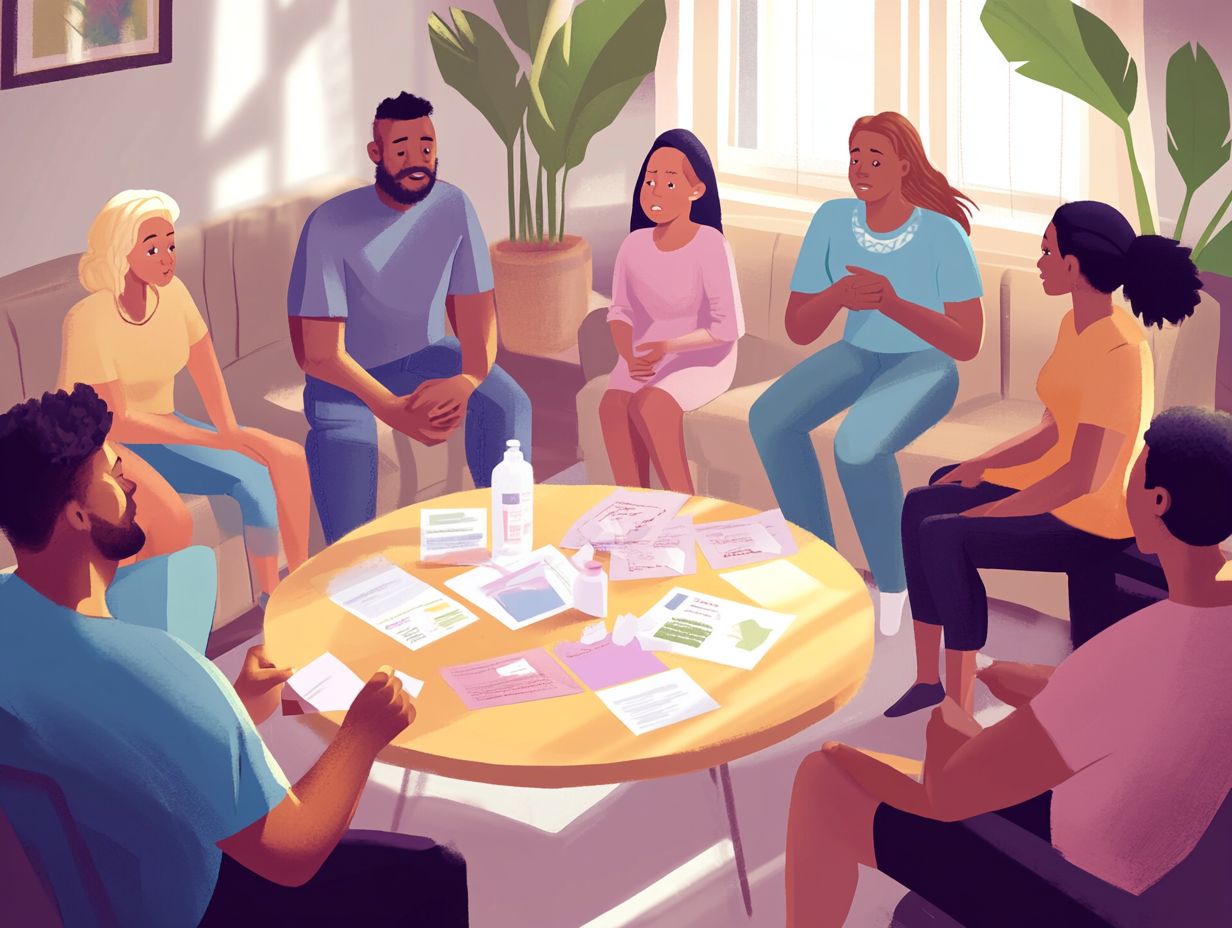
Supporting a loved one with cancer involves providing emotional support, maintaining honest communication, assisting with daily tasks, and accompanying them to medical appointments.
Emotional support includes listening to their concerns and offering encouragement.
Honest communication helps build trust and ensures they feel understood.
Assisting with daily tasks and attending appointments can alleviate their stress.
How to Be There for Your Family Member
To support a family member with cancer, provide emotional support by being present and listening to their concerns. Engaging in honest communication about personal feelings and life after death can strengthen the bond.
Attend medical appointments with them and offer reassurance during treatments.
- Engage in open communication to understand their needs and help develop a care plan.
- Spend quality time together to strengthen your bond during challenging times.
Caring for Yourself as a Caregiver
Caring for yourself as a caregiver involves maintaining your physical and mental health to prevent burnout while supporting a loved one with cancer. It is essential to recognize personal limits and engage in activities that promote well-being, such as making memories with patients and planning for care.
Caregivers should recognize personal limits, seek emotional support from friends or support groups, and establish clear boundaries to balance personal health and caregiving duties.
Engaging in self-care practices like regular exercise, pursuing hobbies, and relaxation routines enhances well-being and enables better caregiving.
Frequently Asked Questions
How Can I Prepare for a Cancer Diagnosis in the Family?
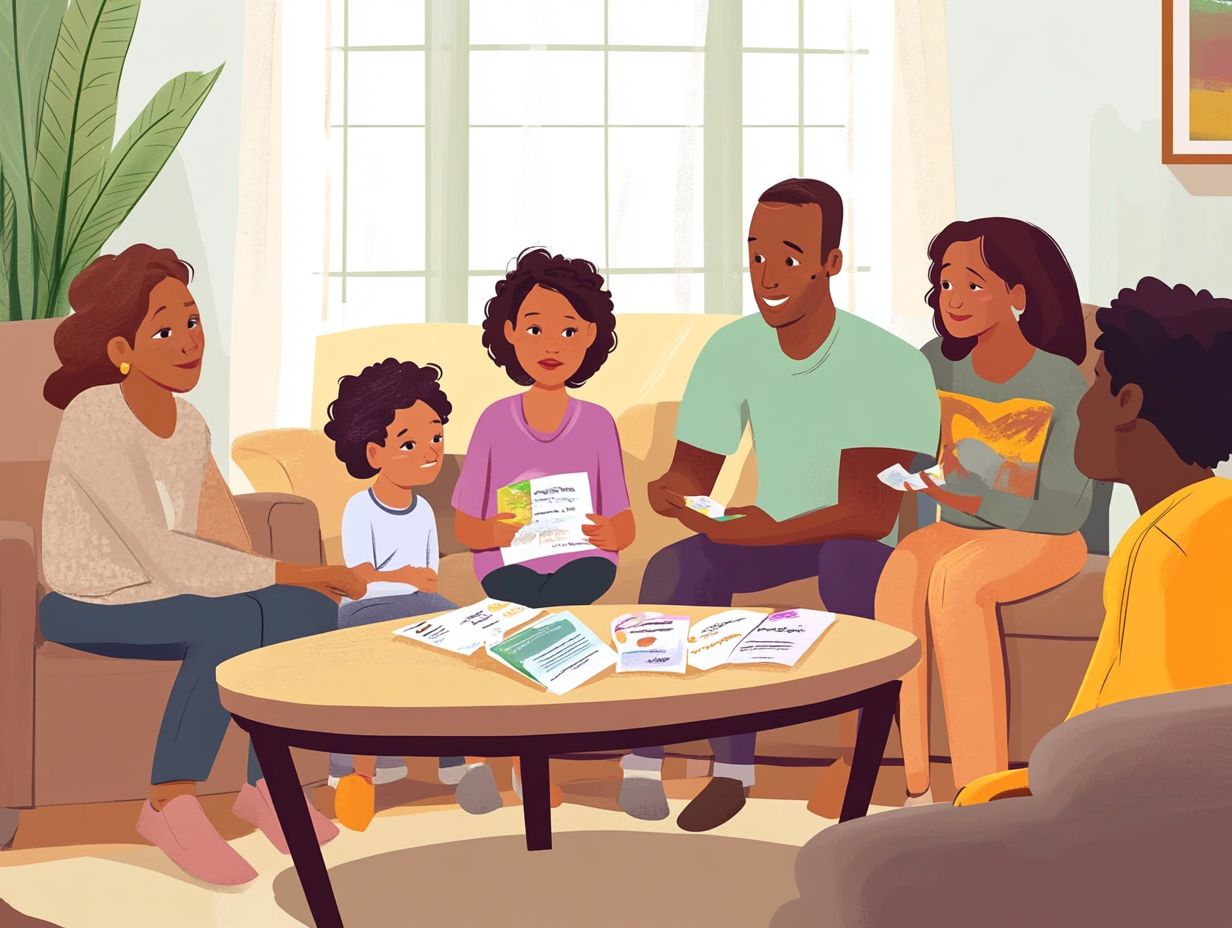
Being prepared for a cancer diagnosis in the family can help alleviate some of the stress and anxiety that comes with it. Here are some tips to help you prepare:
What steps should I take if a family member is diagnosed with cancer?
If a family member is diagnosed with cancer, the first step is to gather information and educate yourself about the type of cancer they have. It’s also important to communicate openly with your family member and offer support and assistance.
What should I do to support my family member with cancer?
There are many ways you can support a family member with cancer, such as being there to listen, helping with daily tasks, and providing emotional support. It’s also important to respect their wishes and boundaries.
How can I prepare for the emotional impact of a cancer diagnosis in the family?
The emotional impact of a cancer diagnosis in the family can be overwhelming. It’s important to take care of yourself, seek support from loved ones and professionals, and find healthy ways to cope with your emotions.
Should I involve other family members in the preparation process?
It can be helpful to involve other family members in the preparation process, especially if they are close to the family member who has been diagnosed. This can help distribute the responsibility and provide a support network for everyone involved.
What resources are available to help me prepare for a cancer diagnosis in the family?
There are many resources available to help you prepare for a cancer diagnosis in the family, such as support groups, online communities, and educational materials. You can also reach out to healthcare professionals for guidance and assistance.