A bone marrow biopsy is a crucial medical procedure used to diagnose and assess blood disorders and certain cancers by extracting a sample of bone marrow tissue. Typically performed with local anesthesia or IV sedation, this procedure helps detect conditions like anemia, leukemia, lymphoma, and multiple myeloma, as well as other hematological disorders.
Understanding what to expect during a bone marrow biopsy can ease patient concerns and ensure a smoother experience. Preparation involves reviewing medical history, following fasting guidelines, and discussing any medication adjustments with your healthcare provider. It’s also important to inform your healthcare provider if you are undergoing a stem cell transplant or receiving antibiotics.
- Positioning
- Anesthesia application
- Needle insertion
- Post-procedure care
Results from the biopsy are critical for diagnosing conditions and determining the next steps in treatment, making it an essential component in personalized patient care. The biopsy can reveal abnormal cells detected by the pathologist, which may indicate blood disorders or cancer conditions.
Key Takeaways:
Understanding Bone Marrow Biopsy

A bone marrow biopsy is a medical procedure used to obtain a sample of bone marrow tissue from the hipbone or pelvic bone. This sample of bone is crucial for diagnosing blood disorders and cancer conditions.
The procedure involves a healthcare provider using a needle to extract the sample, typically under local anesthesia or IV sedation. A hematologist performs the biopsy, ensuring the patient’s comfort throughout the process.
A bone marrow biopsy is essential for diagnosing blood disorders and certain cancers.
Reasons for a Bone Marrow Biopsy
Bone marrow biopsy is a medical procedure performed to diagnose blood disorders and cancers such as leukemia and lymphoma. Reasons for a bone marrow biopsy include detecting abnormal cells that indicate anemia, leukemia, lymphoma, or multiple myeloma. Hematologists and oncologists use bone marrow biopsies to assess bone marrow health and diagnose diseases when symptoms suggest blood-related conditions.
Medical Conditions and Symptoms that May Require a Biopsy
Medical conditions and symptoms that may require a bone marrow biopsy include:
- unexplained fatigue
- frequent infections
- abnormal blood test results
- persistent anemia
- increased white blood cell count
- thrombocytopenia
These symptoms and conditions can indicate blood disorders, infections, or cancer, prompting further investigation through a biopsy. In some cases, a bone marrow aspiration may also be performed to collect bone marrow liquid and further analyze blood cells made in the marrow.
Preparing for a Bone Marrow Biopsy
Preparation for a bone marrow biopsy involves reviewing the patient’s medical history, fasting, and possibly adjusting medications under medical guidance.
Patients receive instructions about sedative use and what to expect during and after the procedure.
Following these steps ensures patient safety and comfort. Patients should also be aware that a pathologist examines the bone marrow sample for signs of disease.
Pre-Procedure Instructions
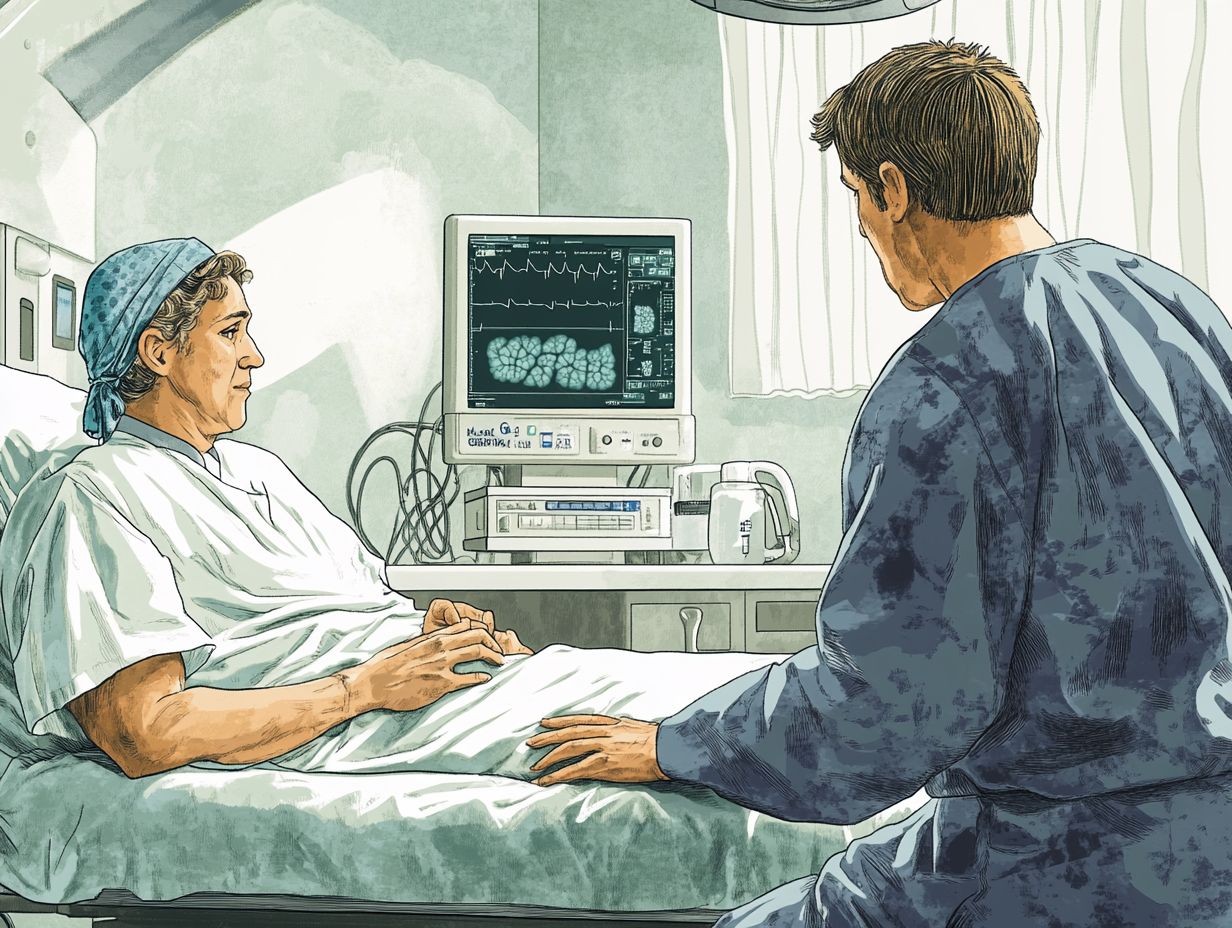
Bone marrow biopsy pre-procedure instructions require patients to inform their healthcare provider about current medications and any underlying medical conditions or allergies.
Patients should follow any fasting guidelines and notify providers of recent medical procedures.
Preparation ensures procedural safety and helps in smoother recovery.
The Procedure
The bone marrow biopsy procedure involves extracting bone marrow liquid through aspiration, typically performed in a healthcare provider’s office or an outpatient setting in hospitals.
A hematologist administers local anesthesia to minimize discomfort during the procedure. Although complications are rare, the healthcare provider will monitor for any potential issues during and after the procedure.
The bone marrow biopsy is essential for diagnosing and monitoring certain medical conditions.
Step-by-Step Process
The step-by-step process of a bone marrow biopsy involves:
- Positioning the patient on their side or stomach.
- Applying local anesthesia to the biopsy area.
- Inserting a needle into the hip or pelvic bone to extract bone marrow.
- Applying pressure to the site to stop bleeding.
- Placing a bandage over the biopsy area.
- Monitoring the patient briefly post-procedure.
- Providing post-procedure care instructions.
Possible Results and Follow-Up
After a bone marrow biopsy, a pathologist examines the sample for abnormal cells or signs of diseases like leukemia or anemia.
Possible results include detecting cancer, infections, or bone marrow disorders.
Follow-up involves discussing results with a healthcare provider to determine treatment options or additional tests. Recovery instructions will be provided, ensuring patients understand how to care for the biopsy site and manage any discomfort.
Interpreting the Results and Next Steps

Interpreting bone marrow biopsy results involves analyzing samples to detect blood disorders or cancers.
Healthcare providers assess cell counts and types to diagnose conditions like leukemia or aplastic anemia.
Results guide follow-up actions and treatments, ensuring a personalized approach to patient care. In some cases, results may suggest the need for further intervention, such as a stem cell transplant.
Frequently Asked Questions
What should I expect during a bone marrow biopsy?
During a bone marrow biopsy, a small sample of bone marrow will be taken from your hip bone using a needle. This procedure is typically done under local anesthesia and takes about 30 minutes. Patient experiences may vary, but the healthcare provider will ensure the process is as comfortable as possible.
Will I experience any pain during the biopsy?
Some people may feel a brief sharp pain when the needle is inserted, but this discomfort is usually short-lived. Your doctor can also provide you with numbing medication to minimize any pain.
How should I prepare for a bone marrow biopsy?

You may be asked to stop taking blood thinning medications a few days before the procedure and you should let your doctor know if you have any allergies or are pregnant. You should also arrange for someone to drive you home after the biopsy.
Are there any risks or complications associated with a bone marrow biopsy?
Some people may experience bruising, bleeding, or infection at the biopsy site. In rare cases, the needle may damage a nearby organ or cause a bone fracture. Your doctor will discuss these potential risks with you before the procedure.
What can I expect after the biopsy?
You may experience some soreness or discomfort at the biopsy site for a few days, which can be managed with over-the-counter pain medication. You should avoid any strenuous activity for 24 hours after the biopsy and follow your doctor’s instructions for caring for the biopsy site. The Cleveland Clinic offers guidelines for post-procedural care to ensure optimal recovery.
What will happen with the sample taken during the biopsy?
The sample will be sent to a laboratory for analysis, where it will be examined for any abnormalities or diseases. Your doctor will discuss the results with you and develop a treatment plan, if necessary.