Managing muscle weakness from cancer treatment, such as chemotherapy and anthracycline therapy, is essential for maintaining quality of life, physical function, and addressing treatment side effects like oxidative stress. This common side effect, caused by treatments including doxorubicin, results in muscle atrophy and fatigue, impacting daily activities and social interactions. Understanding its causes, including physiological and psychological factors, is crucial for developing effective management strategies.
Key approaches to managing muscle weakness and improving patient outcomes include:
- Structured exercise programs to combat exercise intolerance
- Physical therapy with rehabilitation professionals
- Strength training and resistance exercises to enhance muscle recovery and muscle function
Additionally, diet and nutrition play a significant role, providing necessary nutrients to support muscle repair, muscle mass improvement, and overall well-being. Incorporating medications and supplements, such as antioxidants, under professional guidance, can further aid recovery and combat oxidative stress.
Support systems, including emotional counseling, assistive devices, and open communication with healthcare teams, are vital for coping with muscle weakness and overcoming treatment challenges. These strategies ensure cancer patients receive comprehensive care, improving their resilience and aiding in their journey to recovery while maintaining health-related quality of life.
Key Takeaways:
Understanding Muscle Weakness from Cancer Treatment

Muscle weakness from cancer treatment is a common side effect caused by treatments like chemotherapy, which can lead to muscle atrophy and fatigue.
Specific drugs, such as doxorubicin used in anthracycline therapy, contribute to muscle weakness by inducing oxidative stress in muscles.
This weakness impacts daily activities and physical function, reducing quality of life for cancer patients.
Causes and Impact on Daily Life and Cognitive Function
Muscle weakness in cancer patients is caused by cancer progression and treatment side effects such as chemotherapy and oxidative stress from chemotherapy drugs.
Physiological factors like muscle atrophy, inflammation, and metabolic changes contribute to muscle weakness.
Psychological factors such as anxiety and depression reduce motivation, physical activity engagement, and can exacerbate fatigue intensity.
Muscle weakness impacts daily life by limiting physical tasks like walking and climbing stairs, reducing muscle strength, and causing cognitive impairments.
Quality of life declines, affecting social interactions and daily routines, leading to isolation and despair, and impacting the healing process.
Managing Muscle Weakness
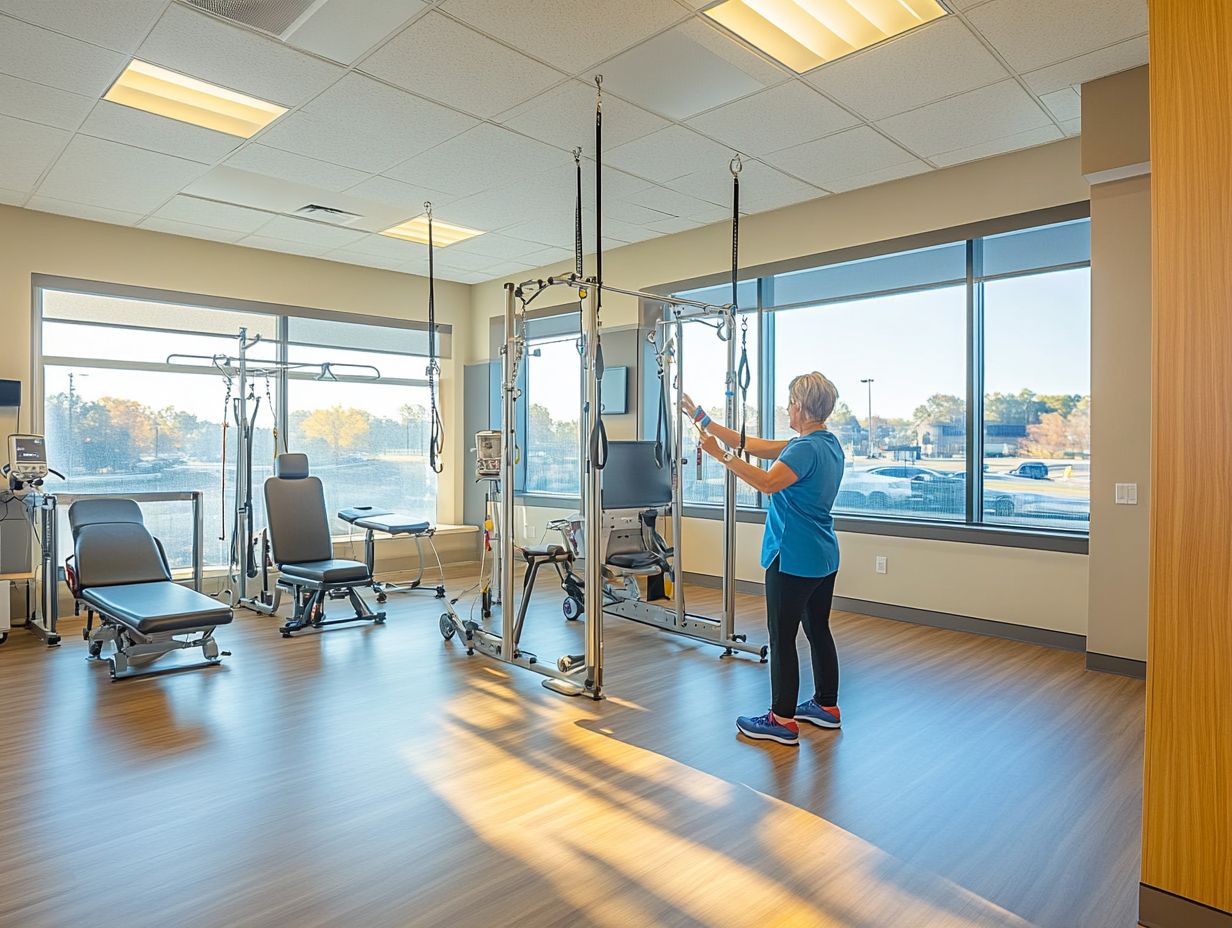
Managing muscle weakness in cancer patients involves exercise regimens, physical therapy, and strength training to improve muscle recovery and restore physical function. Exercise regimens target specific muscle groups to enhance strength and endurance and manage fatigue symptoms. Physical therapy provides guided exercises tailored to patient needs, aiding in rehabilitation and managing exercise intolerance. Strength training increases muscle mass and functionality while boosting energy levels.
Exercise, Resistance Training, and Physical Therapy
Exercise, resistance training, and physical therapy are key components in cancer rehabilitation, helping survivors regain strength, manage muscle fatigue, and improve quality of life post-treatment.
Structured exercise programs, including low-impact aerobics, strength training, and flexibility exercises, enhance physical function, manage fatigue intensity, and reduce muscle fatigue.
Physical therapists and exercise physiologists design individualized programs to meet unique health needs, promoting safe recovery, active lifestyles, and enhanced treatment compliance.
Diet and Nutrition
Diet and nutrition impact muscle weakness during and after cancer treatment by providing essential nutrients for recovery, improving muscle mass, and supporting antioxidant levels.
Proteins aid muscle repair and growth, while fruits and vegetables rich in antioxidants reduce oxidative stress and support the nutritional impact on healing.
Whole grains, healthy fats, and hydration support energy levels and overall well-being, crucial for recovery and improving health-related quality of life.
Medications and Supplements
Medications and supplements help cancer patients mitigate fatigue, manage fatigue symptoms, and enhance muscle recovery.
Corticosteroids reduce inflammation, improve energy levels, and combat cardiovascular toxicity.
Supplements like branched-chain amino acids (BCAAs) and omega-3 fatty acids support muscle repair, combat fatigue, and enhance the healing process.
Consulting healthcare professionals ensures safe and effective integration of these therapies and improves patient outcomes.
Support and Coping Strategies
Strategies for coping with muscle weakness during cancer treatment include utilizing assistive devices, seeking emotional support, and maintaining effective communication with healthcare providers.
Support systems help manage challenges and improve quality of life during treatment.
Emotional and Mental Health Support
Emotional and mental health support for cancer survivors focuses on counseling and mindfulness to address stress and emotional resilience.
Support includes:
- Counseling services for expressing fears
- Support groups for community connection
- Mindfulness practices like meditation and yoga
Emotional support improves treatment compliance and overall outcomes by linking mental wellness with physical health.
Assistive Devices, Home Modifications, and Rehabilitation Strategies

Assistive devices and home modifications improve physical function, aid rehabilitation strategies, and enhance quality of life for cancer patients with muscle weakness.
Devices like walkers, canes, and wheelchairs help patients move independently and support rehabilitation efforts.
Modifications such as ramps, grab bars, and non-slip flooring enhance safety, accessibility, and support physical function in the home.
These adaptations support rehabilitation by addressing physical and emotional needs during recovery and improving health-related quality of life.
Communication with Healthcare Team and Fatigue Management
Effective communication with the healthcare team is crucial for managing muscle weakness, addressing fatigue management, and improving patient outcomes during cancer treatment.
Patients should discuss symptoms and treatment side effects openly with their providers to ensure appropriate support and resources.
Regular check-ins and transparent conversations allow healthcare teams to adjust treatment plans, reducing adverse effects and improving well-being.
Strong communication channels enable patients and contribute to better health outcomes.
Frequently Asked Questions
What is muscle weakness and how is it related to cancer treatment?
Muscle weakness is a condition where the muscles become tired and fatigued easily, making it difficult to perform daily activities. It can occur as a side effect of cancer treatment, such as chemotherapy or radiation therapy, due to the damage it causes to healthy cells in the body.
What are some common symptoms of muscle weakness from cancer treatment?

Some common symptoms include difficulty standing, walking or climbing stairs, loss of muscle mass, and overall decrease in physical strength and endurance.
What are some ways to manage muscle weakness from cancer treatment?
Regular exercise, physical therapy, and proper nutrition are crucial in managing muscle weakness. Your doctor may also prescribe medications to help improve muscle strength and reduce fatigue.
How can I exercise if I have muscle weakness from cancer treatment?
It is important to consult with your doctor or a physical therapist before starting any exercise routine. They can recommend specific exercises that are safe and suitable for your condition and can help you gradually build strength and endurance.
Are there any dietary changes that can help manage muscle weakness from cancer treatment?
Yes, a diet rich in protein and essential nutrients can help support muscle strength and aid in recovery. Your doctor or a registered dietitian can provide personalized recommendations based on your individual needs.
Is it possible to regain muscle strength after cancer treatment?
Yes, with proper management and the right approach, it is possible to regain muscle strength and improve overall physical function. Be patient and consistent with your treatment plan and always communicate any concerns with your healthcare team.