Treatment-resistant cancer presents a significant challenge in oncology, marked by its ability to grow or spread despite undergoing various therapies. Key warning signs include the continued progression or recurrence of cancer, resistance to multiple treatment options due to drug resistance mechanisms, and severe side effects impacting patient quality of life.
Recognizing these indicators, including molecular changes and genetic alterations, is essential for adapting treatment strategies effectively.
Factors contributing to resistance include genetic mutations, cancer stem cells, intrinsic resistance, and alterations in the tumor microenvironment. These elements complicate standard treatment protocols, necessitating innovative approaches like targeted therapies and immunotherapies tailored to individual genetic profiles.
For patients and their caregivers, managing treatment-resistant cancer involves understanding the latest advances in treatment, seeking emotional support, and engaging with healthcare providers to navigate the complexities of care.
Discovering new options, such as clinical trials and innovative treatment approaches, and coping mechanisms can improve patient outcomes and enhance quality of life for those affected.
Key Takeaways:
1. The Cancer Continues to Grow or Spread Despite Treatment
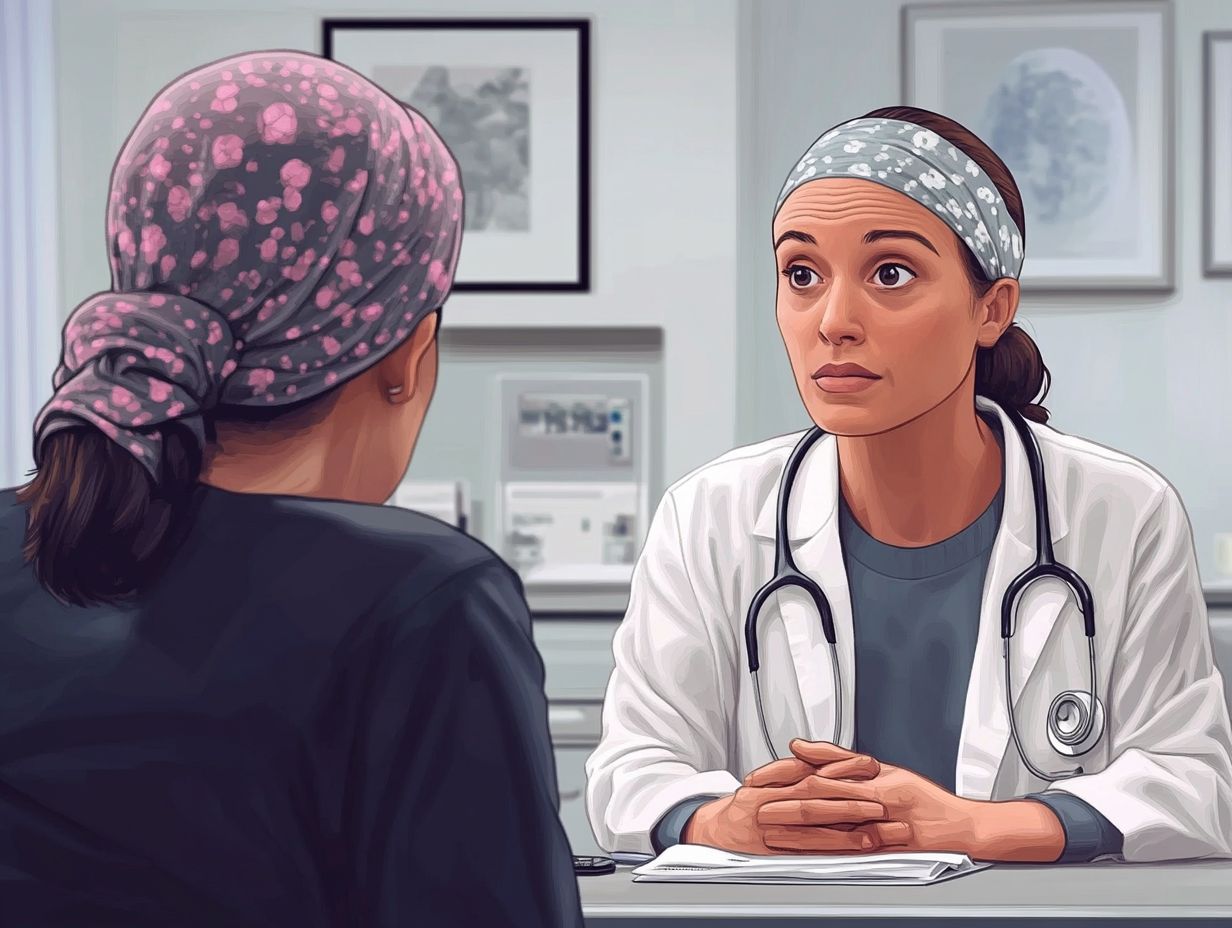
Cancer can continue to grow or spread despite treatment due to intrinsic and acquired resistance to therapies, influenced by drug resistance mechanisms and signaling pathways.
Intrinsic resistance involves pre-existing genetic mutations, while acquired resistance develops as cancer cells adapt to treatment.
Addressing these resistance mechanisms, including epigenetic alterations and drug interactions, remains a key challenge in improving cancer treatment effectiveness.
2. The Cancer Returns After an Initial Response to Treatment
Cancer recurrence after initial treatment success often occurs due to treatment-resistant cancer stem cells, tumor evolution, and drug resistance mechanisms.
Cancer stem cells can survive treatments, staying dormant and causing cancer to return in more aggressive forms.
Tumors evolve by acquiring genetic mutations and molecular mechanisms that lead to resistance, complicating treatment efforts.
Targeted treatments for these resistant tumor cells can improve patient outcomes and prevent relapse.
3. The Cancer Is Not Responding to Multiple Treatment Options
Cancer not responding to multiple treatments indicates drug resistance, often due to genetic mutations, drug metabolism issues, or alternative survival pathways.
Resistance requires innovative drug combinations targeting multiple pathways to improve treatment outcomes.
Combination therapies aim to bypass resistance by simultaneously targeting different cancer mechanisms, including ABC transporters and signaling pathways, enhancing treatment efficacy.
4. The Cancer Is Resistant to Standard Treatment Protocols
Cancer resistance to standard treatment protocols occurs when cancer cells adapt to survive against chemotherapy and targeted therapies by developing drug resistance and undergoing epigenetic changes, such as DNA methylation and histone modification.
These epigenetic changes, such as DNA methylation and histone modification, alter gene expression, allowing cancer cells to evade treatment effects, complicating therapeutic strategies.
Cancer research explores alternative therapies targeting these modifications, including drugs like decitabine, to overcome resistance.
Personalized medicine tailors treatments based on individual genetic profiles to improve effectiveness against drug-resistant cancer.
5. The Patient Is Experiencing Severe Side Effects from Treatment
Severe side effects from cancer treatment, especially chemotherapy, can impact patients’ quality of life and treatment adherence, sometimes necessitating alternative treatment approaches.
Common side effects include:
- Nausea
- Fatigue
- Neuropathy
These side effects may lead to treatment interruptions.
Personalized supportive care strategies, including counseling and symptom management, help reduce these side effects and improve treatment adherence.
6. The Cancer Is Causing Significant Pain or Discomfort
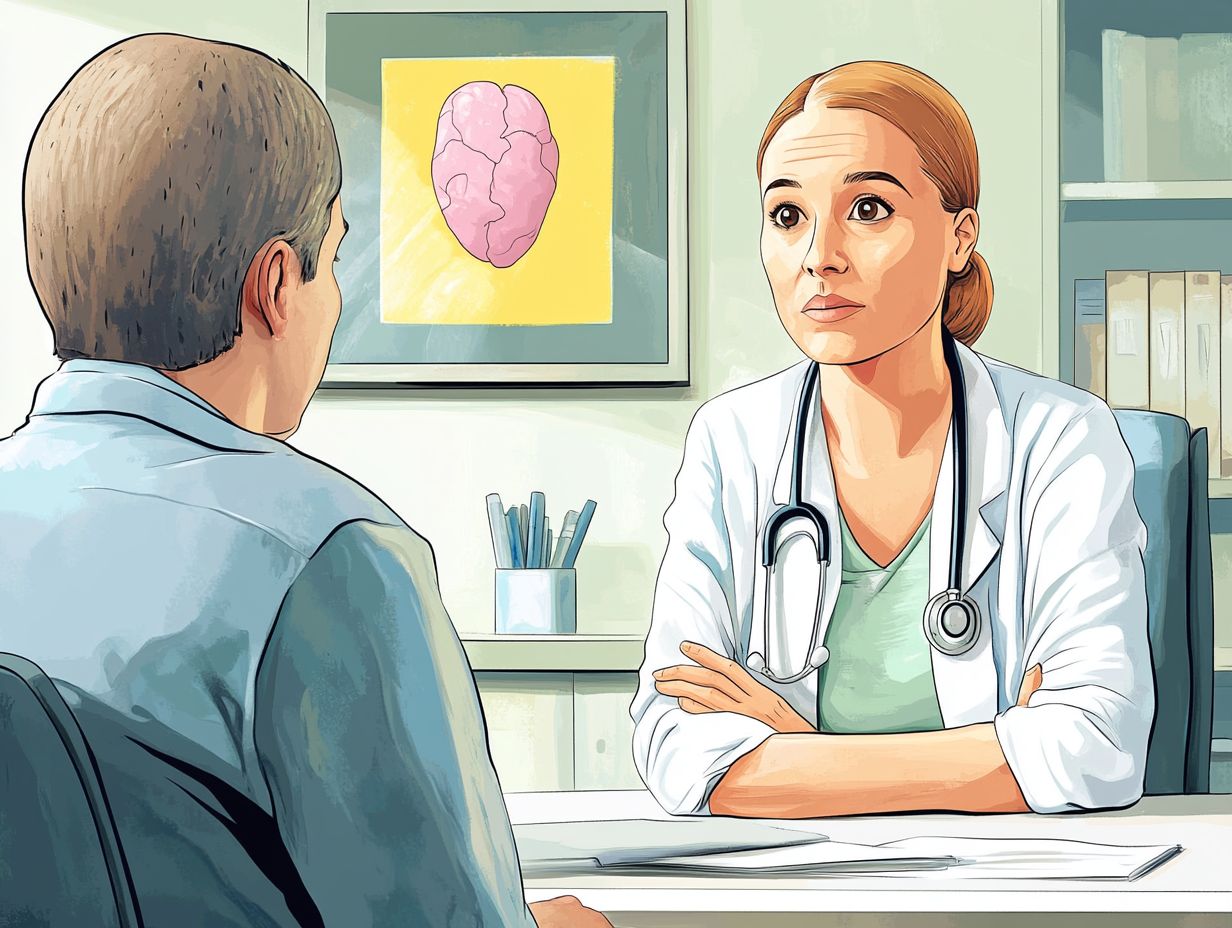
Cancer causes significant pain or discomfort due to tumor growth impacting surrounding tissues.
Tumors invade nerves, blood vessels, and organs, leading to acute and chronic pain, affecting patient outcomes and quality of life.
Pain management in cancer care includes:
- Pharmacological methods like opioids
- Non-pharmacological techniques such as physical therapy
Effective pain management improves quality of life for cancer patients.
7. The Patient Is Experiencing Unexplained Weight Loss
Unexplained weight loss in cancer patients often results from metabolic demands of tumors and cancer treatments.
This weight loss can weaken physical strength and immune function, complicating treatment endurance.
Nutritional support tailored to individual needs is crucial to mitigate weight loss, enhance antitumor response, and improve patient outcomes.
8. The Cancer Is Affecting Multiple Organs or Systems
Cancer affecting multiple organs or systems is known as metastatic cancer.
Metastatic cancer complicates treatment, requiring coordinated care involving oncologists, surgeons, and other specialists, including those focused on myeloid cells and molecular changes.
An integrated treatment plan addresses the spread across organs, aiming to improve patient outcomes and quality of life.
9. The Patient Has a History of Treatment-Resistant Cancer
A history of treatment-resistant cancer complicates future treatment options.
Health professionals must assess past therapies, genetic profiling, and drug resistance mechanisms to optimize patient outcomes.
Personalized medicine and ongoing research studies are crucial for developing effective treatments for drug-resistant cancer, focusing on proteins and therapeutic agents.
10. The Patient Has a Genetic Mutation Associated with Treatment Resistance
Patients with genetic mutations associated with treatment resistance face challenges in cancer therapy, requiring precision medicine and the use of immune checkpoint inhibitors for tailored treatments.
Genetic mutations influence medication response, making genetic profiling crucial to select effective therapies, such as T cells and ATP-binding cassette transporters, and avoid unnecessary side effects.
Targeted therapies in oncology offer personalized treatment regimens for drug-resistant cancers.
What Causes Cancer to Become Treatment-Resistant?
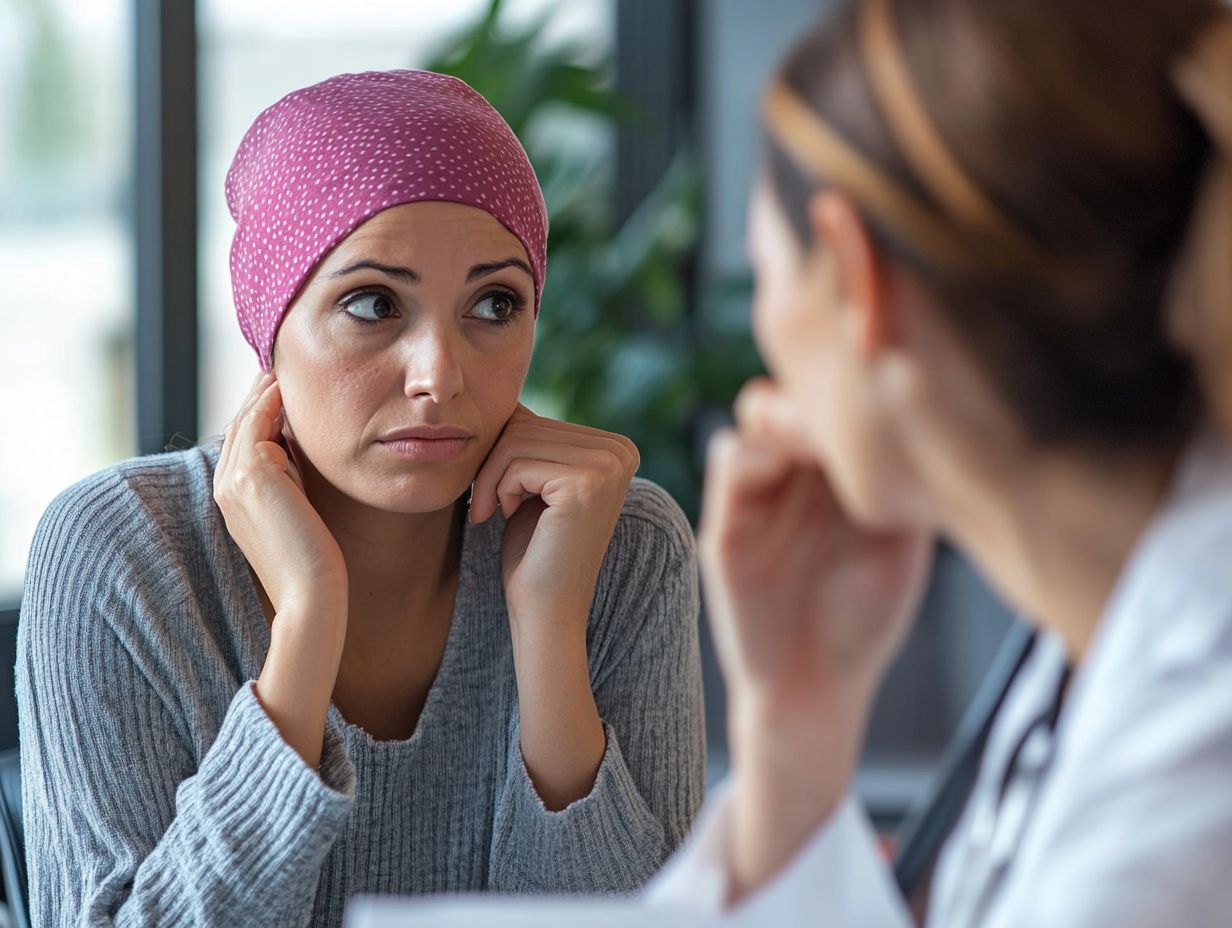
Cancer becomes treatment-resistant due to genetic mutations, epigenetic changes, and alterations in the tumor microenvironment.
Genetic mutations change drug targets, making treatments ineffective.
Epigenetic changes, like DNA methylation and histone modification, alter gene expression without modifying DNA sequence, affecting tumor suppressor genes and oncogenes.
The tumor microenvironment supports resistance by promoting pathways that allow cancer cells to survive treatments.
How Is Treatment-Resistant Cancer Diagnosed?
Treatment-resistant cancer is diagnosed through genetic profiling, biomarker analysis, and assessment of previous treatment responses.
Healthcare professionals identify specific genetic mutations that indicate resistance to standard therapies, guiding future treatment decisions, including the use of drugs like osimertinib and cisplatin.
Advanced diagnostic tools, such as high-throughput screening and molecular mechanisms analysis, help tailor personalized treatment plans for patients with treatment-resistant cancer.
What Are the Treatment Options for Treatment-Resistant Cancer?
Treatment options for treatment-resistant cancer include:
- Targeted therapies
- Immunotherapies
- Novel drug combinations
- Participation in clinical trials
Targeted therapies focus on specific molecular targets associated with cancer.
Immunotherapies activate the body’s immune system to fight cancer cells.
Novel drug combinations use multiple drugs to target different pathways in tumor growth.
Clinical trials offer access to new and experimental treatments that are not yet widely available.
What Are the Possible Outcomes for Patients with Treatment-Resistant Cancer?
The possible outcomes for patients with treatment-resistant cancer include stable disease, disease progression, or improved quality of life through symptom management.
Stable disease occurs when cancer stops growing. Disease progression indicates cancer growth despite treatment. Symptom management can enhance quality of life even if the cancer is resistant.
How Can Patients and Their Loved Ones Cope with Treatment-Resistant Cancer?
Patients and their loved ones can cope with treatment-resistant cancer by seeking support from healthcare providers, engaging with support groups, and utilizing community resources.
Coping strategies include:
- Open communication with doctors
- Understanding treatment options
- Accessing counseling services
Building a strong support network helps patients and caregivers manage emotional and practical challenges.
What Are the Latest Advances in Treating Treatment-Resistant Cancer?
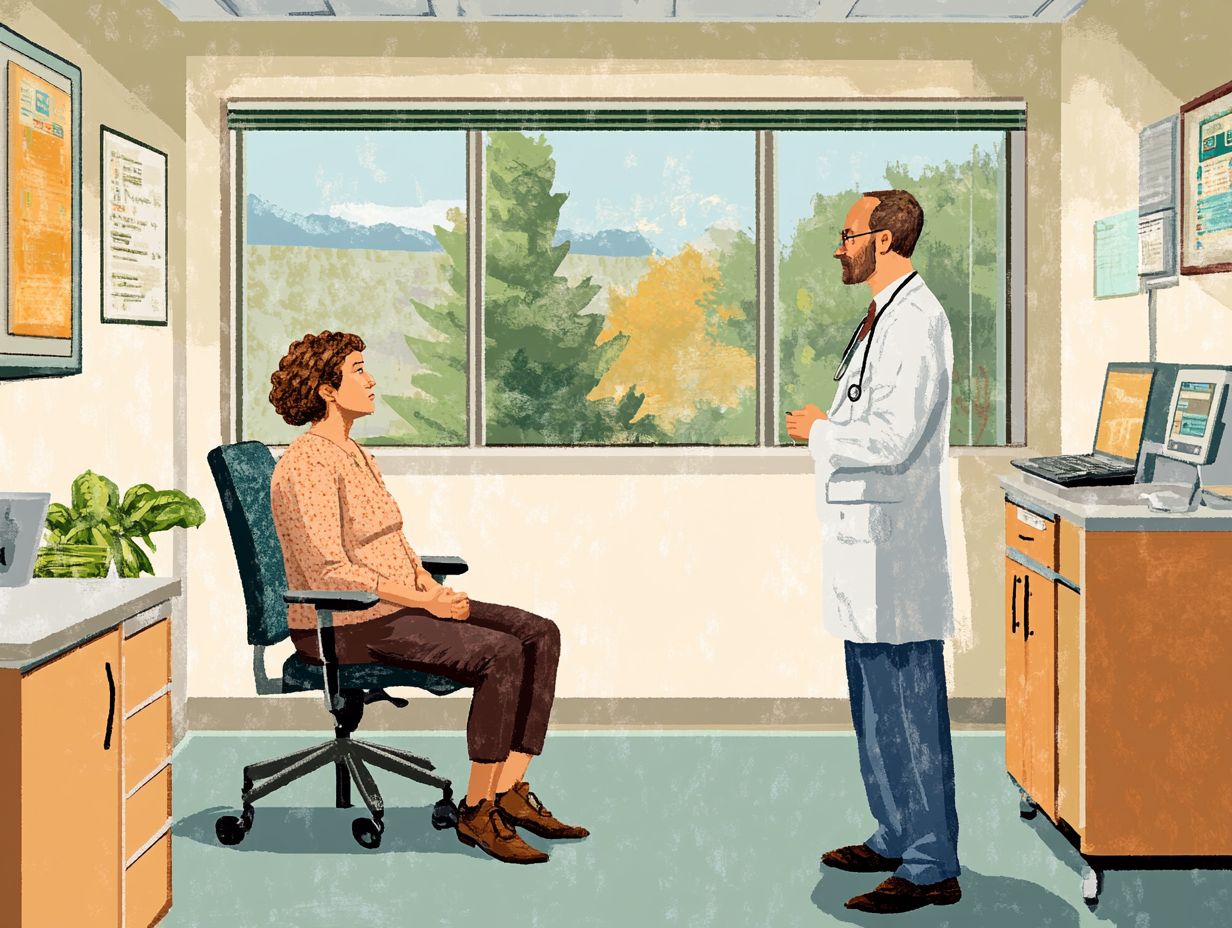
The latest advances in treating treatment-resistant cancer include novel targeted therapies, combination treatments, immunotherapy, and involvement in research studies.
These advances focus on precision medicine, tailoring treatments to the genetic makeup of tumors, using the immune system to target cancer cells, and enhancing drug efficacy.
Research studies indicate that combining immunotherapies with targeted agents, such as immune checkpoint inhibitors, can improve patient outcomes.
These methods aim to enhance survival rates and personalize patient care.
Frequently Asked Questions
What Are the Warning Signs of Treatment-Resistant Cancer?
Treatment-resistant cancer refers to cancer that does not respond to standard treatments. Here are some warning signs to look out for:
Which types of cancer are more likely to exhibit treatment resistance?
Any type of cancer can exhibit treatment resistance, but certain types are more likely to do so. These include breast cancer, colon cancer, lung cancer, and prostate cancer, with challenges such as ABC transporters and epigenetic alterations.
What are the symptoms of treatment-resistant cancer?
The symptoms of treatment-resistant cancer may vary depending on the type and location of the cancer. However, some common signs include persistent pain, rapid weight loss, and a lack of response to treatment, which might be indicative of drug resistance. In particular, resistant tumor cells can influence the tumor microenvironment and evade antitumor response.
Can treatment-resistant cancer be cured?
In some cases, treatment-resistant cancer can be cured. However, it may require a combination of different treatment approaches, such as targeted therapies and combination therapies, and possibly experimental treatments like immune checkpoint inhibitors and clinical trials to improve patient outcomes.
What causes a cancer to become treatment-resistant?
There are several factors that can contribute to cancer becoming treatment-resistant. These include genetic mutations, tumor heterogeneity, epigenetic alterations like DNA methylation and histone modification, and the ability of cancer cells to adapt and overcome treatment through mechanisms such as intrinsic resistance and acquired resistance.
What should I do if I suspect my cancer is treatment-resistant?
If you are experiencing symptoms of treatment-resistant cancer or if your cancer is not responding to treatment, it is important to speak with your doctor. They can evaluate your condition, possibly using genetic profiling and high-throughput screening, and recommend alternative treatment options such as precision medicine or therapeutic strategies involving novel therapeutic agents.