Precision medicine in cancer treatment, also known as personalized medicine, represents a transformative approach that customizes therapies based on an individual’s genetic, environmental, and lifestyle factors. By leveraging genetic information and biomarkers, precision medicine, or precision oncology, aims to improve the efficacy of treatments and enhance patient outcomes.
Unlike traditional treatments, precision medicine, including targeted therapies, identifies specific genetic mutations to tailor therapies, offering solutions that are more effective and have fewer side effects. This approach is particularly beneficial in treating cancers like:
- Breast cancer
- Non-small cell lung cancer
- Acute myeloid leukemia
While precision medicine offers numerous advantages, such as personalized care and improved treatment success, it also faces challenges like high costs, limited accessibility, and the need for patient education. Continued advancements in technology, supported by GRANTS & Training, and ongoing research are essential for overcoming these hurdles and ensuring broader implementation.
Key Takeaways:
Understanding Precision Medicine

Precision medicine is a medical approach that tailors treatment to individual genetic, environmental, and lifestyle factors.
In oncology, precision medicine involves using genetic information and biomarkers to customize cancer treatment for each patient.
The goal of precision medicine is to improve treatment effectiveness and patient outcomes.
Defining Precision Medicine
Precision medicine is a medical approach that tailors treatment to an individual’s genetic profile and specific disease characteristics.
Precision medicine works by using genetic information and biomarkers to customize therapies, ensuring treatments are more effective and have fewer side effects.
Unlike traditional treatment methods, precision medicine identifies unique genetic mutations to guide therapy choices.
Key Principles and Goals
Precision medicine principles include the use of biomarkers, targeted therapies, and clinical trials to improve treatment efficacy and safety.
Biomarkers enable healthcare professionals to tailor treatments to individual patients, enhancing personalization and effectiveness.
Targeted therapies address specific disease mechanisms, offering solutions where traditional methods fail.
Clinical trials validate treatment approaches, ensuring optimization for individual needs and confirming effectiveness and safety.
Role of Precision Medicine in Cancer Treatment
Precision medicine in cancer treatment personalizes therapy by using a patient’s genetic and tumor profile to guide treatment decisions.
Precision medicine allows oncologists to select targeted therapies that improve treatment outcomes and minimize side effects.
Precision medicine relies on techniques like genetic testing and liquid biopsies to refine cancer treatment plans.
How Precision Medicine is Changing Cancer Treatment
Precision medicine is changing cancer treatment by personalizing therapy based on a patient’s genetic profile, targeting cancer cells more effectively.
This approach uses treatments like targeted therapies and immunotherapy to enhance outcomes and reduce side effects.
Precision medicine enables doctors to select treatments based on specific genetic changes in tumors, such as KRAS and MSI mutations, improving success rates and tailoring care to individual needs.
Types of Cancer Treated with Precision Medicine

Precision medicine treats cancers such as breast cancer, non-small cell lung cancer (NSCLC), and acute myeloid leukemia (AML) using targeted therapies.
Breast cancer treatment includes therapies for HER2-positive tumors.
NSCLC treatment involves therapies targeting EGFR and ALK mutations.
Precision medicine uses genetic profiles to tailor cancer treatments.
Advantages and Limitations of Precision Medicine
Precision medicine, in cancer treatment, offers advantages such as personalized therapies, improved efficacy, and reduced side effects by tailoring treatments to individual genetic profiles.
Limitations of precision medicine include high costs, limited accessibility, and the need for extensive genetic information.
Precision medicine aims to enhance patient outcomes but faces challenges in widespread implementation.
Benefits for Patients and Doctors
Precision medicine benefits patients and doctors by improving treatment outcomes, offering personalized care plans, and enhancing quality of life through targeted therapies.
Patients benefit from therapies tailored to their genetic profiles, leading to more effective treatments with fewer side effects.
Doctors can select suitable medications based on the patient’s specific disease characteristics, increasing treatment effectiveness and minimizing harm to healthy cells.
Challenges and Potential Drawbacks
Precision medicine faces challenges such as high costs of genetic testing and targeted therapies, along with the need for extensive clinical trials.
These challenges delay the integration of new therapies into standard care and limit access to treatments due to economic disparities.
Addressing these challenges is essential to ensure equitable access to personalized care.
Implementing Precision Medicine in Cancer Treatment
Implementing precision medicine in cancer treatment involves using genetic testing to identify mutations, pharmacogenomics to determine the most effective drugs, and participation in clinical trials to develop tailored therapies for each patient.
Genetic testing helps identify specific mutations in a patient’s cancer cells.
Pharmacogenomics assesses how a patient’s genetic makeup influences their response to drugs, ensuring the most effective treatment.
Clinical trials provide opportunities to test and refine new precision medicine treatments.
Steps and Process of Precision Medicine Treatment

Precision medicine treatment involves specific steps in oncology:
- Genetic testing identifies biomarkers for targeted therapies.
- Healthcare providers analyze genetic results to find actionable mutations.
- Based on this analysis, a personalized treatment plan is developed to match the patient’s unique genetic makeup.
Precision medicine aims to improve treatment effectiveness and patient outcomes.
Future of Precision Medicine in Cancer Treatment
The future of precision medicine in cancer treatment involves using genetic profiles, including next-generation sequencing and biomarkers, to tailor therapies to individual patients.
Precision medicine aims to improve treatment outcomes by targeting specific genetic mutations in cancer cells and enhancing the immune response to tumors.
Advancements in technology, such as next-generation sequencing and artificial intelligence, drive this personalized approach in the immune environment of cancer treatment.
Ongoing research and clinical trials, supported by the United States government and organizations like the NCI, continue to refine these techniques, leading to more effective and less toxic treatments.
Advancements and Potential Impact
Advancements in precision medicine, including new drug therapies and understanding of the immune environment, impact oncology significantly.
Precision medicine enables tailored treatments based on patients’ genetic profiles and tumor characteristics, such as those in breast cancer and NSCLC.
Targeted therapies, including CRIZOTINIB for ALK-positive tumors, attack specific cancer cells, minimizing side effects and improving quality of life.
Biomarker identification, including MSI and KRAS, allows earlier and accurate diagnosis, leading to timely interventions.
These innovations enhance survival rates and long-term well-being for cancer patients, contributing to personalized care in oncology.
Frequently Asked Questions
What is Precision Medicine in Cancer Treatment?
Precision medicine in cancer treatment is an approach that tailors medical treatment based on an individual’s genetic makeup, lifestyle, and environment. It aims to provide more effective and personalized treatment plans for cancer patients.
How does Precision Medicine differ from traditional cancer treatment?
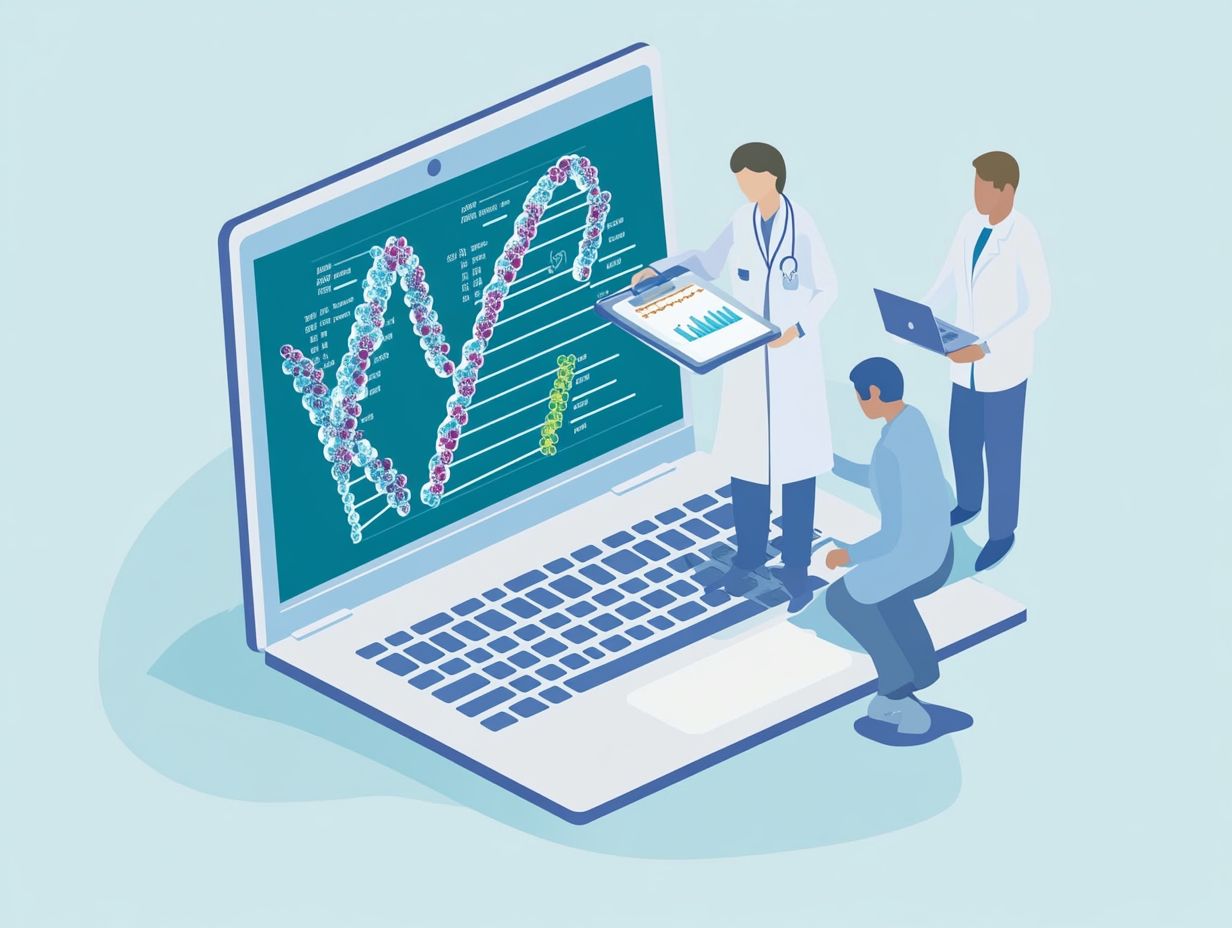
Precision medicine differs from traditional cancer treatment as it takes into account an individual’s specific genetic characteristics and other factors, whereas traditional treatment follows a one-size-fits-all approach.
What are the benefits of Precision Medicine in Cancer Treatment?
Precision medicine in cancer treatment can lead to more accurate diagnosis, improved treatment outcomes, reduced side effects, and better quality of life for cancer patients.
What types of cancer can be treated with Precision Medicine?
Precision medicine can be used to treat many types of cancer, including but not limited to breast, lung, colon, and prostate cancer.
How is Precision Medicine in Cancer Treatment implemented?
Precision medicine in cancer treatment involves a combination of advanced technologies, including genetic testing, molecular profiling, and data analysis, to identify the most effective treatment plan for each individual patient.
Is Precision Medicine in Cancer Treatment widely available?
While precision medicine is still a relatively new approach, it is becoming more widely available in cancer treatment centers and research institutions. However, access may vary depending on location and resources.