Radiation therapy, a common cancer treatment, often leads to various skin issues, including dryness, redness, irritation, and even nail changes in the treated areas. Managing these skin reactions and side effects is essential to ensure comfort and prevent complications during treatment.
Understanding how radiation therapy and other cancer treatments, including chemotherapy and immunotherapy, affect the skin can help patients take proactive steps to care for their skin. Common issues include:
- Dermatitis, a common form of skin inflammation or irritation
- Increased sensitivity
- Photosensitivity
All of which can be managed with proper skin care routines, medical guidance, and advice from dermatologists and healthcare teams.
Effective management strategies involve using gentle cleansing products like mild soap, moisturizing regularly, avoiding sun exposure, and wearing loose-fitting clothing to minimize irritation. Post-treatment care continues to be important, with emphasis on hydration, protection from irritants, and consultations with dermatologists or onco-dermatologists for specialized advice.
Additionally, addressing emotional and mental health is crucial for overall well-being during cancer treatment, including radiation therapy. Support systems, including counseling, support groups, and mental health resources, play a vital role in helping patients cope with these challenges and symptoms such as fatigue and anxiety.
Key Takeaways:
Understanding Radiation Therapy and Skin Issues

Radiation therapy uses high doses of radiation to destroy cancer cells, often accompanied by side effects like skin and nail changes.
Radiation therapy often causes skin issues like dryness, itchiness, rashes, and surface changes in the treatment area.
Skin issues from radiation therapy require careful management with a health care team, including dermatologists and onco-dermatologists, to prevent complications and ensure effective care.
How Radiation Therapy Affects the Skin
Radiation therapy affects the skin by causing side effects like redness, blistering, dryness, and other forms of skin changes in treated areas.
Redness, or radiation dermatitis, occurs due to skin inflammation from therapy, resembling sunburn, and it might be exacerbated by concurrent treatments like chemotherapy.
Skin dryness and sensitivity increase discomfort in affected regions.
Severe cases may lead to blistering, moist reaction, and graft-versus-host disease, affecting skin integrity.
Monitoring skin changes and consulting healthcare providers, including dermatologists, is essential for managing and mitigating these effects. Patients should also consider protective measures to avoid infection and additional discomfort.
Common Skin Issues from Radiation Therapy
Common skin issues from radiation therapy include dermatitis, which causes redness and irritation, dry skin, rashes, photosensitivity, and nail changes, increasing sensitivity to sunlight.
Radiation therapy affects skin health, causing conditions like itching, peeling, and skin surface changes as the treatment progresses.
Skin Reactions and Side Effects
Radiation therapy can cause skin reactions and side effects, ranging from mild irritation to severe dermatitis.
Factors influencing these reactions include treatment intensity, treated body area, individual skin type, and concurrent cancer therapies like chemotherapy and immunotherapy.
Patients may experience increased skin sensitivity and discomfort, especially with concurrent treatments like chemotherapy or targeted therapy.
Close monitoring and communication with healthcare providers are essential for managing these skin reactions.
Managing Skin Issues during Radiation Therapy
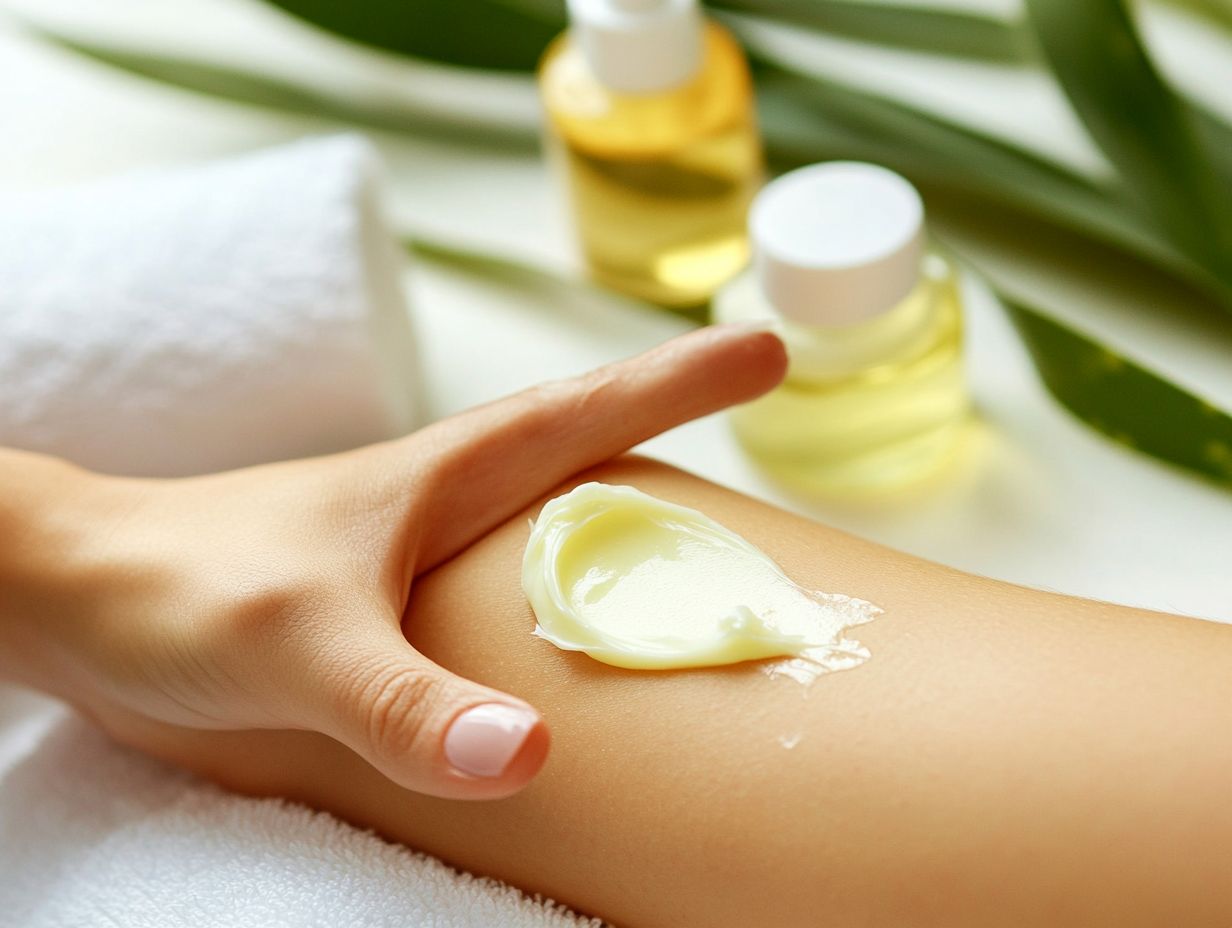
Managing skin issues during radiation therapy involves using gentle cleansing with mild soap, applying moisturizing creams or skin products, and wearing loose-fitting clothing to minimize irritation and protect the skin surface.
Regular skin assessments by healthcare providers and dermatologists help in early detection and treatment of skin changes and prevent complications.
Avoidance of sunlight on treated areas, use of prescribed topical treatments, and following healthcare team precautions can further manage skin irritation and prevent damage.
Preventive Measures and Treatment Options
Preventive measures for skin care during radiation therapy include using gentle soaps, regular moisturizing, following health care team guidelines, and adopting lifestyle changes to prevent skin damage.
Treatment options involve applying recommended creams or ointments to minimize irritation, enhance hydration, and prevent infection. Consultations with dermatologists may be necessary for specialized care.
Patients should use specially formulated skin care products and follow tailored advice from their health care team and dermatologists based on individual reactions to radiation therapy.
Caring for the Skin after Radiation Therapy
Caring for skin after radiation therapy involves using gentle, fragrance-free moisturizers to maintain hydration and prevent dryness.
Post-radiation skin care includes avoiding tight clothing, protecting skin from sun exposure with clothing or SPF, and consulting with healthcare professionals for specific ointments or creams.
Consistent skin care practices, along with dermatological advice, promote healing, minimize scarring, and prevent further skin problems after radiation therapy.
Tips for Healing and Minimizing Scarring
To promote healing and minimize scarring after radiation therapy, keep skin moisturized and avoid irritants.
- Use gentle, fragrance-free moisturizers to support skin healing.
- Avoid harsh soaps, exfoliants, and products with alcohol or strong fragrances to prevent irritation.
Consult a dermatologist or onco-dermatologist for personalized skincare advice during recovery to address any lasting symptoms or complications.
Emotional and Mental Health Considerations

Emotional and mental health considerations for patients undergoing radiation therapy involve addressing stress, anxiety, depression, and fatigue that may arise during cancer treatment.
Support systems, including counseling and therapy, help patients manage these emotional challenges and improve their quality of life.
Access to mental health resources, such as support groups and psychiatric care, is crucial in maintaining well-being during treatment.
Support and Coping Strategies
Support and coping strategies in cancer treatment involve psychological resources and peer support to help patients manage emotional challenges during treatment.
These strategies include:
- Counseling services
- Peer-led support groups
- Mental health resources provided by healthcare teams
Support and coping strategies aim to improve emotional well-being and provide comprehensive care.
Frequently Asked Questions
How Can I Manage Skin Issues from Radiation Therapy?
Radiation therapy can cause various skin issues, such as redness, dryness, and itching. Here are some ways to manage them.
What can I do to prevent skin issues from radiation therapy?
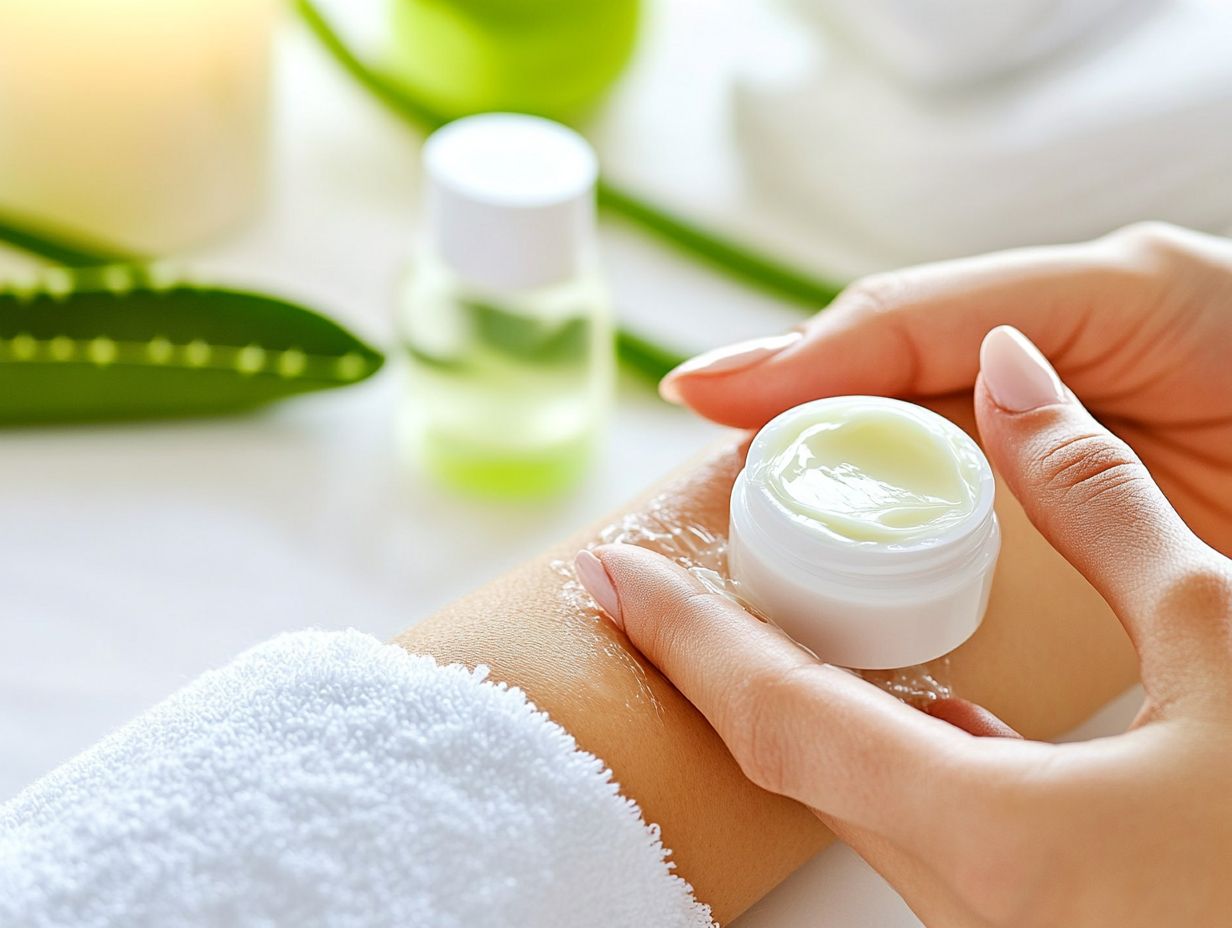
Before starting your treatment, talk to your doctor about using a moisturizer and sunscreen. These can help protect your skin from the effects of radiation.
What should I do if my skin becomes red and irritated?
If your skin becomes red, sore, or irritated during radiation therapy, talk to your doctor. They may recommend a topical cream or ointment to soothe and heal the affected area.
Is it safe to use over-the-counter skincare products during radiation therapy?
It is always best to consult with your doctor before using any skincare products during radiation therapy. They can advise if the products contain ingredients that may irritate your skin or interfere with your treatment.
Can I continue my regular skincare routine during radiation therapy?
During radiation therapy, it is important to avoid harsh products that may further irritate your skin. Stick to gentle, fragrance-free products and avoid exfoliants or scrubs.
How can I protect my skin during radiation therapy?
Aside from using moisturizers and sunscreen, you can also protect your skin by wearing loose-fitting clothing made of soft, breathable fabrics. Avoid tight clothing that can rub against your skin and cause irritation.
What should I do if my skin starts to peel or blister?
If your skin starts to peel or blister during radiation therapy, it is important to let your doctor know. They may recommend an ointment or dressing to protect the affected area and prevent infection.