The coexistence of cancer and pregnancy presents unique challenges that require specialized care to ensure the health and safety of both mother and fetus. This complex situation involves diagnosing and treating cancer without compromising fetal development.
Common cancers during pregnancy include melanoma, breast cancer, cervical cancer, lymphomas, and leukemias. Treatment options must be carefully selected and tailored to minimize risks to both mother and child, with healthcare providers considering factors such as the type of cancer and the pregnancy stage.
Managing this dual diagnosis involves a multidisciplinary approach, including safe diagnostic techniques, tailored treatment strategies including surgical treatment, and strong emotional and psychological support for expectant mothers.
Key Takeaways:
Understanding Cancer and Pregnancy

“Cancer and pregnancy” refers to the occurrence of cancer in pregnant women, presenting unique challenges for treatment and fetal health.
Diagnosis and treatment of cancer during pregnancy require careful consideration of both maternal and fetal safety.
Common cancers in pregnancy include:
- melanoma
- breast cancer
- cervical cancer
- lymphomas
- leukemias
Treatment options, such as chemotherapy and surgery, must be tailored to minimize risks to both mother and child.
How Cancer Can Affect Pregnancy
Cancer can affect pregnancy by impacting maternal health and fetal development.
Cancer in pregnancy may lead to delayed diagnosis due to hormonal changes masking symptoms.
Early detection is vital for both maternal health and fetal safety, necessitating vigilant medical care.
Diagnosing Cancer During Pregnancy
Diagnosing cancer during pregnancy involves using safe imaging methods like ultrasound and MRI to ensure fetal safety while identifying cancer. Other diagnostic tools include tumor markers and surgical biopsy.
Healthcare practitioners prioritize fetal health during diagnosis by selecting imaging techniques that accurately detect cancer without harming the fetus.
Diagnostic Techniques and Risks
Diagnostic techniques for cancer diagnosis during pregnancy include ultrasound and MRI, each with distinct risks. Ultrasound is generally safe, while MRI requires careful evaluation to minimize fetal risks.
Additional diagnostic methods like CT scans and biopsies present varying safety levels, necessitating cautious assessment. Health practitioners must carefully consider the use of anesthetic drugs during these procedures.
Healthcare providers must balance accurate diagnosis against risks like radiation exposure and sedation effects. A multidisciplinary approach involving obstetricians, radiologists, and oncologists is critical for comprehensive clinical decisions prioritizing maternal and fetal safety.
Treatment Options for Cancer During Pregnancy
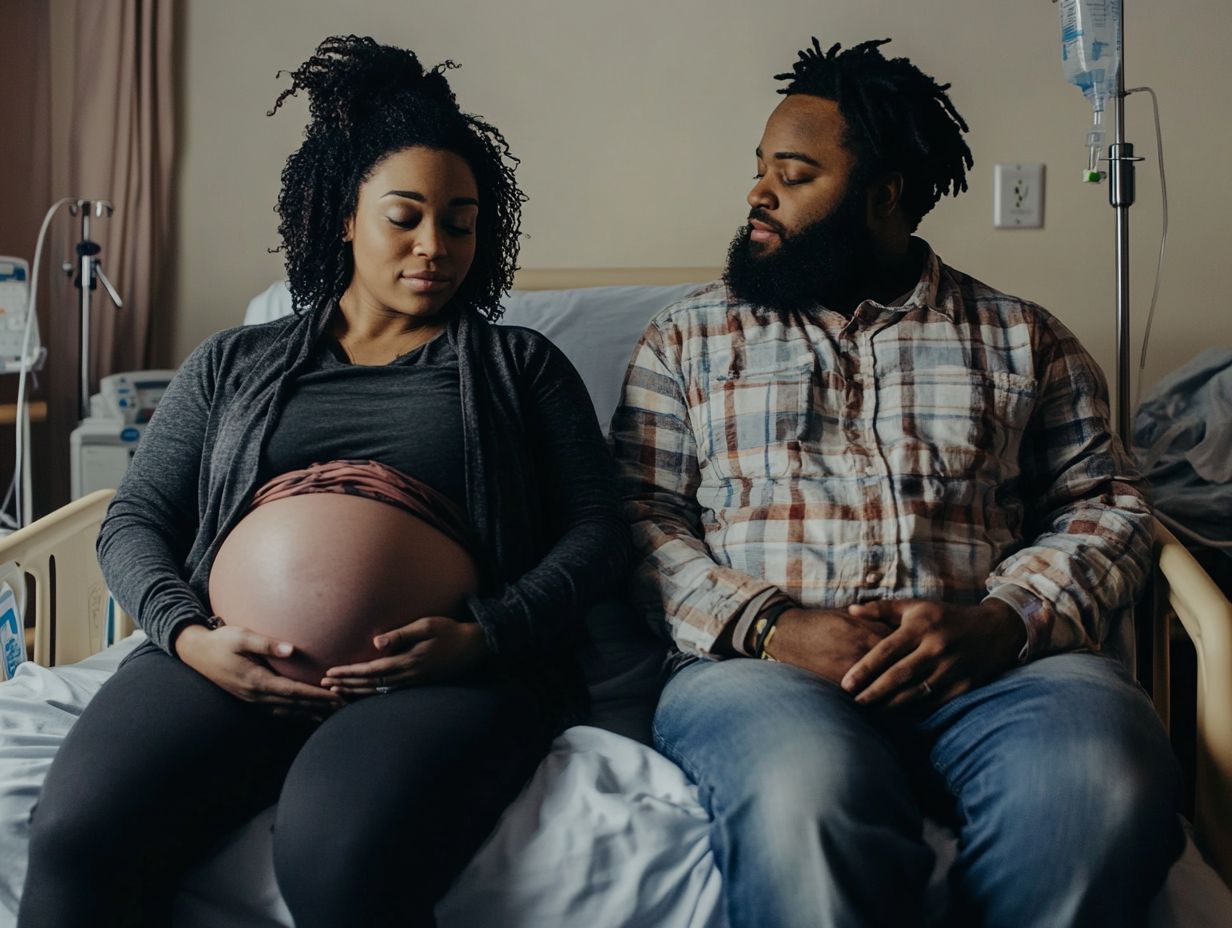
Treatment options for cancer during pregnancy include chemotherapy, surgery, targeted therapy, and immunotherapy.
Chemotherapy is typically safe during the second and third trimesters but avoided in the first trimester.
Surgery is often chosen to remove tumors without harming the fetus.
Targeted therapy and immunotherapy are considered based on cancer type and pregnancy stage.
Healthcare providers prioritize balancing effective cancer treatment with fetal safety.
Effectiveness and Risks of Different Treatments
Cancer treatment effectiveness and risks vary during pregnancy, affecting fetal safety. Chemotherapy, radiotherapy, surgery, targeted therapy, and immunotherapy each pose different risks, and are selected based on the clinical presentation and histological types of cancer.
Radiotherapy carries a high risk of birth defects, especially in the first trimester, while some targeted therapies may be safer later in pregnancy. Treatment timing and dosage adjustments are crucial to minimize fetal risk while treating cancer effectively.
Managing Pregnancy and Cancer
Managing pregnancy alongside cancer involves coordinated care from a multidisciplinary team of healthcare practitioners to ensure the health of both mother and fetus. This includes addressing the impacts of hormonal changes and immunological suppression on cancer management.
Medical management includes tailored cancer treatments that consider the stage of pregnancy, while continuous monitoring ensures fetal well-being.
Emotional and psychological support is crucial, providing expectant mothers with resources to cope with the dual challenges of pregnancy and cancer diagnosis. This support is vital for maintaining maternal health throughout the treatment process.
Support and Care During Treatment
Support and care during cancer treatment in pregnancy involve providing comprehensive medical, emotional, and psychological assistance to expectant mothers undergoing cancer therapy, including those with central nervous system (CNS) involvement.
Support during cancer treatment includes:
- Medical treatment
- Counseling services for emotional support
- Support groups for shared experiences
Care involves the involvement of family members for encouragement and practical help, contributing to the overall well-being of pregnant women.
Effective support and care improve emotional health and positively influence treatment outcomes.
Possible Outcomes and Risks
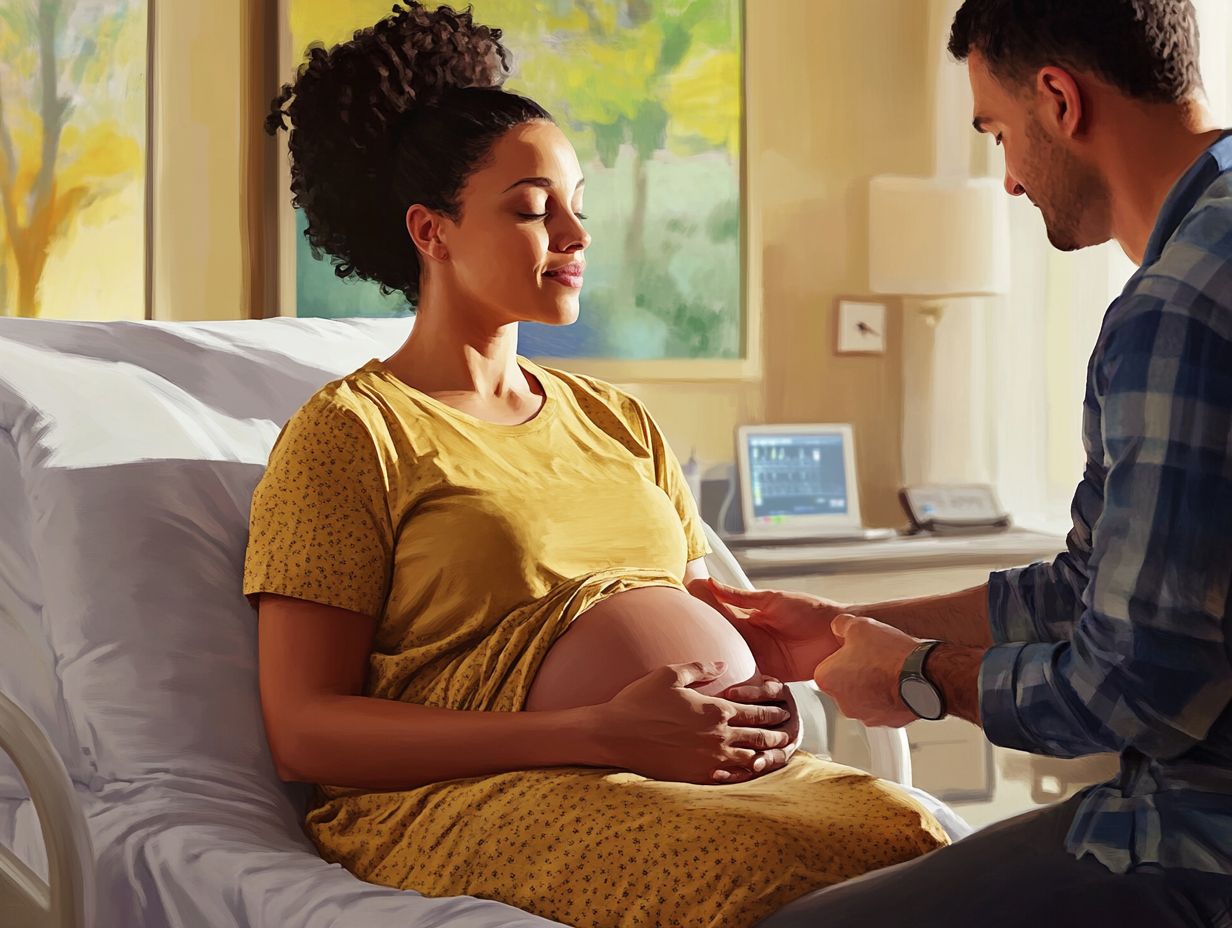
Possible outcomes of cancer during pregnancy include successful treatment and safe maternal and fetal health, but risks involve potential harm to the fetus, treatment complications, and maternal health challenges.
Outcomes and risks depend on cancer type, stage, and treatment, with careful management needed to protect both mother and child.
Impact on Pregnancy and Baby
Cancer during pregnancy can impact both the mother and baby by increasing risks such as preterm birth and fetal developmental issues.
The type of cancer and treatment methods, including chemotherapy, radiotherapy, and surgery, influence these risks.
Healthcare providers may advise adjusting treatment plans to minimize risks to fetal health.
Maternal health monitoring and supportive care remain crucial throughout pregnancy.
Preventing Cancer During Pregnancy
Preventing cancer during pregnancy involves adopting healthy lifestyle habits, such as maintaining a balanced diet, avoiding tobacco and alcohol, and engaging in regular physical activity.
Regular health check-ups and screenings recommended by healthcare providers are essential during pregnancy to monitor health and potentially identify any early signs of cancer.
Women planning pregnancy or currently pregnant should consult healthcare professionals for personalized advice on cancer prevention.
Healthy Habits and Screening Recommendations
Adopting healthy habits and following screening recommendations are crucial for reducing cancer risk during pregnancy.
Healthy habits include:
- Regular check-ups
- A balanced diet
- Daily exercise like walking or prenatal yoga
- Stress management techniques such as mindfulness meditation
Screening recommendations involve regular monitoring of blood pressure and glucose levels to ensure maternal and fetal health.
Frequently Asked Questions
What Should I Know About Cancer and Pregnancy?
If I am pregnant and diagnosed with cancer, will it harm my baby?
According to the American Cancer Society, most cancer treatments are safe for the baby during the second and third trimester. However, it is important to speak with your doctor about the potential risks and benefits of treatment options.
What Should I Know About Cancer and Pregnancy?
Can I still have a healthy pregnancy if I have been diagnosed with cancer?
Yes, many women have successful and healthy pregnancies after being diagnosed with cancer. It is important to work closely with your medical team to monitor your health and your baby’s health throughout the pregnancy.
What Should I Know About Cancer and Pregnancy?
How does cancer treatment during pregnancy affect my fertility?
Some cancer treatments, such as chemotherapy, may affect your fertility. It is important to discuss fertility preservation options with your doctor before beginning treatment.
What Should I Know About Cancer and Pregnancy?
What are the risks of delaying cancer treatment until after pregnancy?
Depending on the type and stage of cancer, delaying treatment can increase the risk of the cancer spreading or becoming more difficult to treat. It is important to discuss the risks and benefits of delaying treatment with your medical team.
What Should I Know About Cancer and Pregnancy?
Can pregnancy hormones affect the growth or spread of cancer?
There is currently no evidence that pregnancy hormones have an effect on the growth or spread of cancer. However, it is important to monitor the cancer closely during and after pregnancy to ensure proper treatment.
What Should I Know About Cancer and Pregnancy?
Is it safe to breastfeed if I have been treated for cancer during pregnancy?
It is important to discuss breastfeeding with your doctor, as some cancer treatments can be passed through breast milk. They can help you make the best decision for you and your baby’s health.