Post-treatment follow-up is vital for cancer survivors, offering a comprehensive approach to monitor health, manage side effects, and ensure personalized care after treatment. These follow-ups play a crucial role in identifying late effects of cancer treatments, such as those experienced after chemotherapy, addressing chronic pain, anxiety, and weight gain. They support long-term health recovery with ongoing assistance from healthcare providers, including survivorship clinics like those at MD Anderson.
During follow-up care, survivors benefit from regular check-ups, preventive screenings, and discussions on lifestyle recommendations, enhancing overall recovery and emotional wellbeing. This process involves evaluations, including a holistic needs assessment and:
- Physical exams
- Imaging tests
- Blood work
It can also incorporate telehealth consultations on a telehealth platform and lifestyle counseling sessions, offering nutritional advice and exercise plans as part of the comprehensive aftercare.
Effective communication with healthcare teams and patient navigators is key to addressing concerns, managing symptoms, and ensuring quality of life. By engaging in long-term follow-up care, survivors receive ongoing monitoring, emotional support, and access to community resources, fostering a holistic recovery journey and promoting sustained health improvement. This includes self-management strategies and living well practices to prevent cancer recurrence.
Key Takeaways:
Importance of Post-Treatment Follow-Up

Post-treatment follow-up is essential for cancer survivors to monitor health, manage side effects, and provide personalized care.
Follow-up care identifies late effects of cancer treatments and addresses chronic pain or anxiety.
Post-treatment follow-up supports long-term health recovery and ensures ongoing support from healthcare providers.
Why Follow-Up Care is Necessary
Follow-up care is necessary for cancer survivors to monitor recurrence and provide ongoing support.
Follow-up care involves regular check-ups and tests to detect health changes early, ensure timely treatment, and provide a treatment summary that aids in understanding long-term effects and cancer recurrence.
Emotional support through healthcare teams, support groups, and online chat platforms helps survivors manage anxiety, improve emotional health, and connect with others facing similar challenges.
What to Expect During a Post-Treatment Follow-Up
During a post-treatment follow-up, patients undergo evaluations including physical exams, imaging tests, and blood work to assess recovery and detect any recurrence of cancer.
The follow-up also involves discussions about managing side effects, ongoing health issues, and lifestyle recommendations to support recovery.
Regular follow-up appointments, including patient-led follow-up visits, help monitor patient health, ensure effective post-treatment care, and encourage mental wellbeing through consistent health monitoring and self-management tactics.
Types of Follow-Up Appointments
Types of follow-up appointments for cancer survivors include:
- Routine check-ups
- Preventive screenings
- Telehealth consultations
- Physical examinations
- Blood tests
- Lifestyle counseling sessions
Routine check-ups monitor health, while preventive screenings like mammograms or colonoscopies detect potential issues, aiding in relapse prevention and contributing to comprehensive survivorship care.
Telehealth offers convenience, and lifestyle counseling focuses on nutrition and exercise to support recovery.
Common Procedures and Tests
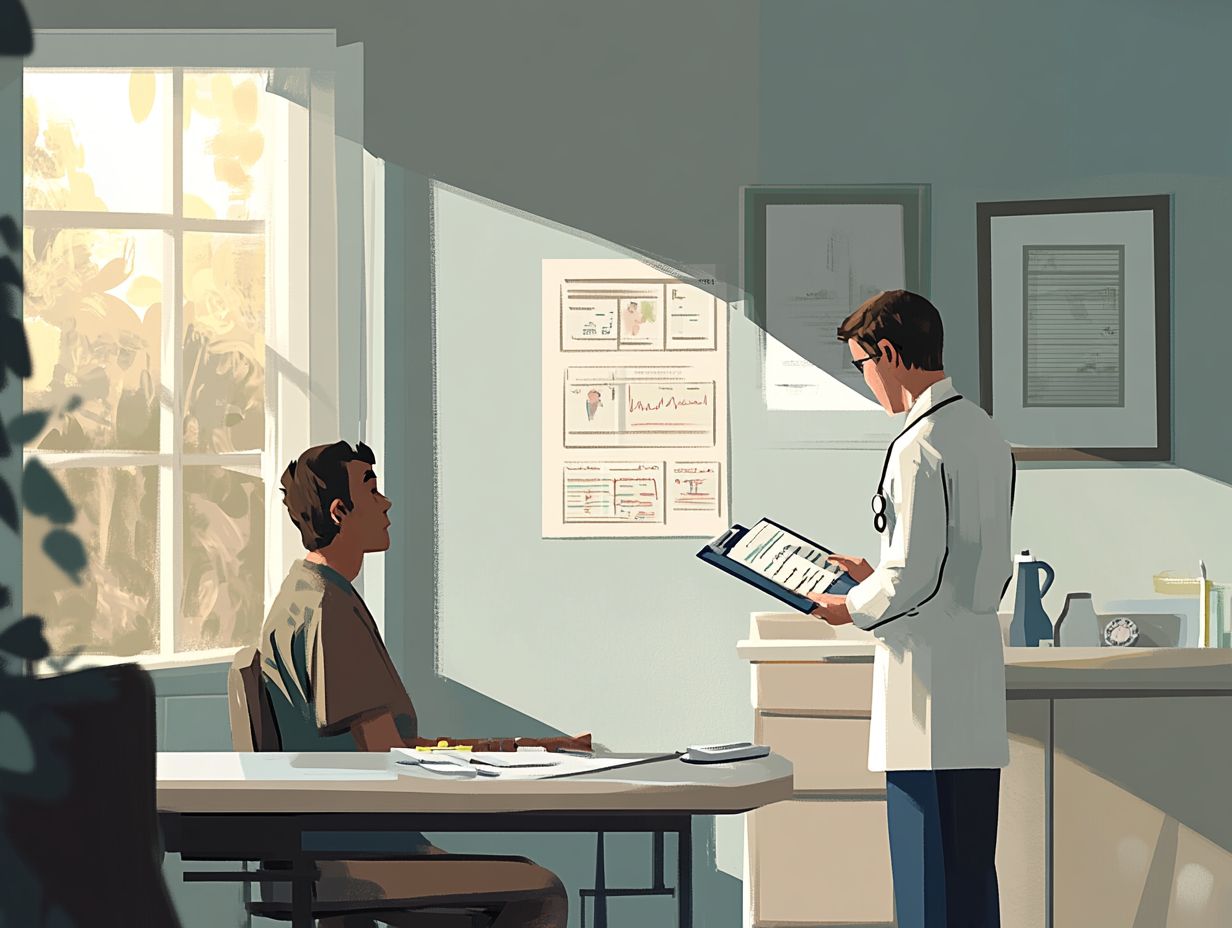
Common procedures and tests in follow-up cancer care include blood tests, imaging studies, and maintaining a symptom diary to monitor post-treatment effects.
Blood tests check biomarkers for tumor activity and organ function.
Imaging studies, such as CT scans and MRIs, detect changes in tumors or new anomalies.
A symptom diary records issues like fatigue and pain, aiding communication with healthcare providers.
Addressing Concerns and Questions
Patients should address any concerns and questions with their healthcare team during follow-up visits.
Addressing concerns ensures patients receive proper emotional support and guidance post-treatment.
How to Communicate with Your Healthcare Team
Communicating effectively with your healthcare team involves preparing questions, noting symptoms before appointments, and using patient portals for efficient information exchange.
Build a rapport with healthcare professionals to ensure open dialogue and address concerns directly.
Utilize online resources and in-person discussions to improve communication with your healthcare team.
Monitoring Progress and Managing Side Effects
Monitoring progress involves tracking a patient’s recovery and response to cancer treatment through regular check-ups and medical tests.
Managing side effects involves addressing issues like chronic pain, weight gain, and anxiety with appropriate medical interventions, lifestyle changes, and support services.
Monitoring progress and managing side effects are crucial for ensuring quality of life post-treatment.
Tracking Recovery and Managing Symptoms

Tracking recovery and managing symptoms can be achieved by using a symptom diary and incorporating proper nutrition and exercise into daily routines.
Using a symptom diary helps individuals identify symptom patterns and triggers.
Proper nutrition fuels the body and mind, while regular exercise enhances well-being.
These strategies create a holistic approach to symptom management and recovery.
Long-Term Follow-Up Care
Long-term follow-up care involves ongoing monitoring and support for cancer survivors to manage late effects of treatment, prevent relapse, and improve quality of life.
Long-term follow-up care includes:
- Regular health check-ups
- Screening for secondary cancers
- Addressing psychological and emotional health needs
This care ensures that survivors receive comprehensive health management post-treatment.
Importance of Ongoing Monitoring and Support
Ongoing monitoring and support for cancer survivors are crucial for emotional wellbeing and access to community resources.
These efforts help manage anxiety, depression, weight gain, and fear of recurrence, providing emotional support and promoting mental health and wellbeing.
Local organizations provide support groups, counseling, integrative medicine centers, and wellness programs to enhance quality of life and community connection, fostering a support network significant in relapse prevention.
Support aids emotional recovery and promotes long-term health.
Frequently Asked Questions
What should I expect during a post-treatment follow-up?
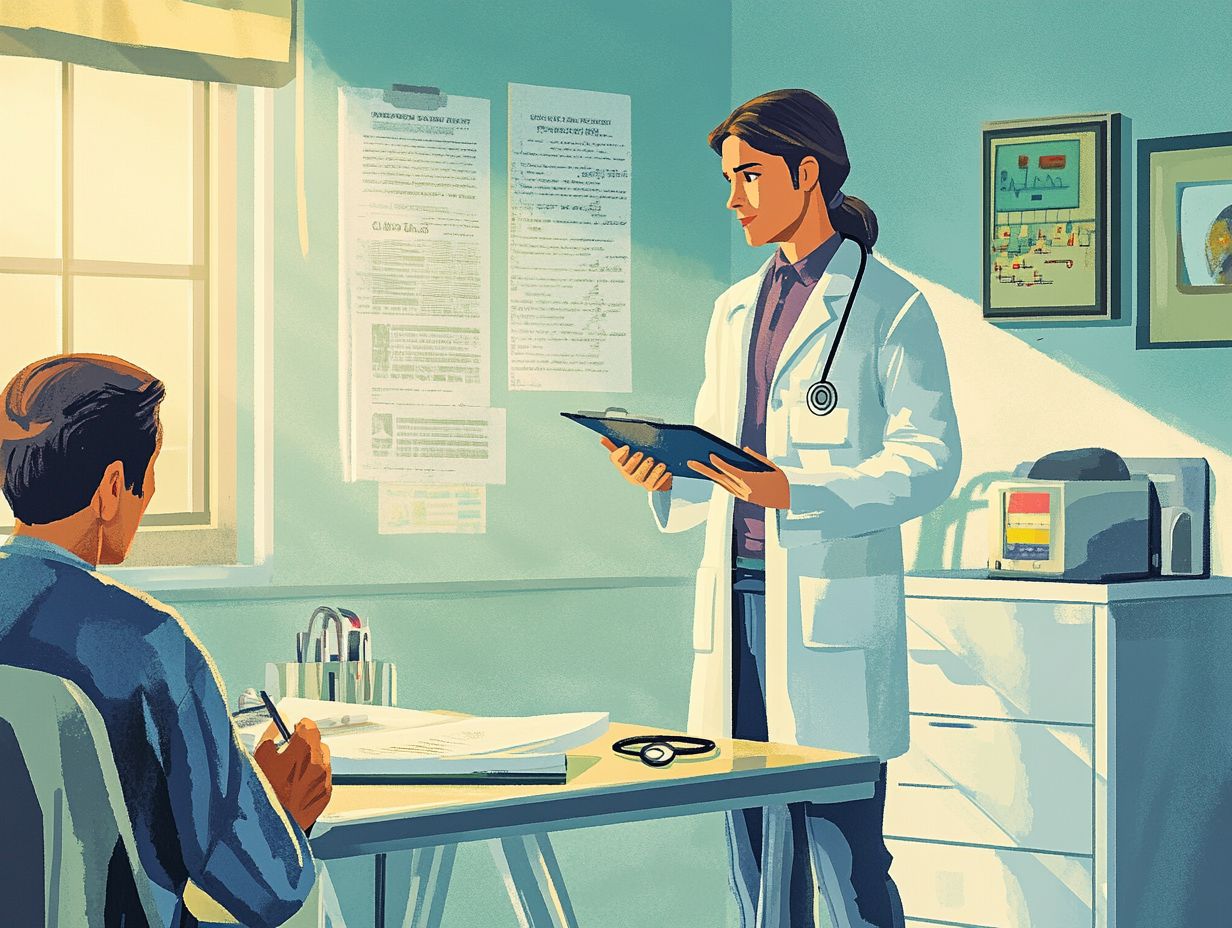
During a post-treatment follow-up, you can expect to meet with your healthcare provider to discuss your progress and any potential concerns. They may also perform tests or exams to monitor your condition.
How long after my treatment will the follow-up take place?
The timing of your post-treatment follow-up will depend on the type of treatment you received and your individual situation. Generally, it will take place within a few weeks to a few months after your treatment.
Will I need to bring anything with me to the follow-up appointment?
It is always a good idea to bring any relevant medical records, test results, or medication lists to your follow-up appointment. This will help your healthcare provider better understand your overall health and treatment plan.
What types of tests or exams may be done during a post-treatment follow-up?
The specific tests or exams done during a post-treatment follow-up will vary based on your condition and treatment. Some common ones include blood work, imaging scans, physical exams, and questionnaires about your symptoms.
What should I do if I have concerns or questions before my scheduled follow-up?
If you have any concerns or questions before your scheduled follow-up, do not hesitate to reach out to your healthcare provider. They are there to support you and can address any issues or questions you may have.
How many post-treatment follow-ups will I need?
The number of post-treatment follow-ups you will need will depend on your specific condition and treatment. Your healthcare provider will discuss this with you and schedule follow-ups as needed to monitor your progress and adjust your treatment plan if necessary.