Cancer treatments, while crucial for combating the disease, often come with long-term side effects and late effects that can significantly impact a cancer survivor’s quality of life. These side effects vary depending on the type of treatment and can affect multiple aspects of physical, emotional, and psychological health, such as post-traumatic stress and depression.
Key Types of Cancer Treatments and Their Long-Term Side Effects:
- Chemotherapy: Common long-term effects include fatigue, cognitive changes (“chemo brain”), heart problems, and increased risk of secondary cancers.
- Radiation Therapy: Can cause lung problems, heart complications, and lymphedema, with symptoms like chronic cough and reduced lung capacity. It may also impact the thyroid and lead to secondary cancers.
- Surgery: Risks include infection, chronic pain, and formation of scar tissue, affecting mobility and overall quality of life.
- Immunotherapy: Side effects include fatigue, endocrine disruptions, skin reactions, and gastrointestinal issues, necessitating regular follow-up care.
- Hormone Therapy: Common long-term effects include early menopause, fertility issues, weight gain, and bone thinning.
- Targeted Therapy: Can lead to bone loss, heart problems, and increased risk of cardiovascular disease.
- Stem Cell Transplant: Long-term effects include lymphedema, mouth changes, and joint issues, requiring ongoing management.
Understanding and managing these side effects is crucial for improving the quality of life for cancer survivors. Regular follow-up care, a healthy lifestyle, supportive therapies, and a holistic approach to health can help mitigate these challenges and support long-term recovery. Survivorship programs often provide additional resources for managing these challenges.
Key Takeaways:
1. Chemotherapy

Chemotherapy is a treatment for cancer that uses drugs to kill cancer cells.
Common chemotherapy drugs include doxorubicin, taxanes, and targeted therapies like trastuzumab.
Side effects of chemotherapy can include:
- Nausea
- Fatigue
- Neuropathy
- Increased risk of secondary cancers
Continued medical care and supervision are essential to manage these effects and improve quality of life. Engaging with resources like the Mayo Clinic and Oncolink can provide further guidance for cancer survivors.
2. Common Long-Term Side Effects of Chemotherapy
Common long-term side effects of chemotherapy include:
- Brain changes
- Eye problems
- Hearing problems
- Fatigue
- Mouth changes
- Heart problems
- Cognitive changes (“chemo brain”)
- Hormonal changes (hot flashes, weight gain)
3. Radiation Therapy
Radiation therapy is a cancer treatment that uses high-energy beams like X-rays or protons to destroy cancer cells.
Radiation therapy targets malignant cells while aiming to minimize damage to healthy tissues.
It treats various cancers, including:
- Breast cancer
- Prostate cancer
- Lung cancer
- Head and neck cancers
Side effects of radiation therapy may include:
- Endocrine system disruptions
- Lung issues
- Heart complications
- Oral health changes
4. Common Long-Term Side Effects of Radiation Therapy
Common long-term side effects of radiation therapy include lung problems, heart problems, and lymphedema.
Lung problems manifest as chronic cough or reduced lung capacity.
Heart problems involve an increased risk of heart disease.
Lymphedema causes swelling in limbs.
5. Surgery
Surgery is a primary cancer treatment method involving the removal of tumors or affected tissues.
Types of cancer surgeries include:
- Procedures affecting organs such as the ovaries and testes
- Open surgeries
- Laparoscopic procedures
- Targeted surgeries like mastectomies
Surgery risks include:
- Infection
- Bleeding
- Anesthesia reactions
Recovery involves managing fatigue and pain, with nutritional support and follow-up care aiding healing.
6. Common Long-Term Side Effects of Surgery
Common long-term side effects of surgery include lymphedema, joint changes, chronic pain, and scar tissue formation, potentially affecting mobility and quality of life.
Recognizing these side effects is crucial for providing appropriate follow-up care, addressing potential fertility and hormonal issues like early menopause, particularly in breast cancer patients.
7. Immunotherapy
Immunotherapy is a cancer treatment that uses the immune system to target and destroy cancer cells.
Immunotherapy works by stimulating the body’s natural defenses to recognize and attack tumor cells effectively.
This treatment can cause side effects like fatigue and endocrine disruptions, making regular follow-up care essential for survivors.
8. Common Long-Term Side Effects of Immunotherapy
Common long-term side effects of immunotherapy include:
- Fatigue
- Endocrine system disruptions
- Skin reactions
- Gastrointestinal issues
- Respiratory challenges
Monitoring and managing these side effects are crucial for maintaining quality of life.
Regular follow-up appointments with healthcare teams help address symptoms promptly.
9. Hormone Therapy
Hormone therapy is a cancer treatment that targets hormone-receptor-positive cancers by altering the body’s hormone levels.
Hormone therapy aims to slow or stop the growth of cancers, such as breast and prostate cancer, by disrupting hormones.
Side effects of hormone therapy include early menopause and fertility issues, affecting quality of life post-treatment.
10. Common Long-Term Side Effects of Hormone Therapy
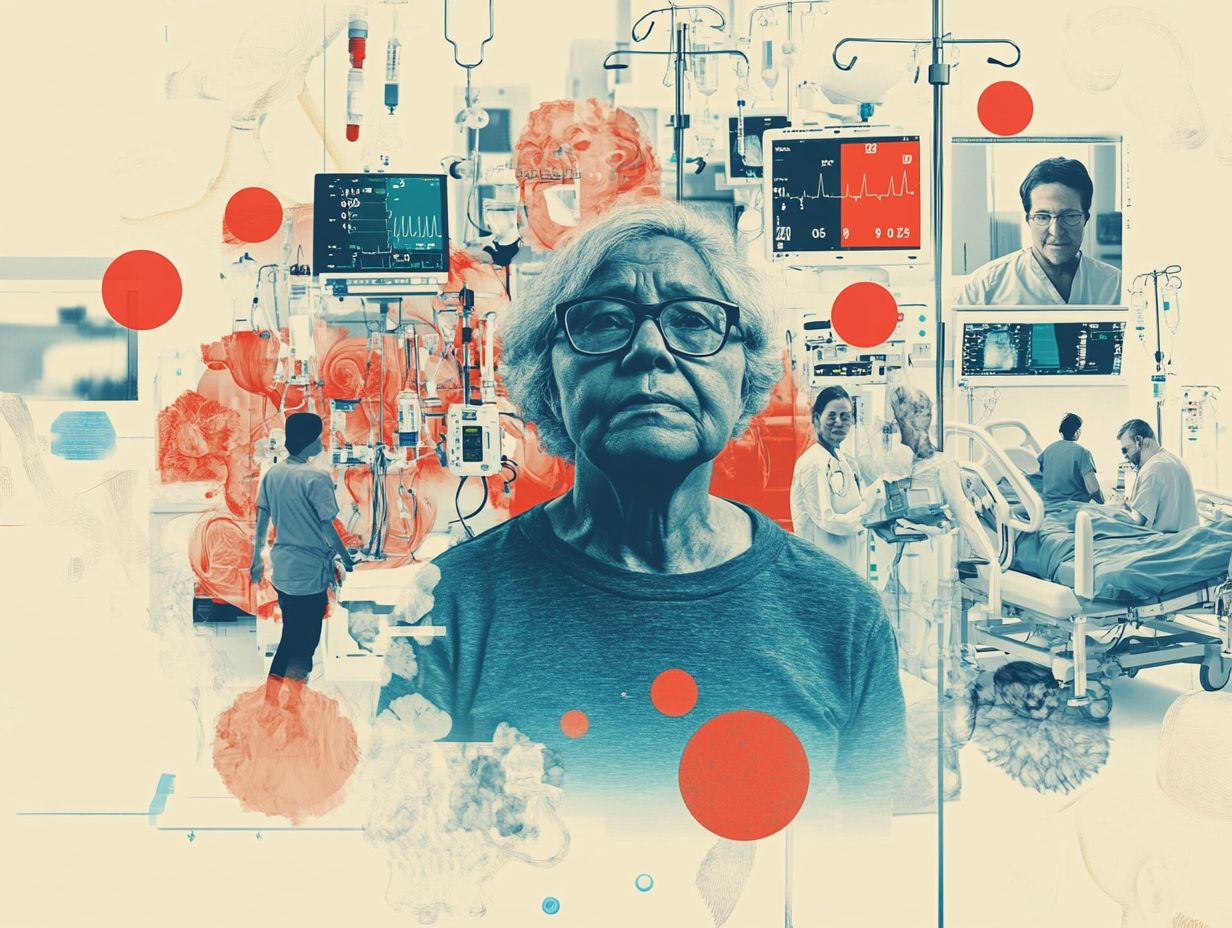
Common long-term side effects of hormone therapy include:
- Early menopause
- Fertility issues
- Weight gain
- Bone thinning
- Cardiovascular problems
- Mood changes
Hormone therapy impacts quality of life by causing these physical and emotional challenges, including effects on reproductive health and mood changes, which may require consultation with healthcare providers such as audiologists and nutritionists.
Awareness of these side effects is crucial for effective management and follow-up care.
11. Targeted Therapy
Targeted therapy is a cancer treatment that attacks cancer cells based on their genetic makeup, minimizing damage to healthy tissues.
Targeted therapy works by focusing on specific molecular targets associated with cancer, leading to potentially higher efficacy and fewer side effects compared to traditional chemotherapy.
Patients may experience side effects such as:
- bone loss
- heart problems
- fatigue
- skin changes
- gastrointestinal issues
Regular monitoring and a healthy lifestyle are essential for managing these effects and enhancing recovery.
12. Common Long-Term Side Effects of Targeted Therapy
Common long-term side effects of targeted therapy include:
- Bone loss
- Heart problems
- Fractures
- Increased risk of cardiovascular disease
- Medication interactions
Regular monitoring and proactive care strategies are essential to manage these side effects effectively.
13. Stem Cell Transplant
A stem cell transplant is a medical procedure that replaces damaged or diseased bone marrow with healthy stem cells, often used to treat certain cancers.
Stem cell transplants can lead to remission but may cause late effects like lymphedema and mouth changes.
Post-transplant care involves regular check-ups, a balanced diet, and physical activity to manage complications.
Emotional support through counseling is advised for better adaptation post-treatment.
14. Common Long-Term Side Effects of Stem Cell Transplant
Common long-term side effects of stem cell transplants include lymphedema, mouth changes, and joint changes.
Fatigue, cognitive changes, and increased susceptibility to infections are also frequent.
These side effects impact survivors’ quality of life and require ongoing management.
15. Palliative Care
Palliative care is specialized medical care focused on providing relief from the symptoms and stress of serious illnesses, such as cancer.
Palliative care aims to improve quality of life for patients and support their families by addressing physical, emotional, and psychological needs.
This care involves a team approach that includes:
- Counseling
- Support groups
- Coordination between healthcare providers and patients
Palliative care also facilitates open communication and offers resources to help manage health challenges effectively during recovery.
16. Common Long-Term Side Effects of Palliative Care
Common long-term side effects of palliative care include ongoing emotional challenges like anxiety and depression, which can impact quality of life post-treatment.
Feelings of isolation and uncertainty about the future may also persist, affecting daily life and recovery.
Counseling, support groups, and mindfulness practices are important for managing these emotional challenges and improving overall well-being.
17. Complementary and Alternative Medicine
Complementary and Alternative Medicine (CAM) includes non-conventional therapies like acupuncture and herbal supplements used alongside standard treatments to improve quality of life for cancer survivors.
CAM helps manage side effects and enhance recovery, but it requires consultation with healthcare providers to ensure safety and avoid interactions with conventional treatments and long-term follow-up care to monitor late effects.
18. Common Long-Term Side Effects of Complementary and Alternative Medicine
Complementary and alternative medicine long-term side effects include potential interactions with conventional treatments, reduced effectiveness of prescribed medications, altered drug metabolism, and possible impacts on the endocrine system.
Herbal remedies may amplify side effects, including heart problems or bone loss, or lead to unexpected health consequences.
Patients should consult healthcare providers to manage these risks and ensure safe treatment integration.
19. Mental and Emotional Effects

Cancer treatment impacts mental and emotional health, often leading to post-traumatic stress, depression, and anxiety in survivors.
Emotional challenges include feelings of isolation and anxiety about recurrence.
Support groups, peer counseling, and therapy help cancer survivors cope with mental health effects.
Specialized organizations, such as survivorship programs, offer support for psychological well-being and community building.
20. Common Mental and Emotional Side Effects of Cancer Treatment
Common mental and emotional side effects of cancer treatment include depression, anxiety, post-traumatic stress, and fear.
Cancer treatment impacts emotional well-being due to the stress of diagnosis, treatment side effects, and concerns about recurrence.
Support groups, mindfulness, and professional therapy help manage these mental health challenges.
21. Impact on Relationships and Daily Life
Cancer treatment impacts relationships and daily life by causing physical challenges like fatigue and lung problems, and emotional challenges that strain personal connections and alter daily routines.
Survivors may face energy fluctuations and emotional stress, affecting relationships and activities.
Open communication, support groups, and tailored routines can help manage these impacts.
22. Common Challenges in Relationships and Daily Life
Common challenges in relationships and daily life during and after cancer treatment include communication issues, emotional strain, and disrupted daily routines.
These challenges often lead to feelings of isolation and misunderstandings among family and friends.
Addressing these challenges requires open communication, discussing fears and needs to maintain strong connections.
Support groups provide platforms for sharing experiences and gaining insights, aiding emotional healing.
23. Risk of Secondary Cancers
Cancer survivors face an increased risk of secondary cancers, requiring ongoing vigilance and follow-up care.
Common secondary cancers include leukemia and additional solid tumors, particularly after treatment for breast, lung, or colorectal cancers.
Risk factors include the type of initial cancer, treatments like chemotherapy and radiation, and genetic predispositions.
Regular screenings and proactive health measures are essential for early detection of secondary cancers.
24. Common Types of Secondary Cancers and Risk Factors
Common types of secondary cancers include breast cancer, lung cancer, and colorectal cancer.
Risk factors for secondary cancers in cancer survivors include factors like:
- Genetic predisposition
- Type of primary cancer treated
- Chemotherapy, which can lead to secondary cancers like leukemia and lung problems
- Radiation
Lifestyle choices such as smoking, poor diet, and lack of exercise also increase the risk of secondary cancers.
Regular follow-up care and screenings are critical for early detection and improving outcomes, especially for risk factors involving organs like the thyroid, lungs, and heart.
25. Financial Burden
The financial burden of cancer treatment involves high costs for diagnosis, hospital stays, therapies, and follow-up appointments.
Cancer survivors may face direct medical expenses and ancillary costs like travel and lost wages.
To manage financial strain, cancer survivors should explore insurance options, financial aid programs, and community resources to assist with medical bills.
26. Common Financial Challenges and Resources
Common financial challenges for cancer survivors include high medical bills, lost income, and ongoing care costs.
These challenges can be managed by utilizing resources such as the American Cancer Society and CancerCare, which offer financial assistance programs.
Survivors can also explore government benefits like Social Security Disability Insurance (SSDI) or Medicaid to support financial stability.
Creating a budget and accessing financial counseling are practical strategies to manage finances effectively.
27. Impact on Fertility and Sexual Health
Cancer treatment impacts fertility and sexual health by causing side effects that affect hormonal balance, potentially leading to early menopause and affecting reproductive organs like the ovaries and testes.
Common treatments like chemotherapy, radiation, and surgery can lead to decreased libido, menstrual cycle changes, and potential infertility.
Coping strategies include:
- seeking counseling
- joining support groups
- exploring fertility preservation or sexual health therapy
Resources such as fertility clinics and sexual health specialists offer personalized guidance for post-treatment recovery.
28. Common Side Effects and Coping Strategies for Maintaining Fertility and Sexual Health
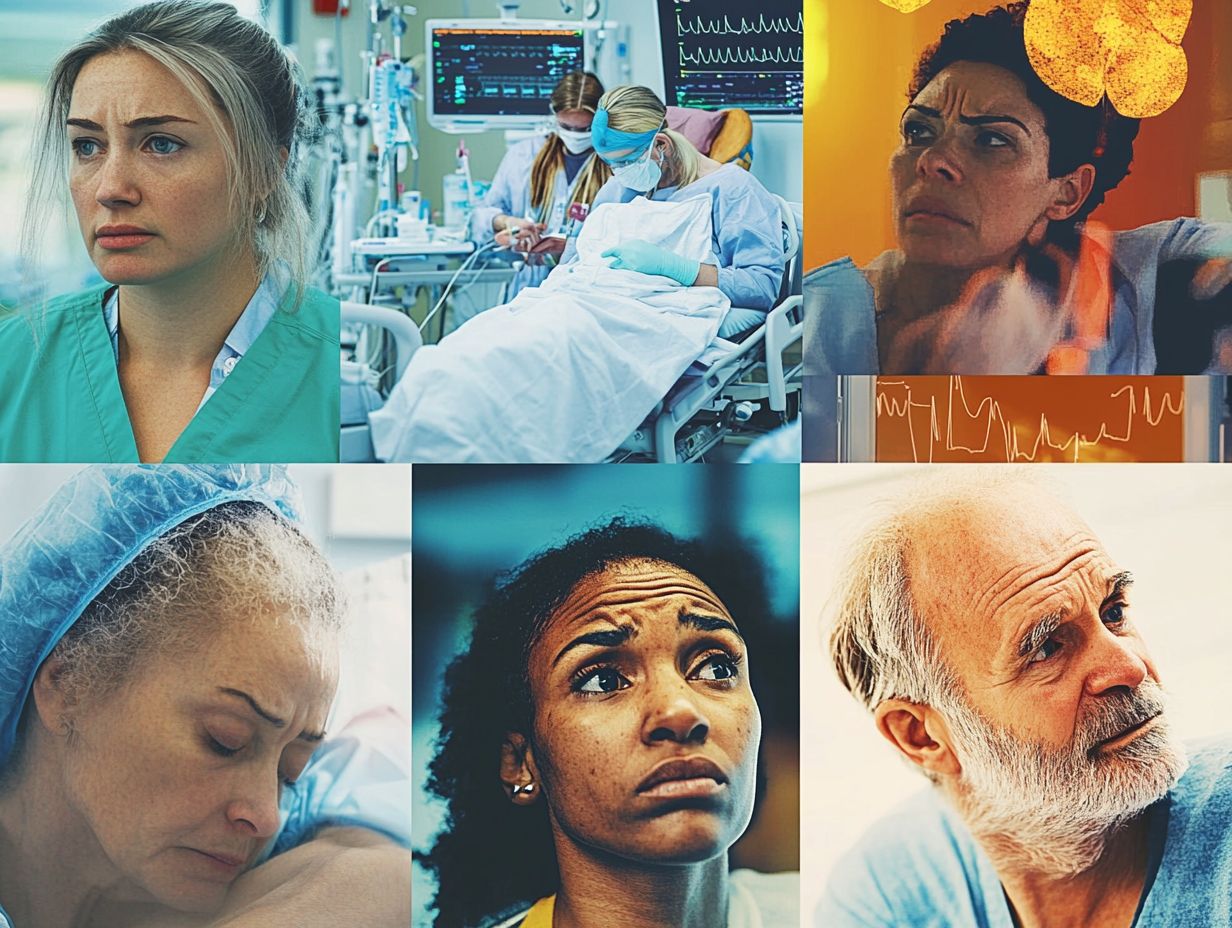
Common side effects affecting fertility and sexual health after cancer treatment include impacts on the ovaries, testes, and other reproductive organs:
- hormonal changes
- vaginal dryness
- erectile dysfunction
- reduced libido
Coping strategies involve open communication with partners, use of lubricants, therapy, and medical interventions.
Support groups and professional counseling can aid in emotional recovery and provide resources for managing these challenges.
29. Quality of Life
Quality of life for cancer survivors involves managing physical well-being, like addressing joint changes and hearing problems, and emotional well-being during and after treatment.
Cancer treatment impacts quality of life through side effects like fatigue and pain, affecting daily activities.
Emotional health, including anxiety and depression, is influenced by the illness experience and fear of recurrence.
Social support from family, friends, and groups is crucial for enhancing survivors’ quality of life.
Adopting healthy lifestyle changes, such as physical activity and a nutritious diet, boosts quality of life.
30. Factors That Can Affect Quality of Life During and After Cancer Treatment
Quality of life during and after cancer treatment is affected by physical health, emotional well-being, social support, and lifestyle factors.
Physical activity, mental health resources, social connections, and a healthy lifestyle, including proper nutrition, improve overall well-being.
Support from healthcare providers and participation in support groups enhance emotional well-being.
A holistic approach involves addressing these factors to improve life quality and satisfaction for cancer survivors.
Frequently Asked Questions
What Are the Long-Term Side Effects of Cancer Treatments?
Cancer treatments can have various long-term side effects, also known as late effects, that can affect a person’s health for years after treatment has ended. These late effects can vary depending on the type of treatment, the individual’s overall health, and other factors.
What are some common long-term side effects of chemotherapy?
Chemotherapy, a common cancer treatment, can cause long-term side effects such as nerve damage, heart problems, and an increased risk of developing other cancers, including second primary cancers.
Can radiation therapy have long-term side effects?
Yes, radiation therapy can have long-term side effects such as damage to healthy cells and tissues, leading to problems with organs like the heart and lungs, or bodily functions, and may cause brain changes.
Do targeted therapy treatments have any long-term side effects?
While targeted therapy treatments are designed to target specific cancer cells, they can also affect healthy cells and cause long-term side effects such as fatigue, nausea, and an increased risk of infections, as well as potential hearing problems and eye problems.
Are there any long-term side effects of surgery for cancer?
Surgery is a common treatment for cancer, and while it can effectively remove cancerous tumors, it can also cause long-term side effects such as scarring, nerve damage, and changes in bodily functions.
Can long-term side effects of cancer treatments be managed or prevented?
While some long-term side effects of cancer treatments cannot be prevented, they can often be managed through lifestyle changes, proper nutrition, medications, and other supportive therapies. It is important to discuss any concerns with your healthcare team, such as those at Mayo Clinic or Oncolink, to develop a plan for managing these side effects.