After undergoing cancer treatment, patients transition into a new phase of life that involves ongoing care and emotional adjustment. Understanding what to expect post-treatment is crucial for managing the physical and emotional challenges that may arise, including anxiety and fear.
Common cancer treatments, such as surgery, chemotherapy, and radiation, can lead to side effects like fatigue, nausea, and emotional distress. However, with the right coping strategies, these can be effectively managed.
Life after cancer includes regular follow-up care and monitoring to ensure health stability and detect any signs of recurrence. Supportive resources like counseling, support groups, and community groups play a vital role in the recovery process, offering both emotional and practical help.
Creating a healthy lifestyle through balanced nutrition, regular exercise, and maintaining a healthy weight supports long-term recovery and enhances overall well-being.
Maintaining emotional health is equally important. Employing techniques like mindfulness, spirituality, and building social connections can greatly aid in reducing stress and promoting a sense of normalcy.
Cancer survivors can find resilience through a combination of medical guidance, community resources, personal wellness practices, and emotional support from a dedicated care team.
Key Takeaways:
Understanding Cancer Treatment
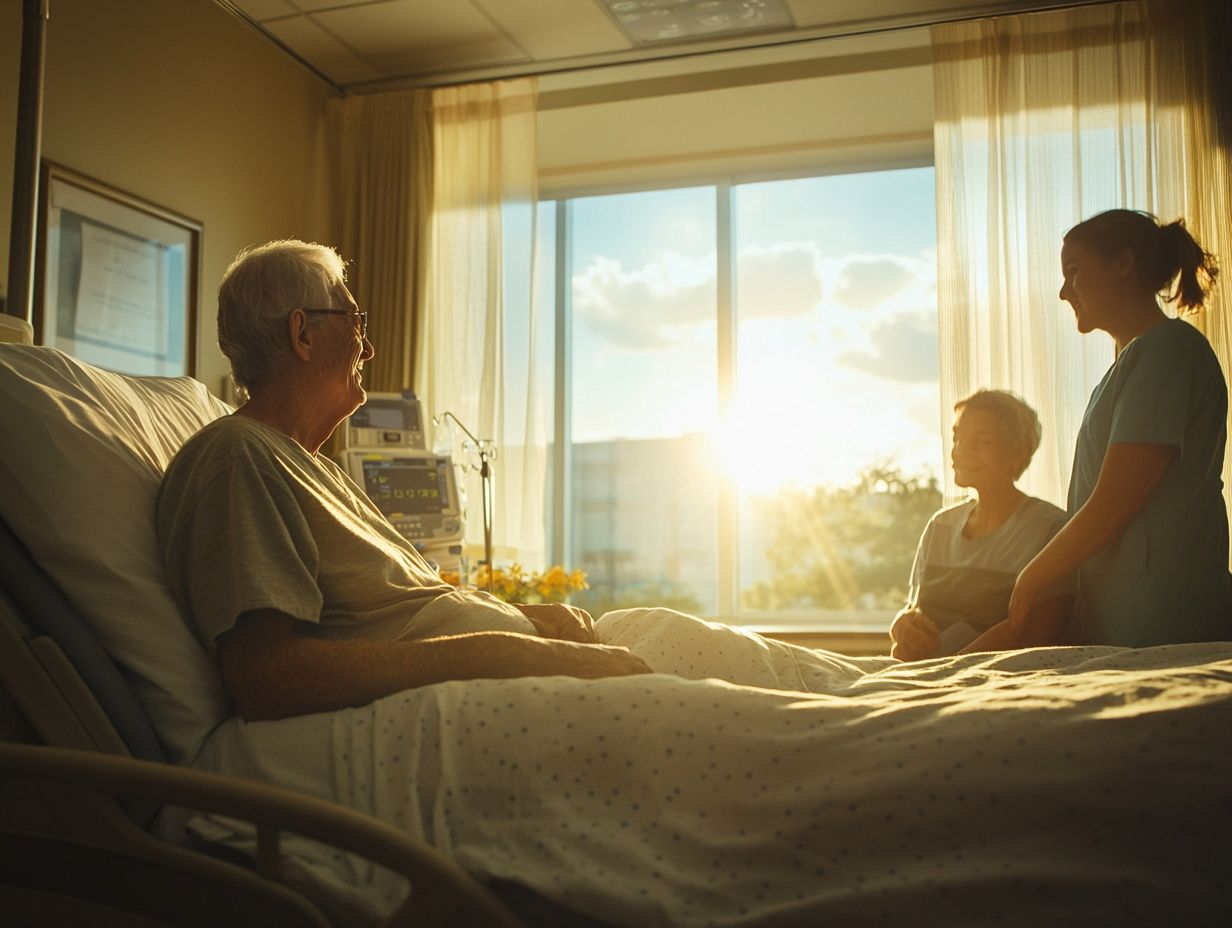
Cancer treatment involves methods like surgery, chemotherapy, and radiation therapy to combat cancer.
Cancer treatment is tailored to the cancer type and stage.
Understanding cancer treatment includes awareness of side effects, potential long-term side effects, and the role of emotional support in improving quality of life.
Types of Cancer Treatment
Types of cancer treatment include:
- Surgery removes tumors and surrounding tissue to control cancer locally.
- Chemotherapy uses drugs to kill cancer cells throughout the body.
- Radiation therapy targets specific areas with high-energy particles or waves.
Side Effects of Cancer Treatment
Cancer treatment side effects include nausea, fatigue, hair loss, pain, infection risk, and sleep problems.
Treatments like chemotherapy, radiation, and surgery can cause these side effects.
Side effects impact physical health but can be managed with medical support and relaxation techniques.
Common Side Effects
Common side effects of cancer treatment include fatigue, nausea, hair loss, and appetite changes.
These side effects result from treatments like chemotherapy and radiation targeting rapidly dividing cells, affecting healthy cells as well.
Side effects can impact patients’ daily routines and emotional health.
Managing Side Effects and Long-term Side Effects
Managing side effects involves using strategies like mindfulness, relaxation techniques, and self-care practices to cope with symptoms and enhance quality of life.
Mindfulness practices such as meditation, deep breathing, and relaxation techniques help individuals manage stress and improve mental health.
Self-care includes maintaining routines, nurturing social connections, prioritizing rest, and addressing spiritual needs.
Support groups and counseling services offer emotional support, practical coping methods, and help with financial concerns and medical questions.
Emotional and Psychological Effects
Cancer diagnosis and treatment often cause emotional and psychological effects, such as anxiety, fear, and emotional issues, impacting patients and their support systems throughout treatment and recovery.
Coping Strategies
Coping strategies for cancer survivors involve techniques to manage emotional and psychological effects of diagnosis and treatment, including mindfulness and relaxation techniques.
Key strategies include:
- Mindfulness for reducing anxiety
- Support groups for sharing experiences and social support
- Counseling for building emotional resilience and addressing emotional issues
Coping strategies improve mental health, address emotional issues, and assist in navigating the challenges faced during and after cancer treatment.
Life After Cancer Treatment
Life after cancer treatment involves regular follow-up care, monitoring for recurrence, managing side effects, addressing emotional and physical well-being, and making necessary lifestyle changes.
Follow-up care includes medical check-ups, scans, and tests to detect any signs of cancer returning. This care is provided by your healthcare team, including oncology certified nurses and doctors.
Survivors may experience long-term side effects, which require ongoing management to improve quality of life.
Support systems, including counseling, support groups, and spiritual support, help address emotional health and aid in the transition to a post-treatment life.
Follow-up Care and Monitoring for Recurrence
Follow-up care and monitoring involve regular check-ups to track a cancer patient’s health after treatment, address long-term side effects, and manage financial concerns.
Healthcare professionals assess physical recovery, emotional well-being, and perform routine screenings for cancer recurrence during follow-up visits while providing compassionate care.
Keeping a detailed personal health record is crucial for engaging actively in one’s care post-treatment.
Supportive Resources
Supportive resources for cancer survivors include local and online support groups, community programs, educational materials, and the American Cancer Society.
Support groups connect survivors with others who understand their experiences.
Community programs offer workshops and activities to rebuild confidence, foster social connections, and promote wellness.
Educational materials help survivors make informed decisions about health and lifestyle, including following nutritional guidelines and dietary recommendations.
Using these resources enhances emotional and practical support in the recovery process.
Creating a Healthy Lifestyle
Creating a healthy lifestyle involves proper nutrition, regular exercise, and emotional well-being.
Proper nutrition includes balanced meals, rich in fruits, vegetables, and whole grains.
Regular exercise, such as daily walking or strength training, promotes physical health.
Emotional well-being is supported through stress management techniques like meditation and social connections.
These elements support long-term recovery, quality of life, and improved mental health for cancer survivors.
Importance of Nutrition and Exercise
The importance of nutrition and exercise lies in their ability to enhance overall well-being and health.
Nutrition, through a balanced diet rich in fruits, vegetables, whole grains, and lean proteins, helps rebuild strength and bolster the immune system.
Exercise reduces fatigue, improves mood, promotes healthier body composition, and helps with weight management.
Regular physical activity, a balanced diet, and maintaining a healthy weight together enable individuals to lead a healthier life.
Maintaining Emotional Well-being
Maintaining emotional well-being is crucial for cancer survivors to improve their quality of life and address any emotional issues.
Practicing mindfulness, such as meditation and deep-breathing exercises, helps reduce stress.
Relaxation techniques like yoga and gentle stretching enhance mental health.
Community support provides encouragement and a sense of belonging.
Accessing local or online resources aids in emotional recovery and provides further social support.
Frequently Asked Questions
What should I expect after completing cancer treatment?
After completing cancer treatment, your doctor and healthcare team will continue to monitor your health through regular check-ups and screenings. It is normal to experience a range of emotions, both positive and negative, as you adjust to life after treatment, including dealing with financial concerns and spiritual needs.
Will there be any long-term side effects from cancer treatment?
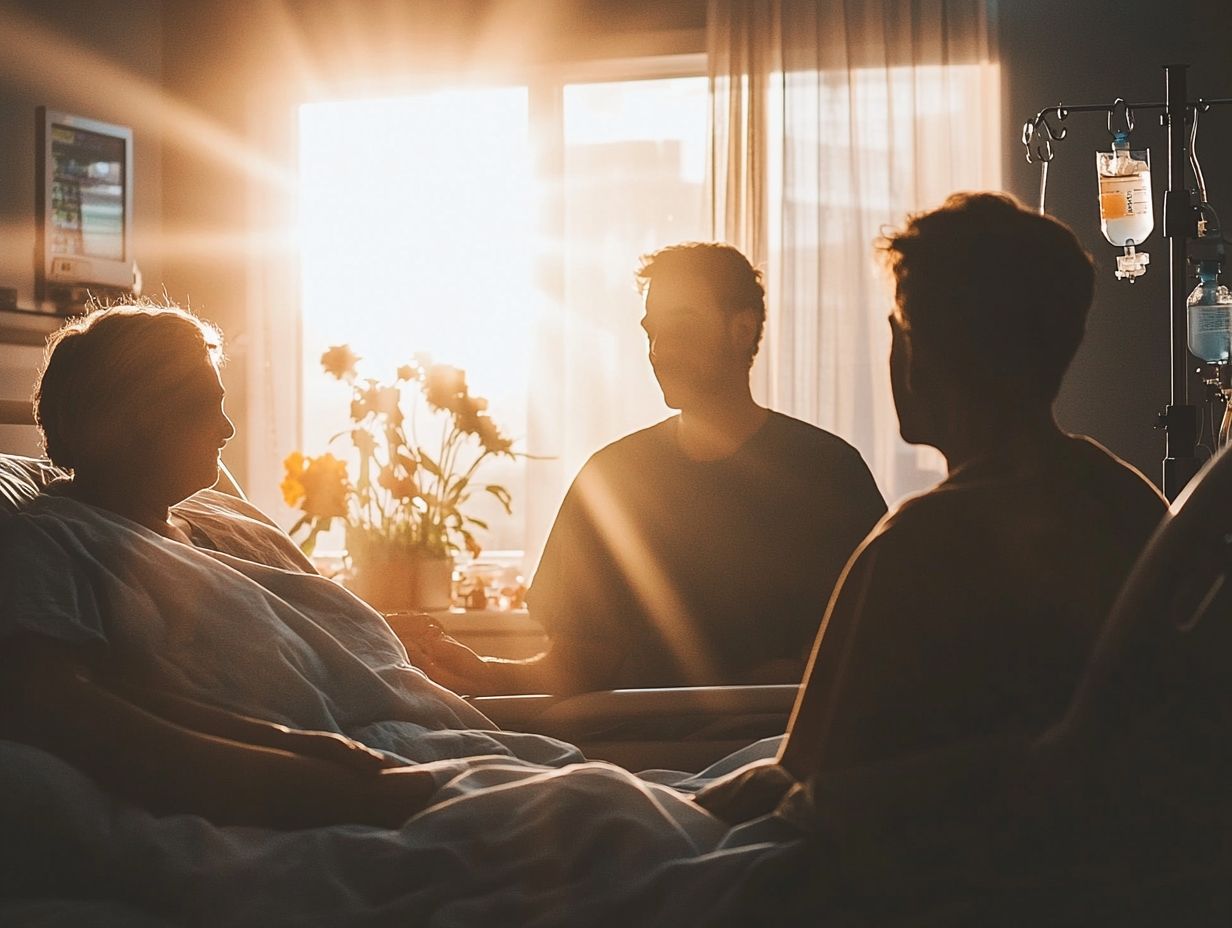
Some cancer treatments may have long-term side effects. These can vary depending on the type of cancer, the stage of the cancer, and the treatment received. Your doctor and health care team will discuss potential long-term side effects with you before and during treatment.
How long does it take to recover after cancer treatment?
The recovery period after cancer treatment can vary depending on the individual and the type of treatment received. It may take weeks, months, or even years to fully recover. Your doctor will provide you with a personalized recovery plan, which will include recommendations on healthy habits and follow-up care.
What lifestyle changes should I make after cancer treatment?
It is important to maintain a healthy lifestyle after cancer treatment. This may include regular exercise, a balanced diet, maintaining a healthy weight, and avoiding tobacco and excessive alcohol consumption. Your doctor may also recommend specific lifestyle changes based on your individual needs and treatment.
Will I need to continue any medications after cancer treatment?
It is possible that you may need to continue taking medications after cancer treatment, especially if you have a history of cancer recurrence or if you are at a higher risk for developing another type of cancer. Your doctor will discuss this with you and provide guidance on the appropriate medication regimen, as well as any necessary follow-up care.
What support is available for me after cancer treatment?
There are various support options available for individuals who have completed cancer treatment. This may include support groups, counseling, survivorship programs, and resources from organizations like the American Cancer Society, Mayo Clinic, and MD Anderson. Your doctor can provide you with more information and help connect you with these resources.