The landscape of cancer research has experienced remarkable advancements, enhancing both treatment options and patient outcomes. Innovative drug treatments and new therapies are constantly being developed, improving survival rates and quality of life for cancer patients.
Key developments include:
- Immunotherapy, which harnesses the body’s immune system to combat cancer cells
- Targeted therapies that focus on specific genetic changes within cancer cells to stop tumor growth effectively. These therapies are particularly significant for advanced cancers such as pancreatic cancer and colorectal cancer.
Precision medicine tailors treatment plans based on individual genetic profiles, optimizing therapeutic strategies while minimizing side effects. CAR T-cell therapy offers promising results for cancers like acute lymphoblastic leukemia.
Additionally, liquid biopsies provide a non-invasive method to monitor tumors through blood tests, and gene editing technologies like CRISPR open new avenues for therapy development by targeting genetic variations associated with cancer risk.
These advances shift cancer treatment from traditional methods to more personalized and targeted approaches, improving survival rates and patient quality of life. Therapeutic methods now include targeting the tumor microenvironment and using novel therapeutic tools.
Supporting these innovations through donations, clinical trial participation, and volunteer efforts can further propel cancer research forward, yielding continual improvements in care. Researchers are constantly conducting medical research to discover effective drugs and treatment methods.
Key Takeaways:
1. Immunotherapy
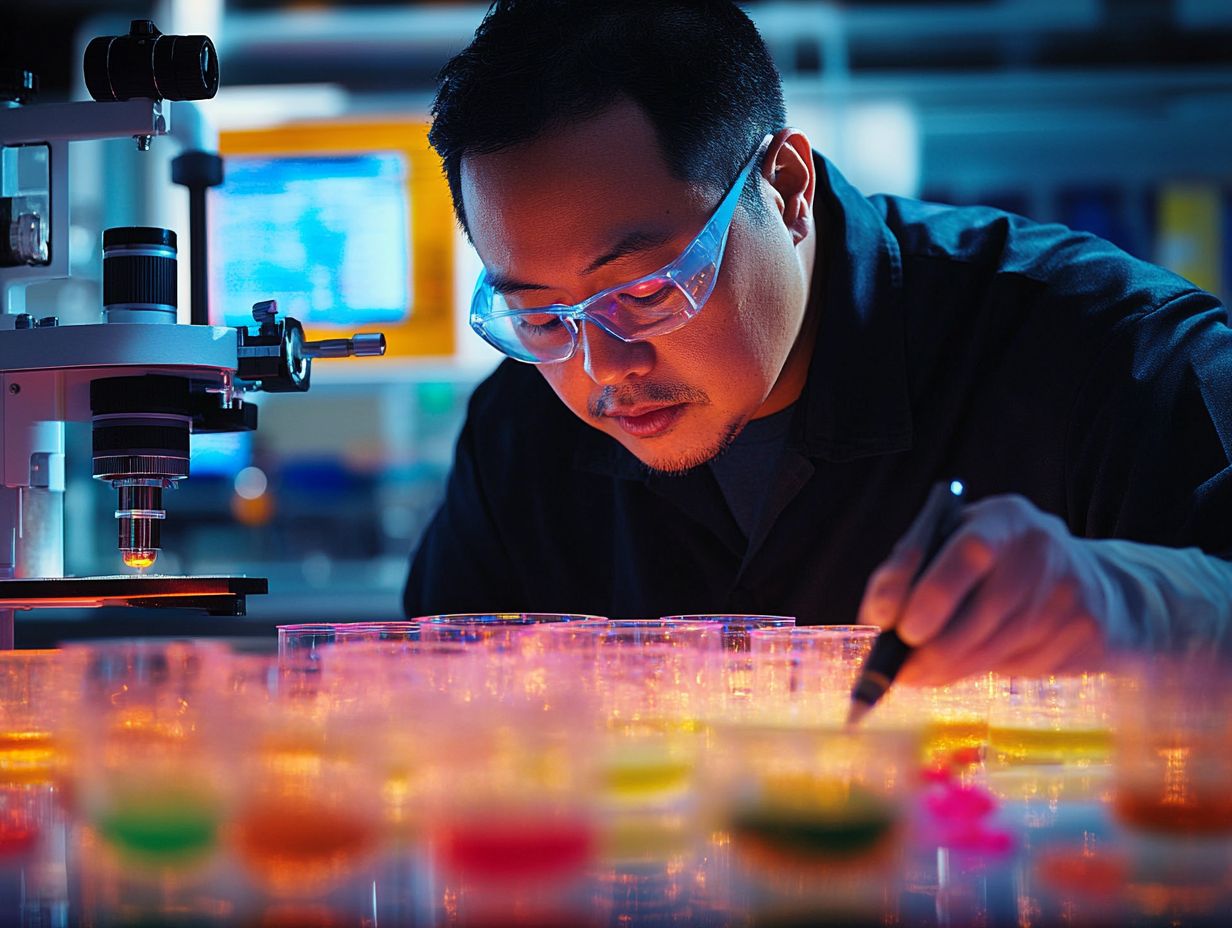
Immunotherapy is a cancer treatment that uses the body’s immune system to identify and destroy cancer cells.
Immunotherapy works by enhancing immune responses through methods like immune checkpoint inhibitors and CAR T-cell therapy.
Immunotherapy offers targeted and precise treatment, improving survival rates for various cancers.
2. Targeted Therapy
Targeted therapy is a cancer treatment that targets specific genetic changes and molecular structures in cancer cells to stop tumor growth while reducing harm to healthy tissue. This method is particularly effective in treating advanced cancer stages.
Targeted therapy works by identifying and attacking cancer-specific pathways, using drugs that interfere with genes or proteins that contribute to cancer growth.
Examples include drugs targeting androgen receptors in prostate cancer and PARP inhibitors for BRCA2 mutations. These therapies offer significant hope for prostate cancer patients.
3. Precision Medicine
Precision medicine is an approach in cancer treatment that customizes therapies based on the genetic characteristics of a patient’s tumor.
Precision medicine uses genetic testing to identify specific mutations in cancer cells, determining effective treatment strategies and minimizing side effects. Genetic variations are critical to developing tailored treatment plans.
4. CAR T-cell Therapy
CAR T-cell therapy is a cancer treatment that genetically modifies a patient’s T cells to target and eliminate cancer cells. This therapy shows promising results in treating cancers like acute lymphoblastic leukemia and multiple myeloma.
CAR T-cell therapy is a cancer treatment that genetically modifies a patient’s T cells to target and eliminate cancer cells.
CAR T-cell therapy involves extracting T cells, engineering them to express Chimeric Antigen Receptors (CARs), and reintroducing them to improve immune response against cancer.
CAR T-cell therapy is used for cancers like acute lymphoblastic leukemia and multiple myeloma, showing promising results in clinical trials.
5. Liquid Biopsies
Liquid biopsies are a medical test that analyzes circulating tumor DNA from a blood sample to detect cancer. This blood test is a non-invasive way to monitor tumor growth and progression.
Liquid biopsies provide a less invasive alternative to traditional tissue biopsies, allowing doctors to track cancer development more frequently and conveniently.
Healthcare professionals use liquid biopsies to monitor cancer progression and response to treatment by identifying genetic mutations in tumor DNA.
6. Gene Editing
Gene editing involves technologies like CRISPR that allow precise modifications to DNA sequences. This innovative approach has the potential to create new therapy options for cancer treatment.
In cancer research, gene editing targets genes associated with cancer risk, enabling the development of new therapies and treatment strategies.
Gene editing offers the potential to reverse genetic alterations that drive tumor growth, potentially halting or eliminating tumors.
Repairing or knocking out genes responsible for therapy resistance could improve cancer treatment outcomes.
7. Artificial Intelligence
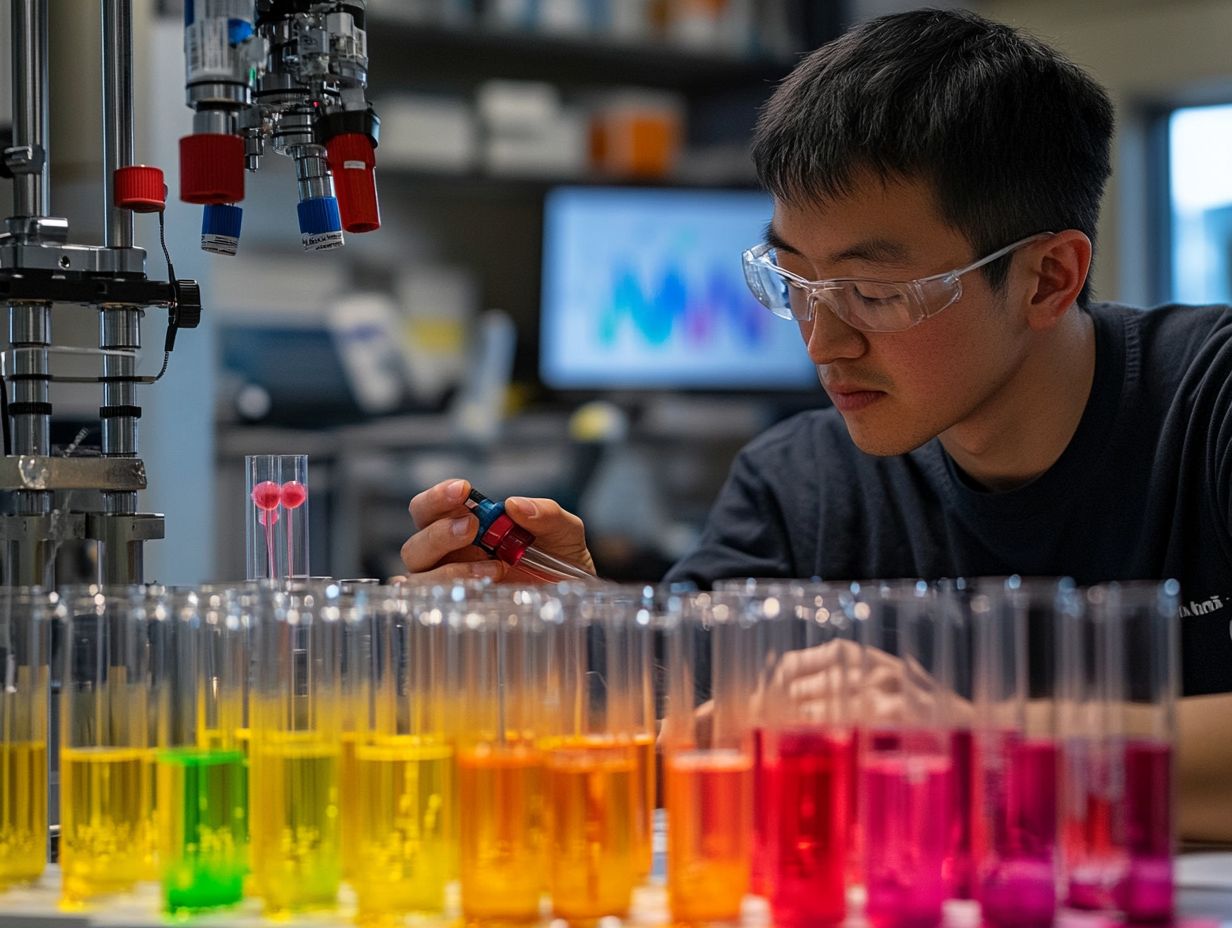
Artificial intelligence transforms cancer research and treatment by analyzing vast data sets to improve cancer detection, personalize treatment options, and streamline clinical trials. AI helps in identifying potential biomarkers for better treatment outcomes.
AI systems can detect patterns in genomic data and clinical history to predict cancer progression and treatment responses.
Artificial intelligence accelerates clinical trial recruitment by identifying candidates based on specific criteria.
8. Nanotechnology
Nanotechnology in cancer treatment uses nanoparticles to deliver drugs directly to tumors, enhancing efficacy and reducing chemotherapy side effects.
Nanoparticles target cancer cells precisely, sparing healthy tissues and allowing higher drug concentrations at the tumor site.
Types of nanoparticles include:
- Liposomes
- Dendrimers
These are applicable to various cancers, including rare and aggressive forms.
9. Cancer Vaccines
Cancer vaccines stimulate the immune system to recognize and fight cancer cells, offering prevention and treatment options.
Cancer vaccines can be preventive, targeting viruses like HPV to prevent cancers, or therapeutic, treating existing cancers by boosting the immune response against tumor cells.
Research into cancer vaccines explores various formulations to improve patient outcomes.
10. Immunotherapy Combinations
Immunotherapy combinations involve using multiple immunotherapy agents, such as checkpoint inhibitors and monoclonal antibodies, to enhance the immune system’s attack on tumors.
These combinations improve cancer treatment outcomes by leveraging the strengths of each agent for a more effective anti-tumor response.
Combining PD-1 inhibitors with CTLA-4 blockers shows higher response rates in melanoma compared to single treatments.
Clinical trials indicate that personalized immunotherapy combinations can improve survival rates and reduce tumor sizes, with significant impact on patients with pancreatic cancer and colorectal cancer.
11. Personalized Cancer Vaccines
Personalized cancer vaccines are customized immunotherapy treatments that enhance the immune response to a patient’s unique tumor antigens.
These vaccines target tumor-specific antigens to help the immune system identify and destroy cancer cells.
Personalized cancer vaccines aim to improve treatment effectiveness by tailoring the approach to each patient’s cancer. These vaccines stimulate specific immune responses to target cancer cells.
12. Cancer Stem Cell Research
Cancer stem cell research focuses on understanding cancer stem cells that drive tumor growth and recurrence by resisting treatment and promoting cancer progression.
Cancer stem cells can self-renew and differentiate, sustaining tumor growth and influencing therapy response. Targeting these cells could prevent treatment resistance and relapse.
Targeting cancer stem cells’ pathways offers a potential strategy to prevent tumor regrowth and metastasis. New therapeutic tools are being developed to specifically target these cells.
Research into cancer stem cells aims to develop innovative treatments prioritizing their elimination.
13. Microbiome and Cancer
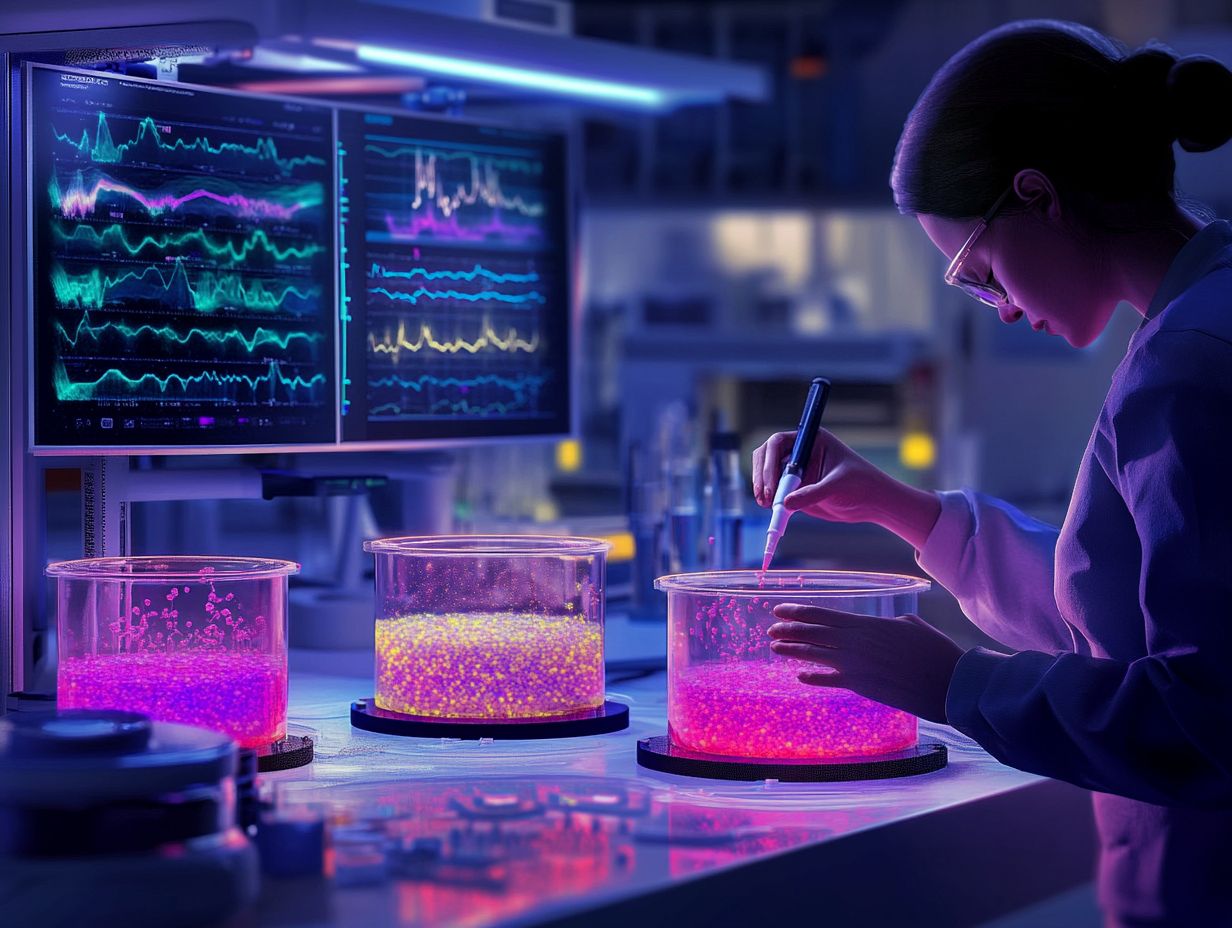
The microbiome influences cancer by impacting immune responses and treatment effectiveness. The gut microbiome, in particular, plays a significant role in the overall health of the human body and the effectiveness of cancer therapies.
Research shows the gut microbiome can affect how the immune system interacts with cancer cells.
Certain bacterial profiles are linked to better immunotherapy responses, suggesting microbiome composition influences treatment success. These findings highlight the importance of considering the tumor microenvironment in treatment planning.
Patients with a diverse microbiome often have better clinical outcomes, prompting personalized treatment approaches.
14. Non-Invasive Treatment Options
Non-invasive treatment options in cancer therapy include radiofrequency ablation, cryoablation, and stereotactic body radiation therapy. These methods aim to minimize the invasive nature of traditional surgeries and chemotherapy drugs.
Radiofrequency ablation uses heat to destroy cancer cells, cryoablation freezes tumors, and stereotactic body radiation therapy targets tumors with precise radiation doses.
These options aim to reduce side effects and enhance quality of life compared to traditional surgery and chemotherapy.
15. Prevention Strategies
Cancer prevention strategies reduce cancer risk through dietary changes, physical activity, and early detection. Limiting the intake of ultra-processed foods and implementing community education on health disparities are also essential measures.
A diet rich in fruits, vegetables, and whole grains supports cancer prevention. Avoiding ultra-processed foods can further reduce cancer risk.
Regular physical activity helps maintain a healthy weight and lowers cancer risk.
Early detection through screenings and self-examinations aids effective treatment.
Community education is necessary for promoting preventive measures, especially in underserved communities.
What Are the Most Promising Advances in Cancer Research?
Advances in cancer research include immunotherapy, precision medicine, and liquid biopsies. Innovative drug delivery systems and clinical pathways are also transforming the field.
Immunotherapy uses the immune system to fight cancer, with CAR T-cell therapies showing success in certain cancers.
Precision medicine targets treatments based on genetic makeup, improving effectiveness and reducing side effects.
Liquid biopsies offer non-invasive tumor monitoring, improving treatment precision and patient quality of life.
How Are These Advances Changing the Landscape of Cancer Treatment?
Advances in cancer treatment are shifting from generic approaches to personalized and targeted therapies.
These advances improve treatment efficacy by tailoring therapies to the genetic makeup of individual tumors. They also address health disparities, ensuring equitable access to cutting-edge treatments.
Immunotherapy, for instance, uses the patient’s immune system to target cancer cells, increasing treatment success.
Artificial intelligence in data analysis helps oncologists create better treatment plans, improving survival rates. AI can also assist in clinical trial design, making the drug development process more efficient.
What Are the Potential Benefits of These Advances?
The potential benefits of recent advances in cancer treatment, including innovative drug delivery systems, include improved survival rates, enhanced quality of life, and reduced side effects.
Advances like targeted therapies attack cancer cells while sparing healthy tissue, allowing patients to feel more energetic and engage in daily activities. New therapeutic methods, such as immune checkpoint inhibitors, are being explored to enhance treatment efficacy.
Innovative treatments such as immunotherapy, which harness the immune system to combat cancer cells, have led to fewer adverse effects compared to traditional therapies.
These improvements highlight the importance of new cancer treatments and advanced cancer therapies in prolonging life and improving its quality.
How Can Individuals Support Cancer Research?
Individuals can support cancer research by donating to medical research funds, participating in clinical trials, and volunteering with cancer organizations.
Supporting cancer research also involves raising awareness about cancer prevention, including dietary changes to reduce cancer risk, and advocating for policies that increase research funding.
Community involvement in these activities helps advance cancer research, improve patient outcomes, and address health disparities among cancer patients.
What Are the Ethical Considerations of These Advances?
Ethical considerations in cancer research and treatment advances include patient rights, informed consent, equitable access to therapies and clinical trials, and addressing disparities among prostate cancer patients and those with pancreatic cancer.
High costs of new treatments, such as those for colorectal cancer, may create disparities in access, raising concerns about fair distribution.
Informed consent requires patients to understand the risks and benefits of clinical trials, including those involving experimental drugs and innovative therapeutic tools.
Researchers must ensure transparency, prioritize patient interests, and consider genetic variations that may affect treatment methods.
Frequently Asked Questions
What Are the Latest Advances in Cancer Research?
Currently, one of the most promising advances in cancer research is the development of immunotherapy treatments. These treatments use the body’s own immune system to fight and destroy cancer cells by enhancing specific immune responses.
How does immunotherapy work in cancer treatment?
Immunotherapy works by targeting specific components of the immune system, such as T cells or antibodies, to recognize and attack cancer cells. This approach, which involves immune checkpoint regulation, is more targeted and less toxic than traditional chemotherapy drugs.
What other cutting-edge treatments are being developed?
Researchers are also exploring targeted therapies, which use drugs to target specific genetic mutations or proteins in cancer cells. Additionally, new techniques such as gene editing, nanotechnology, and studying the tumor microenvironment are being studied for their potential in cancer treatment.
Are there any recent breakthroughs in early detection of cancer?
Yes, there have been advances in using liquid biopsies, which involve testing blood or other bodily fluids for cancer cells or DNA. This method, which can be complemented by blood tests for biomarkers, could potentially lead to earlier detection and treatment of cancers.
What role does technology play in cancer research?
Technology has greatly advanced cancer research by allowing for more accurate and efficient data collection and analysis. This includes techniques such as genomic sequencing and artificial intelligence, which can help identify potential treatments for specific types of cancer by studying genetic changes and immune mechanisms.
How can I stay updated on the latest advances in cancer research?
You can stay updated by following reputable cancer research organizations, reading scientific journals and news articles that report on clinical pathways and study shows, and attending conferences and events. It is also important to discuss potential new therapies with your healthcare provider.