If you’ve ever wondered how everyday choices might help protect you from cancer, you’re not alone. Although no method guarantees complete prevention, research shows that a healthy lifestyle—like eating nutritious foods, staying active, and avoiding harmful substances—can significantly lower your cancer risk. Early detection through regular screenings further boosts the chances of successful treatment. This article explores practical ways you can reduce your risk, understand the role of genetics, and navigate challenges in cancer prevention.
Understanding Cancer Prevention: What It Means for You
Cancer prevention means taking steps to lower your chances of developing cancer by adopting healthier habits and getting regular medical check-ups. This includes avoiding tobacco, maintaining a healthy weight, staying physically active, protecting yourself from harmful environmental exposures, and following recommended screening schedules. Vaccinations, such as those for hepatitis B and human papillomavirus (HPV), also play a critical role in safeguarding your health.

Common Risk Factors and How They Affect You
Certain habits and exposures increase cancer risk. Tobacco use is the leading cause of lung cancer and many other cancers. Excessive alcohol intake can raise the risk of breast and other cancers. Being physically inactive or overweight contributes to several cancer types, including colon and breast cancer. Environmental toxins, like asbestos or benzene, also elevate risk—especially for those working in industries like construction or agriculture. Even exposure to secondhand smoke puts you at increased risk.
You have the power to influence many of these factors. For example, choosing not to smoke or quitting tobacco can dramatically lower your cancer risk. Regular physical activity and a healthy diet help keep your immune system strong and maintain a healthy weight, both key to cancer prevention.
The Role of Diet and Exercise: Simple Changes with Big Impact
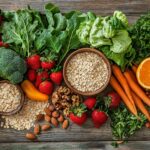
Eating a balanced diet rich in fruits, vegetables, and whole grains provides essential nutrients and antioxidants that help protect your cells from damage. The Mediterranean diet—which includes whole grains, fish, legumes, and olive oil—is particularly beneficial for reducing inflammation and supporting overall health. Vegetables like broccoli and kale contain compounds that may slow cancer cell growth, while berries help combat oxidative stress.
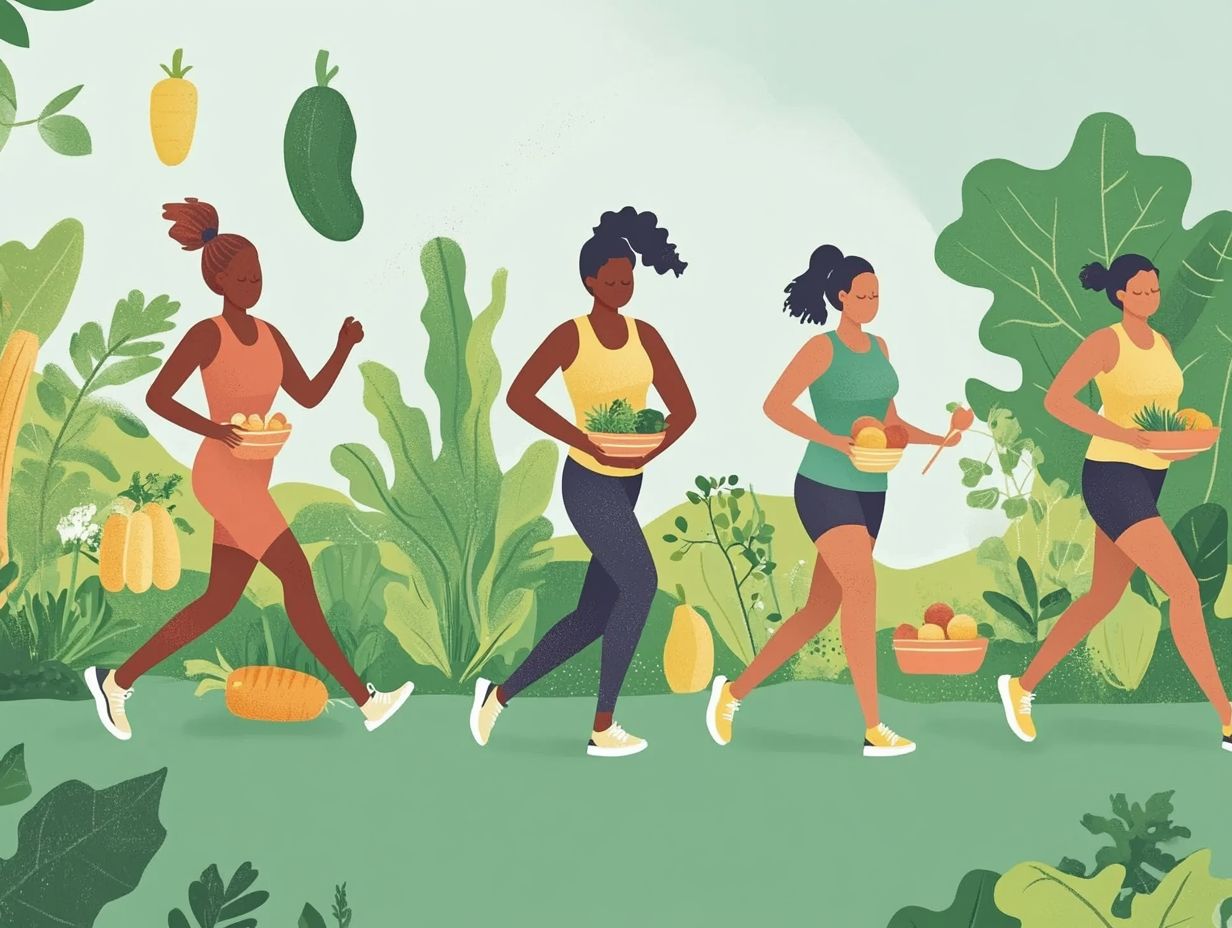
Physical activity is equally important. Aim for at least 150 minutes of moderate aerobic exercise per week, such as brisk walking, along with strength training exercises twice a week if possible. Staying active helps control weight and supports immune health, lowering your risk of cancers such as breast, colorectal, and kidney.
Screenings and Early Detection: Catching Cancer Early
Many cancers are more treatable when found early through screenings—even before symptoms appear. Recommended tests include mammograms starting around age 40 for breast cancer, Pap tests and HPV screenings for cervical cancer, and colonoscopies for colorectal cancer beginning around age 45. Following your healthcare provider’s advice about screening schedules can increase your chances of successful treatment.
Protecting Yourself from Environmental and Occupational Risks
If you work in industries with exposure to harmful chemicals or pollutants—such as construction, farming, or manufacturing—taking precautions like using protective equipment and following safety guidelines can reduce your risk. Limiting exposure to polluted air, contaminated water, and household chemicals is also important.
Genetic Factors: When Cancer Runs in Your Family
Some people inherit gene mutations that raise their cancer risk. For example, changes in BRCA1 or BRCA2 genes increase the likelihood of breast and ovarian cancers. If you have a strong family history of cancer, discussing genetic testing with a counselor can help you understand your personal risk and consider preventive options. The Mayo Clinic and UC Davis Comprehensive Cancer Center offer genetic counseling resources worth exploring.
Overcoming Challenges in Cancer Prevention
Despite knowing what helps lower cancer risk, many face barriers to prevention. These include limited access to healthcare, lack of awareness, and socioeconomic factors. Educating yourself and others about prevention and advocating for regular screenings can make a significant difference. Healthcare providers can assist you in navigating resources and support available in your community.

Frequently Asked Questions
Can I completely prevent cancer through lifestyle changes?
While no strategy guarantees complete prevention, experts estimate that about 40% of cancers could be prevented by adopting healthy habits like quitting tobacco, eating well, staying active, and attending regular screenings. Early detection further improves outcomes.
What are the best lifestyle changes to reduce my cancer risk?
Avoid tobacco, limit alcohol, maintain a healthy weight through diet and exercise, protect your skin from excessive sun, and get vaccinated against hepatitis B and HPV as recommended.
How often should I get cancer screenings?
Screening guidelines vary by cancer type and personal risk factors. For example, women often begin mammograms at age 40, and colon cancer screening is recommended starting at age 45. Talk with your healthcare provider about what’s right for you.
Does genetics affect my cancer risk?
Yes, inherited mutations can raise your risk. If cancers run in your family, genetic counseling can help you understand and manage your risk.
Where can I learn more about cancer prevention?
Trusted sources include the National Cancer Institute (https://www.cancer.gov), Mayo Clinic (https://www.mayoclinic.org), and the Centers for Disease Control and Prevention (https://www.cdc.gov/cancer).