Cancer is a complex group of diseases characterized by the uncontrolled growth of abnormal body cells, leading to the formation of tumors. These tumors can be benign (non-cancerous) or malignant (cancerous), with the potential to invade nearby tissues or spread throughout the body. Understanding the different types of cancer, their causes, symptoms, and available treatments is crucial for early detection and effective management.
Key Definitions and Insights:
- Types of Cancer: Carcinomas (affecting epithelial cells), Sarcomas (involving connective tissues), Lymphomas (impacting the lymphatic system), and Leukemias (originating in blood-forming tissues).
- Causes and Risk Factors: Genetic mutations and environmental exposures such as toxins and radiation. Risk factors also include inherited genetic changes and lifestyle factors like smoking.
- Symptoms and Warning Signs: Unusual lumps, unexplained weight loss, persistent cough, changes in bowel or bladder habits, and abnormal bleeding.
- Diagnosis and Treatment: Diagnostic techniques like imaging tests, biopsies, and blood tests, with treatment options including surgery, chemotherapy, radiation therapy, immunotherapy, and targeted cancer therapies.
- Prevention and Management: Strategies include avoiding tobacco, maintaining a healthy diet, regular exercise, and undergoing screenings, along with coping mechanisms and support networks for those living with cancer.
By understanding the fundamental aspects of cancer, individuals can better recognize its implications, prioritize early detection, and seek appropriate treatment to improve outcomes. Knowledge of cancer’s genetic basis, such as the role of tumor suppressor genes and proto-oncogenes, is essential.
Key Takeaways:
Understanding Cancer
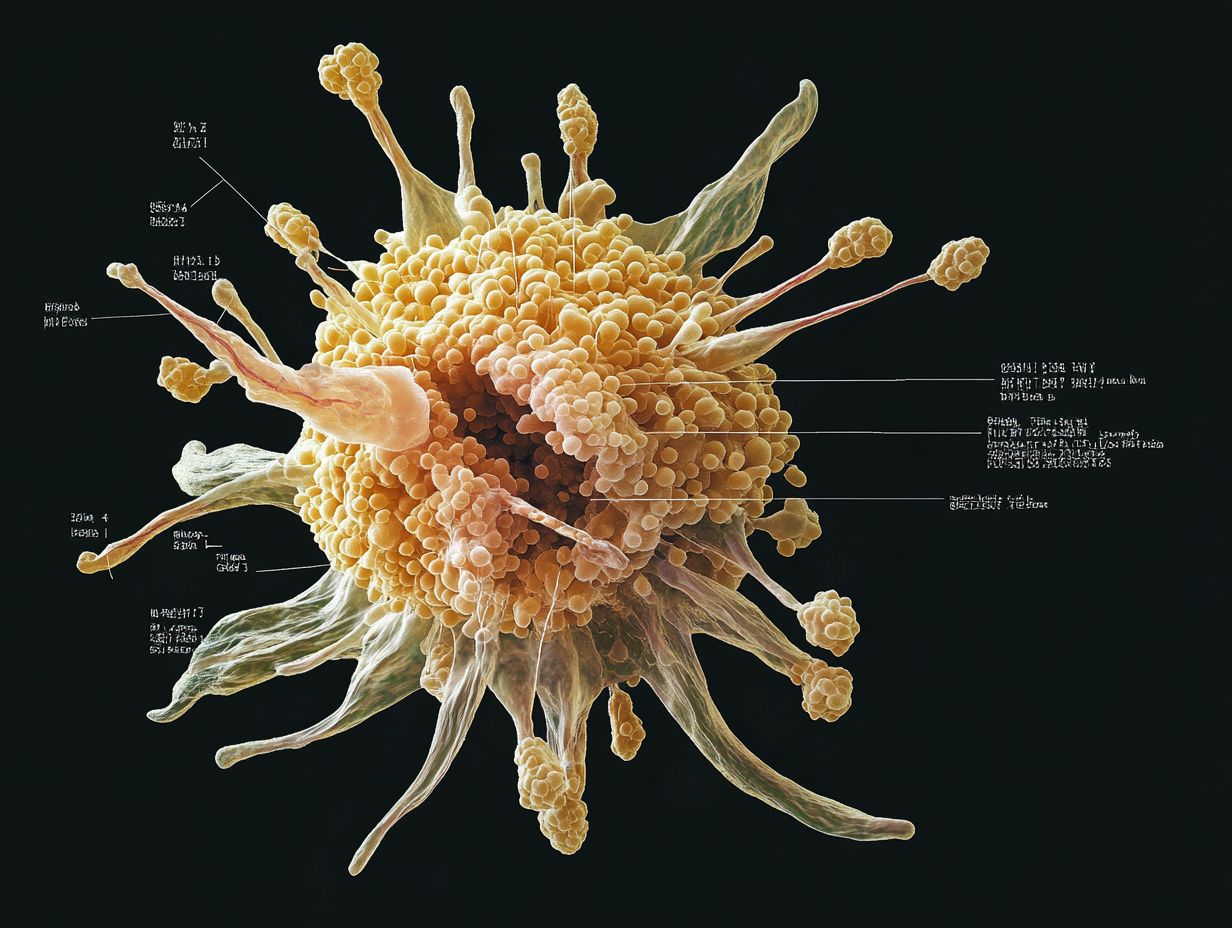
Cancer is a group of diseases characterized by the uncontrolled growth of abnormal body cells, forming tumors. This uncontrolled cell division can result in both benign and malignant tumors.
Cancer results from genetic changes that disrupt normal cell function, leading to various types like carcinomas, sarcomas, leukemias, lymphomas, and multiple myeloma.
Understanding cancer helps in recognizing its health implications and the necessity for early detection and treatment. Cancer evolution through mechanisms like natural selection and genetic mutation plays a critical role in its progression.
Defining Cancer and its Types
Cancer is a disease where cells grow uncontrollably, forming tumors that can be benign or malignant. Malignant tumors can invade nearby tissues or spread through the body via metastasis.
Cancer types include:
- Carcinomas (epithelial cells, including adenocarcinoma, basal cell carcinoma, and squamous cell carcinoma)
- Sarcomas (connective tissues)
- Lymphomas (lymphatic system)
- Leukemias (blood-forming tissues)
Carcinomas affect organs like the lung, breast, and colon, while sarcomas involve bones and muscles. Other cancer types include melanoma, which affects the skin, and neuroendocrine tumors.
Causes and Risk Factors
Cancer causes include genetic mutations, environmental exposures, and disruptions in DNA repair mechanisms.
Risk factors for cancer involve genetic changes, such as mutations in specific genes, and environmental factors like exposure to toxins, radiation, and carcinogens.
These factors increase the likelihood of cancer development.
Environmental and Genetic Factors
Environmental and genetic factors both play significant roles in cancer development. Genetic mutations, including those in tumor suppressor genes and proto-oncogenes, are critical contributors.
Environmental factors like smoking or UV radiation can increase cancer risk, especially in individuals with genetic predispositions.
Genetic factors involve inherited traits that can make individuals more susceptible to cancer when exposed to certain environmental influences. Mutations in tumor suppressor genes can fail to regulate cell proliferation, leading to cancerous growths.
Symptoms and Warning Signs
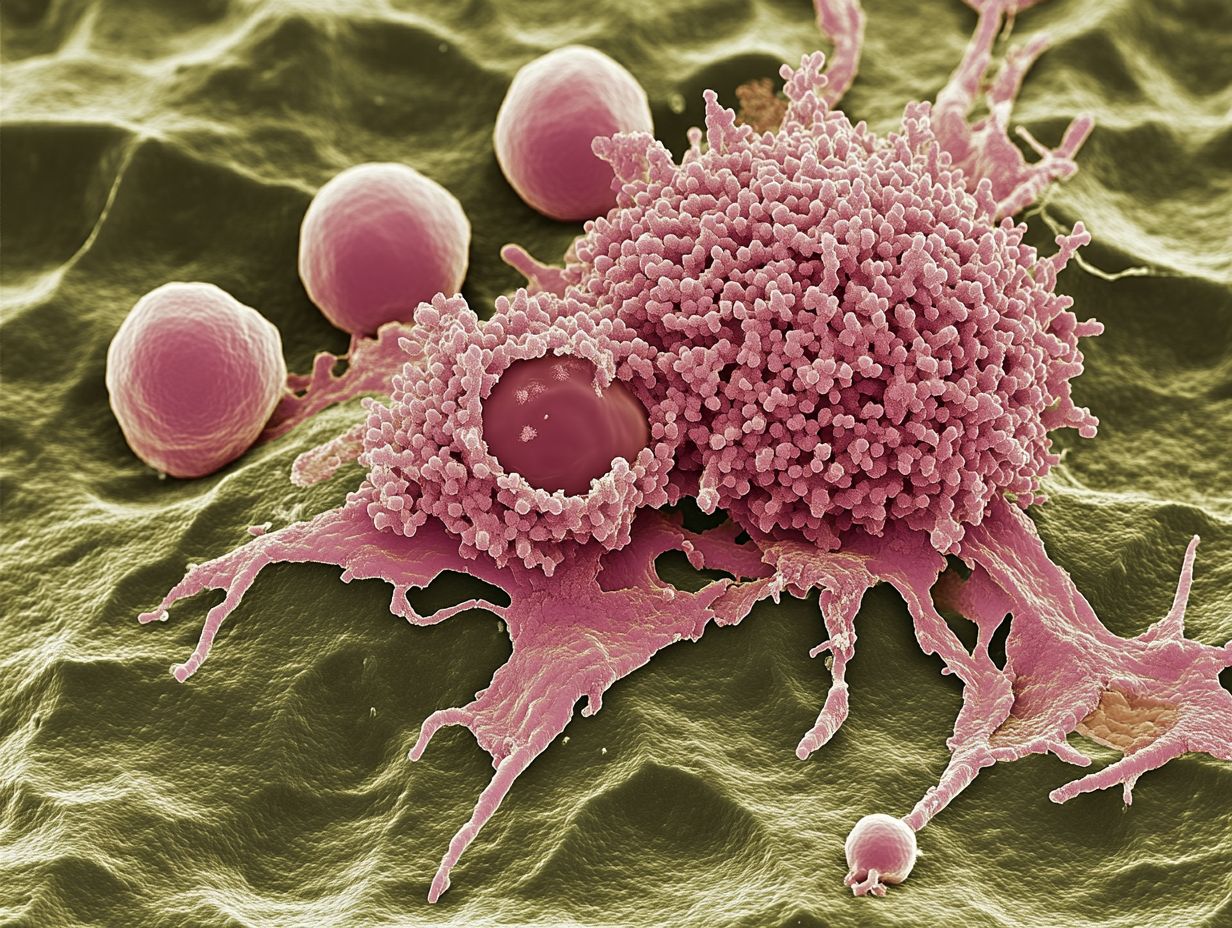
Symptoms and warning signs of cancer include:
- unusual lumps or swelling, possibly indicating solid tumors or changes in tissue structure like hyperplasia and dysplasia
- unexplained weight loss
- persistent cough
- changes in bowel or bladder habits
- abnormal bleeding or discharge
Recognizing these symptoms early can lead to prompt diagnosis and treatment. Early detection often involves monitoring for transformed cells and assessing for atypical tissue changes.
Identifying Early Signs of Cancer
Early signs of cancer include persistent fatigue, unexplained weight loss, changes in skin appearance, and unexplained lumps. Identifying carcinoma in situ can be crucial for early intervention.
Identifying these early signs is crucial for improving treatment outcomes and enabling early intervention.
Regular check-ups and awareness of these signs help in early cancer detection.
Diagnosis and Treatment Options
Cancer diagnosis involves identifying cancer type and stage using techniques like imaging tests, biopsies, and blood tests. DNA analysis can also help determine specific genetic changes driving the cancer.
Treatment options for cancer include:
- Surgery to remove tumors, including both benign and malignant tumors
- Chemotherapy to target and kill cancer cells
- Radiation therapy to destroy cancerous tissue
- Immunotherapy to boost the body’s immune response, targeting cancer cells specifically
Advancements in precision medicine allow for targeted therapies based on the cancer’s genetic profile, improving the effectiveness of treatments. These therapies often focus on specific proto-oncogenes and mutations involved in the cancer’s progression.
Diagnostic Techniques and Available Treatments
Diagnostic techniques for cancer include imaging studies, laboratory tests, and biopsies that provide essential information for treatment planning.
Imaging studies like MRI and CT scans assess tumor size and location; blood tests detect tumor markers. Additionally, genetic testing can identify relevant mutations and guide treatment plans.
- Treatments for cancer include chemotherapy, radiation therapy, and immunotherapy.
- Chemotherapy uses drugs to target and kill cancer cells; radiation therapy uses high-energy waves to shrink tumors.
- Immunotherapy activates the body’s immune system to combat cancer.
Prevention and Management
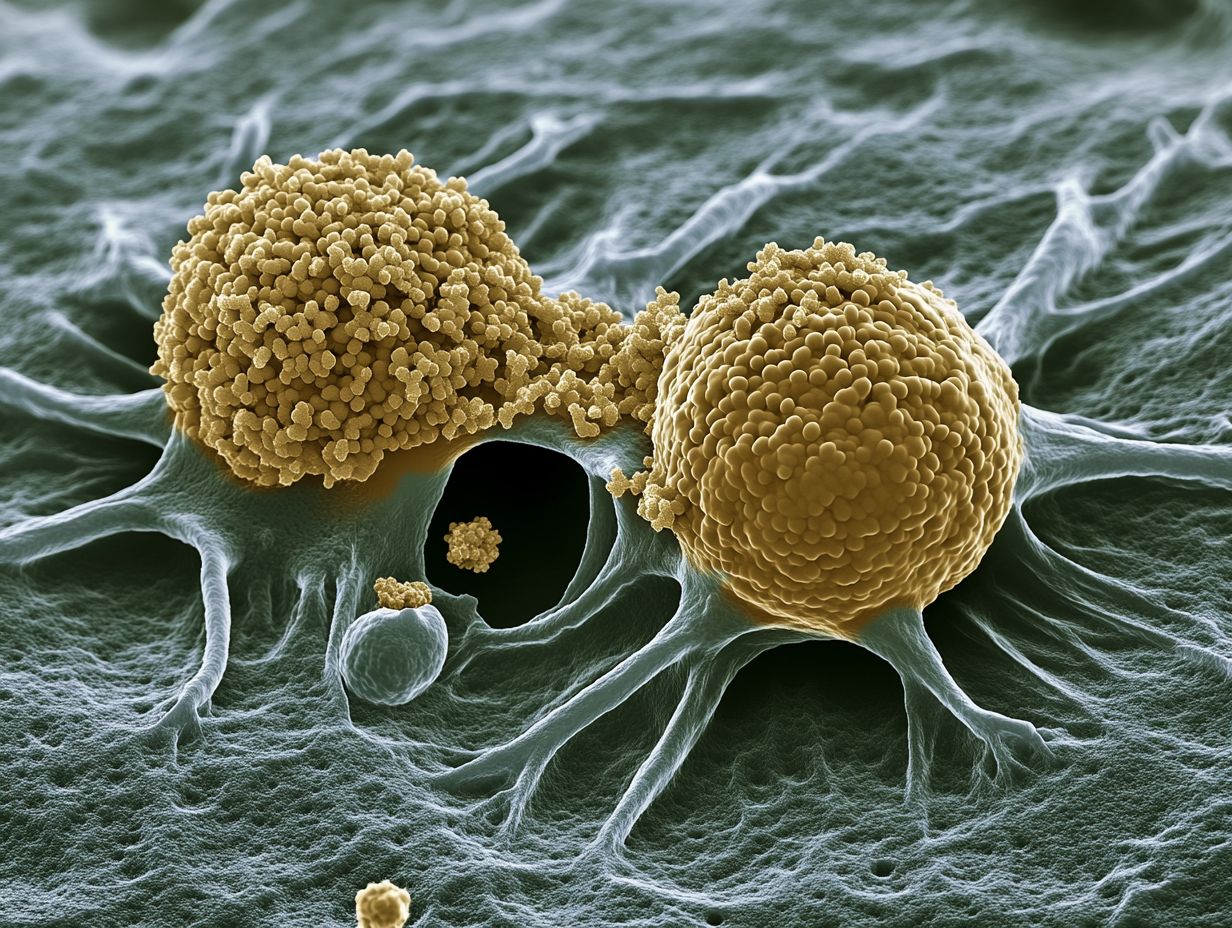
Cancer prevention involves strategies such as avoiding tobacco, maintaining a healthy diet, exercising regularly, and undergoing regular screenings to reduce cancer risk.
Cancer management includes treatments like surgery, chemotherapy, and radiation therapy, aimed at controlling or eliminating cancer.
Effective prevention and management require a combination of lifestyle changes, early detection, and medical intervention.
Preventive Measures and Strategies for Living with Cancer
Preventive measures for living with cancer include:
- a balanced diet to support overall health and potentially reduce cancer risk,
- regular physical activity,
- and avoiding tobacco.
Strategies for managing life with cancer involve:
- regular screenings,
- coping mechanisms,
- and robust support networks.
- regular screenings,
- coping mechanisms,
- and robust support networks.
Support can come from healthcare providers, family, and community resources. Understanding cancer’s genetic basis and treatment options can empower patients and caregivers.
These strategies improve quality of life and resilience for those with cancer.
Frequently Asked Questions
What is Cancer?
Cancer is a disease characterized by the uncontrolled growth and spread of abnormal cells in the body.
What are the key definitions related to cancer?
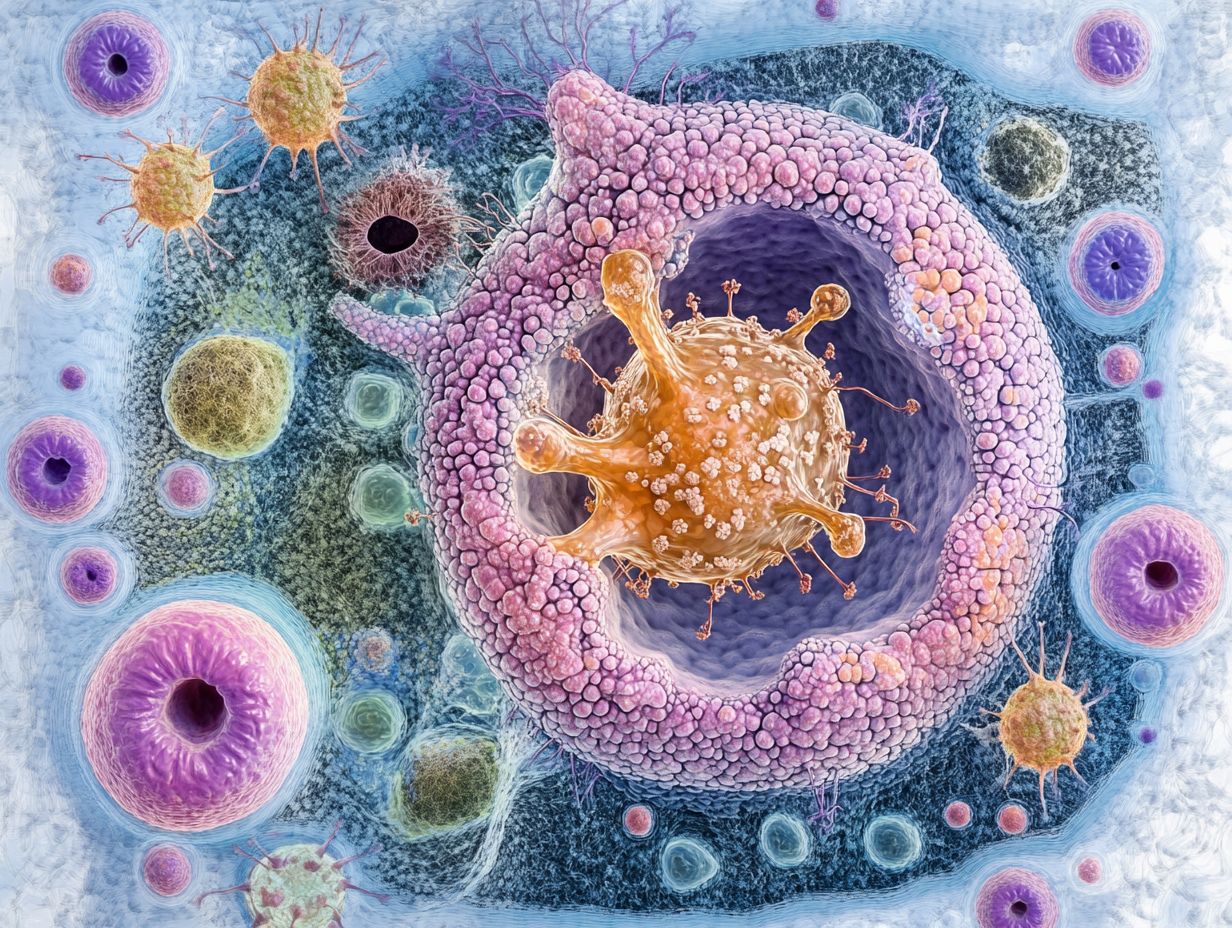
Some key definitions related to cancer include tumor, metastasis, chemotherapy, radiation therapy, and immunotherapy.
How does cancer develop in the body?
Cancer develops when normal cells undergo genetic mutations and begin to grow and divide uncontrollably, forming a mass of abnormal cells known as a tumor.
What are some common risk factors for cancer?
Some common risk factors for cancer include age, family history, exposure to carcinogens, and lifestyle factors like smoking, poor diet, and lack of physical activity.
What are some common types of cancer?
Some common types of cancer include breast cancer, lung cancer, prostate cancer, and colorectal cancer. There are over 100 different types of cancer that can affect different areas of the body.
What are some key insights about cancer?
Cancer is a complex disease with many different causes and treatment options. Early detection and treatment can greatly improve the chances of survival. Research and advancements in cancer treatment continue to offer new hope for patients and their families.