Whether facing breast cancer, lung cancer, or rare tumors, these survivor blogs reveal powerful lessons on coping with emotional challenges, building resilience, and embracing life beyond diagnosis. By learning from real experiences shared by individuals who have walked this path, you can find reassurance, community support, and actionable tips for managing treatment, recovery, and long-term well-being.
Understanding Survivor Stories: Inspiration and Practical Wisdom
Hearing directly from those who have overcome cancer brings invaluable insights for anyone affected by this disease. Survivors share how they managed the emotional ups and downs, found strength in support networks, and adopted healthy habits such as balanced nutrition and regular exercise to aid their recovery. These narratives remind you that emotional challenges like anxiety and fear are common, and that coping strategies including therapy, mindfulness, and community support can make a meaningful difference. Whether you are a patient, caregiver, or advocate, engaging with survivor stories helps you feel less alone and more empowered.
The Vital Role of Support Systems in Cancer Care
If you are undergoing cancer treatment, building a strong support system can significantly improve your experience and outcomes. Family, friends, and support groups provide emotional comfort and practical assistance during difficult therapies like chemotherapy and radiation. Organizations such as the American Cancer Society offer valuable resources and educational programs, helping you connect with others who understand your journey. Establishing these connections encourages open communication with your healthcare team and fosters resilience throughout treatment and beyond. Learn more about support options at American Cancer Society and Cancer Support Community.
Managing Emotions and Mental Health Through the Cancer Journey
The emotional toll of a cancer diagnosis and treatment can be overwhelming, leading to feelings of fear, anxiety, and depression. If you find yourself struggling, know that emotional coping mechanisms—such as journaling, meditation, gentle exercise, and therapy—can be powerful tools to help you process your feelings and regain a sense of control. Support groups offer a safe space to share experiences and gain strength from others facing similar challenges. Mental health care is an essential component of cancer treatment, contributing to your overall well-being and quality of life. For guidance on managing cancer-related anxiety, visit the National Cancer Institute’s mental health resources.
Reclaiming Life: Finding Purpose and Wellness After Cancer
Completing cancer treatment marks the beginning of a new chapter filled with opportunities and challenges. You may experience lingering side effects such as fatigue or ‘chemo brain,’ but adopting healthy lifestyle habits—like nutritious eating and regular physical activity—can enhance your recovery and energy levels. Engaging in hobbies, volunteering, or joining survivor support programs helps restore a sense of purpose and community. Remember, it’s normal to adjust your expectations and gradually discover your ‘new normal.’ Resources like Mayo Clinic’s cancer survivorship guide provide practical tips to support your long-term wellness.
1. My Journey with Cancer: A Survivor’s Story

My cancer journey began unexpectedly with a diagnosis of stage IV colorectal cancer, leading to survival through treatments like chemotherapy and participation in an immunotherapy clinical trial.
Connecting with fellow survivors at institutions like MD Anderson Cancer Center and through support programs highlighted the importance of support systems in overcoming cancer.
2. The Vital Role of Nutrition in Cancer Recovery
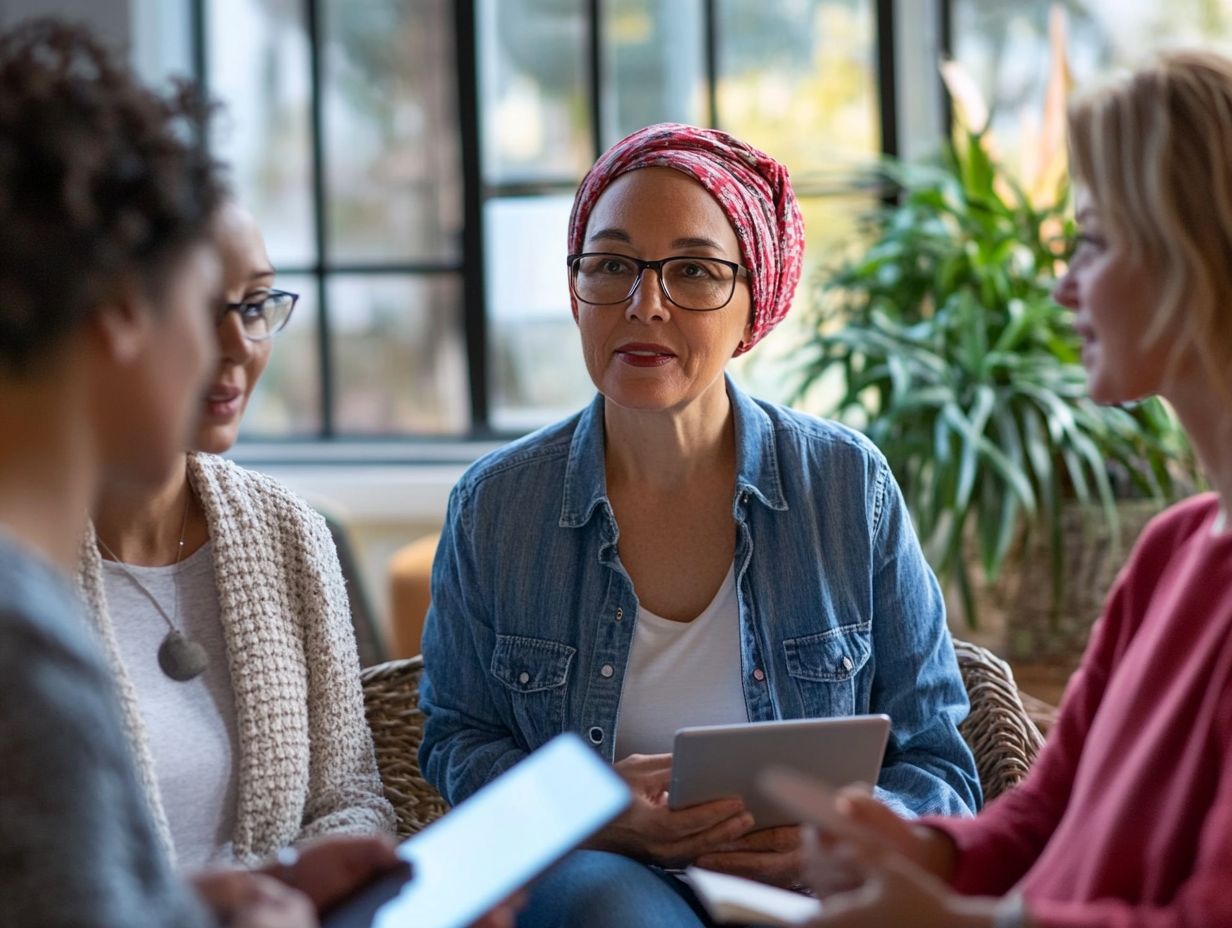
Nutrition plays a crucial role in cancer recovery by enhancing the immune system and overall health of survivors, including those who have undergone gastrectomy or other major surgeries.
A balanced diet with fruits, vegetables, whole grains, and lean proteins can restore energy levels and promote healing post-treatment.
Hydration supports detoxification and vital bodily functions, contributing to a resilient recovery process.
3. What to Expect During Cancer Treatment: Insights from Survivors
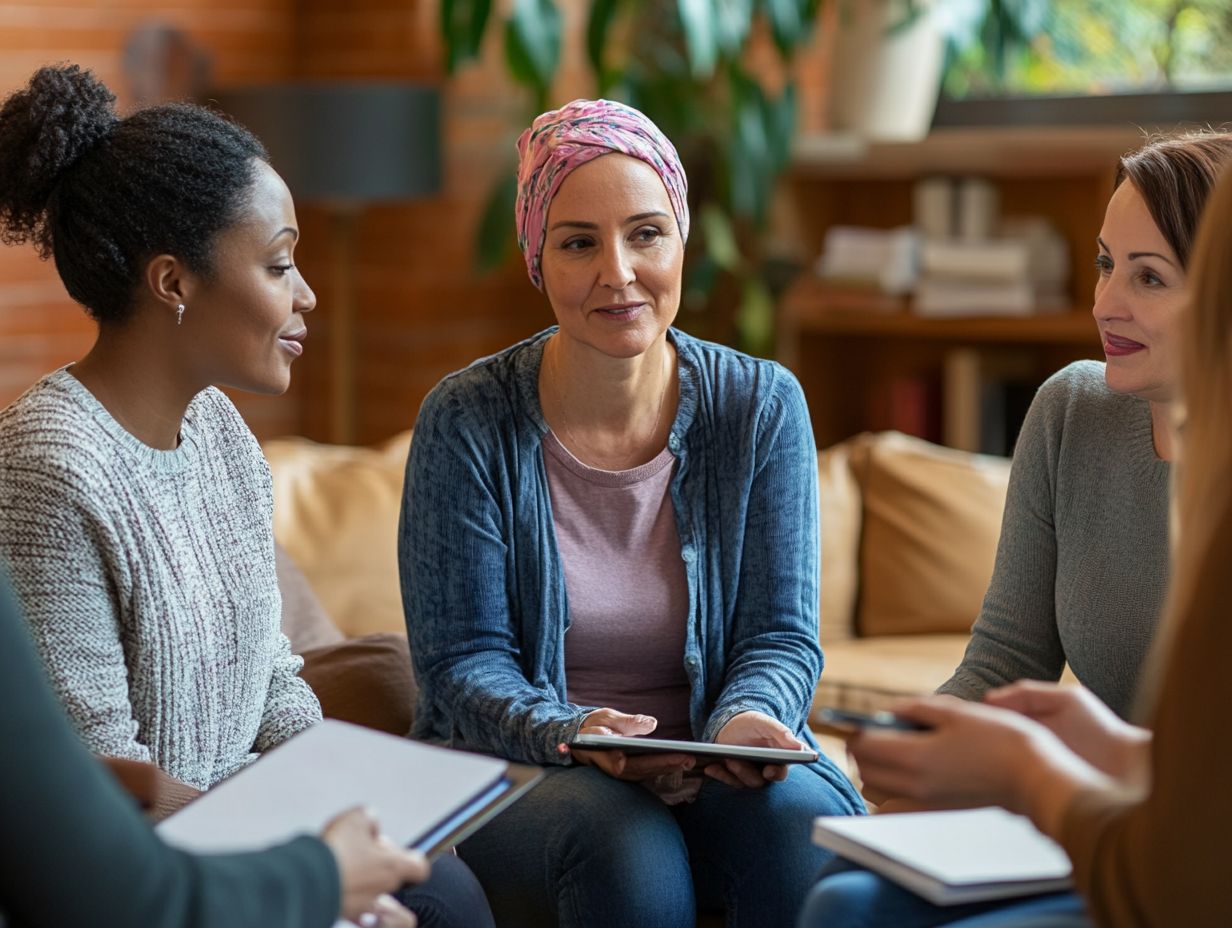
During cancer treatment, expect insights from survivors to emphasize common challenges like fatigue, hair loss, and nausea associated with chemotherapy and radiation therapy, which are often experienced by those with tonsil cancer or involved in an immunotherapy clinical trial.
Cancer treatment typically involves chemotherapy over several months and daily radiation sessions for weeks.
Survivors highlight the importance of open communication with healthcare providers and support from loved ones during treatment.
Emotional impacts include anxiety and mood fluctuations.
Survivors advise maintaining self-care and documenting the journey to process feelings and celebrate victories.
4. Life After Cancer: Tips for Moving Forward and Finding a ‘New Normal’

Life after cancer involves adjusting to a ‘new normal’ by focusing on health and setting personal goals.
Survivors can set small, achievable goals to regain control and purpose.
Prioritizing health through balanced nutrition, regular exercise, and mindfulness enhances well-being.
Finding joy in hobbies and connections with loved ones supports emotional recovery.
Frequently Asked Questions
What are some recommended cancer survivor blogs to read?
Popular survivor blogs include “Cancer Survivors Network,” “The Cancer Warrior,” and “The Pink Underbelly.” These platforms share personal stories and tips that can offer comfort and insight. You can find a comprehensive list at the Cancer Survivors Network.
How can reading survivor stories help me during my cancer journey?
These stories provide encouragement, practical advice for managing treatment and side effects, and a sense of community. They remind you that many have faced similar challenges and found ways to thrive.
Are these blogs useful for caregivers too?
Absolutely. Caregivers gain perspective on emotional and practical challenges, learning how best to support their loved ones and themselves through the cancer experience.
Can I engage with bloggers or other readers online?
Yes, many survivor blogs offer comment sections or social media groups where you can connect, ask questions, and share your own journey.
Where can I find trustworthy support resources during and after cancer treatment?
Organizations like the American Cancer Society, National Cancer Institute, and Cancer Support Community provide extensive support services, educational materials, and community connections.