Patient navigators play a crucial role in guiding individuals through the complex health care system, particularly in cancer care and cancer screening. These professionals provide invaluable support by helping patients access necessary services, offering emotional and informational support, and advocating for their needs to ensure timely and effective care. Their expertise in patient navigation enhances the cancer continuum by addressing social determinants and reducing health disparities.
The benefits of patient navigators are profound, particularly in underserved communities, where they help overcome barriers to care and improve patient outcomes and satisfaction. By implementing personalized care plans and follow-up protocols, patient navigators enhance health equity and reduce disparities in care delivery. They utilize innovative strategies and evidence-based interventions to promote quality health care and structured support.
To find patient navigators, individuals can reach out to hospitals, cancer centers, and nonprofit organizations. Community health workers and advocacy groups also serve as vital resources, connecting patients to navigation services and ensuring comprehensive access to healthcare resources, including outreach services and peer connections.
Key Takeaways:
1.
2.
3.
4.
5.
What are Patient Navigators?

Patient navigators are professionals who assist individuals in navigating the health system, especially for cancer screening and treatment of various cancers such as colorectal cancers, cervical cancers, and breast cancers.
Patient navigators help patients access services, provide emotional support, and offer information specific to their needs. They enhance patient support by addressing barriers to care and fostering community engagement.
The role of patient navigators is to improve patient outcomes and satisfaction by ensuring timely and appropriate care.
Definition and Role of Patient Navigators
Patient navigators are healthcare professionals who guide patients through healthcare systems, focusing on treatment options, appointment scheduling, and access barriers.
The role of patient navigators includes educating patients about resources, facilitating communication with healthcare providers, and advocating for patients’ needs. Their resourcefulness and navigator expertise contribute significantly to patient advocacy and care coordination.
Patient navigators improve health outcomes by providing personalized support and enhancing access to healthcare services. Their professional practice often involves mentoring and developing training programs that address health disparities and support Latino populations and African populations.
Benefits of Patient Navigators
Patient navigators improve patient outcomes and satisfaction by providing personalized support and guidance in healthcare systems.
Patient navigators assist patients in overcoming emotional and logistical barriers, leading to more efficient care experiences. Their work is informed by cultural humility and focuses on addressing the social determinants of health.
Benefits include ensuring patients are informed and engaged in treatment plans and connecting them to advocacy resources and peer support.
Patient navigators are particularly beneficial in underserved communities.
Improving Patient Outcomes and Satisfaction
Patient navigators improve patient outcomes and satisfaction by providing emotional, logistical, and informational support during cancer screening and treatment. They engage in patient navigation to ensure comprehensive cancer care and address issues like secondary trauma and quantitative data analysis for better patient management.
Patient navigators implement evidence-based interventions and focus on health equity to ensure all patients receive proper care, reducing health disparities.
Strategies include:
- Follow-up protocols
- Personalized care plans
- Feedback mechanisms to engage patients, address concerns, and enhance care delivery
How to Find Patient Navigators

To find patient navigators, contact hospitals, cancer centers, or nonprofit organizations that offer patient navigation services.
Community health workers and advocacy groups can also assist in locating patient navigators. These professionals often engage with resources like the National Navigation Roundtable and initiatives such as the HealthyWoman Program to ensure comprehensive support for patients.
These resources provide support and guidance through the healthcare system.
Resources and Organizations
Patient navigation services assist individuals facing cancer screening and treatment challenges through resources and organizations. They work alongside institutions like George Washington University and the Mayo Clinic to offer comprehensive support and guidance.
Hospitals, oncology clinics, and nonprofits provide patient navigators to help access services and financial resources.
Organizations like the American Cancer Society offer patient navigation programs for treatment options and support.
Community health workers connect patients to advocacy groups, ensuring information and resources are accessible, especially for underserved populations.
Working with a Patient Navigator
A patient navigator is a healthcare professional who acts as a liaison between patients and healthcare providers to improve care coordination.
Working with a patient navigator involves effective communication of patient needs and concerns to ensure all aspects of care are addressed.
The navigator provides tailored support by addressing practical barriers and coordinating appointments.
Tips for Effective Collaboration
Effective collaboration with a patient navigator involves clear communication, shared goals, and regular updates.
Patients should express needs clearly, provide updates on conditions, and prepare questions for appointments.
Using tools like symptom diaries can enhance discussions, while regular check-ins build trust and improve care coordination.
Proactive communication enables navigators to better advocate and improve patient outcomes.
Using Patient Navigators in Different Healthcare Settings

Patient navigators are used in various healthcare settings, including hospitals, clinics, and community health centers.
In these settings, patient navigators assist patients with accessing cancer screening, treatment services, and resources. They provide treatment support and manage service availability to ensure continuity of care and health equity.
Patient navigators also work in telehealth settings to facilitate remote consultations and follow-ups.
By addressing barriers to care, patient navigators improve health outcomes and support underserved communities.
Hospitals, Clinics, and Community Health Centers
Patient navigators in hospitals, clinics, and community health centers guide patients through cancer screening and treatment by scheduling appointments, explaining treatment options, and ensuring continuity of care.
Patient navigators provide educational support on preventive measures and early detection, facilitating access to financial and transportation services to prevent care delays.
Patient navigators advocate for health equity by enhancing access to care for underserved populations.
Frequently Asked Questions
How can I find a patient navigator?
There are several ways to find a patient navigator. You can ask your doctor, hospital, or healthcare facility if they have a patient navigator program. You can also search online for patient navigator organizations or contact your local health department for resources.
What qualifications should I look for in a patient navigator?
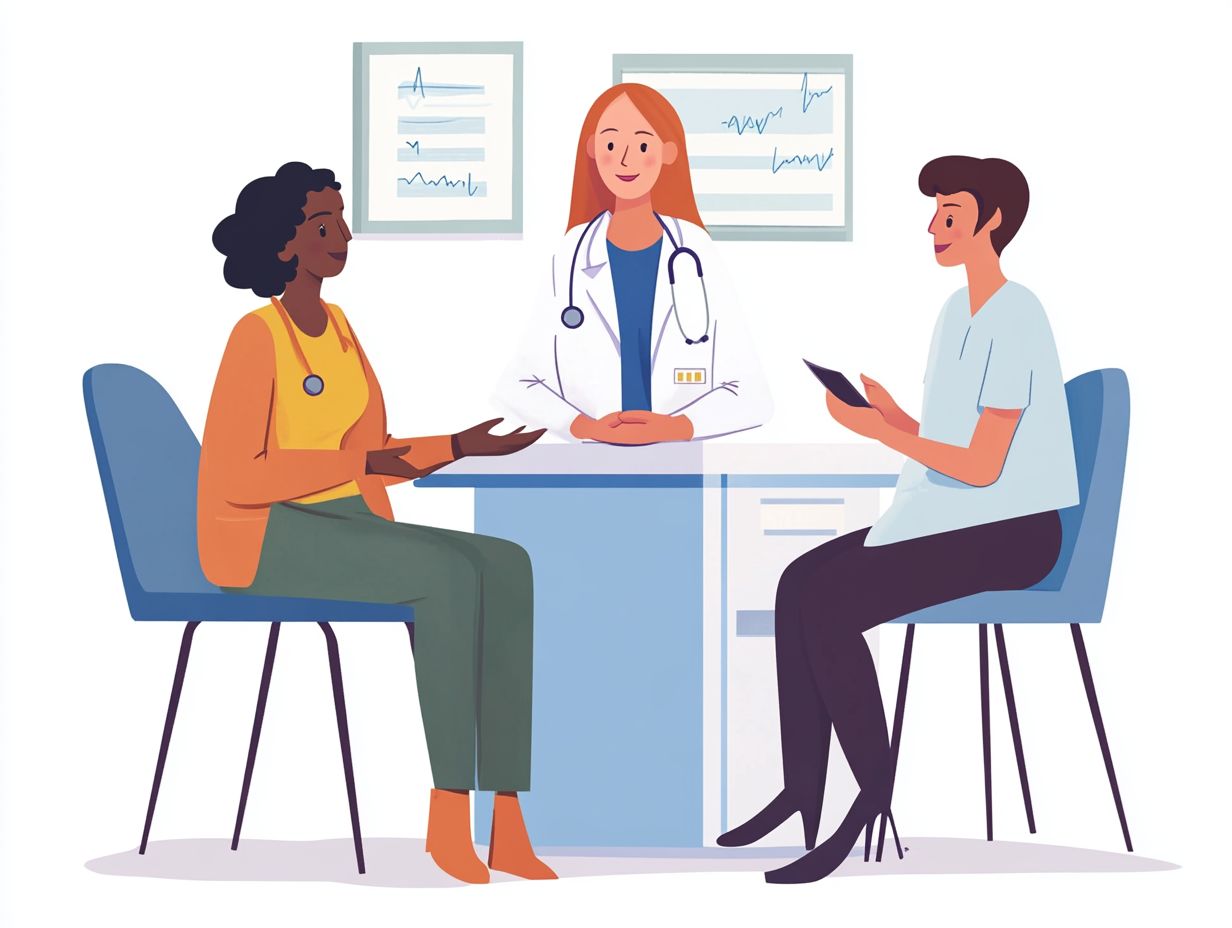
A patient navigator should have a medical background and/or experience working in the healthcare field. They should also have knowledge of different healthcare systems and resources available to patients. It is important to find a navigator that you feel comfortable and trust to guide you through your healthcare journey.
Do patient navigators charge for their services?
Patient navigators may be employed by a hospital or healthcare facility and their services may be covered by your insurance. However, some navigators may also work for non-profit organizations and offer their services for free. It is important to inquire about any potential costs before working with a patient navigator.
How can a patient navigator help me?
A patient navigator can assist you with navigating the complex healthcare system, understanding your diagnosis and treatment options, coordinating appointments and referrals, and connecting you to support services such as financial resources or counseling. They can also be a source of emotional support, advocacy, and professional practice guidance, ensuring a personal connection to your care journey.
Can I choose my own patient navigator?
In some cases, you may be able to choose your own patient navigator, especially if you are working with a non-profit organization. However, if you are receiving care from a hospital or healthcare facility, they may assign a navigator to you based on your medical needs and availability.
What should I do if I am not satisfied with my patient navigator?
If you are not satisfied with your patient navigator, it is important to communicate your concerns and feedback to them directly. If the issue cannot be resolved, you can also ask to be assigned a new navigator or seek out a different organization. Your satisfaction and comfort with your navigator is crucial for a successful healthcare journey.