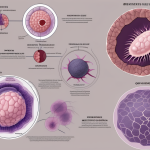
Keeping up with the latest cancer treatments can feel overwhelming, but staying informed empowers you to make confident decisions for yourself or your loved ones. From trusted social media channels to support groups and direct conversations with your healthcare team, there are accessible ways to understand the evolving landscape of cancer care. This guide helps you discover practical strategies to find reliable information, comprehend new treatment options like immunotherapy and targeted therapies, and actively participate in your cancer journey with clarity and hope.
Why Staying Informed Matters: Your Guide to Reliable Cancer Treatment Information
Cancer treatment is constantly improving, with new therapies and research emerging regularly. If you or someone close to you is facing cancer, knowing where and how to find trustworthy information can make a significant difference in your care experience and outcomes. Here’s how you can stay updated effectively:
1. Follow Trusted Sources on Social Media

Social media platforms like Twitter and Facebook can be valuable tools when used wisely. Reputable organizations such as the American Cancer Society and the National Cancer Institute share timely updates on treatment advances, prevention tips, patient stories, and expert webinars. By following these credible sources, you can receive evidence-based information directly to your feed, helping you spot myths and misinformation early on. For example, the National Cancer Institute’s Twitter account (@NCI) regularly posts research updates and patient resources that are easy to understand.
Learn more at the American Cancer Society and National Cancer Institute.
2. Join Support Groups or Online Communities
Facing cancer can feel isolating, but joining a support group or online community offers emotional connection and practical knowledge. These groups provide a safe space to share experiences, coping strategies, and lifestyle changes that might complement medical treatments. Hearing firsthand from others who have navigated similar challenges can help you feel less alone and more empowered. Organizations like Cancer Support Community (cancersupportcommunity.org) offer both in-person and virtual support options.
3. Attend Educational Events and Conferences
If you want to deepen your understanding, look for workshops, webinars, or seminars focused on cancer care. These events often feature healthcare professionals discussing the latest treatment guidelines, survivorship care, and emerging technologies such as immunotherapy and precision medicine. Attending can also give you a chance to ask questions directly and connect with experts—helping you make informed choices. Many cancer centers and advocacy groups host regular educational sessions. Check the events calendar at your local cancer treatment center or national organizations.
4. Subscribe to Newsletters and Publications
Regularly receiving newsletters from trusted organizations lets you stay on top of new research and treatment breakthroughs without needing to hunt for information. Resources like MedlinePlus (medlineplus.gov), PubMed (pubmed.ncbi.nlm.nih.gov), and the National Cancer Institute offer newsletters packed with credible, up-to-date content presented clearly for patients and caregivers. These subscriptions can improve your health literacy and support proactive health management.
5. Talk Openly with Your Healthcare Provider

Your doctor, nurse, or healthcare team is the most personalized and accurate source for information about your diagnosis and treatment options. Keep an open dialogue by preparing questions ahead of visits—such as asking about benefits, risks, side effects, and potential clinical trials. Discussing your values and preferences ensures your care aligns with what matters most to you. Remember, no question is too small when it comes to your health.
Understanding the Latest Advances in Cancer Treatment
Treatment options have expanded far beyond traditional surgery, chemotherapy, and radiation. Let’s explore some of the cutting-edge therapies that might be part of your care plan:
- Immunotherapy: This approach strengthens your immune system to recognize and destroy cancer cells effectively. It includes treatments like checkpoint inhibitors, which have shown promising results in cancers such as melanoma and lung cancer.
- Targeted Therapy: These drugs focus on specific genetic changes within cancer cells, allowing for more precise attack with potentially fewer side effects. They’re often used when certain biomarkers are identified through genetic testing.
- Personalized Medicine: Tailoring treatment based on your unique genetic profile can optimize effectiveness and reduce unnecessary toxicity. Advances in genomic testing have opened doors for this individualized approach.
For reliable details on new treatments, visit the National Cancer Institute’s page on cancer treatment.
Common Side Effects and How to Manage Them
Cancer therapies can cause side effects like fatigue, nausea, hair loss, skin irritation, and immune changes. Treatments affect everyone differently, and managing side effects is a critical part of care. Your healthcare team can offer strategies to alleviate symptoms, such as medications for nausea, nutritional support, or counseling services for emotional well-being.
Staying Informed About Clinical Trials

Clinical trials provide access to innovative treatments and contribute to advancing cancer care. To find trials that might be right for you, visit ClinicalTrials.gov to explore options by location and eligibility criteria. Your healthcare provider can help you understand the potential benefits and risks involved.
Supporting a Loved One Through Cancer Treatment
You play a vital role in your family member or friend’s cancer journey. Simply listening and being present can ease their emotional burden. Practical help—like running errands, preparing meals, or accompanying them to appointments—can also make a big difference. Encouraging them to use support networks and professional counseling fosters resilience and hope.
Advocating for Yourself in Treatment Decisions
Taking an active role in your care can improve outcomes and satisfaction. Don’t hesitate to prepare questions, understand your diagnosis fully, seek second opinions, and verify any new information with your healthcare team. Being informed helps you avoid scams and make decisions consistent with your values and goals.
Frequently Asked Questions
How can I be sure the cancer information I find online is accurate?
Check that the source is from reputable organizations like the National Cancer Institute or American Cancer Society. Avoid websites making exaggerated claims or promoting unproven treatments. When in doubt, discuss any findings with your healthcare provider.

What should I ask my doctor about cancer treatment?
Consider asking about different treatment options, possible side effects, expected outcomes, clinical trial availability, and how treatment may impact your quality of life. Preparing your questions ahead of time can make consultations more productive.
How often should I update myself on cancer treatments?
It’s helpful to stay current, especially during active treatment or follow-up periods, as cancer care evolves rapidly. Subscribing to newsletters and maintaining contact with your healthcare team ensures you receive timely information.
Can learning about cancer treatments help reduce my risk of developing cancer?
While knowledge itself doesn’t prevent cancer, understanding risk factors and recommended screenings can empower you to take proactive steps, like lifestyle changes and early detection, to lower your chance of cancer.
Where can I find support if I’m struggling emotionally during cancer treatment?
Support groups, mental health professionals, and patient counseling services are available to help. Organizations such as the Cancer Support Community offer resources geared toward emotional well-being during your treatment journey.