Making the most of your visits to a medical oncologist is essential for effective cancer treatment and management. Proper preparation and communication can significantly improve your experience and outcomes. Before your first visit, gather all relevant medical records, list your symptoms, and prepare questions regarding your cancer diagnosis and treatment options.
During the appointment, expect thorough physical exams, body scans, and discussions about potential treatment options. Maximizing your time with your oncologist involves being well-prepared, asking pertinent questions, and taking detailed notes. Understanding your treatment plan and managing side effects are crucial for navigating the journey ahead, especially in cases of advanced cancer.
Moreover, effective communication strategies, utilizing support systems, and prioritizing self-care can enhance your overall well-being. By actively engaging in your treatment process with your care team, including medical oncologists and other specialists, you can ensure a comprehensive and personalized approach to cancer care.
Key Takeaways:
Preparing for Your Oncologist Visit

Preparing for an oncologist visit involves gathering medical records, writing down symptoms, and listing questions about your cancer diagnosis and treatment options, including chemotherapy, targeted therapy, or immunotherapy.
Bring previous test results, medications, and a complete medical history to the appointment.
During the visit, expect a physical exam, body scans, and lab tests to help determine the stage of cancer. This is particularly important for conditions like lung cancer, leukemia, and lymphoma.
Preparation equips you with knowledge and improves the effectiveness of the consultation.
Gathering Important Information
Gathering important information before an oncologist visit involves compiling medical history, previous treatments, and lab tests, especially if you have early-stage cancers like anal cancer, rectal cancer, or colon cancer.
This information helps the oncologist assess the patient’s condition and tailor treatment plans effectively.
Providing detailed medical data improves therapy efficacy and enhances patient outcomes.
Questions to Ask Your Oncologist
Questions to ask your oncologist include:
- What type of cancer do I have?
- What stage is my cancer?
- What are my treatment options?
- What are the goals of each treatment?
- What are the potential side effects?
- How will treatment affect my daily life?
- Are there support services available?
- Can you provide information on clinical trials?
- What is the expected prognosis?
- How should I prepare for treatment?
Maximizing Your Time with Your Oncologist
Maximizing time with your oncologist involves preparing questions in advance, prioritizing concerns, and taking notes during appointments.
Effective communication with your oncologist ensures all treatment aspects are discussed, improving understanding and care outcomes.
Proactive patient engagement enhances treatment efficiency and effectiveness.
Effective Communication Strategies
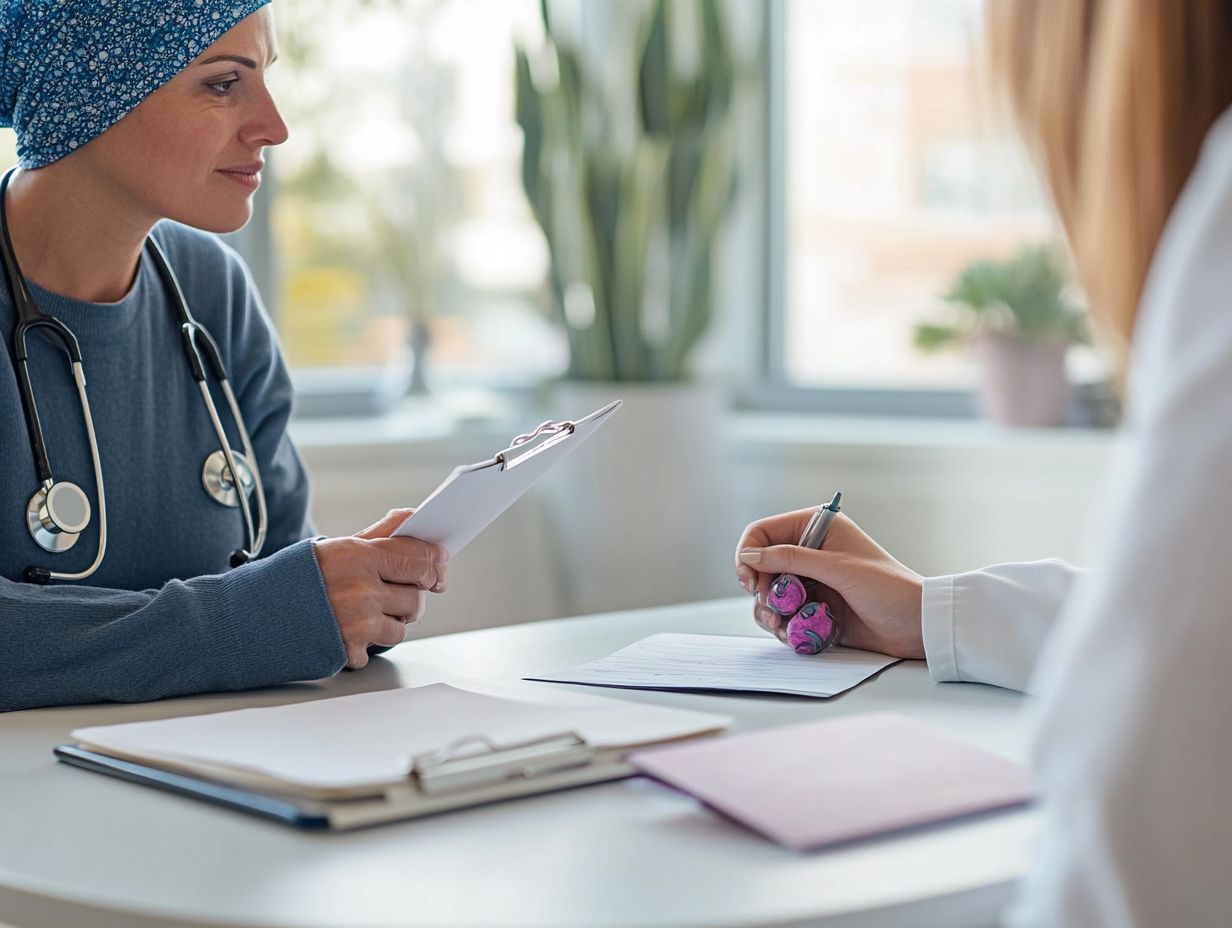
Effective communication strategies with an oncologist, such as Dr. Katisha Vance from MD Anderson Cancer Center, involve active listening, asking clarifying questions, and expressing treatment concerns.
Effective communication ensures treatment plans align with personal health goals and improves the patient-care experience.
Understanding Your Treatment Plan
Understanding your treatment plan is essential for effective cancer treatment, including chemotherapy, targeted therapy, and immunotherapy based on your specific diagnosis managed by your medical oncologist.
Surgical oncologists perform tumor removal surgeries, while radiation oncologists, such as those at the Texas Medical Center, use targeted radiation to eliminate remaining cancer cells.
Knowing what to expect during treatment helps patients prepare mentally and physically. Regular monitoring allows healthcare providers to adjust the treatment plan based on individual responses.
Managing Side Effects and Symptoms
Managing side effects and symptoms during cancer treatment, such as lung cancer or colon cancer, involves recognizing and addressing issues such as nausea, fatigue, and pain.
Common management strategies include:
- Using prescribed medications
- Maintaining good nutrition
- Utilizing relaxation techniques
Effective management of side effects improves quality of life and supports better treatment outcomes.
Tips for Coping with Treatment Side Effects
To cope with treatment side effects, individuals can follow several tips to improve their quality of life.
- Nausea can be managed by staying hydrated, eating small, frequent meals, and choosing bland foods.
- Fatigue can be reduced through light exercise, as advised by healthcare professionals.
- Joining patient support groups can provide emotional support and shared coping strategies.
Support Systems for Cancer Patients

Support systems for cancer patients, including social work counselors and occupational therapists, provide emotional, informational, and practical assistance during treatment.
These support systems include healthcare professionals, support groups, family, and friends, all playing crucial roles in enhancing patients’ quality of life and ensuring patient access to necessary resources.
Support systems help reduce isolation, offer coping strategies, and provide necessary resources for managing treatment side effects.
Utilizing Support Groups and Resources
Utilizing support groups and resources provides cancer patients with emotional support and practical advice, which can be crucial for improving quality of life and managing stress.
Support groups connect individuals facing similar challenges, offering a platform to share experiences and coping strategies.
Patients can find suitable support groups through online platforms or by contacting local hospitals and cancer organizations like Cancer Solutions.
Participation in these communities enhances emotional well-being and offers companionship during treatment.
Importance of Self-Care
The importance of self-care during cancer treatment includes enhancing physical health, mental clarity, and emotional resilience, especially when dealing with malignant growths or advanced cancer stages.
Regular physical activity, even in small amounts, helps combat fatigue and improve mood.
Mindfulness and meditation manage anxiety.
Nutritious meals and hydration support bodily functions and boost the immune system.
Creative outlets like art or journaling allow emotional expression and stress relief.
Therefore, self-care is essential for improving the overall quality of life during cancer treatment.
Frequently Asked Questions
What is an oncologist and when should I visit one?
An oncologist is a doctor who specializes in the diagnosis and treatment of cancer, such as a medical oncologist who manages chemotherapy or targeted therapy. You should visit an oncologist if you have been diagnosed with cancer, or if you have symptoms that may indicate cancer.
How can I prepare for my oncologist visit?
It is important to prepare for your oncologist visit by writing down any questions or concerns you may have, bringing a list of your current medications, and bringing a family member or friend for support. You may also want to take notes during your visit.
What should I expect during my oncologist visit?
Your oncologist will review your medical history, perform a physical exam, and discuss your current symptoms and any changes. They may also order additional tests or imaging, and discuss treatment options with you.
How can I effectively communicate with my oncologist?
Be honest and open about your symptoms and concerns. Ask questions if you do not understand something and take notes during your visit. You can also bring a family member or friend to help you remember important information.
What can I do to get the most out of my oncologist visit?
Make sure to follow your oncologist’s instructions, ask for clarification if needed, and keep track of any side effects or changes in your symptoms. It is also important to attend all scheduled appointments and follow-up tests.
What should I do after my oncologist visit?
After your visit, make sure to follow any instructions given by your oncologist, continue to take your medications as prescribed, and keep track of any changes or side effects. It is also important to stay informed about your condition and communicate with your doctor regularly. Ensure you understand your health insurance coverage and HIPAA regulations related to your treatment.