Every cancer journey is unique, but the strength and resilience shared by survivors can inspire hope in anyone facing this disease. Through ten deeply personal stories, you’ll meet individuals who have confronted cancer with courage, found support in their communities, and discovered healing in unexpected places. These stories don’t just illustrate medical challenges—they reveal how emotional resilience, family bonds, faith, creativity, and advocacy contribute to overcoming cancer’s many hurdles. If you or a loved one is navigating cancer, these experiences offer encouragement and insight into the power of hope and connection on the healing path.
1. Never Give Up: The Story of a Stage 4 Cancer Survivor, Mark

Mark’s story as a Stage 4 cancer survivor shows how holding on to hope and leaning on community support can make a profound difference—even when the odds seem steep. His journey underlines the importance of early detection and accessing comprehensive cancer care centers like Comprehensive Cancer Centers of Nevada, which offer cutting-edge treatments tailored to individual needs.
2. Fighting Against All Odds: The Story of a Child Cancer Survivor
For families facing childhood cancer, Xenia’s battle underscores how family involvement and timely medical care, including participation in clinical trials, can shape successful outcomes. If you are supporting a child with cancer, knowing that holistic care and community awareness efforts are vital can provide direction. The American Cancer Society is an excellent resource for guidance on pediatric cancer care.
3. Beating Cancer Twice: The Story of a Determined Survivor
Survivors like Wenora, who beat cancer twice, show the power of advocacy and personalized health plans, reminding us that ongoing vigilance and support matter long after treatment ends. If you’ve faced multiple diagnoses or want to be proactive, regular screening and health monitoring are essential.
4. Finding Strength in Faith: The Story of a Spiritual Survivor
Faith can also be a source of strength, as one survivor’s experience highlights. Spiritual beliefs and communities often offer emotional support when the journey feels overwhelming. If you’re seeking comfort beyond medicine, connecting with faith-based groups may help nurture your resilience.
5. Overcoming Fear: The Story of a Breast Cancer Survivor
Emily’s story as a breast cancer survivor brings to light the importance of addressing anxiety and fear through tools like meditation, journaling, and support groups. If fear feels immobilizing, remember that emotional resilience can be built with support and self-care practices. The Mayo Clinic shares useful strategies to cope with cancer-related anxiety.
6. Defying Statistics: The Story of a Lung Cancer Survivor, Robert

Robert, a lung cancer survivor, breaks statistics through adherence to treatment and awareness of environmental risks like radon exposure. If you or someone you love is at risk, regular screenings and environmental assessments are crucial. Learn more about lung cancer risk factors and prevention from the Centers for Disease Control and Prevention (CDC).
7. A Second Chance at Life: The Story of a Leukemia Survivor, Janet
Janet’s leukemia journey highlights advances in medical treatments such as chemotherapy and stem cell transplants and shows how family support is a powerful force in recovery. If you’re exploring similar treatment options, discussing them with your care team can help tailor your plan.
8. Healing Through Art: The Story of a Creative Survivor, Caroline
Finding creative outlets, as Caroline did through art, can aid emotional healing. Art therapy offers a way to express feelings and connect with others who understand your experience. If you’re interested, local art therapy programs or online communities may provide valuable support.
9. Fighting for Family: The Story of a Mother’s Cancer Survival, Linda
Linda’s experience emphasizes how family love and advocacy contribute to healing and underscores the need for regular health screenings to catch cancer early. Don’t hesitate to engage your loved ones and health professionals in your care.
10. Never Lose Hope: The Story of a Terminal Cancer Survivor, Chris Geiger
Finally, Chris’s story as a terminal cancer survivor teaches us that maintaining hope and positive engagement can improve quality of life even when facing difficult prognoses. Podcasts and blogs have become vital tools for sharing experiences and building community resilience.
How Cancer Survivors Can Inspire You

These survivors encourage others by openly sharing their journeys, advocating for awareness, and participating in support networks. Whether you’re newly diagnosed or a caregiver, hearing their stories can remind you that you’re not alone. Support groups, community events, and online forums are powerful avenues to connect and find strength. For more information on survivor support, visit the National Cancer Institute’s survivorship resources.
Common Challenges for Survivors
If you’ve finished treatment or are managing cancer long-term, you might experience emotional challenges like anxiety or fear of recurrence, as well as physical symptoms such as fatigue or pain. These can affect your daily life and relationships, but help is available. Counseling, support groups, and community resources play a key role in healing. Don’t hesitate to reach out.
Supporting a Cancer Survivor
If you’re a friend or family member, your role is invaluable. Offering a listening ear, helping with daily tasks, and attending appointments together can lighten the burden. Open, compassionate communication is key to understanding and meeting your loved one’s needs.
Raising Awareness and Support
You can help build awareness by participating in or organizing community events, sharing educational content on social media, and supporting advocacy programs. These actions not only inform but also foster a supportive environment for survivors and their families.
Living Healthily After Cancer
Maintaining health post-treatment involves balanced nutrition—think fruits, vegetables, whole grains, and lean proteins—and regular physical activity such as walking or gentle yoga. Mental wellness practices like mindfulness and ongoing medical check-ups are equally important. Joining support groups can provide camaraderie and inspiration to keep moving forward.
- Fruits
- Vegetables
- Whole grains
- Lean proteins
Resources for Survivors
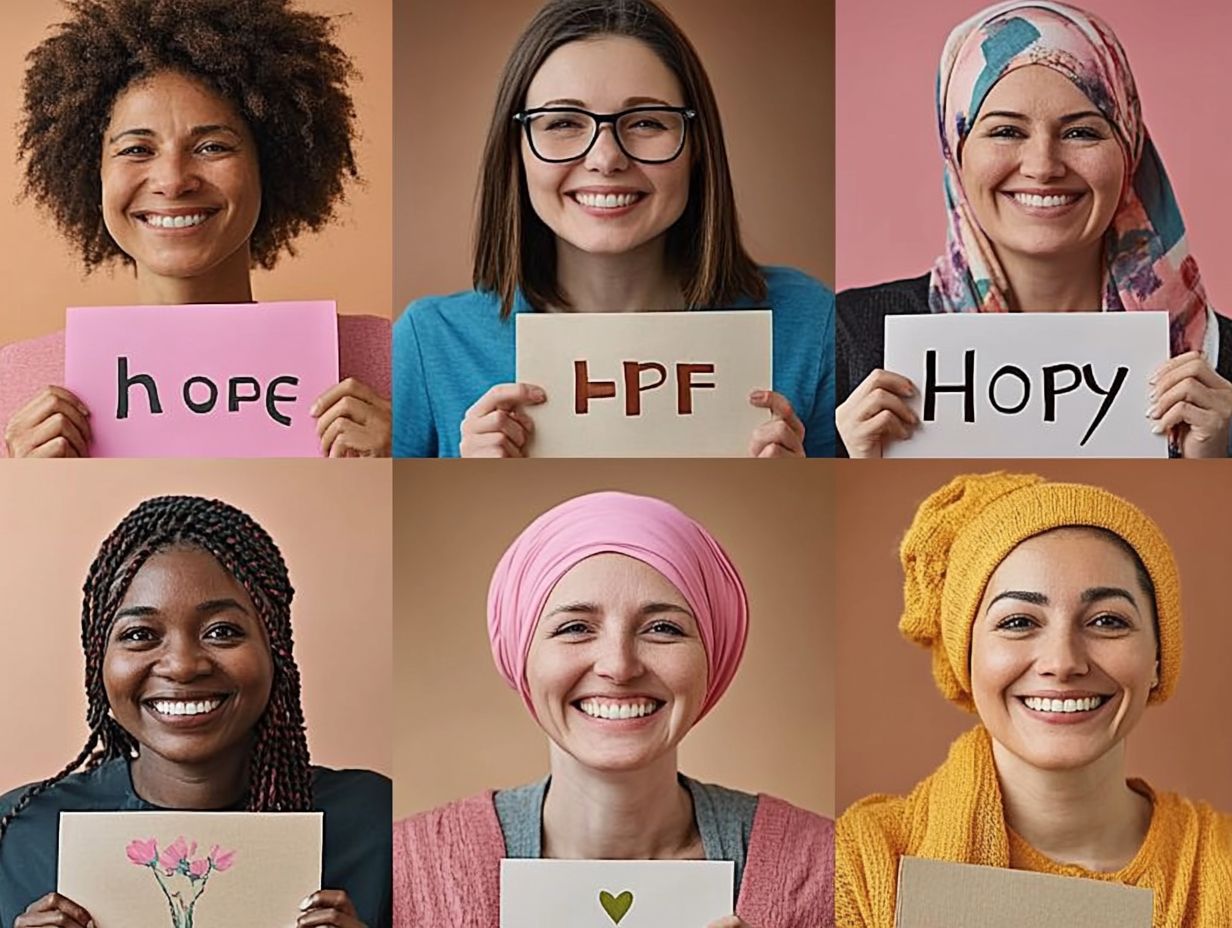
Many organizations offer valuable resources, including support groups, financial assistance, clinical trial information, and educational materials. Trusted sources include the American Cancer Society, National Cancer Institute, and local cancer centers. Connecting with these can help you navigate survivorship with confidence.
Frequently Asked Questions
What defines a cancer survivor?
Anyone diagnosed with cancer who is still living is considered a survivor. This includes people undergoing treatment, in remission, or beyond. It’s a broad term that celebrates life beyond diagnosis.
How can cancer survivors inspire others?
By sharing their personal journeys, survivors provide hope and practical advice. Their stories show that recovery is possible and encourage community support and advocacy.
What emotional challenges might survivors face?
Anxiety, depression, and fear of cancer returning are common. Accessing counseling and support groups can be helpful strategies for managing these feelings.
How can family and friends best support a survivor?
Listening actively, offering practical help, and being present at medical visits can make a big difference. Respecting their feelings and maintaining open communication is essential.
Are there specialized resources for survivors?
Yes, many organizations offer tailored programs, including financial aid, emotional support, education, and opportunities for advocacy. The American Cancer Society is an excellent starting point.