The role of technology in cancer treatment is evolving, offering transformative possibilities across various medical approaches. From traditional methods like surgery, chemotherapy, and radiation therapy to innovative techniques such as CRISPR gene editing, CAR-T therapy, and nanomedicine cancer, technology is enhancing precision and personalization in cancer care.
Advancements in artificial intelligence, digital simulations, and cancer data analysis are improving diagnostics, enabling early detection and tailored treatment plans. These technologies streamline clinical workflows and boost cancer research efficacy, promising higher intervention success rates.
Despite these advancements, challenges like high costs and limited access persist, underscoring the need for policy reforms to ensure equitable treatment access. As we look to the future, the integration of AI, advanced imaging, and novel therapies aims to further revolutionize oncology, enhancing patient outcomes, treatment efficacy, and addressing health disparities.
Key Takeaways:
Overview of Different Treatment Options
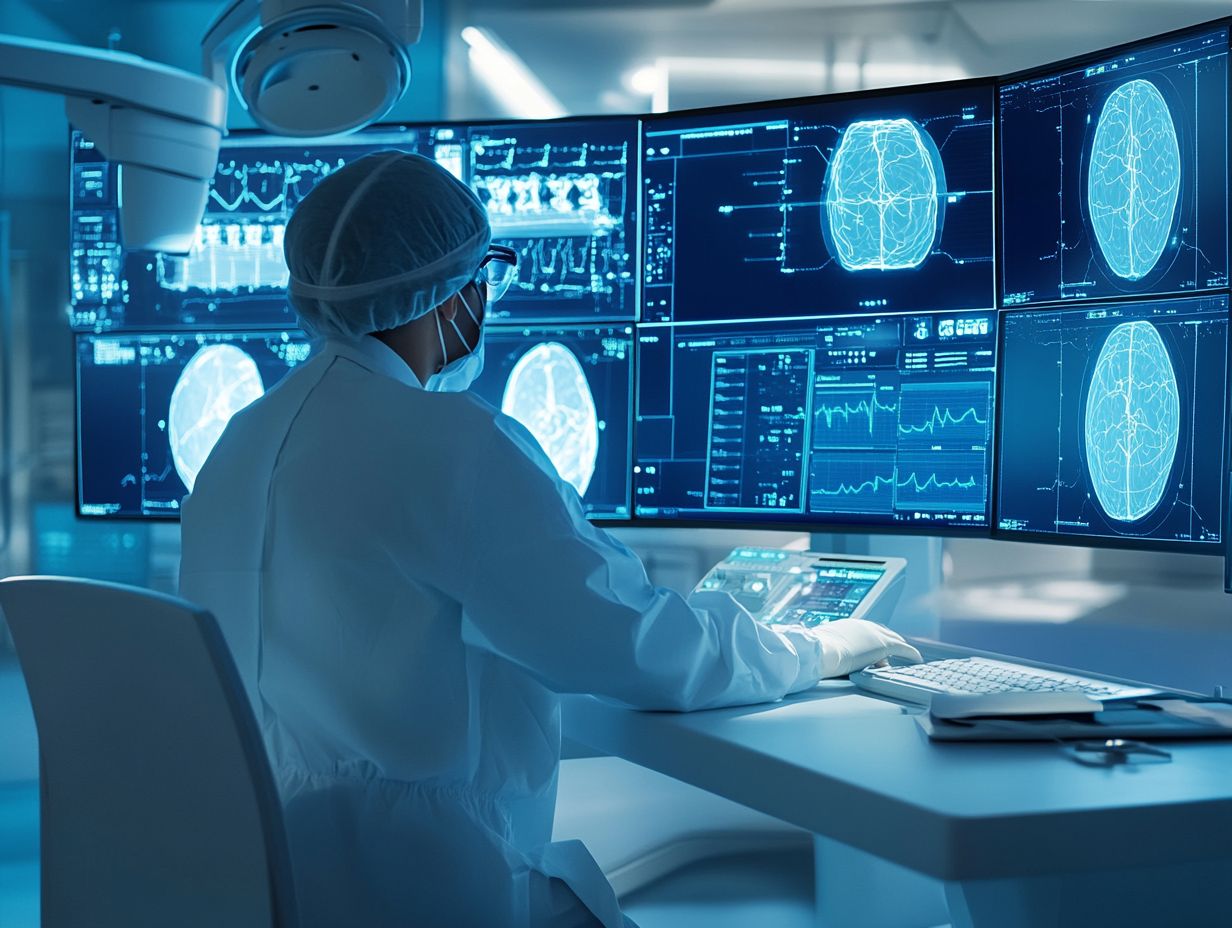
Cancer treatment options include surgery, chemotherapy, radiation therapy, immunotherapy, precision medicine, and targeted therapies.
Traditional methods like surgery and chemotherapy target and remove cancer cells, while radiation therapy uses high-energy rays to destroy cancer.
Emerging treatments include CRISPR gene editing for personalized care and robotic surgery for enhanced precision.
Telehealth and artificial intelligence improve access and diagnosis, enhancing patient management and expanding telehealth cancer care.
Clinical trials explore new treatments, driving innovation in cancer therapeutics and drug discovery.
Traditional Methods of Cancer Treatment
Traditional methods of cancer treatment include surgery, chemotherapy, and radiation therapy.
Surgery removes tumor tissue, chemotherapy uses drugs to kill cancer cells, and radiation therapy uses high-energy rays to destroy cancer cells.
These treatments aim to target and eliminate cancer cells, reduce cancer growth, and increase patient survival rates.
Surgery, Chemotherapy, and Radiation Therapy
Cancer treatment involves surgery, chemotherapy, and radiation therapy.
Surgery removes cancerous tumors and affected tissues, effective for localized cancer.
Chemotherapy uses drugs to target and destroy rapidly dividing cancer cells, suitable for widespread cancers.
Radiation therapy uses high-energy waves to eliminate cancer cells and can be primary or supplemental post-surgery.
Each treatment has unique side effects:
- Surgery may lead to infection,
- Chemotherapy causes nausea and fatigue,
- Radiation may irritate skin and cause fatigue.
Integrating these treatments aims to improve survival rates and quality of life.
The Impact of Technology on Cancer Treatment
Technology impacts cancer treatment by improving accuracy in diagnosis, personalizing care, and advancing cancer biology understanding.
Artificial intelligence, digital twin simulations, and advanced imaging technologies enhance understanding of tumor biology, genetic variations, and cancer genetics, leading to more effective treatments.
Technology in cancer treatment streamlines clinical workflows and boosts cancer research efficiency.
Advancements in Diagnosis and Treatment
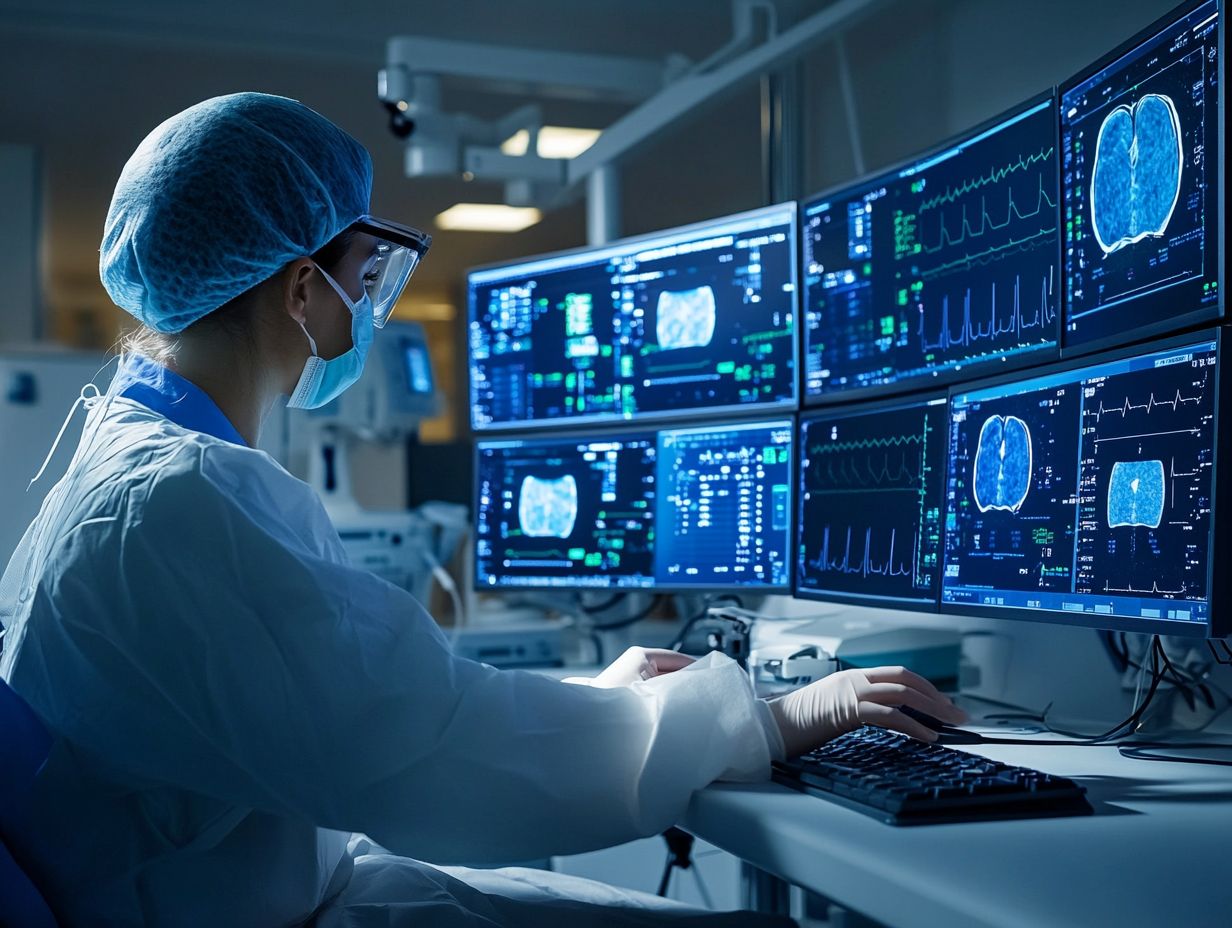
Advancements in diagnostic testing and treatment have transformed cancer care by enabling early detection and targeted therapies.
Innovations such as AI and machine learning help analyze cancer biomarkers, identifying genetic variations that influence treatment responses.
Advanced imaging techniques and AI algorithms, including automated detection, allow earlier tumor detection, increasing the effectiveness of treatments.
Early detection leads to higher success rates in cancer intervention.
Innovative Technologies in Cancer Treatment
Innovative technologies in cancer treatment include targeted therapy, immunotherapy, and precision medicine, along with emerging technologies like exosome therapy and cryo-electron microscopy.
CRISPR gene editing, CAR-T therapy, and personalized care strategies allow personalized treatment based on genetic makeup and tumor characteristics.
Nanomedicine and other technologies improve treatment efficacy and reduce side effects compared to traditional therapies.
Targeted Therapy, Immunotherapy, and Precision Medicine
Targeted therapy, immunotherapy, and precision medicine are advanced cancer treatments designed to improve patient outcomes by focusing on the unique characteristics of individual tumors.
Targeted therapy attacks specific cancer cells by disrupting pathways crucial for tumor growth, effective against cancers like breast and lung cancer.
Immunotherapy uses the body’s immune system to recognize and eliminate cancer cells, showing promise in melanoma and certain blood cancers.
Precision medicine integrates genetic and biomarker information to tailor cancer treatment, enhancing efficacy and minimizing side effects.
Challenges and Limitations of Technology in Cancer Treatment
Challenges of technology in cancer treatment include high costs, limited access, and health disparities affecting patient care, hindering the adoption of cancer care technologies.
Limitations exist due to socioeconomic status, geographic location, and insurance coverage restricting access to advanced technologies.
Addressing these barriers is essential to provide equitable cancer treatment access.
Financial Burden and Access Issues
Financial burden and access issues in cancer care affect patients’ ability to receive timely treatment due to high costs and health disparities.
Patients face additional expenses like travel, accommodation, and lost income during recovery, while insurance often falls short, leading to financial distress.
Low-income families bear the brunt of treatment costs, exacerbating systemic inequities.
Advocacy for policy reforms, such as expanded insurance coverage and financial assistance programs, alongside enhanced cancer surveillance, can help alleviate these burdens and improve access to cancer care.
The Future of Technology in Cancer Treatment
The future of technology in cancer treatment involves leveraging AI for personalized treatment plans, utilizing advanced imaging techniques for precise diagnostics, and integrating new therapeutic approaches, including tumor treating fields, to improve patient outcomes.
Technologies such as AI-driven diagnostics and novel therapies aim to transform oncology by enhancing accuracy and treatment efficacy.
Potential Breakthroughs and Advancements
Potential breakthroughs in cancer treatment include advancements in health monitoring, predictive AI models, and CRISPR gene editing.
Predictive AI models analyze vast datasets to forecast patient responses to therapies, enhancing personalized treatment and precision oncology.
CRISPR gene editing allows for targeted cancer treatments based on the genetic makeup of tumors.
These advancements aim to improve the effectiveness of cancer therapies, patient outcomes, and integrate cutting-edge cancer imaging and predictive AI models.
Frequently Asked Questions
What is the role of technology in cancer treatment?
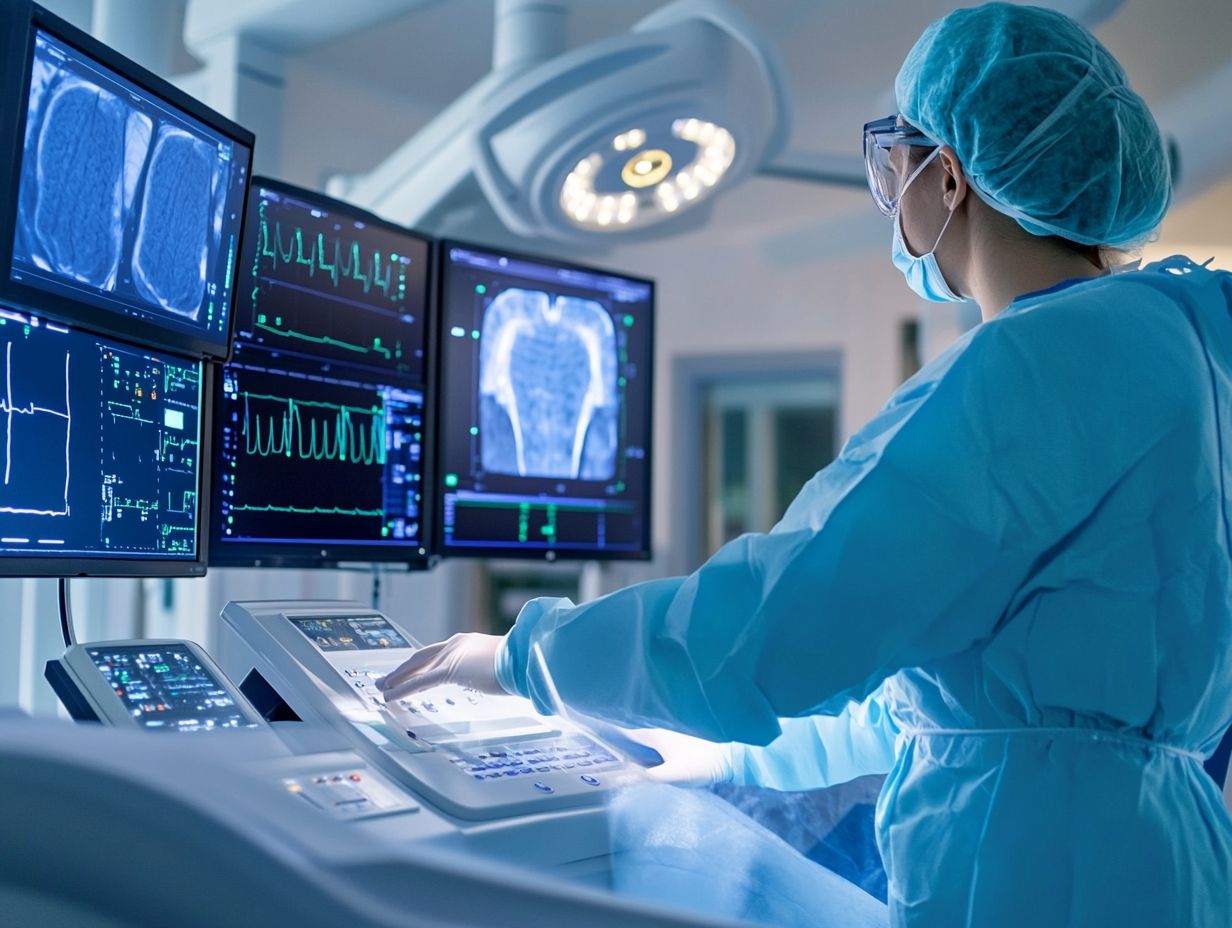
The role of technology in cancer treatment is multifaceted, and includes advancements in diagnosis, treatment, and patient care. Technology has greatly improved the accuracy and efficiency of cancer diagnosis, as well as the effectiveness and precision of treatments such as radiation therapy, targeted therapies, and cancer immunotherapy. Additionally, technology has also improved the quality of life for cancer patients through developments in supportive care and health monitoring.
How has technology improved cancer diagnosis?
Technology has greatly improved cancer diagnosis through the development of advanced imaging techniques such as MRI, CT scans, and PET scans. These technologies allow for more accurate and detailed images of the body, making it easier to detect and diagnose cancer at an early stage. Additionally, technology has also led to the creation of more precise and minimally invasive biopsy techniques, which can provide more accurate and timely results, enhancing cancer screening and diagnostic testing.
What are some examples of technology used in cancer treatment?
Some examples of technology used in cancer treatment include robotic surgery, proton therapy, and immunotherapy. Robotic surgery allows for more precise and minimally invasive procedures, while proton therapy delivers targeted radiation to cancer cells with minimal damage to surrounding tissue. Immunotherapy uses the body’s own immune system to fight cancer, and has shown promising results in treating certain types of cancers, such as chronic myeloid leukemia.
How has technology improved patient care during cancer treatment?
Technology has greatly improved patient care during cancer treatment through the development of electronic health records, which allow for more efficient communication between healthcare providers and easier access to patient information. Additionally, technology has also improved patient monitoring, with the use of wearable devices and mobile apps that track vital signs and symptoms, allowing for early detection of any complications, leveraging virtual reality for patient education.
What are the future possibilities for technology in cancer treatment?
The future possibilities for technology in cancer treatment are endless. Some advancements that are currently being explored include artificial intelligence for more accurate and personalized treatment plans, CRISPR gene editing for precision medicine, nanotechnology for targeted drug delivery, and virtual reality for pain management and distraction during procedures. Areas like machine learning and digital twin technology are revolutionizing cancer diagnosis and treatment. It is an exciting time for the role of technology in cancer treatment, and the potential for improving outcomes and quality of life for patients is immense.
How can patients and caregivers stay informed about the latest technological innovations in cancer treatment?
Patients and caregivers can stay informed about the latest technological innovations in cancer treatment by staying in touch with their healthcare providers and asking about any new developments in their specific type of cancer. They can also learn about advancements in telehealth cancer care, CRISPR, and cancer immunotherapy. Staying updated by following reputable sources such as cancer research organizations, attending educational events or seminars, and exploring online resources about robotic surgery, digital health monitoring, and cancer data analysis can be beneficial. Additionally, staying connected with online support groups or forums can also provide information and insights on the use of technology in cancer treatment.