Recognizing the warning signs of cancer early can make a significant difference in your treatment and outcome. While symptoms vary depending on the type and stage of cancer, being alert to persistent changes in your body such as unexplained weight loss, ongoing fatigue, or new lumps can help you seek medical advice sooner. This guide breaks down seven important symptoms to watch for, explains risk factors that might affect you, and offers practical steps to reduce your risk and cope with a diagnosis.
Seven Important Symptoms to Watch For
1. Unexplained Weight Loss
If you suddenly lose weight without trying, this could signal cancers like breast, lung, or prostate cancer. Abnormal cell growth may change how your body uses energy, leading to weight loss. If you notice this, it’s important to talk with your doctor promptly.
Unexplained weight loss can indicate serious health conditions, including cancers like breast cancer, lung cancer, and prostate cancer.
Unexplained weight loss occurs when the body’s reaction to abnormal cell growth increases metabolic demands, causing nutritional deficiencies and loss of body mass.
Individuals experiencing sudden weight loss should seek medical evaluation.

2. Persistent Fatigue
Feeling tired all the time, even after rest, can be an early symptom of cancer or a side effect of treatments such as chemotherapy. If fatigue is interfering with your daily life and doesn’t improve, have a healthcare provider evaluate the cause.
Persistent fatigue is a common symptom of cancer, significantly impacting daily life and indicating potential cancer diagnosis, often seen in cases requiring treatment such as chemotherapy or linked to genetic mutations.
Persistent fatigue makes simple tasks challenging and reduces energy levels, indicating possible health conditions requiring medical evaluation and cancer awareness.
Cancer treatments like chemotherapy can worsen fatigue.
Recognizing persistent fatigue early helps individuals seek cancer awareness resources and support systems.
3. Changes in Bowel or Bladder Habits
If you experience ongoing diarrhea, constipation, or notice blood in your stool or urine, it may indicate colon or bladder cancer. Don’t ignore changes in how often or how your body eliminates waste—early screening could catch cancer in its treatable stages.
Changes in bowel or bladder habits can indicate cancer, such as colon cancer or bladder cancer, requiring prompt medical evaluation, possibly involving screening and diagnosis by healthcare professionals.
Symptoms include:
- Persistent diarrhea
- Constipation
- Blood in stool or urine
- Altered urination frequency or urgency
Early recognition of these symptoms is crucial for effective treatment.
4. Unusual Bleeding or Discharge
Bleeding that’s unexpected—whether vaginal, in urine, stool, or from the skin—or any unusual discharge may point to cancers such as endometrial or skin cancer. Such symptoms need prompt evaluation by a healthcare professional.
Unusual bleeding or discharge can indicate serious health conditions, including various types of cancer like endometrial cancer or skin cancer, and may be related to lifestyle choices or environmental factors.
Prompt medical evaluation is essential for unusual bleeding or discharge to identify potential malignancies and ensure timely intervention.
5. Difficulty Swallowing
Trouble swallowing food or liquids can be linked to throat or esophagus cancers. Besides cancer, other causes like age-related changes or muscle issues can contribute, so professional assessment is crucial to find the cause and start any needed treatment early.
Difficulty swallowing, or dysphagia, is a medical condition where individuals experience trouble moving food or liquids from the mouth to the stomach.
Dysphagia can be linked to throat or esophagus cancers and requires evaluation by healthcare professionals in oncology to determine the need for early intervention and treatment strategies.
Causes include age-related changes, neurological disorders, or muscle issues, impacting safe consumption.
6. Persistent Cough or Hoarseness
A cough or hoarse voice lasting more than a few weeks, especially if accompanied by coughing up blood or unexplained weight loss, can be signs of lung or throat cancer. Early evaluation is essential to determine the cause.
A persistent cough or hoarseness could indicate serious conditions like lung cancer or throat cancer.
Other symptoms may include unexplained weight loss, coughing up blood, and difficulty swallowing.
Immediate consultation with a healthcare professional is crucial for accurate diagnosis and treatment.
Early detection improves treatment effectiveness.
7. Changes in a Mole or Skin Lesion
Watch for moles that are asymmetric, have irregular edges, color changes, or grow in size. These could indicate skin cancer. Regular skin self-exams and professional checks are important for catching skin cancer early. Learn more about skin cancer signs from the American Cancer Society.
Changes in a mole or skin lesion can indicate skin cancer; key signs include asymmetry, irregular borders, and color changes.
Asymmetrical moles, where halves do not match, and moles with jagged or undefined borders, may require medical evaluation.
Color changes or multiple shades in a mole are significant indicators needing attention.
Regular skin checks by healthcare professionals help detect potential skin cancer early, a proactive measure to prevent cancer recurrence.
Understanding Cancer Types and Risk Factors
Cancer can develop in almost any part of the body. Common types include breast, lung, prostate, skin, colorectal, leukemia, lymphoma, pancreatic, liver, and bladder cancers. Your risk depends on factors like genetics, family history, lifestyle, and environment.
For example, if you have a family history of cancer, particularly related to genetic mutations, genetic counseling and testing might help you understand your risk. Tobacco use, poor diet, lack of exercise, and exposure to pollutants also increase your chances of developing cancer. You can find comprehensive guidelines for reducing risk at the National Cancer Institute.
Steps to Lower Your Cancer Risk
You have an active role in reducing your cancer risk. Consider adopting these habits:
- Eat a balanced diet rich in fruits, vegetables, and whole grains.
- Maintain a healthy weight through regular physical activity.
- Avoid tobacco products and limit alcohol consumption.
- Protect your skin from excessive sun exposure.
- Participate in recommended cancer screening programs.
- Discuss vaccines like HPV with your healthcare provider to prevent virus-related cancers.
Common Cancer Treatments
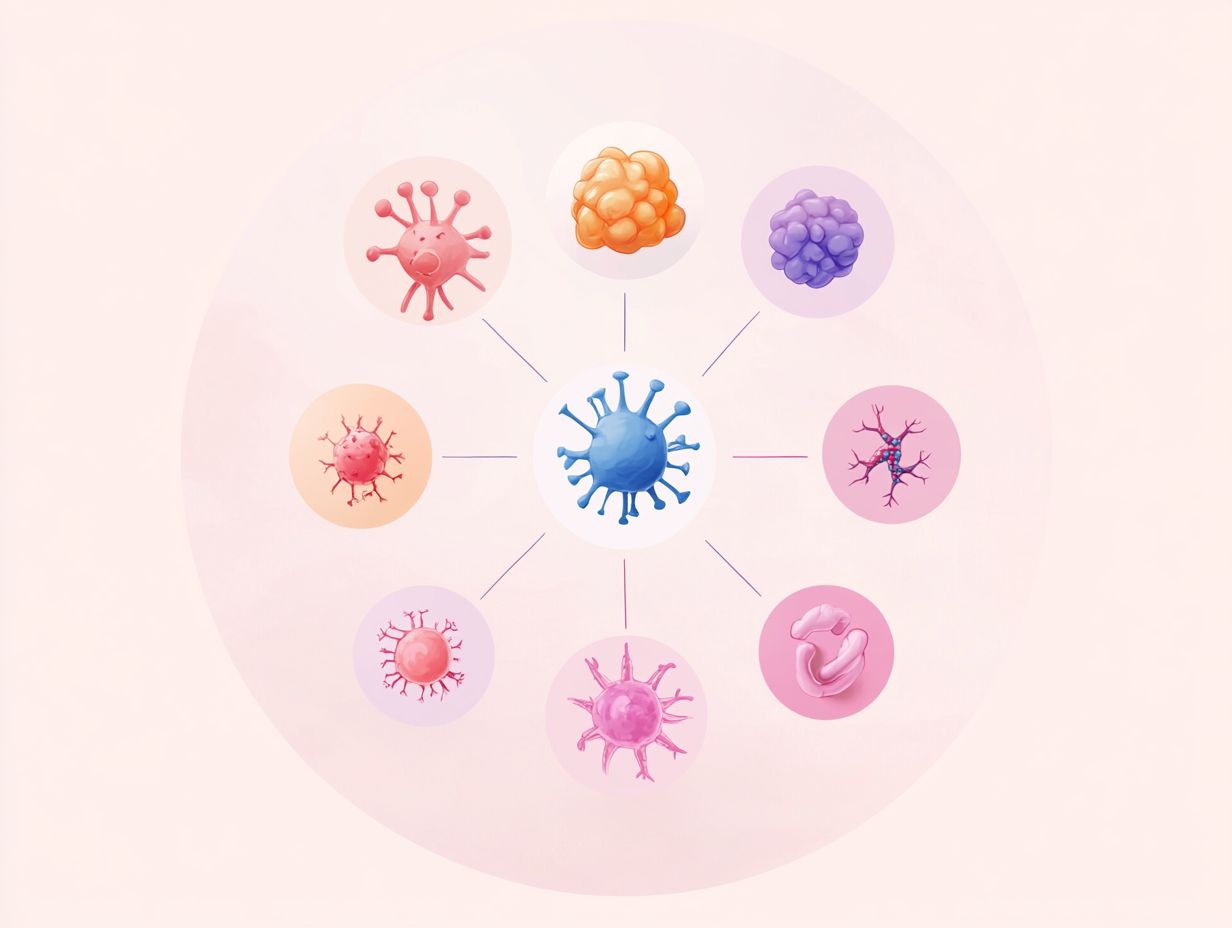
Cancer treatment depends on the type and stage but often includes:
- Surgery to remove tumors.
- Chemotherapy, using drugs to kill cancer cells.
- Radiation therapy, targeting cancer cells with high-energy rays.
- Immunotherapy, which helps your immune system fight cancer.
- Targeted therapy, focusing on specific cancer cell features.
Oncology specialists tailor treatment to maximize effectiveness while minimizing side effects.
Coping with a Cancer Diagnosis
A cancer diagnosis can be overwhelming. Seeking emotional support is just as important as medical care. Consider:
- Talking with counselors or joining support groups.
- Maintaining routines and practicing stress-relief techniques like mindfulness.
- Asking family and friends for practical help with daily tasks.
Resources like the Mayo Clinic’s Cancer Support page can offer guidance.
Advances in Cancer Research
Promising developments are improving cancer outcomes:
- Immunotherapy, including CAR-T cell therapy, is revolutionizing treatment for some cancers.
- Personalized medicine uses genetic testing to tailor treatments to your cancer’s unique makeup.
- Liquid biopsies allow detection of cancer from blood samples, enabling earlier diagnosis.
- Artificial intelligence helps doctors design precise treatment plans.
How You Can Support a Loved One with Cancer
If someone close to you has cancer, your support matters. You can:
- Help with everyday activities to reduce their stress.
- Attend medical appointments to provide comfort and stay informed.
- Encourage open conversations about their feelings and fears.
- Suggest support groups or counseling when appropriate.
Frequently Asked Questions
What are the seven key cancer symptoms I should watch for?

Unexplained weight loss, persistent fatigue, changes in bowel or bladder habits, unusual bleeding or discharge, difficulty swallowing, persistent cough or hoarseness, and changes in moles or skin lesions are important symptoms to notice.
Why is early detection of these symptoms important?
Early detection improves treatment success, potentially saving lives by catching cancer before it spreads.
Can these symptoms be caused by conditions other than cancer?
Yes. These symptoms can also indicate other health issues. That’s why seeing a health professional for proper diagnosis is critical.
Does having a family history of cancer increase my risk?
A family history may increase risk, especially if linked to genetic mutations. Genetic counseling can help assess your individual risk.
How can I best support someone who has cancer?
Offering emotional support, helping with daily tasks, accompanying them to appointments, and encouraging open communication are key ways to help.