Cancer treatment involves a variety of approaches aimed at eliminating or controlling cancer cells. While options like surgery, chemotherapy, radiation, immunotherapy, and targeted therapy may sound overwhelming, understanding how they work and what to expect can empower you to make informed decisions tailored to your unique situation. This guide breaks down common treatments, explores complementary therapies, and offers helpful resources so you can confidently navigate your cancer journey with your healthcare team.
What Is Cancer and How Does It Develop?
Cancer starts when cells in your body begin to grow uncontrollably due to changes in their DNA caused by inherited genes, exposure to harmful substances such as tobacco smoke, or other lifestyle factors like diet and physical activity. If untreated, these abnormal cells can form tumors and spread to other parts of the body, a process called metastasis. Learning more about how cancer develops can help you understand why early diagnosis and personalized treatment are so important.
For detailed information, the National Cancer Institute offers a clear overview at https://www.cancer.gov/about-cancer/understanding.

Common Cancer Treatment Options
1. Surgery
Surgery is often the first treatment choice for cancers that are confined to one area. It involves physically removing the tumor or cancerous tissue from your body. Sometimes the goal is to remove all visible cancer (curative surgery), while in other cases, surgery may help relieve symptoms without curing the disease (palliative surgery). Your surgeon will discuss what’s realistic based on your type and stage of cancer.
2. Chemotherapy
Chemotherapy uses powerful drugs that target fast-growing cancer cells throughout your body. These drugs are usually given in cycles to maximize effectiveness while allowing your healthy cells time to recover. You might experience side effects like nausea, fatigue, hair loss, or increased risk of infections. However, your care team can offer treatments and strategies to reduce these effects and help you manage them.
3. Radiation Therapy
Radiation uses high-energy rays, such as X-rays, to destroy cancer cells or shrink tumors. It can be given from outside your body (external beam radiation) or placed directly inside or near the cancer site (brachytherapy). Radiation is often combined with chemotherapy or surgery to improve outcomes.

4. Immunotherapy
This treatment helps your immune system recognize and fight cancer cells more effectively. Immunotherapy includes drugs like monoclonal antibodies and checkpoint inhibitors. Often, it is used alongside other treatments such as chemotherapy or radiation to boost overall results.
5. Targeted Therapy
Targeted therapy aims at specific molecules involved in the growth and survival of cancer cells. By focusing on these cancer-specific markers, these medications often have fewer side effects than traditional chemotherapy, as they spare most healthy cells.
Exploring Complementary and Alternative Therapies
Many patients find relief and improved well-being through complementary treatments like acupuncture, yoga, meditation, or dietary changes. While these methods can reduce side effects and enhance quality of life, they shouldn’t replace your main cancer treatments. It’s important to discuss any alternative or complementary therapies you’re interested in with your healthcare provider to ensure they won’t interfere with your medical care.
For evidence-based guidance, visit the American Cancer Society’s page on complementary treatments at https://www.cancer.org/treatment/treatments-and-side-effects/complementary-and-integrative-medicine.html.
Factors to Consider When Choosing Your Treatment
- Type and Stage of Cancer: Some treatments are more effective at certain stages or for specific cancer types.
- Overall Health: Existing conditions might affect which treatments are safe or suitable.
- Treatment Goals: Are you aiming for a cure, prolonging life, or focusing on comfort and quality of life?
- Personal Preferences: Your culture, beliefs, and lifestyle play a key role in choosing treatments that fit you best.
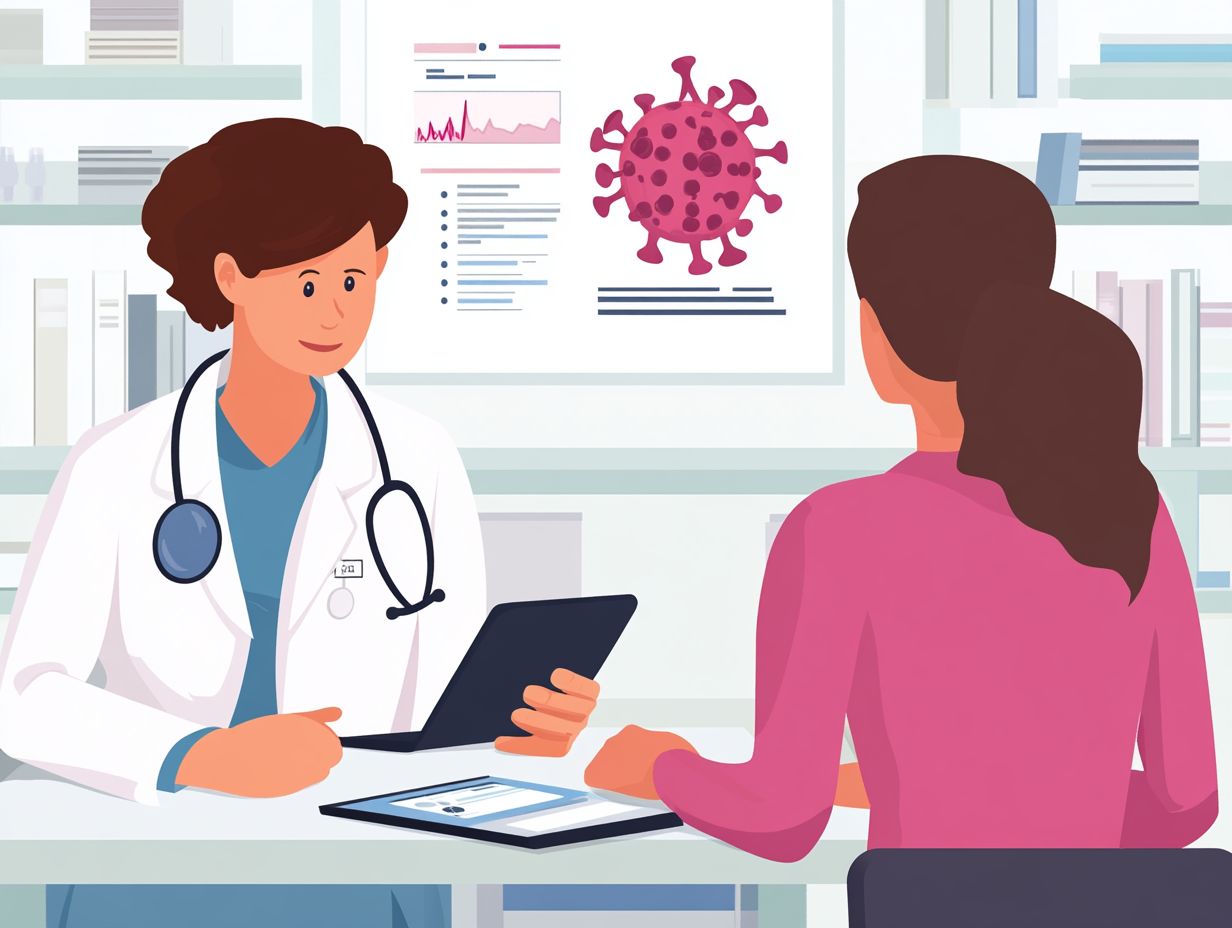
Working closely with your medical team ensures that these factors are all considered in your personalized care plan.
Support Resources Are Here For You
Facing cancer can feel overwhelming, but you don’t have to go through it alone. Emotional, psychological, and physical support are vital components of your care. Support groups, counseling, nutritional guidance, and rehabilitation services can help you manage treatment effects and maintain strength. Organizations like Cancer Support Community (https://www.cancersupportcommunity.org/) offer free resources and connection to others who understand what you’re experiencing.
Frequently Asked Questions

1. What are the most common cancer treatments?
Surgery, chemotherapy, radiation therapy, immunotherapy, and targeted therapy are the main options, often used together depending on your diagnosis.
2. How do I know which treatment is right for me?
Your cancer type, stage, overall health, and personal goals all matter. Discuss them openly with your doctors to create a tailored plan.
3. Are alternative therapies effective against cancer?
Complementary therapies can support your well-being but are not replacements for standard treatment. Always inform your healthcare team before trying them.
4. What side effects should I expect?
Side effects vary by treatment but can include fatigue, nausea, skin changes, or hair loss. Your care team will help you manage these symptoms effectively.
5. Can I join a clinical trial?
Clinical trials may be an option to access new treatments. Ask your doctor or check resources like the National Cancer Institute’s trial finder at https://www.cancer.gov/about-cancer/treatment/clinical-trials for eligibility.
6. What if I’m unhappy with my current treatment plan?
Speak up with your healthcare providers. Seeking a second opinion or exploring alternative approved therapies can help find the best path forward.