Cancer prevention education in schools is vital for equipping students with the knowledge to identify cancer risk factors and adopt healthy behaviors. By understanding cancer prevention, young people can recognize early signs and take proactive measures to reduce their risk.
Schools serve as a critical platform for spreading public awareness and incorporating prevention strategies into the educational curriculum, including health education and anti-smoking programmes.
Early prevention efforts focus on teaching students about lifestyle choices and risk behavior that can lead to cancer. Awareness programs emphasize the importance of regular screenings and healthy habits, such as balanced diets and exercise, which are essential in reducing cancer incidence and promoting health literacy.
Common cancers affecting young people include leukemia, lymphoma, thyroid cancer, breast cancer, and skin cancer, often linked to genetic and environmental factors. Recognizing risk factors and warning signs, such as unexplained weight loss and unusual lumps, is crucial for early detection and treatment.
Strategies to spread awareness involve public seminars, social media campaigns, educational programs, and collaborations with healthcare providers to boost community engagement and promote health behavior.
Engaging school administrators and teachers to integrate these initiatives into the curriculum ensures a comprehensive health education approach, involving peer education, health workshops, and advocacy projects.
Key Takeaways:
The Importance of Cancer Prevention Education in Schools
Cancer prevention education in schools is important because it provides students with knowledge about cancer risk factors and preventive measures.
Education helps students recognize early cancer signs, adopt healthy behaviors to reduce risks, and develop self-examination skills.
Schools play a crucial role in raising awareness about cancer detection and prevention among young people.
Understanding the Need for Early Prevention
Early prevention is essential for reducing cancer risk by educating young people about harmful lifestyle choices, exposure to risk factors, and the importance of preventive measures such as HPV vaccination.
Early prevention efforts include awareness programs and promoting regular screenings to lower cancer incidence.
By encouraging healthy behaviors like balanced diets, exercise, and avoiding smoking, early prevention helps prevent cancer development.
Common Types of Cancer in Young People
The common types of cancer in young people include:
- Leukemia
- Lymphoma
- Thyroid cancer
Leukemia affects blood and bone marrow, lymphoma targets the lymphatic system, and thyroid cancer develops in the thyroid gland.
Young people face these cancers due to genetic factors and certain environmental exposures, including childhood exposure to UV radiation.
Risk Factors and Warning Signs
Cancer risk factors include smoking, excessive sun exposure, unhealthy eating, the use of certain personal care products, and sedentary lifestyles, especially among young individuals.
Warning signs of cancer involve unexplained weight loss, persistent fatigue, unusual lumps, and changes in bowel or bladder habits.
Early detection through awareness of symptoms and self-examinations can lead to timely diagnosis and treatment.
Effective Strategies for Spreading Awareness
Effective strategies for spreading awareness about cancer prevention include:
- Conducting public education seminars to inform about cancer risks and prevention.
- Utilizing social media campaigns to reach a broader audience with informative content.
- Distributing educational materials in community centers, schools, and workplaces.
- Collaborating with healthcare providers to offer free screenings and informational sessions.
- Engaging local influencers to promote cancer awareness initiatives.
Collaborating with School Administration and Teachers
Collaborating with school administration and teachers is essential for implementing cancer prevention educational programs in the school curriculum.
Successful collaboration involves engaging educators to integrate health services, community resources, and environmental health topics into lessons.
By aligning initiatives with educational objectives, schools can promote a comprehensive approach to health education.
Engaging Students in Prevention Efforts
Engaging students in prevention efforts involves using peer education, health workshops, and youth advocacy projects to promote health awareness and informed lifestyle choices.
Peer education programs enable students to share vital health information, while health workshops teach about nutrition, exercise, and mental health.
Youth advocacy projects enable students to influence healthier school policies, promote sun safety, and become proactive about their health.
Resources for Cancer Prevention Education
Cancer prevention education resources include the American Cancer Society guidelines, materials from the World Health Organization, and educational programs from the National Cancer Institute.
These resources provide information on cancer risk factors, prevention strategies, and health literacy improvement, including HPV vaccination and smoking cessation.
Access to such materials supports educators and students in promoting cancer awareness and prevention.
Reputable Organizations and Programs
Reputable organizations like the American Cancer Society, Mount Sinai Children’s Environmental Health Center, and CDC provide resources for cancer prevention education in schools and communities.
These organizations offer educational materials, administer grants for health initiatives, and conduct community outreach through workshops and informational sessions.
Partnerships with local organizations, such as the Huntington Breast Cancer Action Coalition and HealthyPlanet, help emphasize prevention and proactive health management.
Measuring the Impact of Cancer Prevention Education
Measuring the impact of cancer prevention education involves assessing changes in knowledge, attitudes, and behaviors related to cancer prevention.
Key metrics include pre- and post-education surveys, rates of screening and early detection, and statistical health outcomes such as reduced cancer incidence rates.
Effective measurement also requires long-term follow-up studies to track sustained behavioral changes, health improvements, and the success of community programs.
Evaluating Awareness and Behavior Change
Evaluating awareness and behavior change in cancer prevention education measures the success and improvement areas of these initiatives.
Pre-and post-surveys, focus group discussions, and group discussions assess knowledge gained and changes in health attitudes and actions.
Community engagement in evaluation enriches data and enhances campaign effectiveness.
Frequently Asked Questions
What is cancer prevention and why is it important in schools?
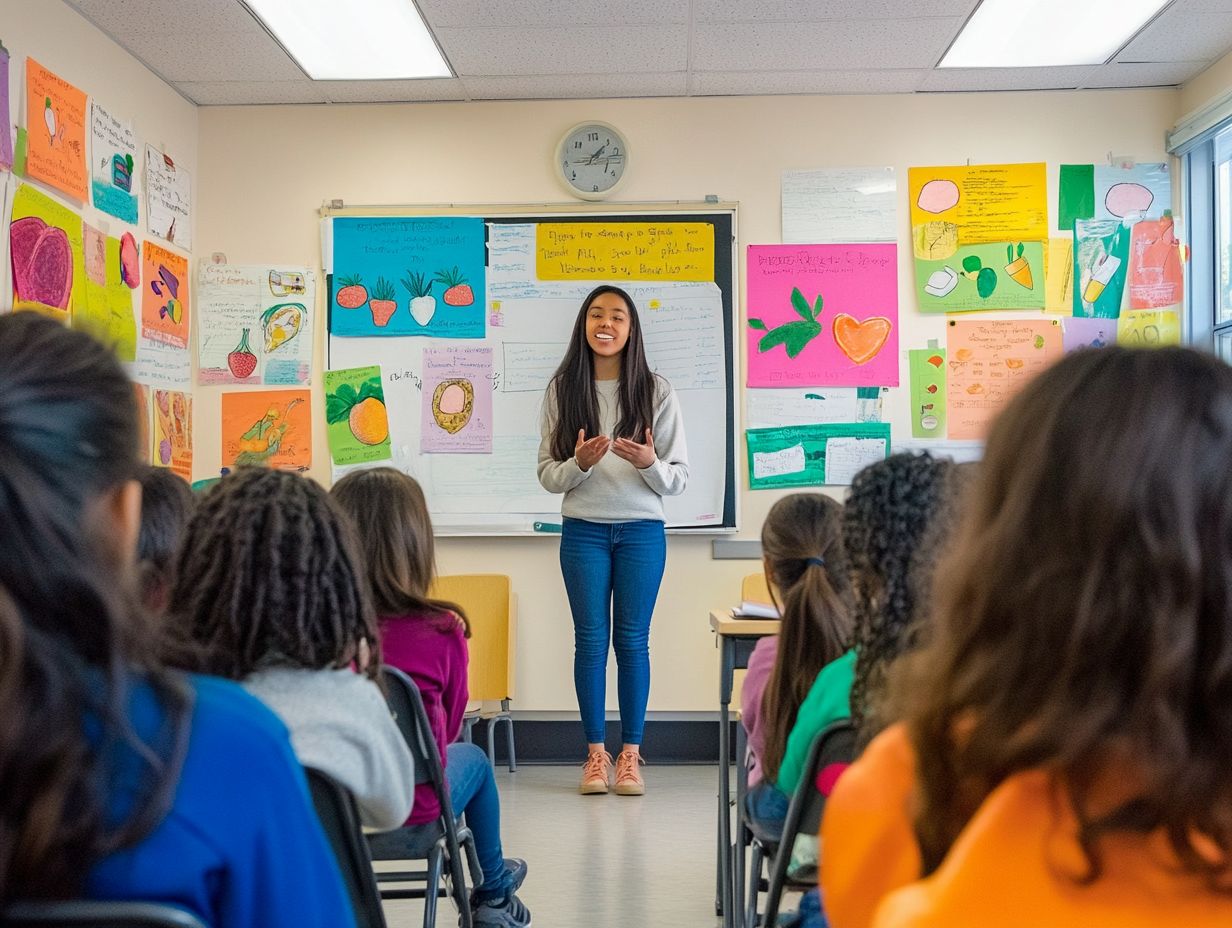
Cancer prevention refers to the actions taken to lower the risk of developing cancer. It is important in schools because educating young individuals about healthy habits and behaviors can reduce their chances of developing cancer later in life.
How can I spread awareness on cancer prevention in schools?
Some ways to spread awareness include giving presentations or workshops on cancer prevention, organizing fundraising events for cancer research, and distributing educational materials to students and faculty.
What are some key topics to cover when educating students about cancer prevention?
It is important to cover topics such as healthy eating habits, the dangers of tobacco and alcohol use, the importance of physical activity, the importance of regular check-ups and screenings, and the risks of excessive sun exposure.
How can I involve students in cancer prevention efforts?
You can involve students by creating student-led clubs or organizations focused on cancer prevention, promoting healthy habits and behaviors through school-wide campaigns, and encouraging students to participate in fundraising events or volunteer at cancer-related organizations.
What resources are available for educating students about cancer prevention?
There are many resources available, such as educational materials from reputable organizations like the American Cancer Society and educational programs from the New York State Department of Health, online resources, and guest speakers from local cancer organizations or hospitals.
What are some long-term benefits of spreading awareness on cancer prevention in schools?
By educating students about cancer prevention, we are not only reducing their risk of developing cancer, but also creating a generation of informed individuals who can make healthier lifestyle choices and advocate for cancer prevention in their communities.