Understanding the role of antioxidants in cancer prevention is crucial for maintaining a healthy lifestyle. Antioxidants are compounds that protect the body from free radicals, also known as reactive oxygen species, reducing oxidative stress and preventing cell damage, which can lead to cancer.
Found abundantly in foods like fruits, vegetables, nuts, and grains, antioxidants like vitamins C, E, and beta-carotene play a significant role in supporting cellular health, promoting antioxidant activity, and boosting the immune system.
Natural antioxidants, obtained from whole foods, are preferred over synthetic ones due to their associated health benefits and safety profile. Incorporating antioxidant-rich foods such as berries, dark leafy greens, and nuts into your diet can enhance overall health and reduce cancer risk. Additionally, understanding the molecular mechanisms behind antioxidants can help optimize their dietary intake.
However, while dietary supplements can provide additional nutrients, their effectiveness in cancer prevention is mixed, underscoring the importance of consulting healthcare professionals. Clinical trials and randomized controlled trials have shown variable results regarding the impact of nutritional supplements on cancer incidence and cancer mortality.
Adopting a lifestyle that includes regular exercise, a balanced diet rich in antioxidants, and regular medical screenings can further contribute to cancer prevention, promoting long-term health and well-being. These cancer prevention strategies are supported by dietary guidelines and systematic reviews of human studies.
Key Takeaways:
What are Antioxidants?
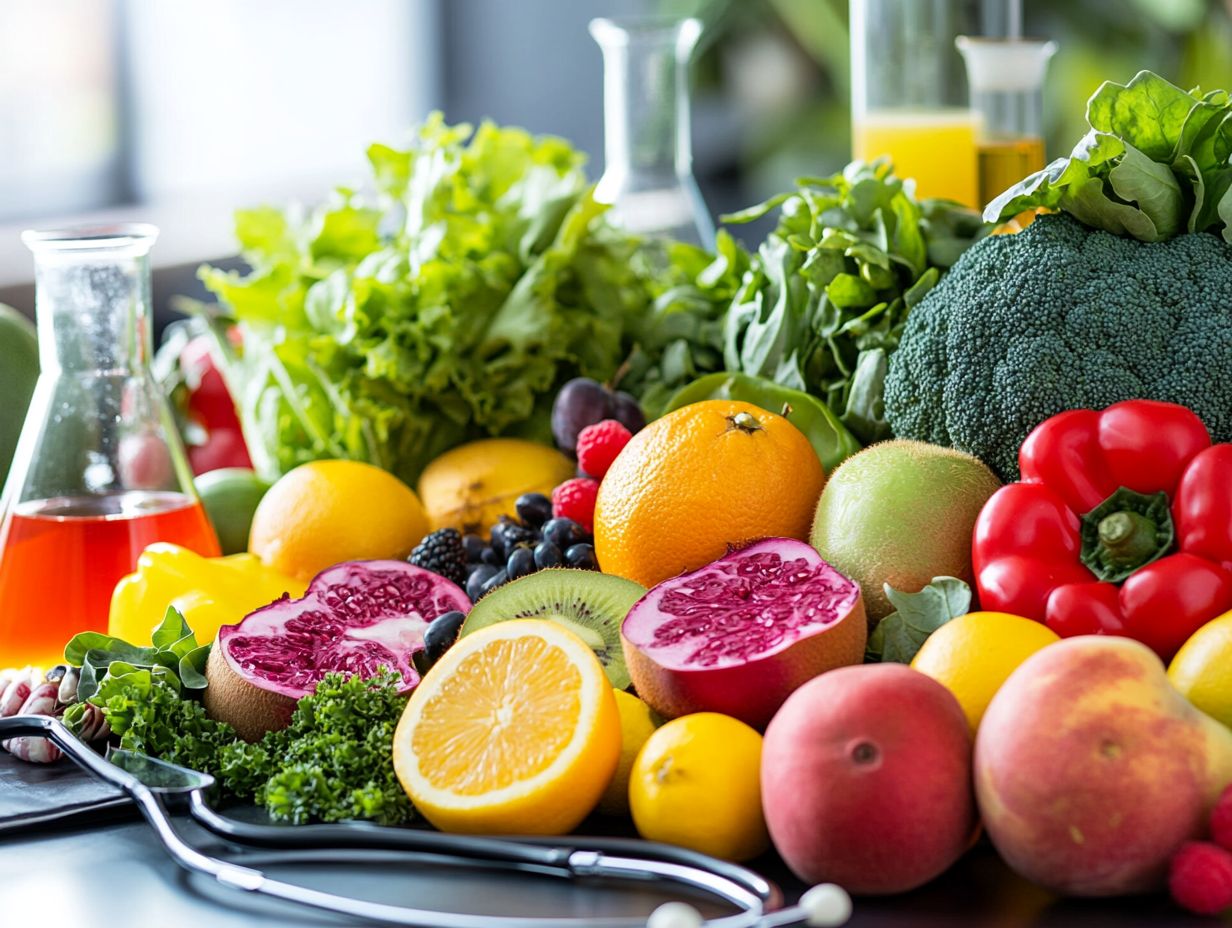
Antioxidants are compounds that protect the body from damage caused by free radicals, preventing oxidative stress and related health conditions.
Antioxidants work by neutralizing harmful molecules, and are found in dietary sources like fruits, vegetables, nuts, and grains.
Antioxidants are essential for maintaining a healthy diet, promoting overall health, and influencing cellular processes.
How Do They Help Prevent Cancer?
Antioxidants help prevent cancer by neutralizing free radicals that can cause oxidative damage to cells.
Oxidative damage is linked to cancer development, and antioxidants like vitamin C, vitamin E, and beta-carotene reduce this damage, thereby lowering cancer risk.
These antioxidants reduce cancer risk by protecting cells and influencing cell processes related to inflammation, apoptosis, and cellular signaling.
Types of Antioxidants
Types of antioxidants include natural antioxidants and synthetic antioxidants, which differ in their sources and health implications.
Natural antioxidants are found in whole foods like fruits and vegetables and include vitamins C, E, A, and selenium, which are crucial for various natural processes within the body.
Synthetic antioxidants are added to dietary supplements and food products to prevent oxidative damage and extend shelf life, although their effects on health conditions require careful consideration.
Natural vs. Synthetic Antioxidants
Natural antioxidants come from sources like fruits, vegetables, and whole grains and include compounds like vitamin C and flavonoids.
Synthetic antioxidants, such as BHA and BHT, are man-made and used in processed foods for preservation, but they may have potential health concerns.
Natural antioxidants are considered safer and linked to health benefits like enhanced immunity and reduced chronic disease risk, while synthetic antioxidants may have potential health implications.
Best Sources of Antioxidants
The best food sources of antioxidants include berries, dark leafy greens, nuts, and colorful vegetables.
Berries like blueberries and strawberries, dark leafy greens like spinach and kale, nuts such as walnuts and almonds, and colorful vegetables like carrots and sweet potatoes are rich in antioxidants.
Food Sources
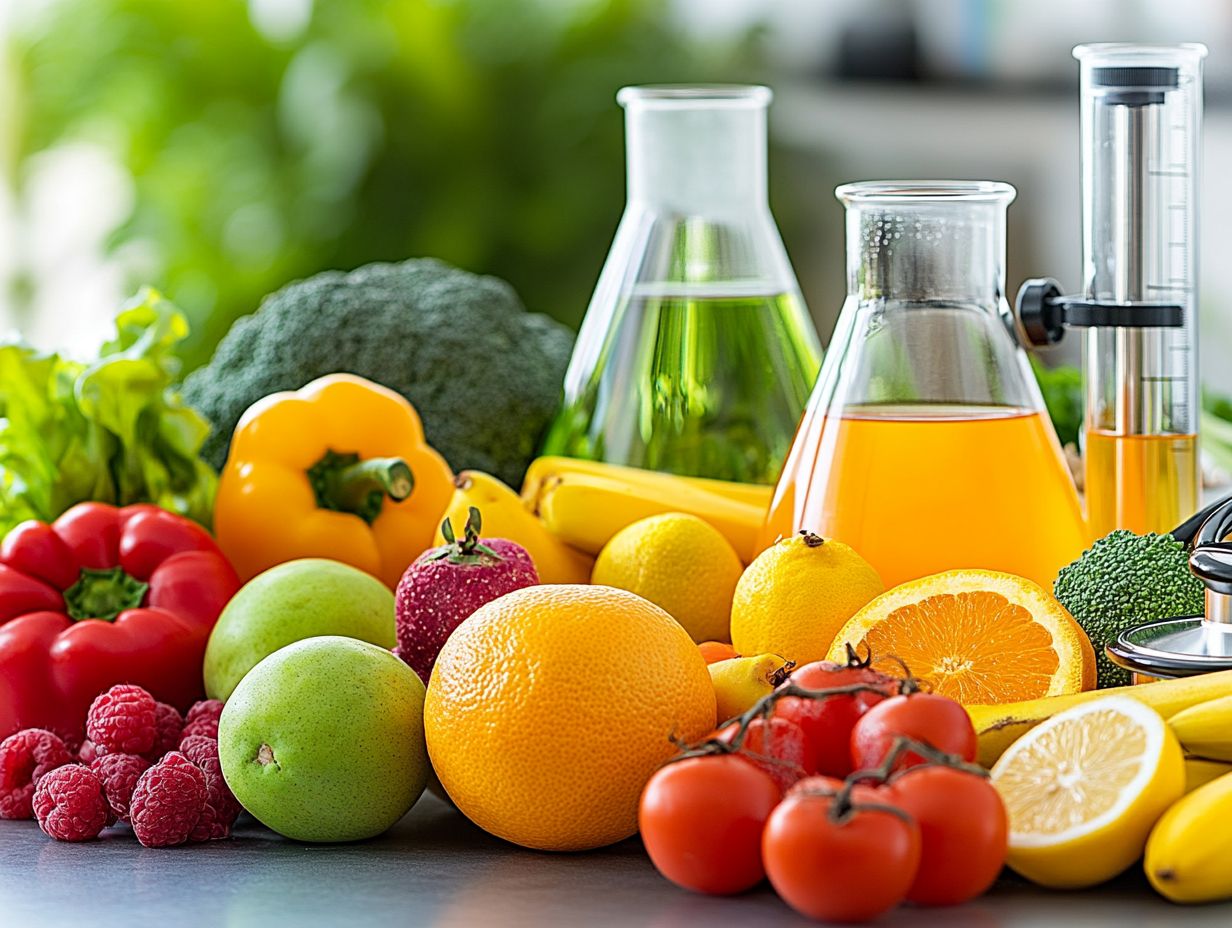
Antioxidant-rich foods include:
- blueberries
- spinach
- nuts
- sweet potatoes
These foods provide essential vitamins like C, E, beta-carotene, and selenium to combat oxidative stress and reduce cancer risk.
Garlic, beans, and dark chocolate also offer high antioxidant levels. Garlic’s allicin helps prevent cancerous cell formation, while beans provide fiber and antioxidants. Dark chocolate contains flavonoids beneficial for heart health.
Incorporating these foods into the diet can maximize antioxidant intake and promote health.
Supplements
Dietary supplements are products containing dietary antioxidants like vitamin C, vitamin E, and selenium.
Supplements provide an additional source of nutrients, especially for those with dietary restrictions or increased nutrient needs.
Consult a healthcare professional before using dietary supplements to avoid potential adverse effects or interactions with medications, and to better understand the benefits of vitamin E supplementation and other antioxidants.
Research on antioxidant supplements and cancer prevention shows mixed results, highlighting the need for professional guidance and understanding the effects of antioxidants on cancer therapies.
How Antioxidants Work in the Body
Antioxidants work in the body by neutralizing free radicals, which are harmful molecules that can cause oxidative damage to cells and tissues, influencing tumor growth and cancer prevention.
Antioxidants prevent cellular damage by donating an electron to free radicals, stabilizing them.
Some antioxidants also boost the immune system and help the body fend off diseases.
Neutralizing Free Radicals
Antioxidants neutralize free radicals by donating electrons, reducing oxidative stress and preventing cell damage.
Neutralizing free radicals helps prevent diseases like cancer by maintaining cellular health and reducing cancer incidence.
Examples include:
- Vitamin C
- Vitamin E
which protect cells from damage.
Boosting Immune System
Antioxidants boost the immune system by reducing oxidative stress and supporting immune cell functions.
Vitamin C, selenium, vitamin E, and beta-carotene enhance immune response by activating natural killer cells and T lymphocytes.
A diet rich in antioxidants from fruits, vegetables, and whole grains strengthens immune health and may reduce cancer risk and other related health conditions.
Incorporating Antioxidants into Your Diet
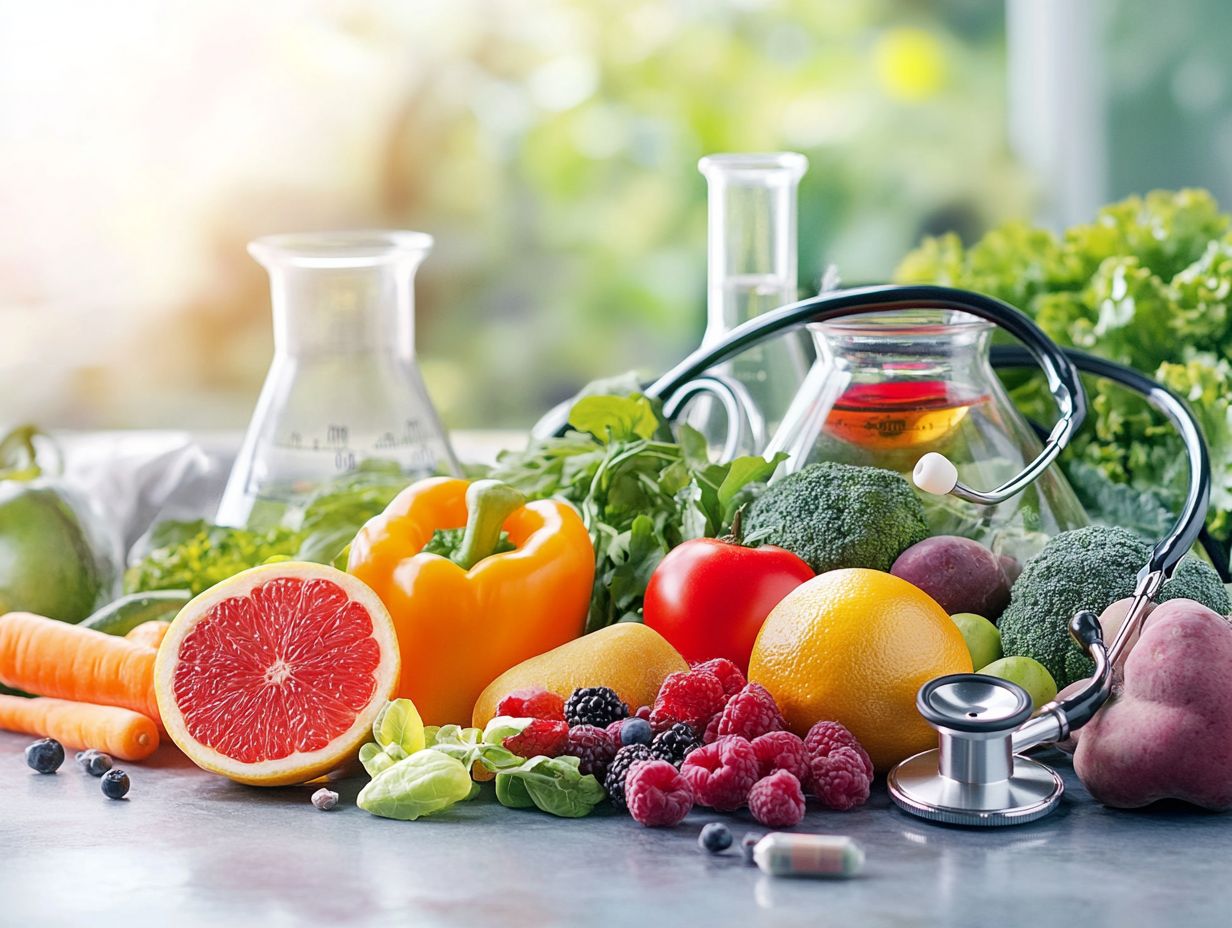
Incorporating antioxidants into your diet involves eating foods such as berries, nuts, and leafy greens that are high in antioxidant content, following dietary recommendations for a healthy diet.
To increase antioxidant intake, add berries to breakfast, snack on almonds, and include spinach in salads.
Replacing processed foods with whole grains also boosts antioxidants in the diet.
Tips for Increasing Intake
To increase antioxidant intake, add a variety of colorful fruits and vegetables to meals.
Fill half your plate with produce like berries, spinach, carrots, and sweet potatoes.
Replace processed snacks with whole foods like mixed nuts, including walnuts and almonds.
Blend green smoothies with kale, banana, and frozen blueberries for a nutrient-rich option.
These changes boost antioxidant levels, promote better health, and can be part of an overall strategy for cancer prevention.
Other Ways to Prevent Cancer
Preventing cancer involves several strategies, including health interventions and lifestyle changes:
- Consume a diet rich in fruits, vegetables, and antioxidants.
- Engage in regular physical activity to maintain a healthy weight.
- Avoid tobacco and limit alcohol consumption.
- Undergo regular medical screenings for early detection.
- Minimize exposure to environmental toxins, like pollutants and radiation.
Healthy Lifestyle Habits and Cancer Prevention
Healthy lifestyle habits for cancer prevention include regular exercise, a balanced diet rich in antioxidants, adequate hydration, and stress management.
Engaging in at least 150 minutes of moderate exercise weekly, consuming fruits and vegetables, staying hydrated, and practicing mindfulness reduce cancer risk and support well-being.
Regular Screenings and Check-ups
Regular screenings and check-ups help prevent cancer by enabling early detection and timely intervention.
Adhering to recommended screening schedules for cancers like breast, colorectal, and cervical allows individuals to discover diseases early when treatments are more effective, reducing cancer mortality.
Guidelines from health organizations specify the age and frequency for screenings, such as mammograms and colonoscopies.
Discussing personal risk factors with healthcare providers ensures screenings are tailored to individual needs, considering individual health conditions and cancer risk.
Frequently Asked Questions
What are antioxidants and how do they relate to cancer prevention?
Antioxidants are substances that can prevent or slow damage to cells caused by free radicals, which are unstable molecules that can harm cells. Free radicals are linked to diseases such as cancer. Antioxidants can help neutralize free radicals and potentially reduce the risk of cancer.
Which antioxidants are commonly associated with cancer prevention, and cancer treatment?
The most commonly known antioxidants are vitamins A, C, and E, as well as beta-carotene and selenium. However, there are many other antioxidants found in fruits, vegetables, and other plant-based foods that may also play a role in cancer prevention. Additionally, the National Cancer Institute recognizes the importance of these antioxidants in cancer prevention and treatment.
How can I incorporate more antioxidants into my diet?
The best way to increase your antioxidant intake is to eat a variety of fruits, vegetables, whole grains, and legumes. These foods are rich in antioxidants and also provide essential vitamins, minerals, and fiber. It’s important to focus on whole, unprocessed foods rather than relying on supplements.
Are there any risks associated with consuming antioxidants or dietary supplements?
While antioxidants are generally safe and beneficial, consuming excessive amounts through supplements may have negative effects. High doses of certain antioxidants, such as beta-carotene, have been linked to an increased risk of certain types of cancer. It’s best to obtain antioxidants through a balanced diet rather than relying on supplements.
What other lifestyle factors can help prevent cancer?
In addition to consuming a diet rich in antioxidants, such as vitamin C, vitamin E, and beta-carotene, maintaining a healthy weight, being physically active, limiting alcohol consumption, and avoiding tobacco use can also help reduce the risk of neoplasms. It’s important to lead an overall healthy lifestyle to support cancer prevention strategies.
Can antioxidants treat cancer or prevent cancer from recurring?
While antioxidants may play a role in cancer prevention by combating oxidative stress and reactive oxygen species, there is no evidence from randomized controlled trials to support the claim that they can treat cancer or prevent it from recurring. It’s important to follow a treatment plan recommended by a healthcare professional for individuals diagnosed with cancer, as advised by the National Cancer Institute.