Understanding and accessing hospital resources can make a significant difference in your cancer care journey. From early screening and diagnosis to treatment and emotional support, hospitals offer a comprehensive range of services designed to meet your medical and personal needs. Whether you are navigating complex treatment options, concerned about costs, or seeking emotional support, this guide helps you understand what resources are available and how to make the most of them to improve your health outcomes and quality of life.
What Is Cancer Care and Why Does It Matter?
Cancer care involves the full spectrum of services that diagnose, treat, and support individuals living with cancer. This includes medical treatments such as surgery, chemotherapy, and radiation therapy, while also addressing your emotional and psychological needs through counseling and education. Working closely with a team of specialists—oncologists, radiologists, nurses, and patient navigators—you receive personalized care tailored specifically to your situation. This collaborative approach helps ensure your treatment is both effective and compassionate.
How Is Cancer Treated?
Cancer results from uncontrolled growth of abnormal cells in the body, and treatment varies depending on the type and stage of the disease. Common treatments include:
- Surgery: physically removing cancerous tissue.
- Chemotherapy: using medications to kill cancer cells.
- Radiation therapy: targeting tumors with high-energy beams.
Early detection through screenings, like colorectal cancer screening, increases the chances of successful treatment. For more information about cancer treatment basics, the National Cancer Institute offers comprehensive resources.
Hospital Resources to Support Your Care

Hospitals provide a range of resources designed to support you through diagnosis and treatment:
- Specialized Departments: Oncology units, chemotherapy clinics, radiation therapy centers, surgical teams experienced in cancer care, and palliative care services to manage symptoms and improve quality of life.
- Healthcare Professionals: Oncologists guide your treatment, patient navigators assist in coordinating care, nurses and radiologists manage procedures and side effects, and nutritionists and social workers support your overall well-being.
- Support Services: Counseling for emotional health, nutritional advice to maintain strength during treatment, and patient education programs that empower you to understand your options.
If you want to learn about available cancer care services in hospitals near you, the American Cancer Society provides helpful tools.
Creating Your Personalized Treatment Plan
Your treatment plan is developed jointly with your healthcare team, taking into account your medical history, cancer type, personal preferences, and lifestyle. This tailored approach increases treatment effectiveness and helps you stay engaged in your care. Don’t hesitate to ask questions and express your goals — your care should reflect what matters most to you.
Navigating Financial Considerations
Cancer care can be expensive, but there are resources to help manage costs:
- Review your insurance coverage carefully to understand what treatments and services are covered.
- Explore financial assistance programs offered through hospitals, non-profits, and government agencies, which may include grants or co-pay support.
- Discuss payment plans or discounts with your healthcare provider.
Hospitals often have social workers or financial counselors who can guide you. For guidance on navigating cancer costs, visit the Patient Advocate Foundation.
Supporting Your Mental and Emotional Well-Being
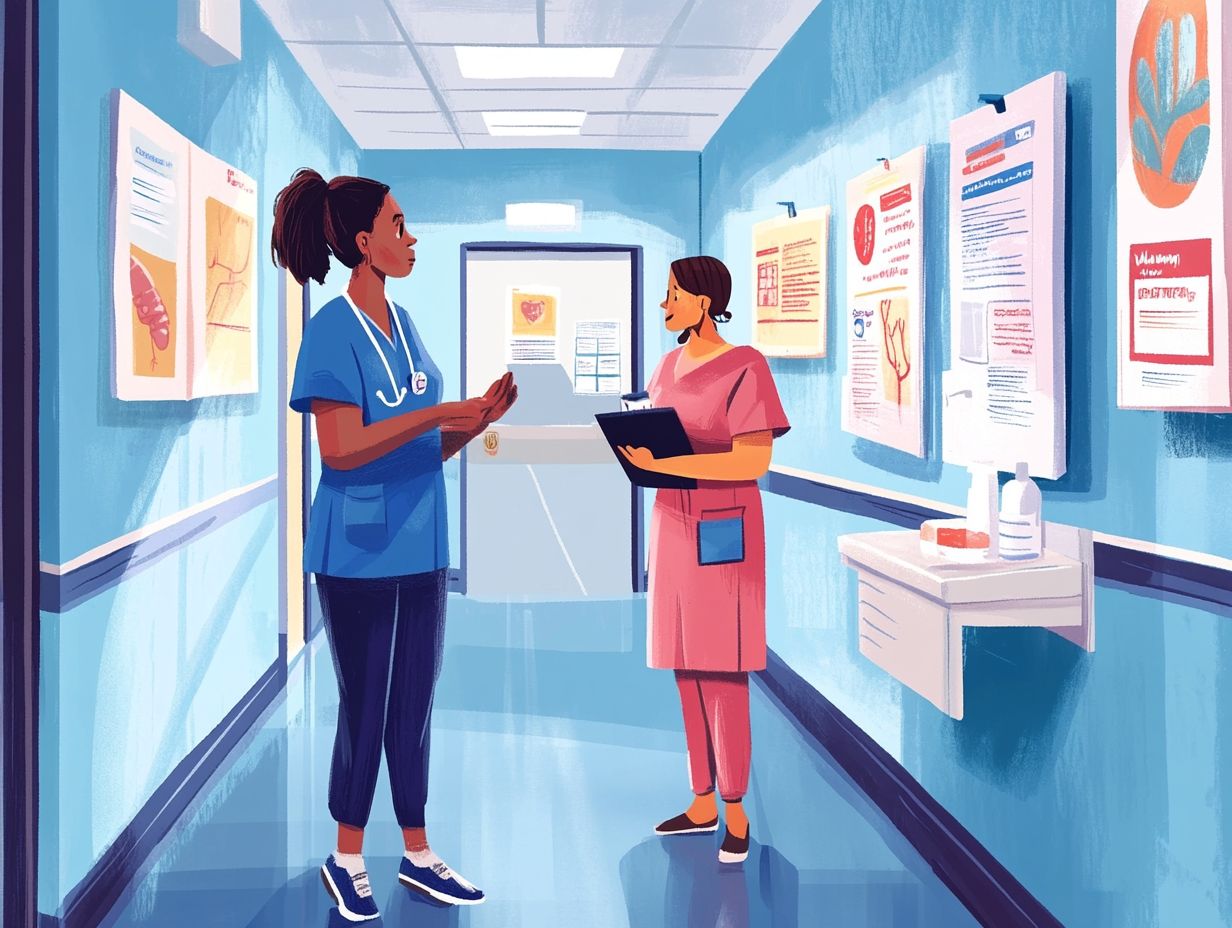
Living with cancer affects more than just your physical health. Coping with the emotional challenges—fear, anxiety, sadness—is just as important. Many patients find strength through:
- Support groups where you can share experiences with others facing similar struggles.
- Counseling services offering professional emotional support.
- Practices like mindfulness meditation, breathing exercises, and maintaining open communication with your healthcare team.
Maintaining your mental health contributes to better overall outcomes. For more strategies, the Mayo Clinic offers excellent resources.
Frequently Asked Questions
What hospital resources are available to support diverse communities, including Latino and African American patients?
Hospitals strive to provide culturally sensitive care and offer resources like multilingual counseling, patient navigation, and community outreach programs tailored to diverse populations. You can ask your care team about specific resources available to you.
How do I access hospital support services during my cancer treatment?

Begin by speaking with your oncologist or nurse, who can connect you with patient navigators or cancer care coordinators. These professionals help you identify and utilize available resources.
Are hospital support services free for cancer patients?
Many services like counseling, support groups, and patient education are free or covered by insurance, though some specialized therapies might require payment. It’s important to check with your hospital’s billing department and financial counselors.
Can I bring a family member or caregiver to my appointments?
Yes, bringing a trusted support person is encouraged as they can assist with decision-making and provide emotional support.
Is transportation assistance available for patients who have difficulty traveling for treatment?
Many hospitals offer transportation programs or can connect you with community resources to help you get to and from appointments. Ask your care team or social worker about options.