Nutrition plays a pivotal role during cancer treatment, significantly impacting energy levels, immune function, and overall quality of life. A healthy diet helps manage treatment side effects such as appetite loss and taste changes, reducing the risk of malnutrition and cancer cachexia.
Engaging with a registered dietitian can provide cancer patients with specialized dietary guidance, improving treatment outcomes and enhancing recovery while addressing specific needs such as high-protein foods and meal planning.
Diet directly influences how the body responds to cancer therapies like chemotherapy, radiation therapy, and immunotherapy. Incorporating nutrient-dense foods like fruits, vegetables, and whole grains is essential as they support the immune system and help alleviate fatigue and weight loss.
Key nutrients, including protein, carbohydrates, and healthy fats, are vital for maintaining muscle mass, providing energy, and aiding hormone production. Addressing side effects, such as early satiety and stomach issues, through targeted nutrition strategies is crucial for sustaining strength and well-being throughout cancer treatment.
Personalized nutrition plans tailored to specific cancer types and treatment phases are essential. This involves collaborating closely with healthcare providers to ensure dietary choices, such as vegetable intake and healthy fats, align with treatment goals and help manage chemo side effects.
By focusing on comprehensive meal planning and involving the healthcare team, including guidance on food choices and food safety, patients can better navigate the challenges of cancer treatment and support their recovery journey.
Key Takeaways:
The Importance of Nutrition During Cancer Treatment
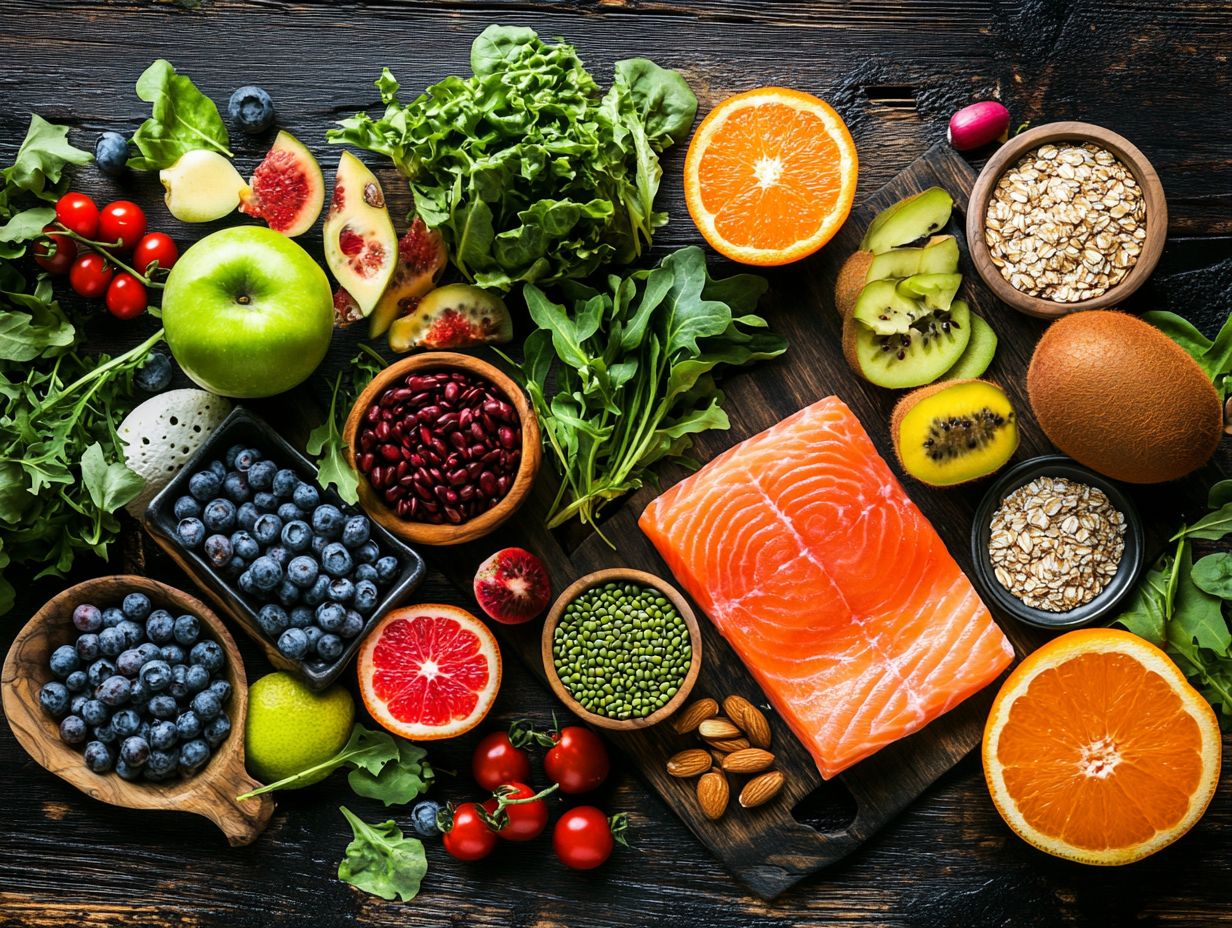
Nutrition is critical during cancer treatment because it supports energy levels, immune function, and quality of life, helping to manage issues like cancer cachexia and weight maintenance.
A balanced diet helps manage side effects such as appetite loss, taste changes, and mouth sores, reducing malnutrition risks and improving hydration.
Registered dietitians can provide specialized dietary guidance to improve treatment outcomes, including addressing eating problems and nausea vomiting.
How Diet Can Impact Treatment and Recovery
Diet impacts cancer treatment and recovery by influencing the body’s response to therapies and supporting the immune system.
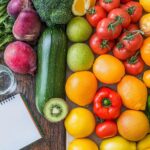
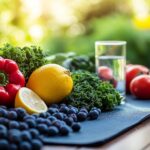
Nutrient-dense foods, like fruits and vegetables, provide essential vitamins and antioxidants that strengthen immunity.
Whole grains provide fiber and energy, reducing chemotherapy fatigue.
Effective diet planning can help manage treatment side effects, such as surgery effects and stomach issues, improving recovery and well-being.
Key Nutrients for Cancer Patients
Key nutrients for cancer patients include protein, carbohydrates, healthy fats, vitamins, and minerals.
Protein supports muscle maintenance and recovery. Carbohydrates provide energy. Healthy fats contribute to overall health.
Vitamins and minerals, found in fruits, vegetables, whole grains, and legumes, strengthen the immune system and fight against chemotherapy effects.
A plant-based diet rich in these nutrients, including cruciferous vegetables and flavonoids phytonutrients, can help combat the effects of cancer treatment.
Protein, Carbohydrates, and Healthy Fats
Protein, carbohydrates, and healthy fats are essential macronutrients for cancer patients.
Protein supports tissue repair and maintains muscle mass, especially during treatment.
Carbohydrates provide energy necessary for daily activities and cancer treatment.
Healthy fats aid hormone production and nutrient absorption.
A balanced diet with lean meats, whole grains, healthy snacks like nuts, and avocados can optimize nutrition and support weight maintenance.
Managing Side Effects Through Nutrition
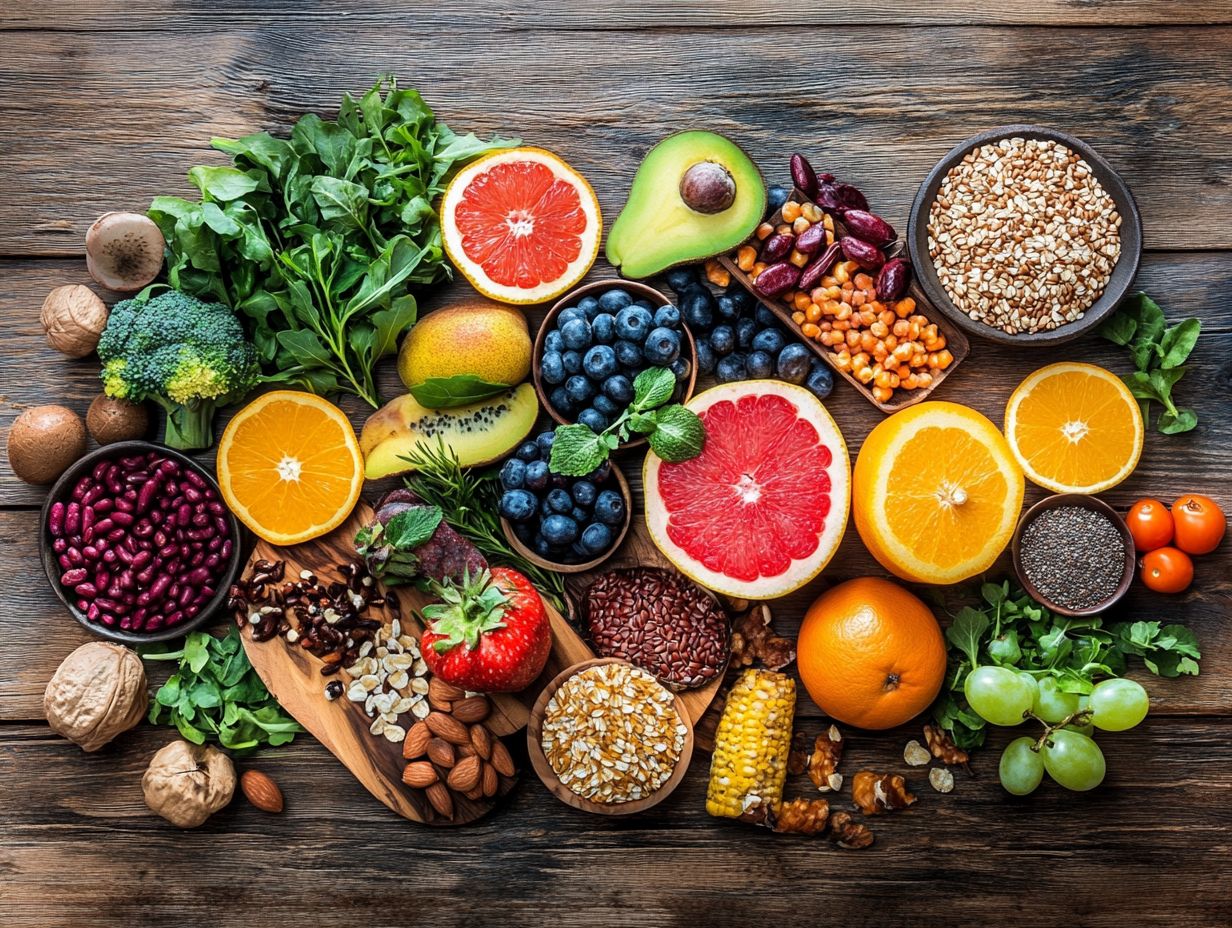
Managing side effects of cancer treatment through nutrition involves using specific dietary strategies to alleviate symptoms like appetite loss, nausea, vomiting, and mouth sores.
Techniques include:
- Consuming soft foods
- Smoothies
- High-calorie snacks
to maintain nutrition and ensure hydration is key.
A registered dietitian can help create meal plans tailored to individual nutritional needs.
Nausea, Loss of Appetite, and Other Common Side Effects
Nausea and loss of appetite are common side effects for cancer patients, often leading to reduced food intake and dehydration.
Managing these symptoms involves eating smaller, nutrient-dense meals, preferring cooler foods over hot, and ensuring proper hydration with liquids like smoothies.
Special Considerations for Different Types of Cancer
Special considerations for different types of cancer include dietary adjustments based on cancer type, treatment, symptoms, and specific therapies such as hormone therapy.
Different cancers may necessitate tailored nutrition plans to manage treatment side effects like satiety or digestion issues.
Consulting with a registered dietitian helps create personalized meal plans addressing specific nutritional needs for cancer patients.
Dietary Recommendations for Specific Cancers
Dietary recommendations for cancer patients vary by cancer type and treatment challenges.
For breast cancer, a diet with fruits and vegetables rich in antioxidants, such as berries, leafy greens, and cruciferous vegetables, is advised.
Gastrointestinal cancer patients may need to avoid high-fiber foods during chemotherapy to reduce discomfort.
Including lean proteins like chicken and fish supports tissue repair and energy maintenance.
Hydration is essential for all cancer patients, especially if nausea occurs.
Creating a Nutritious Meal Plan
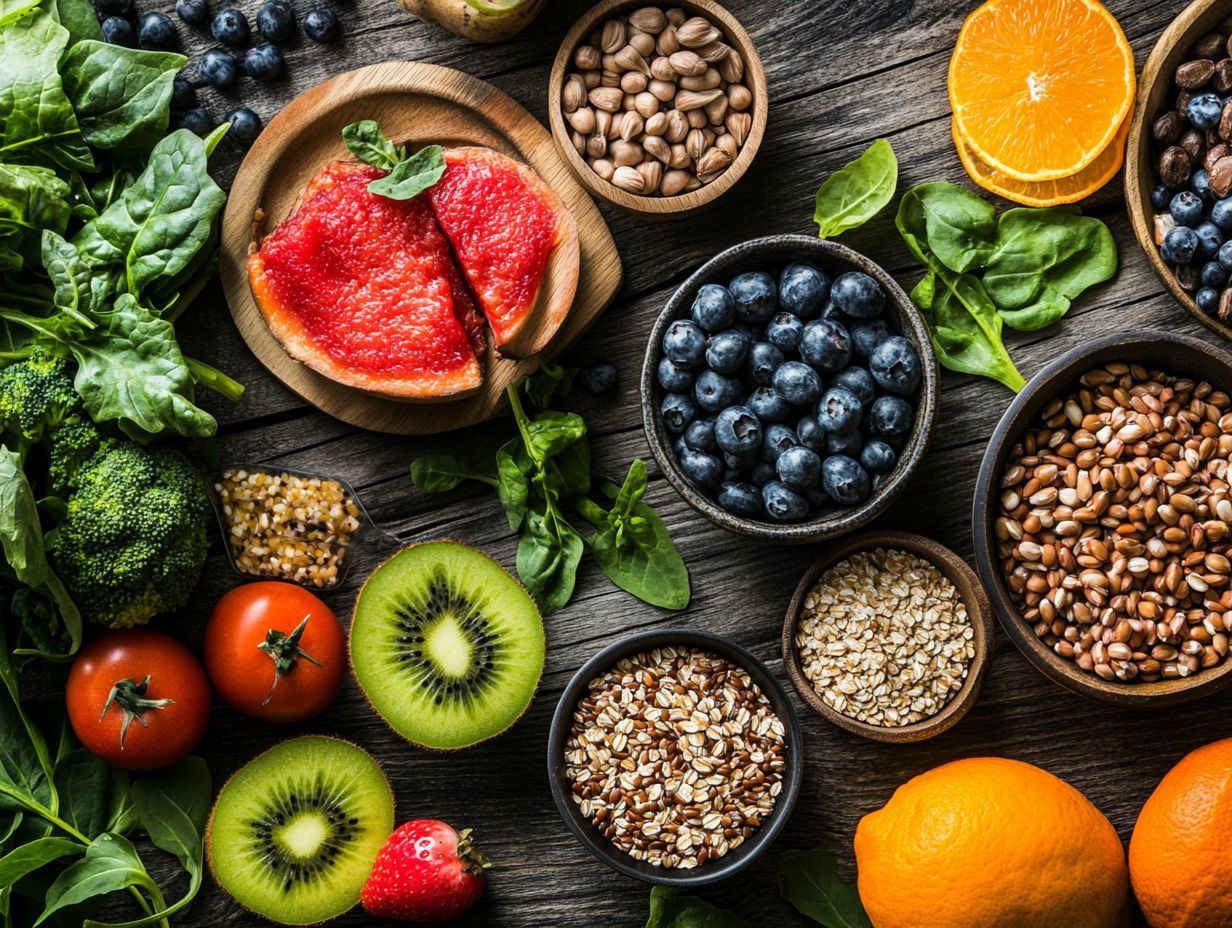
Creating a nutritious meal plan for cancer patients involves selecting nutrient-dense, easy-to-prepare foods that support energy levels and manage treatment side effects.
Essential components include incorporating high-calorie foods, healthy snacks, smoothies, and juices, and using cooking techniques that enhance flavor while minimizing nausea and taste changes.
Tips for Meal Planning and Preparation
Meal planning and preparation tips:
- Plan meals to ensure a balanced diet.
- Batch cook larger portions for quick access during the week.
- Choose healthy snacks like nuts, fruits, or yogurt to maintain energy.
- Prepare meals ahead to reduce daily cooking stress.
- Follow these strategies to save time and improve nutrition.
Involving Your Healthcare Team in Nutrition Planning
Involving your healthcare team in nutrition planning ensures dietary choices align with treatment goals and individual health needs.
A registered dietitian can tailor nutrition plans to address challenges from cancer treatments, aiding recovery and managing side effects.
This collaboration supports the patient’s overall well-being during treatment, addressing issues such as foodborne illness and nutrition assessment.
Collaborating with Your Doctor and Dietitian
Collaborating with your doctor and dietitian is essential for creating a nutrition plan tailored to your cancer treatment and dietary needs.
Doctors address medical aspects, while dietitians design diets to manage side effects, improve strength, and support recovery.
Open communication helps adjust dietary strategies based on patient experiences and challenges.
Regular follow-ups ensure that nutritional plans adapt to changes in treatment and health status.
Frequently Asked Questions
What is the importance of proper nutrition during cancer treatment?
Proper nutrition is crucial during cancer treatment as it helps to maintain strength, energy, and overall health. It also supports the body’s immune system to fight off infections and helps to manage treatment side effects.
What should I eat during cancer treatment?
A well-balanced diet consisting of a variety of fruits, vegetables, whole grains, and lean proteins is recommended during cancer treatment. It is also important to stay hydrated and limit processed and high-fat foods.
Should I take any supplements during cancer treatment?
Always consult with your doctor or a registered dietitian before taking any supplements during cancer treatment. In most cases, a well-balanced diet provides all the necessary nutrients, but some supplements may be recommended to help manage specific side effects.
How can I manage nausea and vomiting from cancer treatment?
Eating small, frequent meals and choosing bland, easy-to-digest foods can help manage nausea and vomiting. It is also important to stay hydrated by sipping on water or ginger tea. Your doctor may also prescribe medication to help control these side effects.
Do I need to follow a special diet during cancer treatment?
There is no one-size-fits-all diet for cancer treatment. It is important to consult with a registered dietitian who can create a personalized nutrition plan based on your specific needs, treatment, and any side effects you may be experiencing.
Can I still enjoy my favorite foods during cancer treatment?
Yes, you can still enjoy your favorite foods in moderation during cancer treatment. It is important to listen to your body and make healthy choices as much as possible, but indulging in your favorite treats can help boost your mood and quality of life during this challenging time.