Regular cancer screenings offer numerous benefits, playing a crucial role in early detection and management of cancer. By participating in established screening programs and utilizing various screening tests, individuals can identify early-stage symptoms and abnormal cells, significantly improving treatment outcomes and increasing survival chances.
Cancer screenings help reduce treatment costs by enabling less aggressive interventions and provide peace of mind through proactive health management. They also identify cancer risk factors, aiding in preventative measures and lifestyle changes.
Moreover, screenings can detect other health issues and provide access to support resources, assisting with family planning and promoting a health-conscious lifestyle. Regular screenings are vital for emotional and mental well-being, offering reassurance and control over health monitoring.
It is essential for individuals to follow recommended screening guidelines based on age, cancer risk factors, and cancer type for optimal outcomes.
Key Takeaways:
1. Early Detection and Treatment
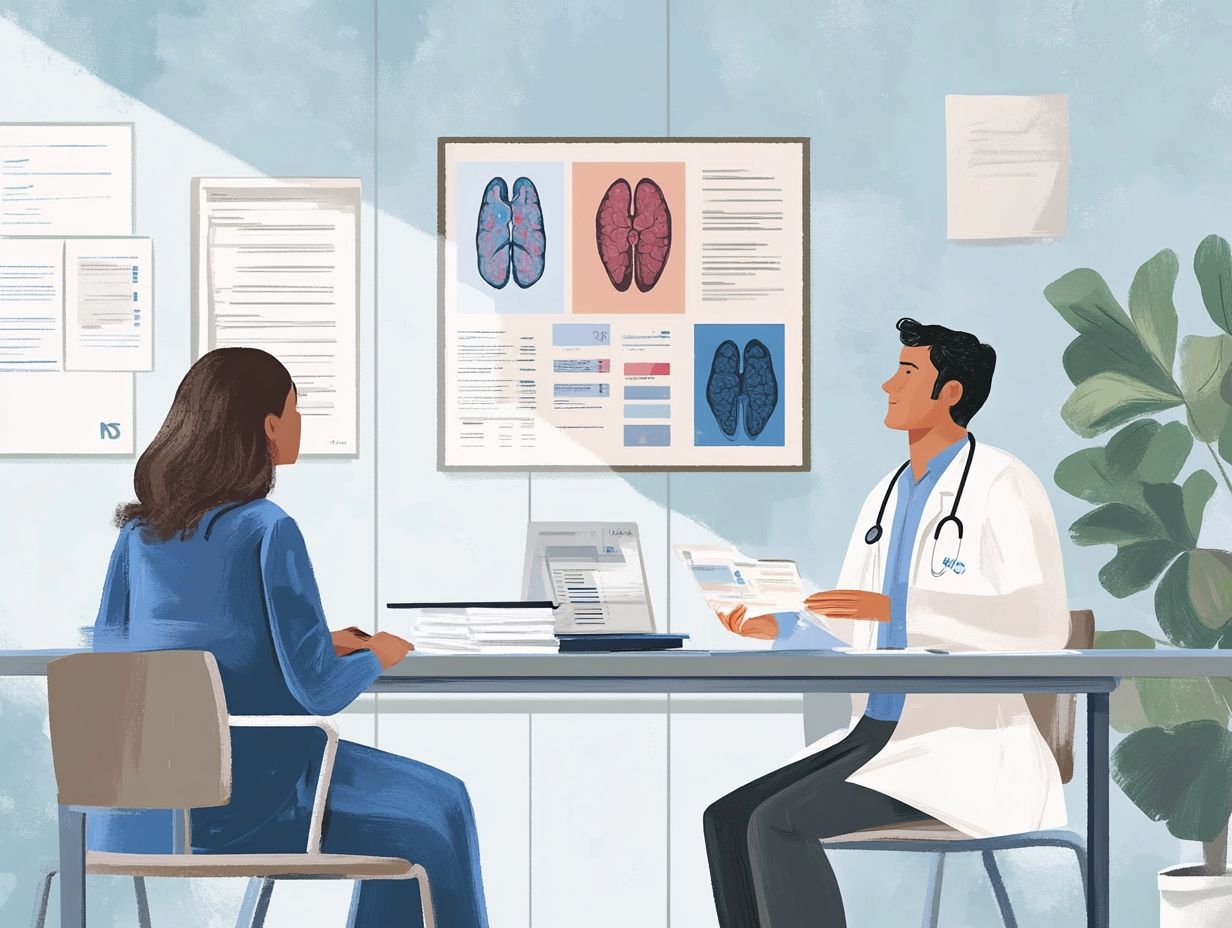
Early detection of cancer involves regular participation in cancer screening programs to identify abnormal cells and early-stage symptoms.
Early detection improves treatment outcomes by allowing timely intervention and offering more treatment options.
Screening tests like mammograms, Pap smears, colonoscopies, and low-dose CT scans are crucial for detecting breast, cervical, colorectal, and lung cancers early.
2. Increased Chances of Survival
Increased chances of survival correlate with early detection and timely cancer screening.
Early detection allows patients to access treatment options that can manage or eradicate cancers like breast cancer and colorectal cancer.
For example, early-stage breast cancer detection increases the five-year survival rate to 99%, and early colorectal cancer detection shows a five-year survival rate of about 90%.
Timely screenings are critical for effective cancer management.
3. Reduced Treatment Costs
Reduced treatment costs result from early cancer detection, which enables less aggressive, less expensive treatment options compared to treatments for advanced cancer.
Early detection can prevent the need for complex, costly surgeries and therapies.
Reduced treatment costs help alleviate financial burdens on patients and healthcare systems.
4. Peace of Mind
Regular cancer screenings provide peace of mind by allowing individuals to proactively assess health and address potential cancer risks early, consulting with their health care provider for informed decision-making.
Peace of mind reduces anxiety about health and encourages healthier lifestyle choices like improved diet and increased physical activity.
Proactive health management through screenings contributes to a less stressful life.
5. Identifies Cancer Risk Factors
Cancer screenings identify cancer risk factors, helping health care providers recommend prevention methods and lifestyle changes.
Screenings reveal genetic predispositions and lifestyle-related risk factors that increase the chance of developing cancer.
Early identification enables individuals to discuss risk assessment with healthcare providers and make proactive health choices.
6. Can Catch Other Health Issues
Regular cancer screenings can catch other health issues by evaluating indicators like cholesterol levels, blood pressure, and signs of diabetes.
These screenings provide a comprehensive health checkup beyond cancer risk, enabling earlier intervention through appropriate diagnostic tests for various medical conditions.
7. Access to Support and Resources
Cancer screening programs provide individuals with access to vital support and resources, enhancing understanding of cancer risks and treatment options.
Support networks, including patient advocacy groups and community services, offer emotional encouragement and practical assistance during treatment.
Educational resources enable informed decisions about care, while healthcare professionals offer personalized guidance.
These connections enable active participation in treatment, leading to improved health outcomes and better communication with healthcare teams.
8. Can Help with Family Planning
Cancer risk screenings can assist in family planning by providing individuals with information about their genetic predisposition to cancer.
This knowledge allows couples to make informed decisions about reproductive options and potential health measures, consulting genetic tests if necessary.
Genetic counseling plays a crucial role in helping families understand and navigate these choices.
9. Encourages Healthy Lifestyle Changes
Cancer screenings encourage healthy lifestyle changes by motivating individuals to make informed choices about diet and exercise to reduce cancer risks.
Screenings raise awareness, leading people to adopt prevention methods such as regular physical activity and a diet rich in fruits and vegetables.
Avoiding harmful habits, such as excessive alcohol and tobacco use, becomes a priority after learning about personal cancer risks.
10. Can Help with Emotional and Mental Well-Being
Regular cancer screenings help with emotional and mental well-being by reducing anxiety and providing reassurance about health status.
Screening offers peace of mind and control over health monitoring.
Support from family, friends, and healthcare professionals enhances emotional resilience during screenings.
Who Should Get Regular Cancer Screenings?

Regular cancer screenings are recommended for women aged 21 to 65 for cervical cancer, women over 40 for breast cancer, and men over 50 for prostate cancer.
Individuals with a family history of cancer or a history of smoking should also consider screenings based on specific risk factors.
Consulting a healthcare provider is essential for personalized screening guidelines.
What Types of Cancer Can Be Detected through Screenings?
Cancer types detected through screenings include:
- breast cancer
- cervical cancer
- colorectal cancer
- lung cancer
Screening tests like:
- mammograms for breast cancer
- Pap smears for cervical cancer
- colonoscopies for colorectal cancer
- low-dose CT scans for lung cancer
help in early detection.
What Are the Recommended Screening Guidelines?
Recommended screening guidelines advise when and how often individuals should undergo cancer screenings based on risk factors.
For breast cancer, guidelines recommend women begin annual mammograms at age 40.
Prostate cancer screening discussions for men should start at age 50, or earlier with specific risk factors.
Colorectal cancer screening is advised to begin at age 45 with options like stool tests and colonoscopy.
What Are the Different Types of Cancer Screenings?
Different types of cancer screenings and imaging procedures include:
- Mammograms for breast cancer
- Pap tests for cervical cancer
- Sigmoidoscopy and colonoscopy for colorectal cancer
- Low-dose computed tomography for lung cancer
Mammograms detect breast tumors, Pap tests identify cervical cancer precursors, sigmoidoscopy and colonoscopy screen for colorectal cancer, and computed tomography scans identify lung cancer in high-risk individuals.
How Often Should a Person Get Screened for Cancer?
Frequency of cancer screenings depends on cancer type, individual risk factors such as age, family history, and lifestyle.
For example, women should consider mammograms starting at age 40, earlier if breast cancer runs in the family.
Men are recommended to start prostate screenings at age 50, earlier if risk factors are present.
Consultation with a healthcare provider is essential for personalized screening schedules.
What Are the Risks of Not Getting Regular Cancer Screenings?
Not getting regular cancer screenings increases the risk of late-stage cancer diagnoses, limiting treatment options and worsening health outcomes.
Regular screenings improve early detection, which can significantly reduce cancer mortality rates.
Skipping screenings can lead to advanced cancer stages, increasing emotional and financial burdens.
Frequently Asked Questions
1. What are the benefits of regular cancer screenings?
Regular cancer screenings can help detect cancer at an early stage, increasing the chances of successful treatment and potentially saving lives.
2. How often should I go for cancer screenings?
The frequency of screenings may vary depending on your age, gender, family history, and other risk evaluation factors. It is best to consult with your health care provider to determine the appropriate screening schedule for you.
3. Are there different types of cancer screenings I should consider?
Yes, there are different types of cancer screenings available for various types of cancer. Some common ones include mammograms for breast cancer, colonoscopies for colon cancer, and Pap tests for cervical cancer.
4. Can regular cancer screenings prevent cancer?
While screenings cannot prevent cancer, they can help detect early-stage cancer when it is most treatable. This can also help prevent the cancer from spreading to other parts of the body.
5. Is it necessary to undergo cancer screenings if I have no symptoms or cancer diagnosis history?
Yes, regular cancer screenings and screening tests are recommended even if you have no symptoms. Many types of cancer, such as breast cancer, cervical cancer, colorectal cancer, and lung cancer, do not show symptoms until they have progressed to a more advanced stage.
6. Are cancer screenings and screening tests covered by insurance?
In most cases, cancer screenings are covered by insurance. However, it is best to check with your insurance provider to confirm coverage and any associated costs. Discuss with your health care provider about different screening guidelines and how they apply to your cancer risk. Early detection and regular checkups can help identify early-stage cancer, which can significantly improve health outcomes and the effectiveness of treatment options.