Patient advocacy plays a pivotal role in the cancer diagnosis process, ensuring that patients receive the necessary support to make informed health decisions. Patient advocates act as liaisons between patients and healthcare providers, addressing key challenges such as delayed detection, misdiagnosis, and healthcare challenges like healthcare access and health literacy.
They help simplify complex medical information, provide resources on treatment options, and represent patient interests in policy discussions. By fostering effective communication, patient engagement, and personalized care, patient advocacy enhances health outcomes, cancer control, and empowers individuals navigating the healthcare system.
Advocates also assist with insurance claims, appointment scheduling, and connecting patients to vital support networks, ultimately improving access to comprehensive cancer care and facilitating informed decision-making.
For those seeking advocacy support, resources like the National Patient Advocate Foundation, The Cancer Genome Atlas, the National Cancer Institute, and the American Cancer Society offer valuable guidance and community connections.
Key Takeaways:
Understanding Patient Advocacy

Patient advocacy involves supporting and representing patients, especially in navigating the healthcare system, improving healthcare access, and addressing cancer awareness.
Patient advocacy helps cancer patients, including those with lung cancer, breast cancer, and prostate cancer, make informed health decisions and ensures their voices are heard by healthcare providers.
Advocacy aids in improving patient outcomes, quality of life, and emotional support through community support and patient education.
Defining the Role of a Patient Advocate
A patient advocate serves as a liaison between patients and healthcare providers, ensuring patient needs and concerns are communicated and addressed.
Responsibilities include:
- Simplifying medical information
- Offering resources about treatment options and rights
- Representing patients in policy decisions and policy reform
Patient advocates also use negotiation, conflict resolution skills, and advocacy skills to navigate healthcare policies.
Challenges in Cancer Diagnosis
Challenges in cancer diagnosis include delayed detection, misinterpretation of test results, and limited access to advanced diagnostic tools. These challenges can lead to incorrect treatment plans and affect patient outcomes.
- Delayed detection happens due to late symptom presentation or inadequate screening programs.
- Misinterpretation occurs when test results are inaccurately read by healthcare professionals.
- Limited access to advanced tools is a problem in under-resourced healthcare settings.
Addressing these challenges is crucial for improving cancer diagnosis accuracy and ensuring timely treatment.
Common Obstacles and Misdiagnosis
Common obstacles in cancer diagnosis include misdiagnosis, which can lead to incorrect treatment plans and hinder cancer control.
Misdiagnosis occurs due to overlapping symptoms with other conditions, inadequate diagnostic technology, and poor communication between patients and healthcare providers.
Ensuring accurate diagnosis is vital to avoid ineffective treatments and improve cancer management, including the use of genomic profiling and clinical trials.
The Importance of Patient Advocacy in Cancer Diagnosis
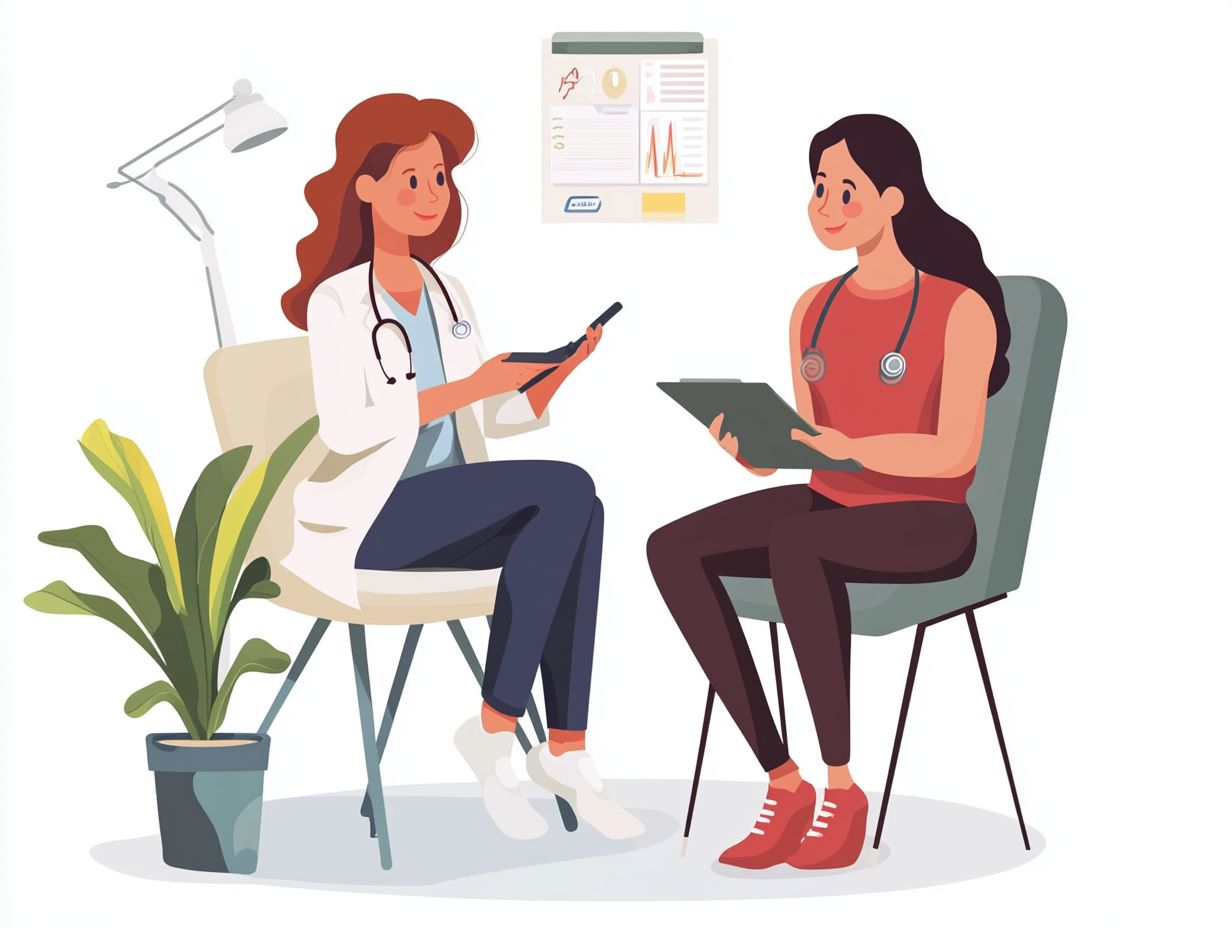
Patient advocacy in cancer diagnosis is crucial for ensuring patients receive accurate information, timely diagnoses, and appropriate treatment options, including advanced cancer treatments and clinical trials.
Patient advocates help individuals understand their diagnosis, communicate effectively with healthcare providers, and access necessary support services, including cancer support groups and community hospitals.
Advocacy improves patient outcomes by fostering knowledge-based decision making through educational initiatives and personalized care plans.
Empowering Patients and Improving Outcomes
Empowering patients in cancer treatment involves education and support to improve health outcomes.
Education through workshops, websites, and literature helps patients understand their condition and treatment options, thereby improving health literacy and patient empowerment.
Support from advocacy organizations ensures access to resources and comprehensive care, leading to better engagement, patient empowerment, and quality of life for cancer survivors.
How Patient Advocates Can Help
Patient advocates assist patients by explaining healthcare processes, accessing resources, and connecting with support networks, such as cancer support groups and patient organizations.
Patient advocates help navigate insurance claims, schedule appointments, and communicate with healthcare providers.
Advocates ensure patients understand their rights and make informed healthcare decisions.
Supporting Patients and Navigating the Healthcare System
Supporting patients and navigating the healthcare system involves patient advocates aiding individuals in accessing healthcare services and understanding treatment options.
Patient advocates help patients by explaining insurance benefits, discussing treatment choices, including options for genomic profiling, and connecting them with support resources.
Advocates facilitate communication between patients and healthcare providers to ensure effective and personalized care, catering to patient needs and improving patient journeys.
This support enhances patient enablement and improves health outcomes.
Advocating for Yourself

Advocating for yourself means actively participating in decisions about your healthcare and communicating your needs and preferences to medical providers.
Self-advocacy enables patients to make informed choices and ensures their healthcare needs are met.
Tips for Being Your Own Advocate
Being your own advocate involves understanding your health conditions, knowing treatment options, and confidently communicating with healthcare providers.
Educate yourself using reliable resources to make informed decisions. Seek support from those with similar experiences to gain insights and encouragement.
Engage with advocacy organizations for resources and guidance to effectively express your needs and preferences in healthcare settings.
Resources for Finding Patient Advocates
Resources for finding patient advocates include the National Patient Advocate Foundation, Patient Advocate Foundation, and state health departments.
These organizations offer support, information, and assistance in navigating healthcare systems.
Organizations and Support Networks
Advocacy organizations and support networks help patients access healthcare and navigate treatment by providing resources and connections.
These organizations, like the American Cancer Society and National Alliance on Mental Illness, offer information, emotional support, and community engagement.
Local patient support groups offer shared experiences and understanding among individuals with similar challenges.
Patients find guidance and a supportive environment through these networks, promoting resilience in healthcare and facilitating patient journeys through organizations such as the European Patients Forum and UICC.
Frequently Asked Questions

What is the role of patient advocacy in cancer diagnosis?
The role of patient advocacy in cancer diagnosis is to act as a support system for patients and their families throughout the diagnosis process. This can include providing information, resources, and emotional support to help patients navigate their diagnosis and treatment options.
How can patient advocacy improve the cancer diagnosis experience?
Patient advocacy can improve the cancer diagnosis experience by empowering patients to be more involved and informed in their own healthcare. Advocates can also help patients communicate effectively with their healthcare team and ensure that their needs and concerns are addressed, including emotional support and patient representation.
Can patient advocacy help with financial concerns related to cancer diagnosis?
Yes, patient advocacy can help with financial concerns related to cancer diagnosis. They can provide information on resources and programs that can assist with medical expenses, and can also help patients navigate insurance and billing issues.
What are some ways that patient advocacy can support caregivers during the cancer diagnosis process?
Patient advocacy can support caregivers by providing them with resources and information to help them understand and cope with their loved one’s diagnosis. They can also offer emotional support and guidance on how to best support the patient during this difficult time.
How do patient advocates work with healthcare providers during cancer diagnosis?
Patient advocates work closely with healthcare providers to ensure that the patient’s needs and concerns are addressed and that they receive the best possible care. They can also help healthcare providers understand the patient’s preferences and values, and act as a liaison between the patient and the medical team.
What should I look for in a patient advocate for cancer diagnosis?
When choosing a patient advocate for cancer diagnosis, look for someone who is knowledgeable about cancer and the healthcare system, empathetic and understanding, and able to effectively communicate and advocate on your behalf. Public figures like Dr. Kirstie Graham and Kim Norris from the Lung Cancer Foundation of America are examples of dedicated patient advocates. It’s also important to find someone you feel comfortable with and trust.