Looking to make a meaningful impact on social issues in your community? Leveraging local resources can be a powerful way to amplify your advocacy efforts and drive real change. By partnering with organizations, engaging through social media, hosting events, collaborating with businesses, and connecting with government officials, you can build strong networks that influence public policy and elevate important voices. This guide walks you through practical steps to maximize community partnerships for effective advocacy.
Why Community Advocacy Matters
Community advocacy enables individuals and groups to work together to address social challenges, promote fairness, and improve access to essential resources. When you tap into local knowledge, connections, and tools, your voices become stronger, creating positive momentum for sustainable change. This approach helps raise awareness about important issues and ensures that marginalized perspectives are included in decision-making.
Five Effective Ways to Use Community Resources for Advocacy
1. Partner with Local Organizations
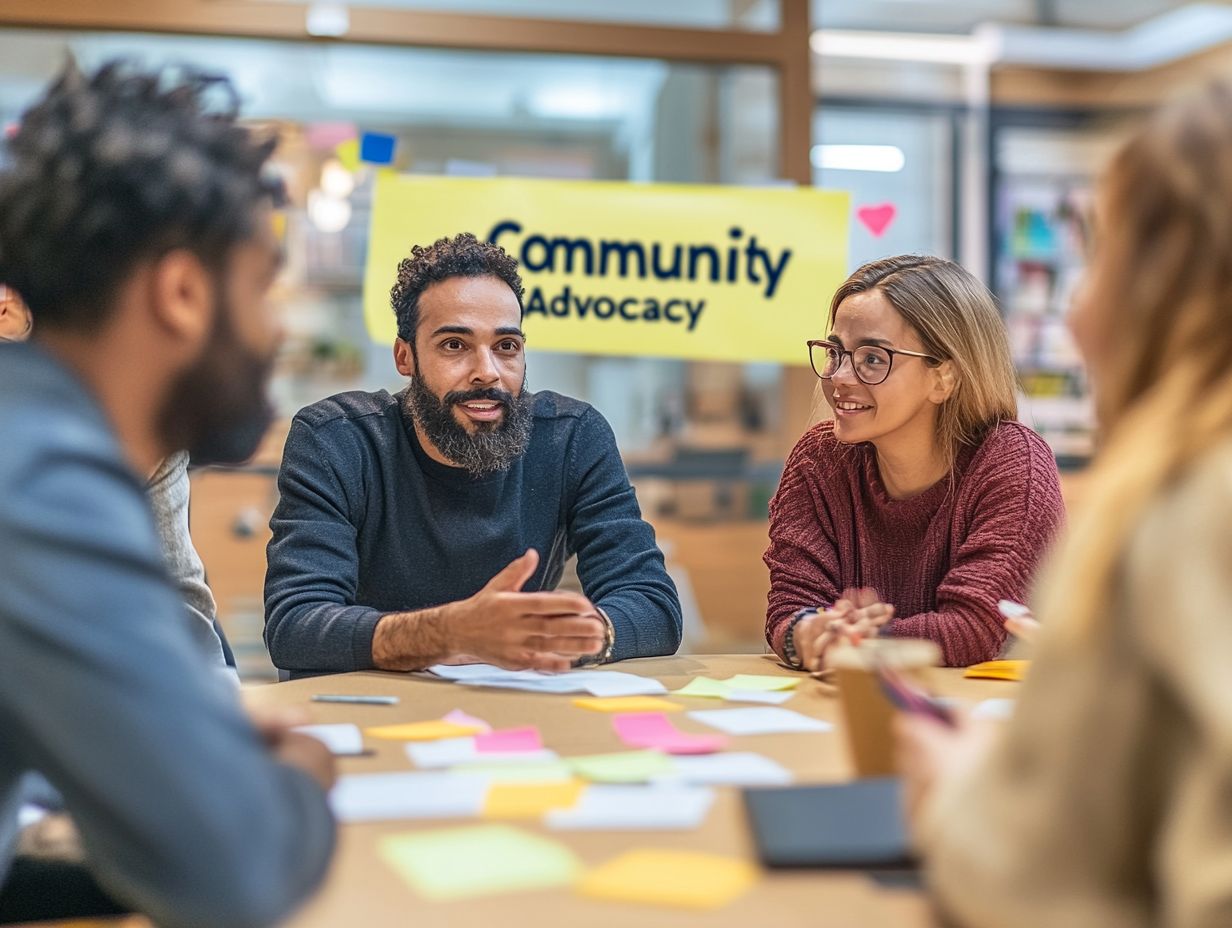
Joining forces with local nonprofits, faith groups, or civic clubs can deepen your grassroots impact. These partners bring established networks and shared goals, allowing you to pool resources and coordinate activities such as neighborhood clean-ups or health awareness programs. If you’re aiming to expand your reach, building these partnerships offers a solid foundation. Learn more about building effective partnerships from the National Council of Nonprofits.
2. Utilize Social Media Platforms
Social media is more than just sharing posts — it’s a space for storytelling and two-way conversations. Platforms like Facebook, Twitter, and Instagram let you reach diverse audiences quickly. By crafting personalized messages and targeted campaigns, you engage supporters and encourage them to take action. Consistent interaction builds trust and helps maintain grassroots momentum. Explore best practices at the Mayo Clinic Social Media Network.
3. Host Community Events
Inviting your community to workshops, town halls, or educational forums can foster meaningful dialogue and build advocacy alliances. These events encourage people to learn, ask questions, and participate actively in shaping solutions. When you bring people together in person or virtually, you strengthen connections and turn concerns into collective action.
4. Collaborate with Local Businesses
Local businesses often seek opportunities to contribute to community well-being. Partnering with them can extend your campaign’s visibility and resource pool through joint events, sponsorships, or shared marketing efforts. Businesses bring unique expertise and networks that can support your advocacy goals while demonstrating corporate social responsibility. The Chamber of Commerce offers helpful tips on forming these collaborations.
5. Reach Out to Government Officials
Engaging local leaders directly allows you to present community needs and influence policy decisions. Scheduling meetings, submitting petitions, and taking part in public comment periods show your commitment and provide officials with concrete data on how issues affect people. Clear, respectful communication aligned with policymakers’ priorities increases the chances of meaningful collaboration. Guidance on advocacy communication can be found at the CDC’s Community Engagement Resources.
Overcoming Challenges and Measuring Success
Advocacy can face hurdles like limited funding or differing priorities among partners. Regular communication, honest feedback, and flexible strategies help navigate these obstacles. To track your impact, consider metrics like participation rates, policy changes, or community feedback gathered through surveys and focus groups. This data supports adjusting your approach and celebrating wins, however big or small.
Frequently Asked Questions
What are the best community resources to support advocacy?
Community nonprofits, local businesses, educational institutions, social media networks, and government offices all offer valuable connections, expertise, and platforms to amplify your message.
How can social media boost grassroots advocacy?
By sharing compelling stories and engaging audiences in real-time conversations, social media platforms mobilize support quickly and encourage community involvement in advocacy campaigns.
Why is partnering locally so important for advocacy efforts?
Local partnerships multiply your reach by pooling resources, expanding supporter bases, and building trust through familiar community relationships.
How do I start a conversation with government officials about an important issue?
Begin by scheduling a meeting, preparing clear points and local impact data, and being ready to listen and align your messaging with their priorities and concerns.
What kinds of community events best support advocacy goals?
Events like workshops, town halls, educational forums, and rallies can educate, engage, and mobilize participants around shared causes.
Identifying and Connecting with Community Resources
Identify relevant community resources by using online databases, local directories like 211, and attending community events to build advocacy partnerships. Connect through face-to-face engagement at town hall meetings and by networking with advocacy organizations. These methods help in building partnerships and leveraging existing networks for effective advocacy.