Chemotherapy is a powerful tool in the fight against cancer, but it often brings a range of side effects that affect both your body and mind. Understanding what chemotherapy is, how it works, and the common side effects you might face can empower you to better manage your treatment and maintain your quality of life. This guide walks you through the essential facts, practical tips for coping, and the importance of staying connected with your healthcare team to ensure the best possible support throughout your journey.
What Is Chemotherapy and How Does It Work?
Chemotherapy uses specially designed drugs to attack cancer cells in your body. These drugs can be given as pills, injections, or infusions directly into your bloodstream. Oncologists select the specific chemotherapy medicines and schedule that best fit your type of cancer, its stage, and your overall health. The goal is to destroy cancer cells, shrink tumors before surgery, prevent cancer from returning after surgery, or ease symptoms in advanced cancer.
Since chemotherapy targets rapidly dividing cells, it also affects some healthy cells in your hair roots, digestive system, and bone marrow. This is why side effects occur. Researchers continue to develop more targeted therapies to reduce these unwanted effects and improve treatment success.
Common Physical Side Effects and How to Handle Them
You might experience fatigue, nausea, hair loss, appetite changes, or a weakened immune system during chemotherapy. These effects vary widely from person to person and usually improve once treatment ends.
- Fatigue: Feeling extremely tired is common, so it’s important to rest when you need it and conserve your energy throughout the day. Gentle exercise, like walking or stretching, can help boost your stamina.
- Nausea and Appetite: If feeling sick makes it hard to eat, working with a dietitian can help you find foods that are easier to tolerate and still keep your nutrition balanced.
- Hair Loss: Losing hair can be emotionally challenging. You might explore options like wigs, scarves, or hats to feel more comfortable and confident during this time.
- Immune System Support: Because chemotherapy lowers your body’s defenses, take precautions to avoid infections. Wash your hands often, avoid large crowds, and talk with your doctor about any vaccines or preventive medications you may need.

Emotional and Mental Health Matters
Chemotherapy can affect more than just your body. Anxiety, mood swings, or feelings of depression are common and understandable. It’s important to communicate openly with your loved ones and healthcare providers about how you feel. Techniques like meditation, deep breathing, or gentle yoga can help manage stress. Support groups and counseling provide additional comfort by connecting you with others who truly understand what you’re going through.
Medical and Lifestyle Strategies to Ease Side Effects
Your healthcare team can prescribe medicines to relieve symptoms like nausea or pain and may recommend complementary therapies such as acupuncture or massage. Alongside medical treatments, maintaining a balanced diet, staying hydrated, and keeping physically active as tolerated can improve your well-being. Finding relaxation practices that suit you can also make a meaningful difference.

Looking Beyond Treatment: Long-Term Side Effects
Some side effects may linger or appear long after chemotherapy finishes. These could include heart or lung problems, fertility changes, or cognitive challenges like memory or concentration difficulties. Regular follow-up appointments help your doctors monitor and manage any long-term effects. Don’t hesitate to discuss any new symptoms or concerns you have, no matter how small.
Partnering with Your Healthcare Team
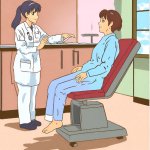
Your doctors, nurses, and support staff are there to guide you every step of the way. Make sure to report all side effects you experience—whether physical or emotional—so your treatment can be adjusted if needed. Asking questions about your care, side effect management, and what to expect can help you feel more in control and reduce anxiety.
Remember, while chemotherapy is a tough journey, you don’t have to face it alone. With the right knowledge, support, and care, you can navigate treatment with resilience and hope.
For more detailed information and resources, consider visiting trusted websites like the National Cancer Institute, Mayo Clinic’s chemotherapy guide, and the Cancer Research UK chemotherapy advice page.
Frequently Asked Questions
- 1. Are chemotherapy side effects the same for everyone?
- No. Side effects vary depending on the type of chemotherapy drugs used, your cancer type, overall health, and individual differences. Some people experience mild side effects, while others may have more significant symptoms.
- 2. How long do chemotherapy side effects last?
- Many side effects improve shortly after treatment ends, but some, like fatigue or cognitive changes, can last weeks or months. Your healthcare team will monitor you closely during and after treatment.
- 3. Can I prevent hair loss from chemotherapy?
- In some cases, cooling caps may reduce hair loss, but they’re not suitable for all chemotherapy types. Talking with your doctor about options before treatment starts is helpful.
- 4. Is it safe to exercise during chemotherapy?
- Generally, light to moderate exercise is encouraged to reduce fatigue and improve mood. Always consult with your healthcare provider about what activities are safe for you.
- 5. When should I tell my doctor about side effects?
- Report any new or worsening side effects as soon as possible. Early communication helps your healthcare team manage symptoms more effectively and adjust treatment if necessary.