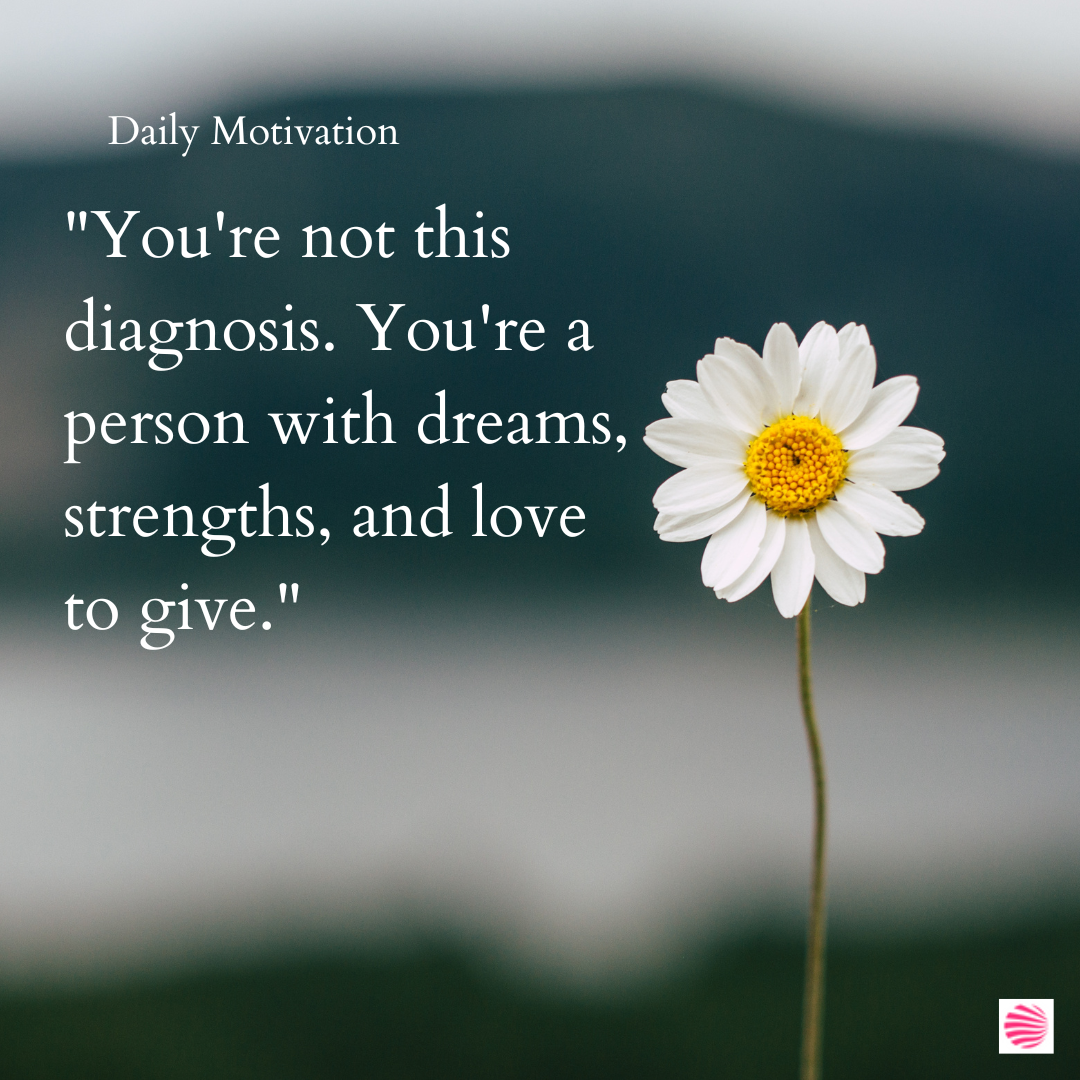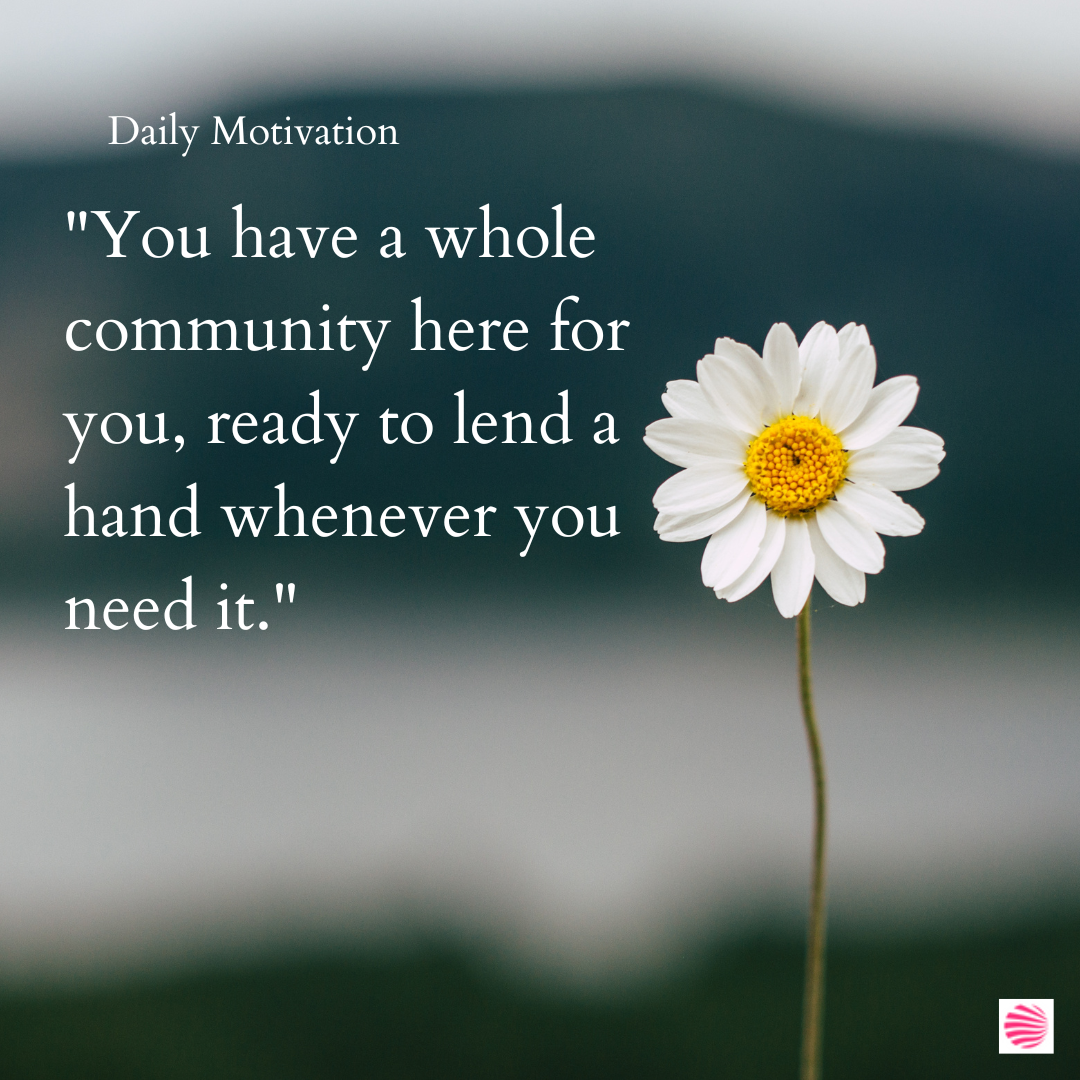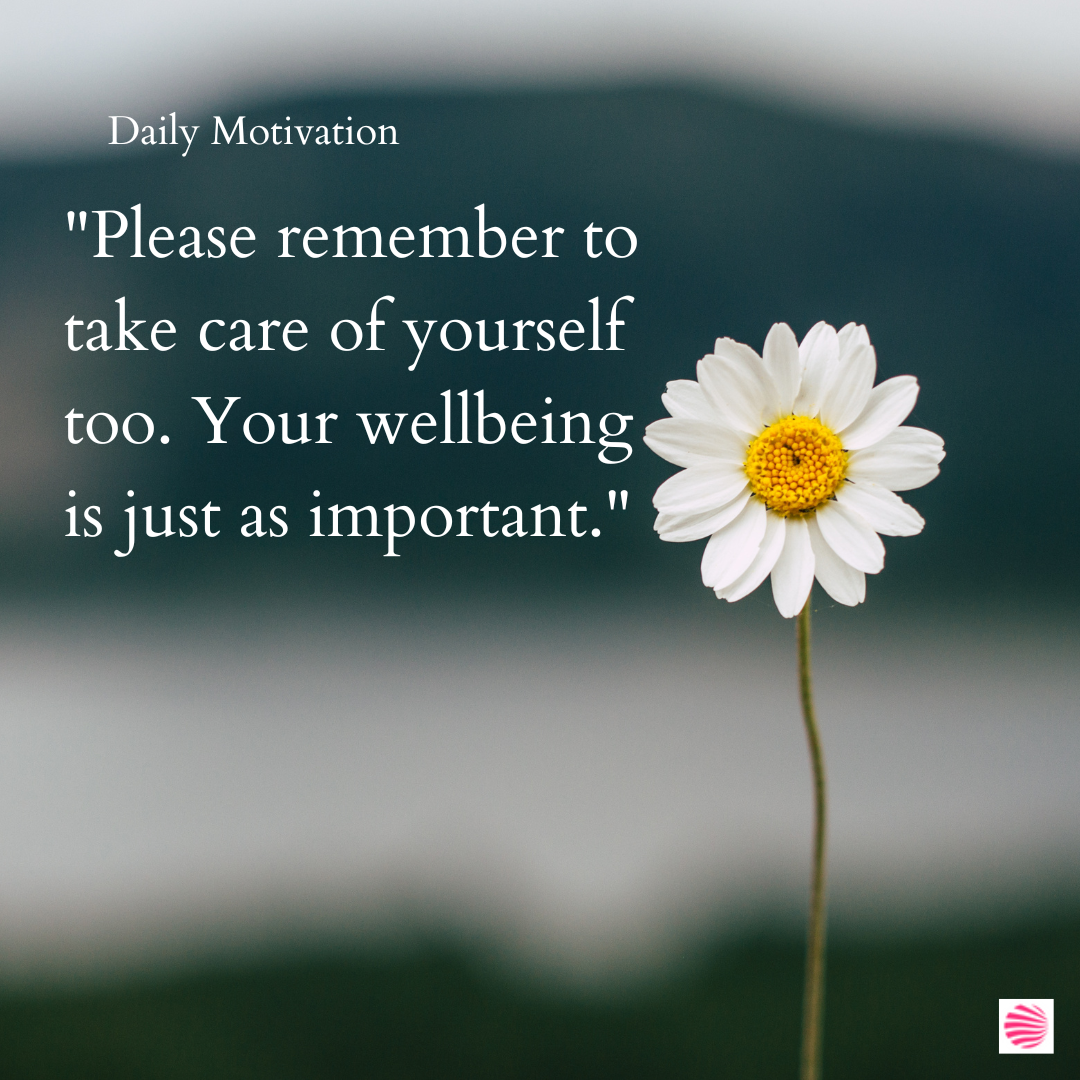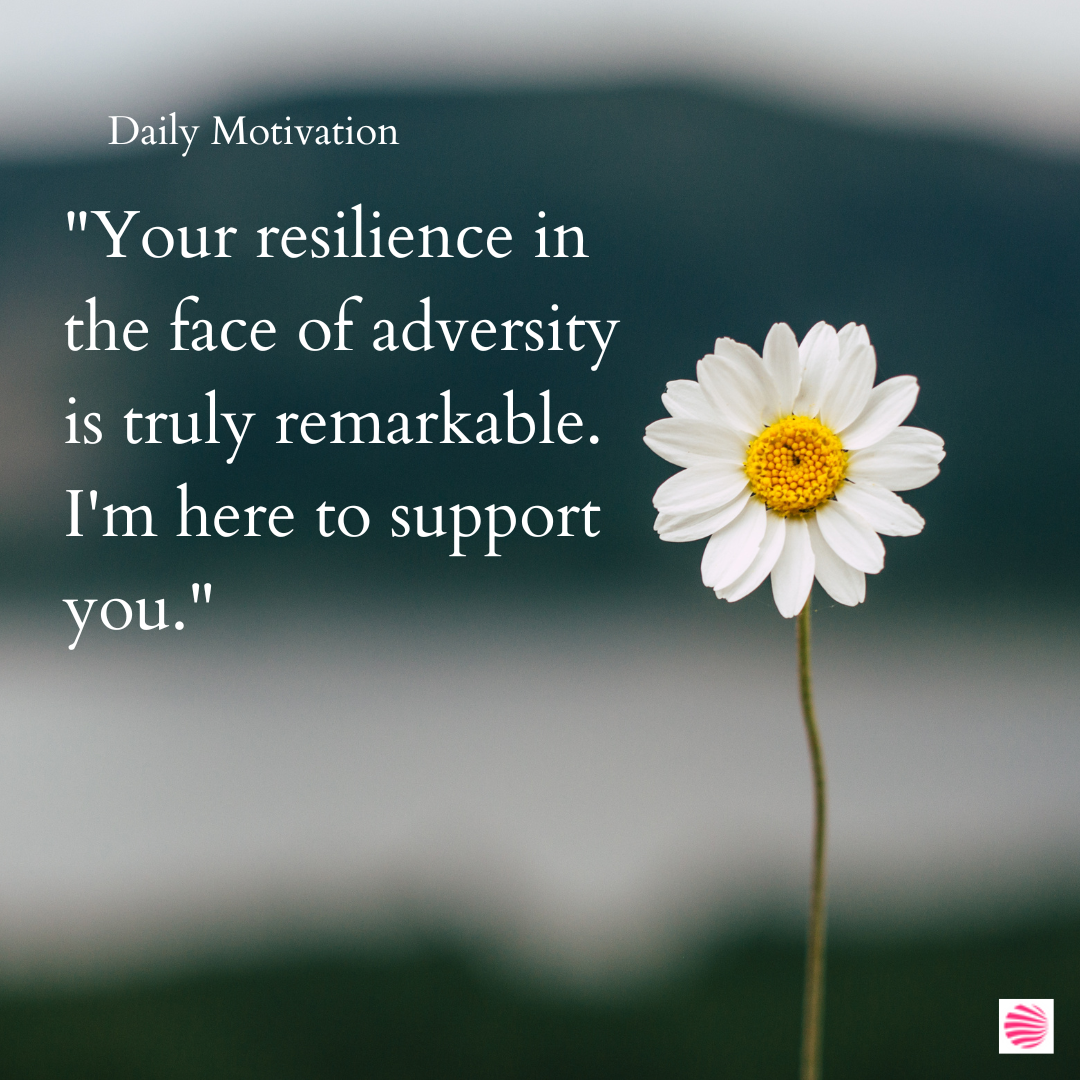
Supporting someone with cancer can feel overwhelming, especially when you want to say the right thing but struggle to find the words. If you’re looking for meaningful ways to express your care and encouragement, this guide offers thoughtful messages you can share with your loved one. These carefully crafted words are designed to show empathy, provide comfort, and remind them they’re not alone on this journey. Whether you want to uplift their spirits, offer hope, or simply let them know you’re by their side, these messages can help you communicate your support during a difficult time.
Finding the Right Words: Why Support Matters
When someone you care about is diagnosed with cancer, your words can become a vital source of strength. However, it’s normal to feel unsure about what to say or how to offer comfort. Cancer can be an isolating experience, and your genuine expressions of support can help reduce feelings of loneliness and fear. By sharing thoughtful messages, you demonstrate that you see their struggle, honor their courage, and stand with them every step of the way.

How to Use These Messages
Whether you prefer sending a text, writing a card, or speaking face-to-face, these messages can be tailored to your style and relationship. You might choose to:
- Express empathy and acknowledge their feelings
- Share hopeful and encouraging thoughts
- Offer your presence and willingness to help
Remember, sometimes the most powerful message is simply saying, “I’m here for you.”

Examples of Supportive Messages You Can Share
- “I’m thinking of you and here to support you in any way you need.”
- “Your strength inspires me every day—I’m with you through this.”
- “It’s okay to feel scared or overwhelmed. You don’t have to face this alone.”
- “When you need someone to listen, know that I’m here.”
- “Sending you all my love and positive thoughts today and always.”

Tips for Maintaining Connection and Providing Ongoing Support
Your ongoing support can mean the world. Try to check in regularly without waiting for them to reach out first. Small gestures like a simple message, a phone call, or offering to join appointments can help your loved one feel cared for and less isolated. It’s also important to respect their need for space and listen carefully to their cues.
Building your understanding of cancer and its impact can enhance your ability to support effectively. Reliable resources such as the National Cancer Institute (https://www.cancer.gov/about-cancer/coping/feelings) offer helpful information on coping with emotions related to cancer.
Remember, your presence and willingness to walk alongside your loved one can provide comfort beyond words.

Frequently Asked Questions
Q: What if I don’t know what to say to a loved one with cancer?
A: It’s common to feel unsure, and sometimes just letting them know you care and are present can be enough. Simple sentiments like “I’m here for you” can offer great comfort.

Q: How can I support someone who prefers not to talk about their cancer?
A: Respecting their boundaries is important. You can offer help in practical ways, like preparing meals or running errands, and remind them that you’re available whenever they want to talk.

Q: Where can I find more resources to understand cancer better?
A: Trusted sites such as the National Cancer Institute (https://www.cancer.gov/), Mayo Clinic (https://www.mayoclinic.org/diseases-conditions/cancer/symptoms-causes/syc-20370588), and Cancer Research UK (https://www.cancerresearchuk.org/about-cancer) provide reliable information for patients, caregivers, and supporters.

Q: How do I handle my own emotions while supporting someone with cancer?
A: It’s normal to experience a range of emotions. Consider seeking support from counseling services, support groups, or talking to trusted friends or family members to help manage stress and maintain your well-being.

Your willingness to offer support, even when it feels difficult, can make a meaningful difference. Remember, you are not alone in this journey. Together, you and your loved one can face the challenges ahead with empathy, courage, and hope.