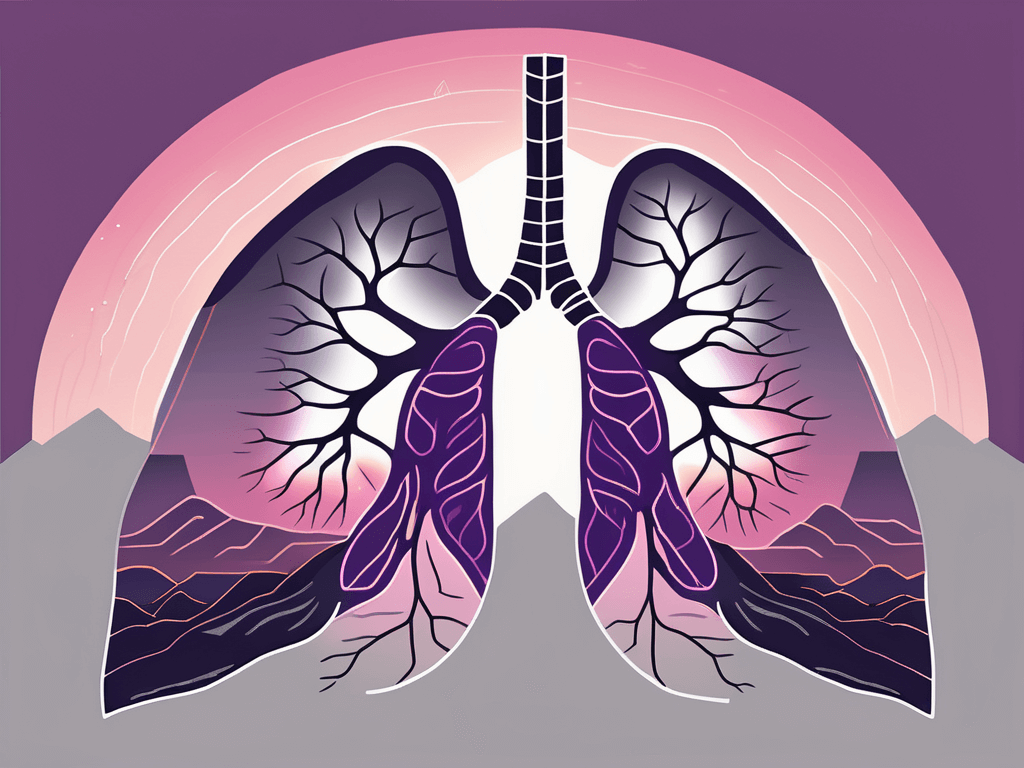
Facing a diagnosis of stage 3 lung cancer can feel overwhelming, but understanding what this stage means and the possibilities ahead can empower you on your treatment journey. While stage 3 indicates that cancer has spread to nearby lymph nodes and surrounding tissues, it is not a final sentence. Thanks to advances in treatment options like surgery, chemotherapy, radiation, and immunotherapy, many patients now experience better outcomes than in the past. This guide helps you make sense of stage 3 lung cancer, explores survival statistics with context, outlines treatment approaches, and offers practical advice on managing life during this challenging time.
Understanding Stage 3 Lung Cancer
Lung cancer develops in stages from 1 to 4, describing how far the cancer has spread. In stage 3, cancer cells have grown beyond the lungs to involve nearby lymph nodes and possibly other structures in the chest. This stage is further divided into 3A, 3B, and 3C, reflecting increasing levels of spread within the chest. It’s important to know that stage 3 lung cancer is advanced but still potentially treatable and manageable.
What Does Stage 3 Mean for You?
A diagnosis of stage 3 lung cancer means the disease has reached lymph nodes near your lungs, heart, or windpipe but hasn’t spread to distant organs like the liver or brain. While the diagnosis can feel discouraging, remember that newer treatments and personalized care plans have improved survival and quality of life for many people. You have options, and your healthcare team will tailor treatment based on your specific diagnosis and overall health.
Interpreting Survival Rates With Perspective
Survival rates are statistical measures indicating the percentage of people alive after a certain time, usually five years, following a cancer diagnosis. For stage 3 lung cancer, five-year survival rates currently range widely—between about 5% and 40%—depending on multiple factors. These percentages represent averages from past data and don’t predict individual outcomes, especially as new therapies continue to improve results. Your age, overall health, cancer subtype, and response to treatment all influence your personal outlook.
Why Survival Rates Are Not the Whole Story
It’s natural to want clear answers, but survival statistics can be misleading if taken without context. Medical advances like targeted therapies, immunotherapy, and improved radiation techniques have started to change the prognosis for many patients diagnosed today. Your doctors can help explain how the latest treatments may impact your chances better than general statistics. Keep communication open with your oncology team—they are your best resource for interpreting these numbers in light of your situation.
How Treatment Has Evolved and What It Means for You
Survival improvements for stage 3 lung cancer largely come from breakthroughs in early detection, surgery, radiation, chemotherapy, and especially immunotherapy. For instance, some patients who couldn’t have surgery before might now be candidates, and immunotherapy can boost your immune system’s ability to fight cancer cells. These advances mean that your treatment plan might include multiple therapies designed to work together to give you the best possible outcome.
Available Treatment Options
Your healthcare team will consider several factors to choose the best treatment path, including your lung cancer subtype, tumor location, general health, and preferences. Common treatments for stage 3 lung cancer include:
- Surgery: If feasible, surgery may remove the tumor and affected lymph nodes. This could involve removing part of the lung (lobectomy) or the entire lung (pneumonectomy).
- Radiation Therapy: High-energy rays target and kill cancer cells. Radiation might be used alone or combined with chemotherapy or surgery, depending on your case.
- Chemotherapy: Drugs delivered throughout your body help kill cancer cells or slow growth.
- Immunotherapy: This newer approach helps your immune system recognize and attack cancer cells. Sometimes it is combined with chemotherapy.
Your treatment plan will be personalized and may involve a combination of these options to maximize effectiveness.
Living Well With Stage 3 Lung Cancer
Living with this diagnosis brings emotional and physical challenges, but you do not have to face them alone. Managing symptoms like breathlessness, fatigue, and discomfort is a key part of care—always tell your medical team about what you’re experiencing so they can help. Emotional support is equally important; connecting with friends, family, or support groups can provide comfort, strength, and hope. Counseling or therapy can also be beneficial in coping with fears and uncertainties.
Remember, your journey is unique, and advances in cancer care are continually evolving. Staying informed, asking questions, and actively participating in your treatment decisions are empowering steps you can take.
For more detailed information and support, you can visit trusted resources such as the National Cancer Institute, the American Cancer Society, and the Lung Cancer Foundation of America.
Frequently Asked Questions
- 1. What factors influence the survival rate for stage 3 lung cancer?
- Survival depends on the cancer’s exact location and spread, your overall health, age, lung function, cancer subtype, and how well you respond to treatment. Personalized therapy options and new treatments also play crucial roles.
- 2. Is stage 3 lung cancer treatable or curable?
- While stage 3 lung cancer is considered advanced, many patients respond well to treatment, which may control the disease for extended periods. ‘Cure’ might be rare, but remission and good quality of life are achievable goals.
- 3. How can I manage side effects from treatment?
- Communicate openly with your healthcare team about symptoms like fatigue, nausea, or breathing difficulties. They can recommend medications, nutritional advice, therapies, and lifestyle tips to help you feel better.
- 4. Should I seek emotional support, and where can I find it?
- Yes, emotional well-being is vital. Support can come from counseling, cancer support groups, trusted friends, or family. Organizations like the Cancer Support Community provide free programs and groups.
- 5. How do I stay informed about new treatment options?
- Maintain regular consultations with your oncology team and ask about clinical trials or emerging therapies. Trusted websites such as the National Cancer Institute provide updates on research and trials.