Cancer can feel overwhelming, but understanding its many forms and how it develops empowers you to take charge of your health. From the most common types like carcinomas to rarer forms such as neuroendocrine or germ cell tumors, each cancer type behaves differently and requires personalized attention. Knowing how cancer grows, spreads, and is classified by stages and grades helps you recognize the importance of early detection and tailored treatments, offering hope and clearer paths forward.
What Is Cancer?
Cancer isn’t just one disease but a group of conditions where cells in your body grow out of control. Normally, your cells divide carefully to replace old or damaged ones, but with cancer, this process goes wrong. Abnormal cells can form lumps called tumors or invade nearby tissues. Sometimes, cancer cells travel to other parts of your body in a process called metastasis, making the disease more challenging to treat.
How Does Cancer Start and Spread?
Cancer usually begins with changes or mutations in your genes that control cell growth. These mutations may happen over years and can be influenced by several factors, including genetics, lifestyle habits like smoking, or exposure to harmful substances. Not all tumors are cancerous—benign tumors stay in one place and rarely cause serious problems, whereas malignant tumors grow aggressively and can spread throughout your body.
The Main Types of Cancer You Should Know About
Carcinomas: The Most Common Form
These cancers arise from epithelial cells that cover your skin or line organs like your lungs, breast, or colon. If you’ve heard of lung or breast cancer, these are carcinomas. Because these organs are exposed to outside factors like smoke or UV light, these cancers are common but can often be detected early through regular screenings. Learn more about carcinomas at the National Cancer Institute (NCI).
Sarcomas: Cancers of Connective Tissue
Sarcomas develop in the bones, muscles, or fat tissue. They’re less common but can be aggressive, so early symptoms like persistent pain or lumps should prompt a visit to your doctor. Treatment often involves surgery combined with radiation or chemotherapy.
Leukemias: Blood Cancers
Instead of forming tumors, leukemias affect your blood and bone marrow, where blood cells are made. This can cause symptoms like fatigue, easy bruising, or infections. Types like acute lymphoblastic leukemia (ALL) or chronic myeloid leukemia (CML) require specific treatments like chemotherapy or stem cell transplants. Resources from Mayo Clinic offer helpful guidance.
Lymphomas: Lymphatic System Cancers
Your lymphatic system helps fight infections, but lymphomas cause certain white blood cells to grow unchecked. Hodgkin and non-Hodgkin lymphoma are two main categories, each with different treatments but often good outcomes thanks to newer therapies.
Rare Cancers Worth Awareness
While rarer, cancers like brain and spinal cord tumors, neuroendocrine tumors, and germ cell tumors require special attention. For example, neuroendocrine tumors produce hormones and can act very differently compared to other cancers. Knowing about these types helps you advocate for thorough evaluations if symptoms arise.
Why Cancer Stages and Grades Matter
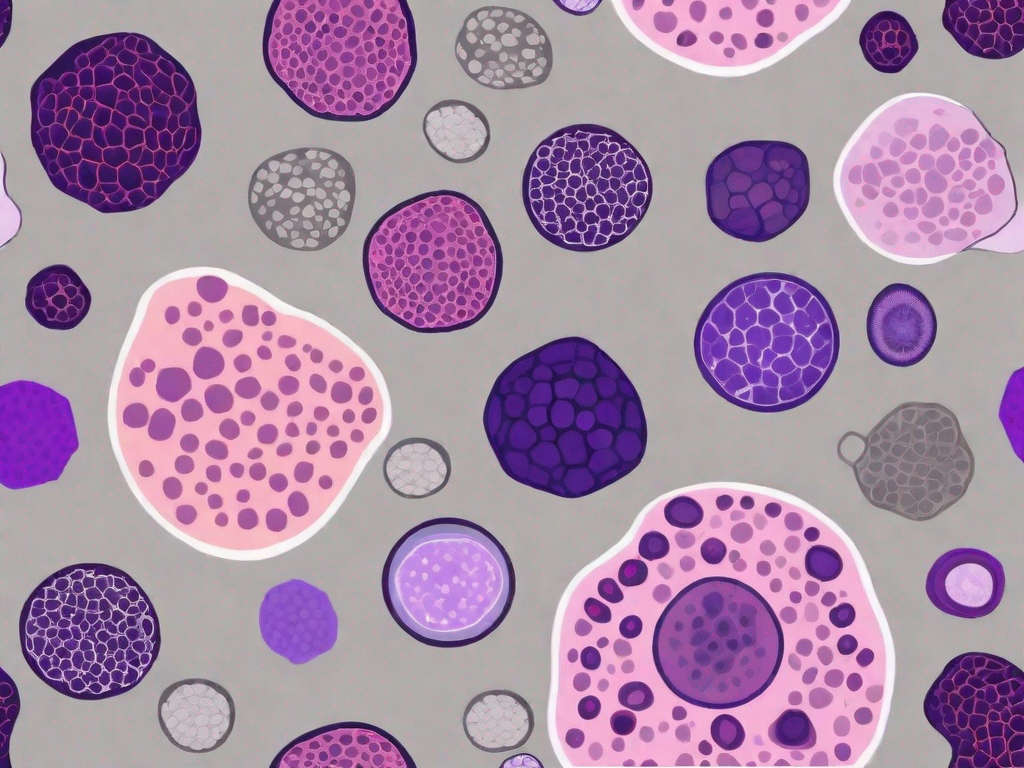
When diagnosed, your healthcare team will discuss cancer staging and grading. Staging describes how far the cancer has spread—from localized tumors to ones that affect distant organs. Grading looks at how abnormal the cancer cells appear under a microscope, giving clues about how fast the cancer might grow. Together, these help your doctor tailor your treatment plan and give you a clearer picture of what to expect.
Taking Control of Your Cancer Journey
If you or a loved one is facing cancer, remember that knowledge is a powerful tool. Early detection through screenings and paying attention to symptoms can save lives. Treatment options continue to improve, offering more hope than ever before. Always feel empowered to discuss concerns openly with your care team and seek second opinions if needed.
For further reliable information, visit trusted organizations like the National Cancer Institute, the Mayo Clinic, or watch expert explanations from Cancer Research UK’s YouTube channel.
FAQs
1. How can I reduce my risk of developing cancer?
While not all cancers are preventable, lifestyle choices like avoiding tobacco, eating a balanced diet rich in fruits and vegetables, maintaining a healthy weight, staying physically active, and protecting yourself from excessive sun exposure can lower your risk.
2. What are the warning signs that might indicate cancer?
Common symptoms include unexplained weight loss, persistent fatigue, unusual lumps or swelling, changes in skin spots, unexplained bleeding, or persistent cough. However, symptoms vary widely depending on the cancer type, so regular check-ups are important.
3. How important is early detection in cancer treatment?
Early-stage cancers are generally easier to treat successfully. Screenings such as mammograms, colonoscopies, and Pap tests help catch cancer before symptoms appear, improving outcomes.
4. What does cancer staging tell me about my prognosis?
Staging indicates the extent of cancer spread. Lower stages usually mean the cancer is confined and more treatable, while higher stages may require more intensive treatment but still can be managed effectively with modern therapies.
5. Should I get genetic testing if cancer runs in my family?
If you have a family history of cancer, especially in close relatives diagnosed at young ages, genetic counseling and testing can help identify inherited risks and guide prevention or early detection strategies. Discuss this with your healthcare provider.