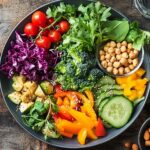
The Harvest for Health program demonstrates that connecting with nature and community not only enriches your meals but also boosts physical activity, mental well-being, and environmental sustainability. Whether you live in a city apartment or a rural town, adapting these practices can nurture your body and mind, offering a fulfilling, holistic approach to cancer prevention and overall wellness.
The Story Behind Harvest for Health: Growing Wellness Through Nature and Community
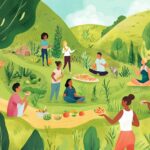
Harvest for Health started from a compelling idea: nurturing both body and spirit through gardening and fresh, local foods. What began as a small community project has blossomed into a movement that brings people together to grow food, share knowledge, and build healthier lives. When you participate in such a program, you’re not just planting seeds in the soil—you’re cultivating a stronger connection to nature, your neighbors, and your own health.
How Gardening Enhances Your Well-Being
Gardening offers far more than just fresh produce. It’s a full-body activity that can improve your strength, flexibility, and heart health—all of which play a role in reducing cancer risk. Plus, spending time outdoors and caring for plants can lower stress and uplift your mood, giving your mental health a boost. You might find that tending to your garden becomes a mindful, almost meditative practice that brings you peace and a sense of achievement.
Eating Locally Grown Food: Freshness That Fights Cancer
When you choose fruits and vegetables grown nearby, you’re getting the freshest food possible. These foods retain more vitamins, minerals, and antioxidants, which help protect your cells from damage that can lead to cancer. Supporting local farmers also helps the environment by cutting down on the energy and pollution caused by long-distance food transport. For more on the benefits of local eating, visit the National Cancer Institute.
Seasonal Eating: Aligning Your Diet With Nature’s Rhythms
Eating seasonally means enjoying fruits and vegetables at their peak freshness and nutrition throughout the year. Each season offers a unique variety of foods packed with different cancer-fighting nutrients. If you live in an area with distinct seasons, try to build your meals around what’s locally harvested—this not only nourishes your body but also celebrates nature’s changing cycles. For practical tips on seasonal eating, you can explore resources from Mayo Clinic.
Adapting the Harvest for Your Lifestyle
No matter where you live or what your climate is like, you can bring the benefits of the Harvest for Health approach into your daily life. Urban dwellers might start with container gardens on a balcony, while rural residents can join or create community gardens. The key is to find a way that fits your environment and personal preferences, making healthy choices accessible and enjoyable. Remember, the goal is to connect with your food sources and community in a meaningful way that supports your wellness journey.
Taking Action: How You Can Start Today
Consider planting easy-to-grow vegetables or herbs this season. Visit a local farmer’s market to explore what’s fresh and in season. Join community gardening groups or online forums that share tips and support. Embracing these actions helps you play an active role in your cancer prevention strategy while enjoying the pleasures and benefits of natural, seasonal foods.
Frequently Asked Questions
How does gardening help reduce cancer risk?
Gardening promotes regular physical activity, which is linked to lower cancer risk. It also encourages eating fresh fruits and vegetables rich in cancer-fighting nutrients. Additionally, time outdoors and stress reduction contribute to overall wellness.
Can I practice Harvest for Health if I don’t have a garden?
Absolutely. Many people use container gardening in small spaces or participate in community gardens. You can also focus on seasonal eating by buying from local farmers’ markets or joining a community-supported agriculture (CSA) program.
Why is eating locally grown food better for cancer prevention?
Locally grown food is often fresher and more nutrient-rich, providing higher levels of antioxidants and vitamins that protect cells. It also supports sustainable farming practices that are good for the environment—another factor in overall health.
How can I find out what produce is in season in my area?
Local agricultural extension offices, farmers’ markets, and websites like the USDA Seasonal Produce Guide can provide calendars and resources to help you know what’s fresh and available near you.
What if I have a busy schedule—how can I incorporate gardening and seasonal eating?
Start small with easy-to-manage plants or herbs that require minimal care. Planning meals around seasonal produce can be simple once you get familiar with your local harvest. Even a few minutes spent gardening or exploring seasonal recipes each week can make a meaningful difference.
By inviting nature into your daily routine through gardening and seasonal eating, you can strengthen your body’s natural defenses and enrich your life in many ways. For further guidance on healthy lifestyle choices for cancer prevention, visit the Centers for Disease Control and Prevention (CDC) and explore their expert recommendations.